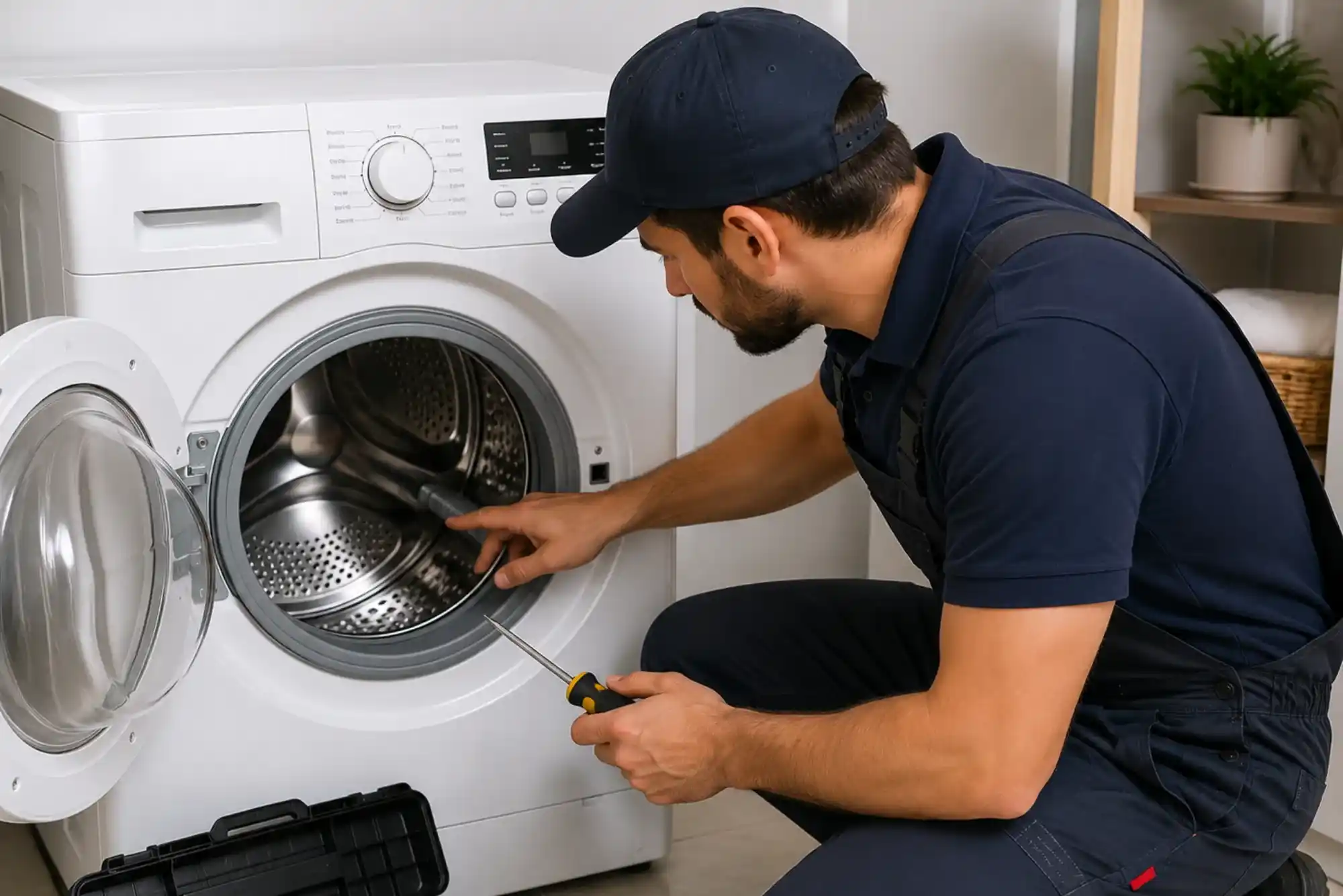
Dishwashers have become an essential part of modern homes, saving time and ensuring hygienically clean dishes after every meal. With increasing demand for convenience and efficiency, detergent manufacturers have introduced additives to improve cleaning power, reduce spotting, and enhance shine. While these additives may promise superior cleaning results, their effect on the overall health and longevity of dishwashers is often overlooked. Understanding how detergent additives interact with your machine can make the difference between a long-lasting appliance and one that requires frequent repairs.
Why Detergent Additives Are Introduced
Detergent additives are marketed as performance boosters. They are designed to tackle hard water stains, remove grease more effectively, and prevent cloudy films on glassware. In regions where hard water is common, additives help soften minerals such as calcium and magnesium, ensuring dishes appear spotless. Furthermore, enzymes and oxygen-based brightening agents are added to break down tough food residues that ordinary detergents might leave behind.
For homeowners, the appeal is simple: fewer manual pre-washes, shinier plates, and improved hygiene. However, what is beneficial to cleaning performance may not always align with the mechanical health of the dishwasher itself.
Chemical Composition and Machine Interaction
Most detergent additives contain phosphates, surfactants, bleaching agents, and enzymes. While these elements serve specific purposes in dish cleaning, their long-term interaction with internal dishwasher components requires careful attention. Phosphates, once widely used, were known to leave behind residue inside hoses and pumps, increasing the risk of blockages. Surfactants, which help lift grease, may sometimes produce excess foam, putting strain on the drainage system.
Modern dishwashers are designed to handle a wide range of detergents, but consistent exposure to aggressive chemical agents can erode seals, gaskets, and rubber linings. Over time, this can lead to leaks, poor water circulation, or even pump failures. When such issues occur, professional repair services become essential,Post Category, as improper handling of detergent-related problems may worsen the condition of the appliance.
The Role of Hard Water and Additives
Water quality plays a significant role in determining how detergents and additives affect dishwasher performance. In areas with hard water, mineral deposits can build up on heating elements, spray arms, and filters. Many detergent additives are specifically formulated to combat these deposits, ensuring both dishes and machines remain free from scale. However, the repeated use of such chemicals creates another challenge—while they may reduce visible scaling, they sometimes accelerate corrosion inside metallic parts.

This balancing act highlights the importance of regular maintenance. Relying solely on detergent additives to solve hard water issues is rarely enough. Instead, homeowners are encouraged to combine responsible additive use with periodic servicing, such as descaling treatments and filter inspections.
Long-Term Effects on Dishwasher Efficiency
A dishwasher’s efficiency depends on smooth water circulation, effective spray arm rotation, and clean internal pathways. Excessive or improper use of detergent additives can hinder these functions. Additives that leave residue may clog filters and reduce water flow, forcing the dishwasher to work harder. Over time, this results in longer wash cycles, higher energy consumption, and reduced cleaning performance.
Additionally, certain additives that produce foam may cause sensors within the dishwasher to misinterpret water levels, disrupting normal operation. Such malfunctions often require professional repair and can shorten the overall lifespan of the appliance if not addressed promptly.
Impact on Rubber and Plastic Components
One of the most overlooked aspects of dishwasher maintenance is the effect of detergent additives on rubber and plastic materials. Many dishwashers rely on rubber gaskets to create watertight seals. Additives containing bleach or strong enzymes can gradually weaken these seals, leading to leaks. Plastic components, such as spray arm connectors or filter housings, may also become brittle over time if exposed to harsh chemicals.
This deterioration often goes unnoticed until visible leaks appear or parts break during normal operation. Professional technicians often trace such problems back to prolonged use of strong detergents and additives, emphasizing the need for balanced cleaning practices.
Dishwasher Manufacturers and Detergent Recommendations
Most dishwasher manufacturers provide detailed guidelines regarding the types of detergents and additives suitable for their models. Ignoring these recommendations not only risks damage but may also void warranties. Some machines are engineered to perform optimally with mild, phosphate-free detergents, while others include built-in water softening systems that reduce the need for additional additives.
By following manufacturer instructions, homeowners can ensure that cleaning products support rather than undermine the dishwasher’s design. This alignment between product choice and machine design significantly improves long-term appliance health.
Professional Insights on Additive Use
Appliance repair professionals consistently emphasize moderation. While occasional use of additives may enhance cleaning performance, daily reliance can create avoidable complications. For example, rinse aids that promise streak-free drying are beneficial, but excessive use may create chemical deposits in hidden corners of the dishwasher. Similarly, descaling agents are useful in hard water areas but should be used at recommended intervals rather than after every wash.
Technicians also highlight the importance of choosing reputable detergent brands. Inferior or counterfeit additives often contain unregulated chemical concentrations that can severely damage dishwashers. Professional servicing becomes necessary in such cases, with repairs ranging from simple filter cleaning to complete pump replacements.
Balancing Cleaning Needs and Machine Health
The ultimate goal of detergent additives should be to improve dish cleanliness without compromising dishwasher longevity. Achieving this balance requires homeowners to pay attention to dosage, frequency, and compatibility. Instead of adding multiple products into every wash cycle, careful selection of a high-quality detergent often proves more effective. When supported by regular professional maintenance, this approach extends both the efficiency and lifespan of the dishwasher.
When to Seek Professional Help
Signs that detergent additives may be affecting dishwasher health include unusual noises, slow drainage, cloudy residue on dishes, and persistent leaks. If such issues appear, immediate professional assessment is recommended. Ignoring these warnings may lead to larger, costlier repairs later.
In many cases, a skilled technician can identify whether additives are responsible for the malfunction. Simple interventions, such as deep cleaning internal parts or replacing worn gaskets, can restore functionality before major breakdowns occur. For homeowners, early intervention not only saves money but also ensures uninterrupted daily convenience.
The Future of Eco-Friendly Additives
With growing awareness about environmental sustainability, manufacturers are shifting toward eco-friendly detergent additives. These products aim to reduce harmful residues, lower chemical impact on appliances, and minimize ecological damage. Phosphate-free formulas, plant-based enzymes, and biodegradable surfactants are becoming more common. Such innovations promise a healthier balance between dishwashing performance and machine preservation.
For homeowners, adopting eco-friendly detergents and additives provides twofold benefits: safeguarding dishwasher health and contributing to environmental protection. This shift is expected to become the new standard in household cleaning practices, further reducing the risks traditionally associated with strong chemical additives.
The impact of detergent additives on dishwasher health is a subject that every homeowner should consider carefully. While additives improve cleaning power and address issues such as hard water stains, they can also create hidden challenges within the appliance. From residue buildup and corrosion to gasket wear and drainage problems, the risks are real. However, with mindful use, adherence to manufacturer recommendations, and regular professional servicing, these risks can be minimized.