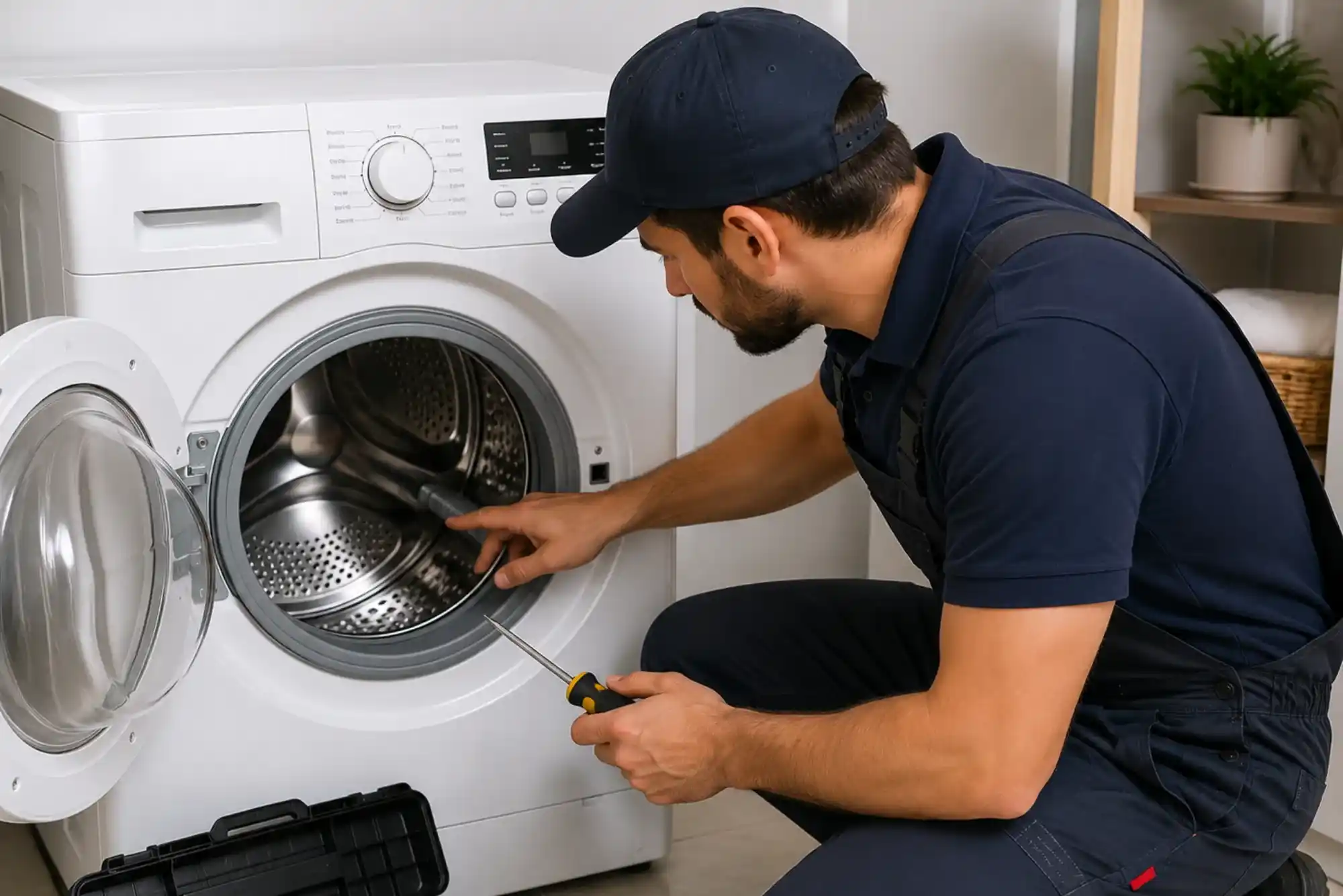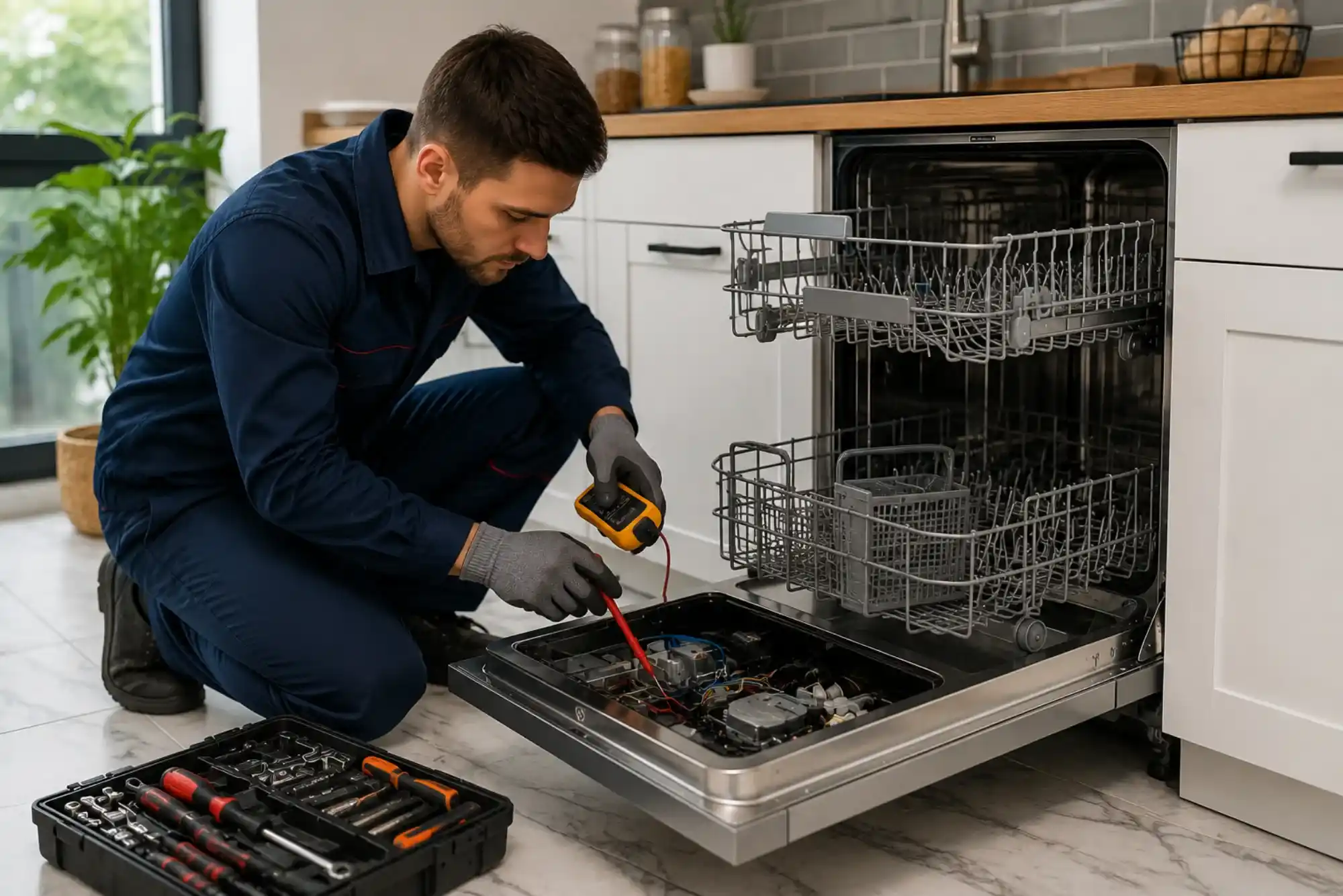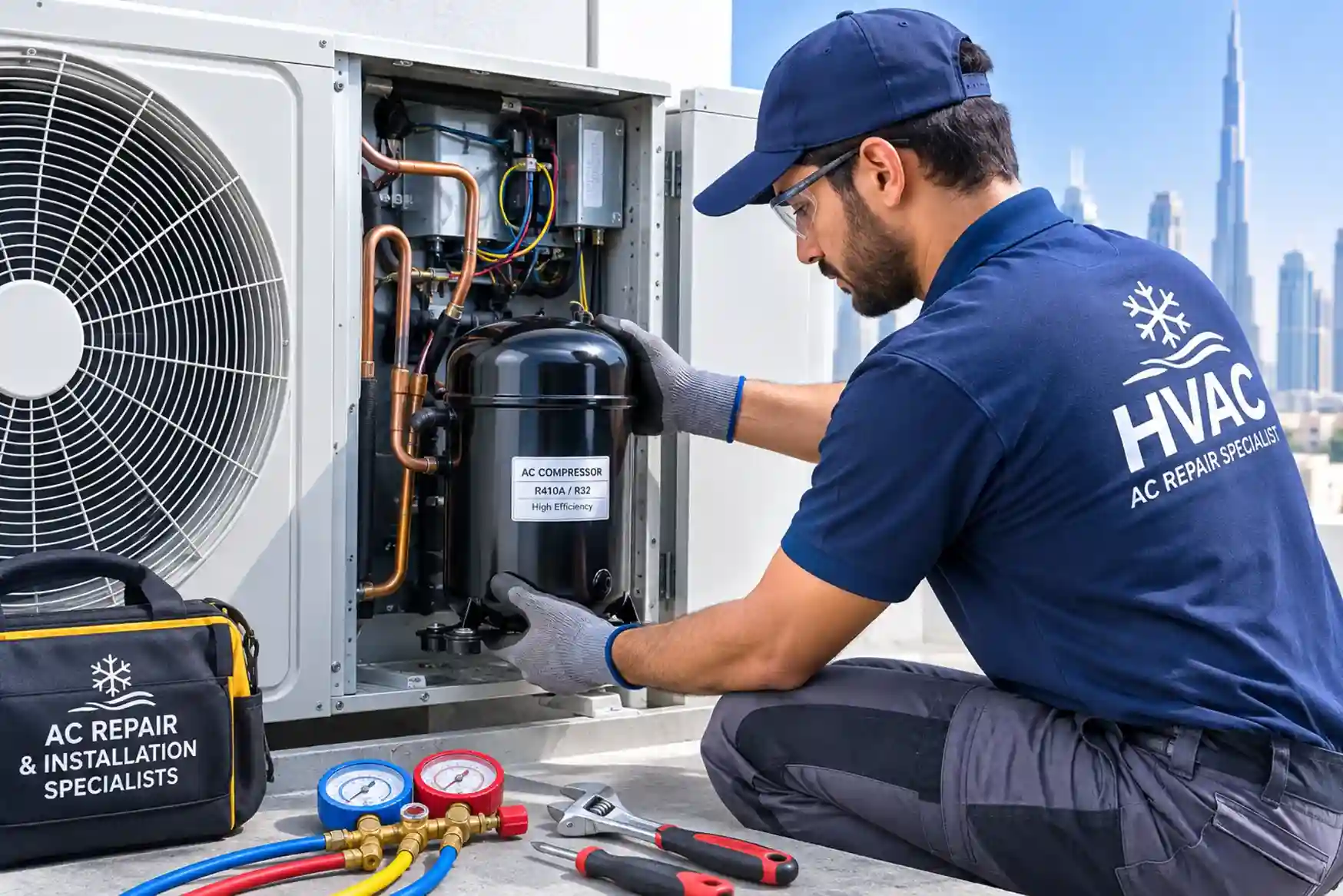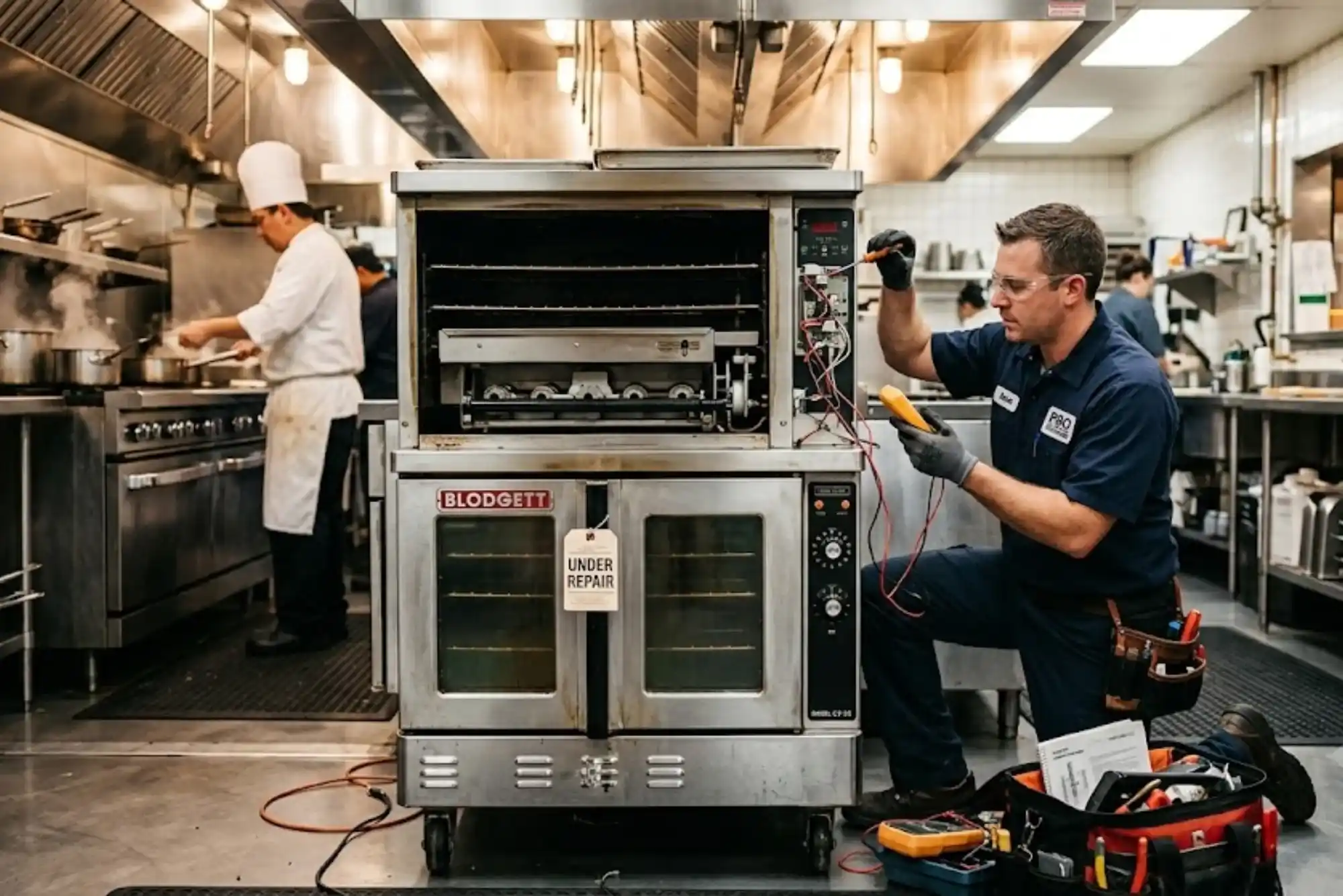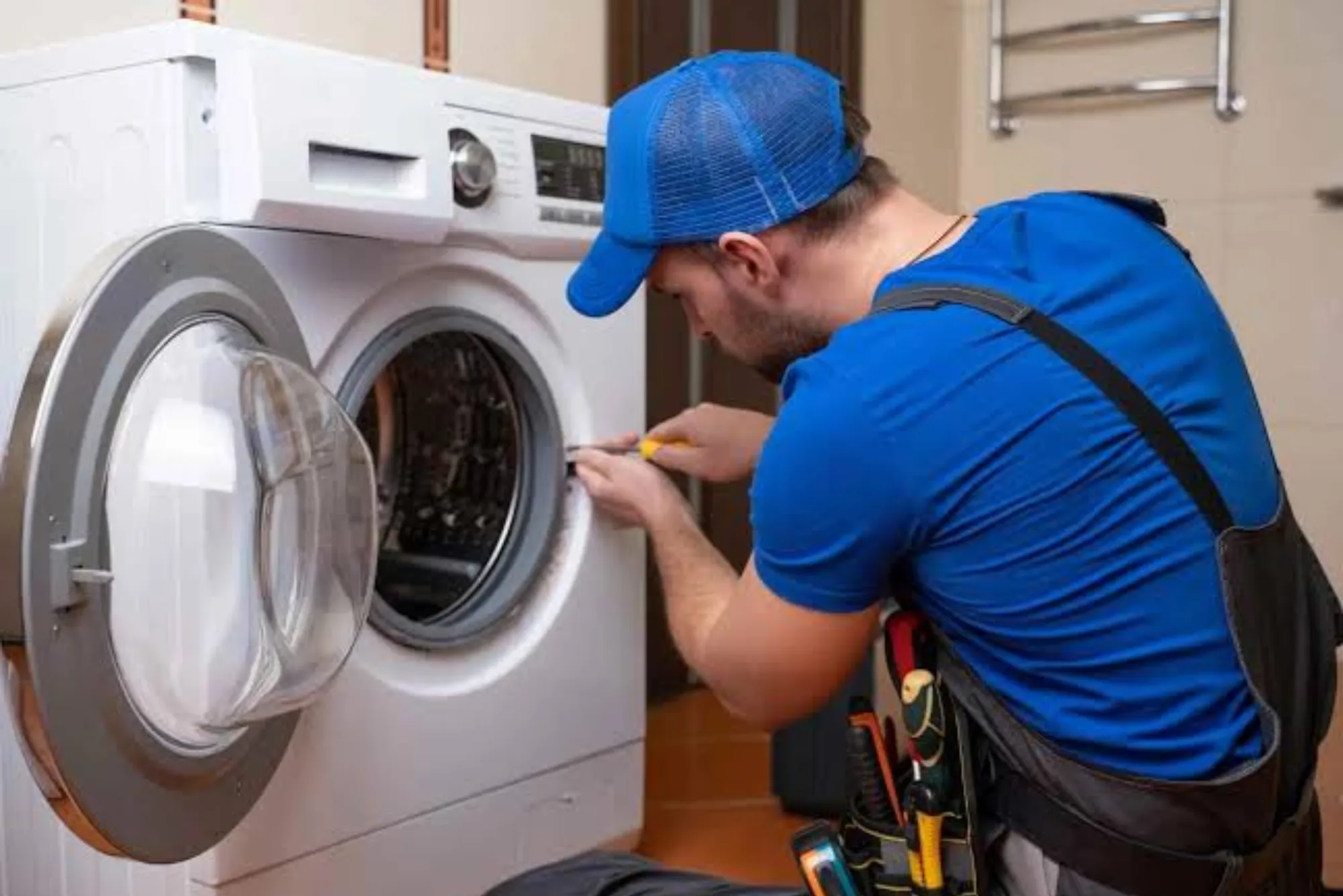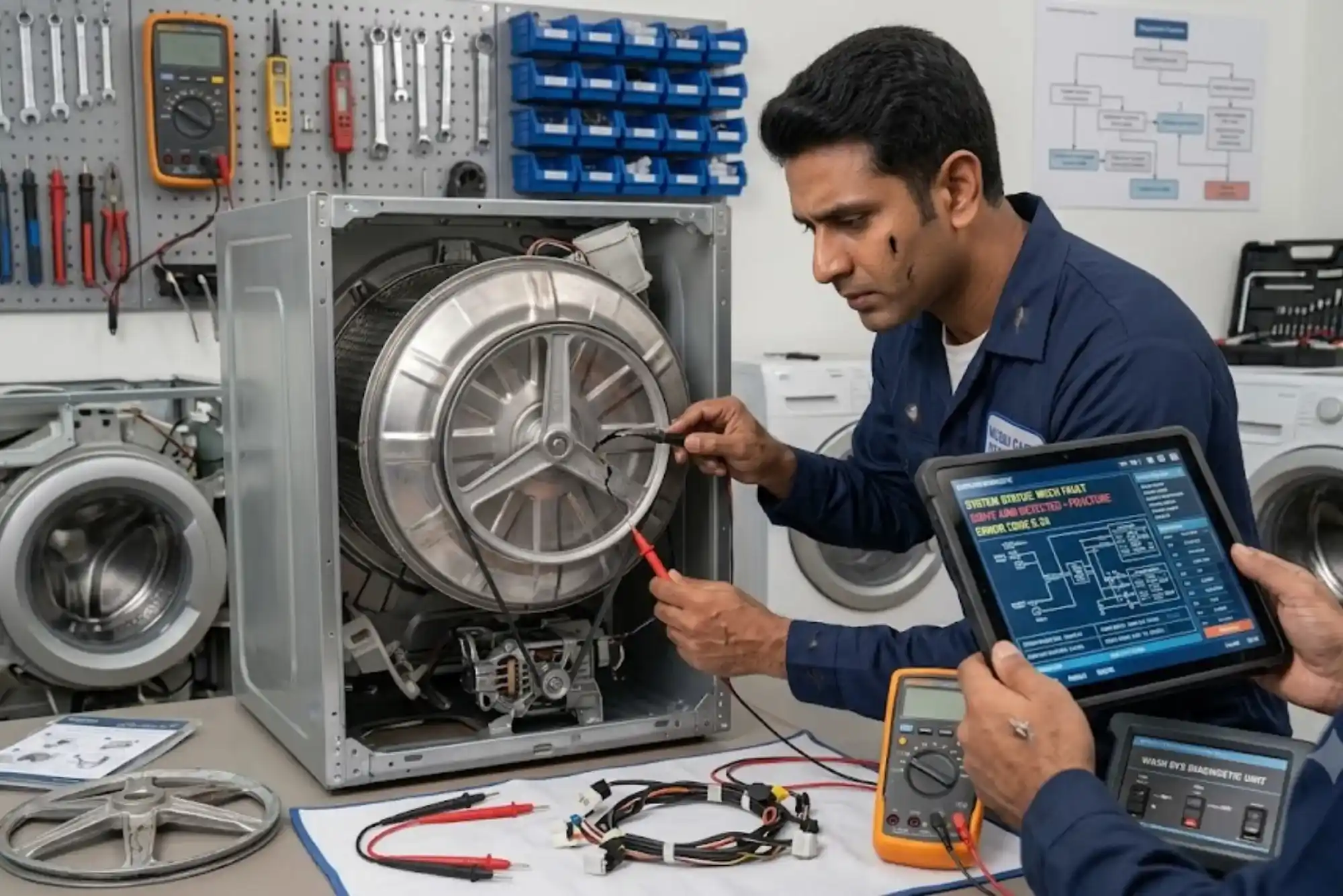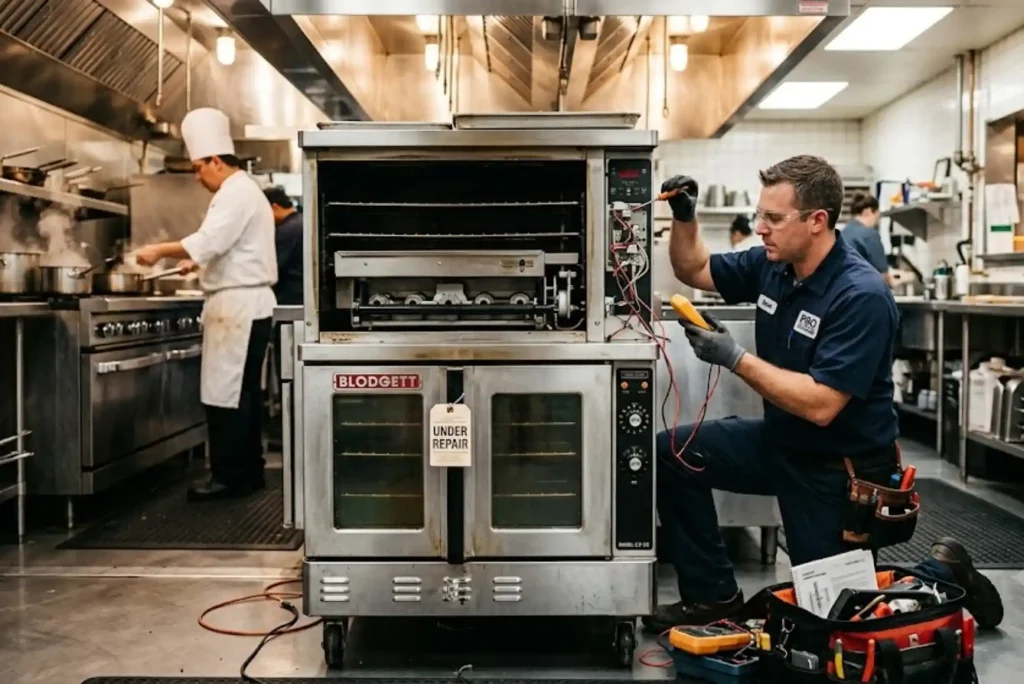
Commercial kitchens rely on high-performance ovens to prepare food efficiently and consistently throughout the day. Whether operating a busy restaurant, hotel kitchen, bakery, or catering facility, a malfunctioning oven can quickly disrupt operations, increase costs, and affect customer satisfaction. This is why Oven Repair for Commercial Kitchens should never be delayed when warning signs appear.
Unlike residential appliances, commercial ovens work under heavy daily workloads. Continuous exposure to high temperatures, grease, moisture, and frequent use naturally causes wear on heating elements, thermostats, burners, fans, and electrical components. Regular inspections and timely repairs help prevent unexpected downtime while extending the life of valuable kitchen equipment.
Businesses looking for dependable repair and maintenance solutions can also explore professional services offered by commercial oven repair specialists for expert diagnosis and long-term appliance performance.
Why Commercial Oven Reliability Matters
Every minute of downtime affects food preparation schedules, employee productivity, and customer experience. Commercial kitchens operate on strict timelines where delayed cooking can impact dozens or even hundreds of orders during peak business hours.
A properly functioning oven offers several operational advantages:
- Consistent cooking temperatures
- Better food quality
- Lower energy consumption
- Reduced equipment downtime
- Improved workplace safety
- Longer appliance lifespan
Ignoring small issues often allows them to develop into expensive repairs that may require complete component replacement.

Common Problems That Require Oven Repair for Commercial Kitchens
Commercial ovens contain multiple electrical and mechanical systems that must work together flawlessly. Even a minor failure can affect overall cooking performance.
Uneven Heating
One of the most common complaints is inconsistent cooking temperatures. Meals may burn on one side while remaining undercooked on another. This often indicates problems with heating elements, circulation fans, or thermostat calibration.
Businesses experiencing temperature inconsistencies can learn more about professional oven heating element replacement when damaged elements reduce heating efficiency.
Thermostat Malfunctions
An inaccurate thermostat causes ovens to run hotter or cooler than the selected setting. Besides affecting food quality, incorrect temperatures increase energy usage and place unnecessary stress on internal components.
Electrical Component Failures
Commercial ovens depend on switches, relays, sensors, control boards, and wiring systems. Electrical faults may lead to sudden shutdowns, display errors, or ovens failing to power on entirely.
Professional inspection becomes especially important when electrical issues involve thermostat circuits or internal wiring. More information can be found in this guide on electric oven thermostat and wiring repair.
Door Seal Damage
Damaged door seals allow heat to escape continuously during cooking. The oven then works harder to maintain temperature, increasing electricity consumption while slowing cooking times.
Fan Motor Problems
Convection ovens rely on circulation fans to distribute heat evenly. Worn fan motors create uneven cooking, excessive noise, and overheating inside the cooking chamber.
Signs Your Commercial Oven Needs Immediate Attention
Recognising early warning signs allows businesses to schedule repairs before equipment fails completely.
- Longer preheating times
- Unexpected shutdowns during cooking
- Burning smells from electrical components
- Temperature fluctuations
- Unusual noises
- Error codes appearing on digital displays
- Higher electricity or gas consumption
- Food cooking unevenly
Addressing these symptoms early reduces repair costs while minimising disruption to daily kitchen operations.
Benefits of Preventive Commercial Oven Maintenance
Many businesses only contact technicians after equipment stops working. However, preventive maintenance is often far more cost-effective than emergency repairs.
Routine servicing helps technicians identify worn components before they fail, clean internal systems, calibrate temperature controls, inspect electrical connections, and ensure safe operation.
Regular maintenance programmes also provide benefits including:
- Reduced emergency breakdowns
- Improved cooking consistency
- Enhanced kitchen safety
- Lower repair costs over time
- Extended equipment lifespan
- Greater operational efficiency
Commercial vs Residential Oven Repairs
| Feature | Commercial Ovens | Residential Ovens |
|---|---|---|
| Daily Usage | Continuous heavy operation | Moderate household use |
| Repair Complexity | High | Moderate |
| Downtime Impact | Business interruption | Household inconvenience |
| Maintenance Frequency | Regular scheduled servicing | Occasional servicing |
| Replacement Cost | Higher investment | Lower investment |
Because commercial equipment handles significantly heavier workloads, repairs require specialised knowledge, genuine replacement parts, and experienced technicians familiar with industrial cooking systems.
Choosing the Right Repair Service for Commercial Kitchens
Selecting a qualified repair company is just as important as repairing the oven itself. Commercial kitchens cannot afford repeated breakdowns caused by temporary fixes or inexperienced technicians.
When choosing a service provider, look for:
- Experience with commercial kitchen equipment
- Fast response times for emergency repairs
- Skilled technicians trained on multiple oven brands
- Use of quality replacement parts
- Preventive maintenance services
- Transparent diagnosis and repair recommendations
A reliable service provider focuses not only on fixing the immediate problem but also on identifying underlying issues that may cause future failures. Professional servicing helps businesses minimise downtime and maintain uninterrupted kitchen operations.
Maintenance Practices That Reduce Repair Costs
Daily care and scheduled maintenance significantly reduce the likelihood of major repairs. Kitchen staff can play an important role by following simple maintenance practices.
- Clean grease and food residue after each shift.
- Inspect door seals for wear or damage.
- Avoid overloading the oven.
- Monitor unusual sounds or temperature changes.
- Keep ventilation areas clean.
- Schedule professional inspections several times each year.
These habits help improve cooking performance while reducing unnecessary strain on heating systems and electrical components.
When Should You Repair Instead of Replace?
Many commercial kitchen owners wonder whether repairing an oven is more cost-effective than purchasing a replacement. In many cases, professional repairs restore equipment to excellent working condition, especially when the appliance has been properly maintained.
Repair is usually the better option when:
- The problem involves replaceable components such as thermostats, heating elements, or fan motors.
- The oven structure remains in good condition.
- The repair cost is considerably lower than buying new equipment.
- Replacement parts are readily available.
Replacement may be worth considering when the oven experiences repeated major failures, has become inefficient, or has reached the end of its expected service life.
Why Professional Repairs Are Safer Than DIY Fixes
Commercial ovens combine high temperatures, gas systems, and complex electrical circuits. Attempting repairs without the proper expertise can create serious safety hazards, including electrical shock, gas leaks, fire risks, and further damage to expensive equipment.
Qualified technicians follow proper diagnostic procedures, safety standards, and manufacturer recommendations to ensure repairs are completed correctly. This reduces operational risks and helps businesses maintain a safe working environment for kitchen staff.
Frequently Asked Questions
1. How often should commercial ovens be serviced?
Most commercial kitchens benefit from professional servicing every six to twelve months, depending on daily usage and cooking volume.
2. What are the most common causes of commercial oven failure?
Heating element failures, faulty thermostats, damaged wiring, worn fan motors, blocked ventilation, and poor maintenance are among the most common issues.
3. Can regular maintenance improve energy efficiency?
Yes. Clean components, properly calibrated thermostats, and well-maintained heating systems help ovens reach and maintain the correct temperature more efficiently, reducing energy consumption.
4. Is it safe to continue using an oven with temperature problems?
No. Inconsistent temperatures can affect food quality, increase energy costs, and indicate underlying electrical or mechanical faults that should be inspected promptly.
5. How can businesses reduce emergency repair costs?
Implementing a preventive maintenance schedule, training staff to recognise early warning signs, and arranging timely professional inspections can significantly reduce unexpected repair expenses.
Conclusion
Oven Repair for Commercial Kitchens is an essential investment in the efficiency, safety, and productivity of any food service business. Prompt repairs and regular maintenance help prevent costly downtime, improve cooking consistency, extend equipment lifespan, and protect daily operations.
Whether your commercial oven is experiencing heating issues, electrical faults, thermostat problems, or reduced performance, working with experienced professionals ensures reliable results and long-term value. Businesses seeking trusted repair and maintenance services can explore the complete range of solutions available at Al Barouda, where expert support helps commercial kitchens keep operating at their best.
Related Reading: Samsung Oven Repair Dubai
Related Reading: Oven Repair and Installation
Related Reading: Oven Performance Repair — full guide
Related Reading: Oven Maintenance Specialists
Related Reading: Built-In Oven Repair: Complete Guide for Modern Kitchens
Related Reading: Best Luxury Car Rental Companies in Dubai: Ratings & Reviews
Related Reading: Best Luxury Car Rental Companies in Dubai: Ratings & Reviews — full guide