The bake element inside a stove is the core component responsible for producing the heat that cooks your food evenly. It glows bright red when activated, distributing heat throughout the oven cavity to ensure consistent baking and roasting. Over time, however, this element can burn out, warp, or stop functioning properly due to continuous high-temperature use. When this happens, you may notice that your oven no longer heats evenly or fails to reach the set temperature. Replacing the bake element is a critical maintenance task that restores your oven’s full functionality and ensures reliable cooking results.
Understanding the Function of a Bake Element
A bake element is an electrical resistance coil that converts electrical energy into heat. It sits at the bottom of the oven cavity and works in coordination with the broil element at the top. When you select the bake function, electricity flows through the coil, heating it rapidly. The generated heat radiates upward, warming the air inside the oven. This element is designed to withstand thousands of hours of use, but like all electrical parts, it can degrade over time. Common signs of failure include visible cracks, dark spots, or complete non-heating during operation.
When the bake element fails, the oven may still turn on, but it won’t generate the proper temperature. This can make cooking inconsistent, leading to undercooked food or uneven baking. Fortunately, replacing a bake element is usually a straightforward procedure that, when done correctly, restores your appliance’s performance to factory standards.
Safety Precautions Before Replacement
Before beginning any repair, safety must always come first. The bake element operates on high voltage, and even a small mistake can cause electric shock or damage to the appliance. Always ensure that the oven is disconnected from the power source before touching internal components. If the stove is hardwired rather than plugged in, switch off the circuit breaker that supplies power to the appliance. Allow the oven to cool completely, as residual heat from recent use can cause burns.
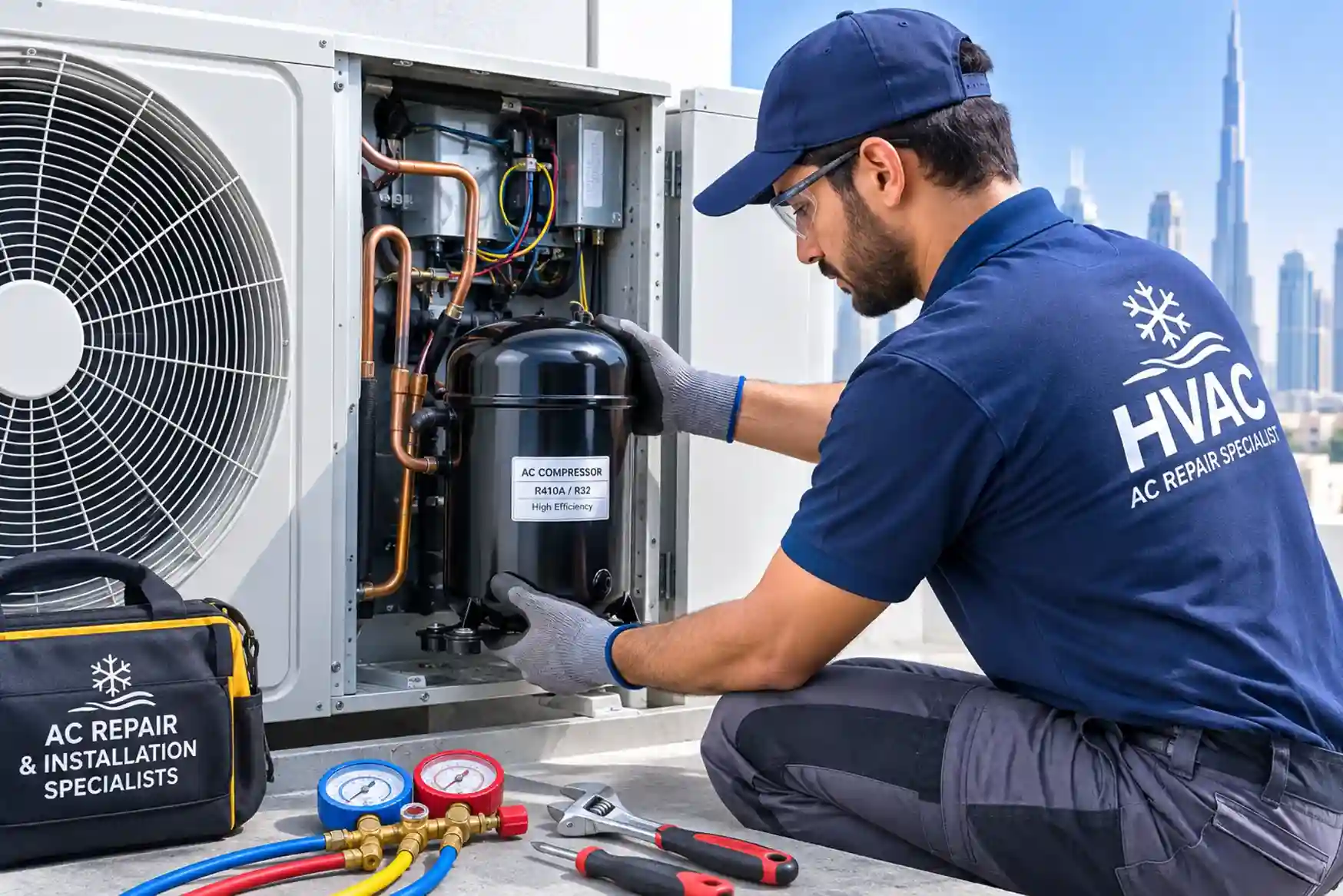
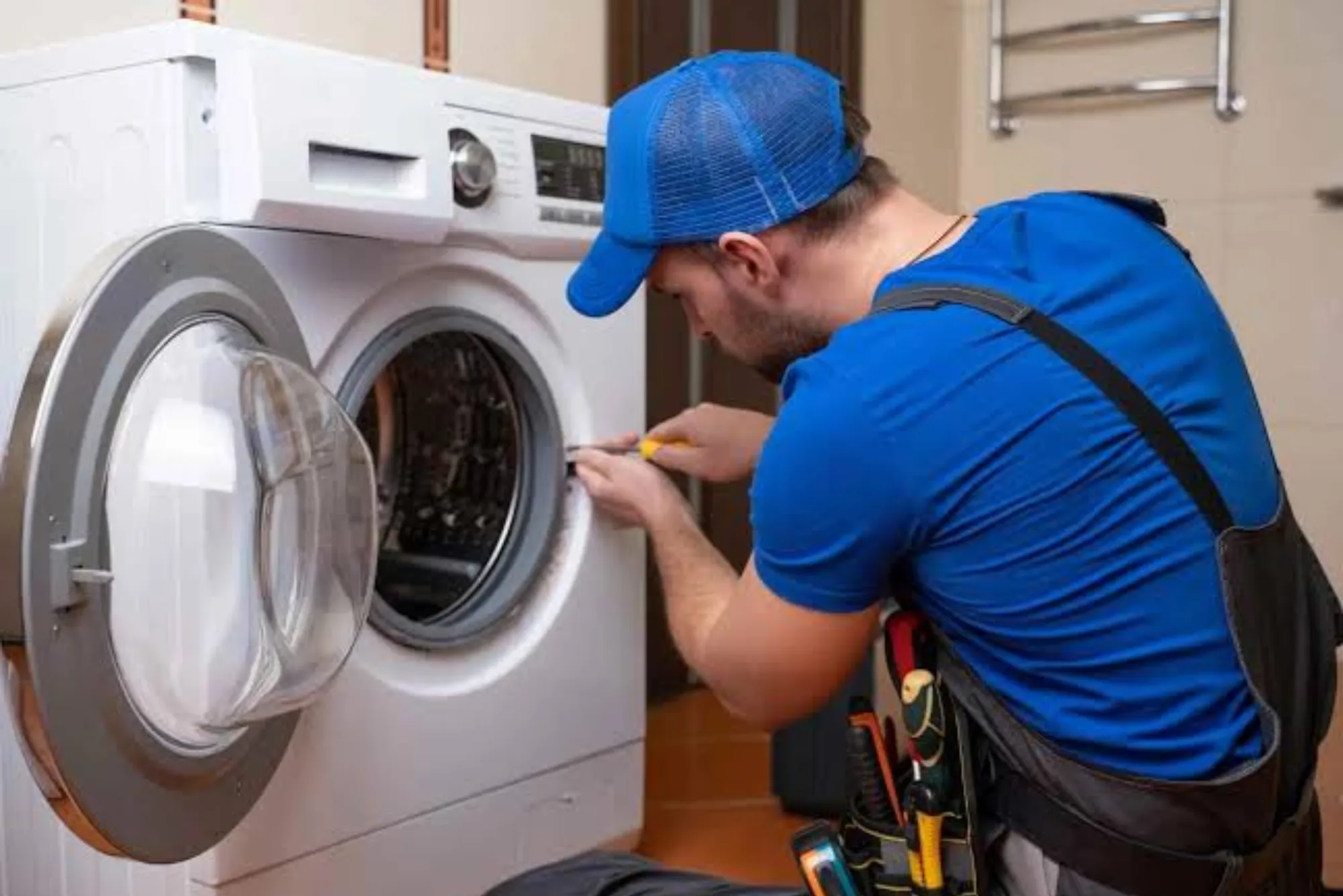
Technicians who specialize in appliance servicing emphasize that having proper safety gear and an understanding of basic electrical principles are crucial. A professional approach to handling components not only ensures safety but also helps maintain the integrity of the oven’s wiring and connectors during the repair process.
Diagnosing a Faulty Bake Element
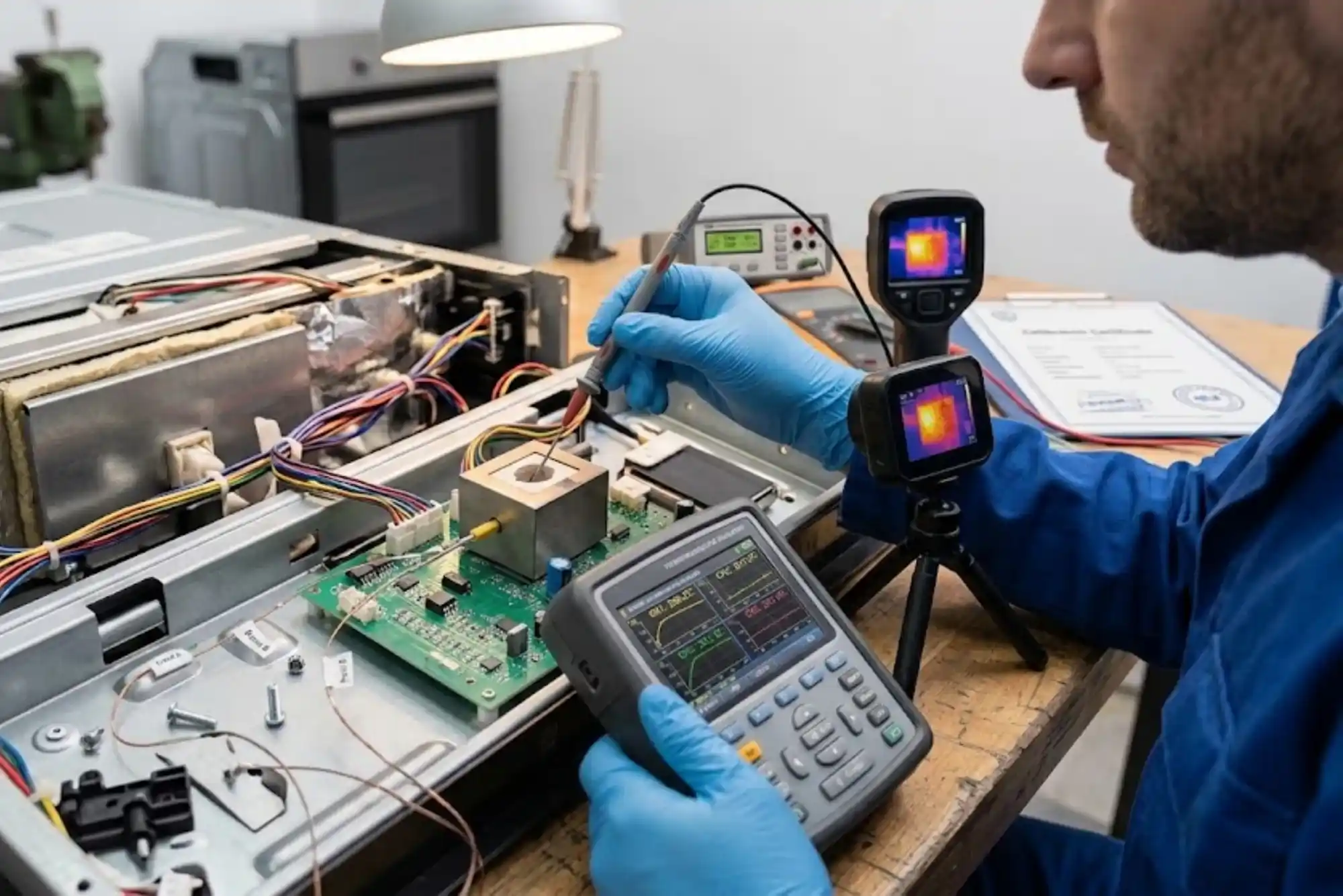
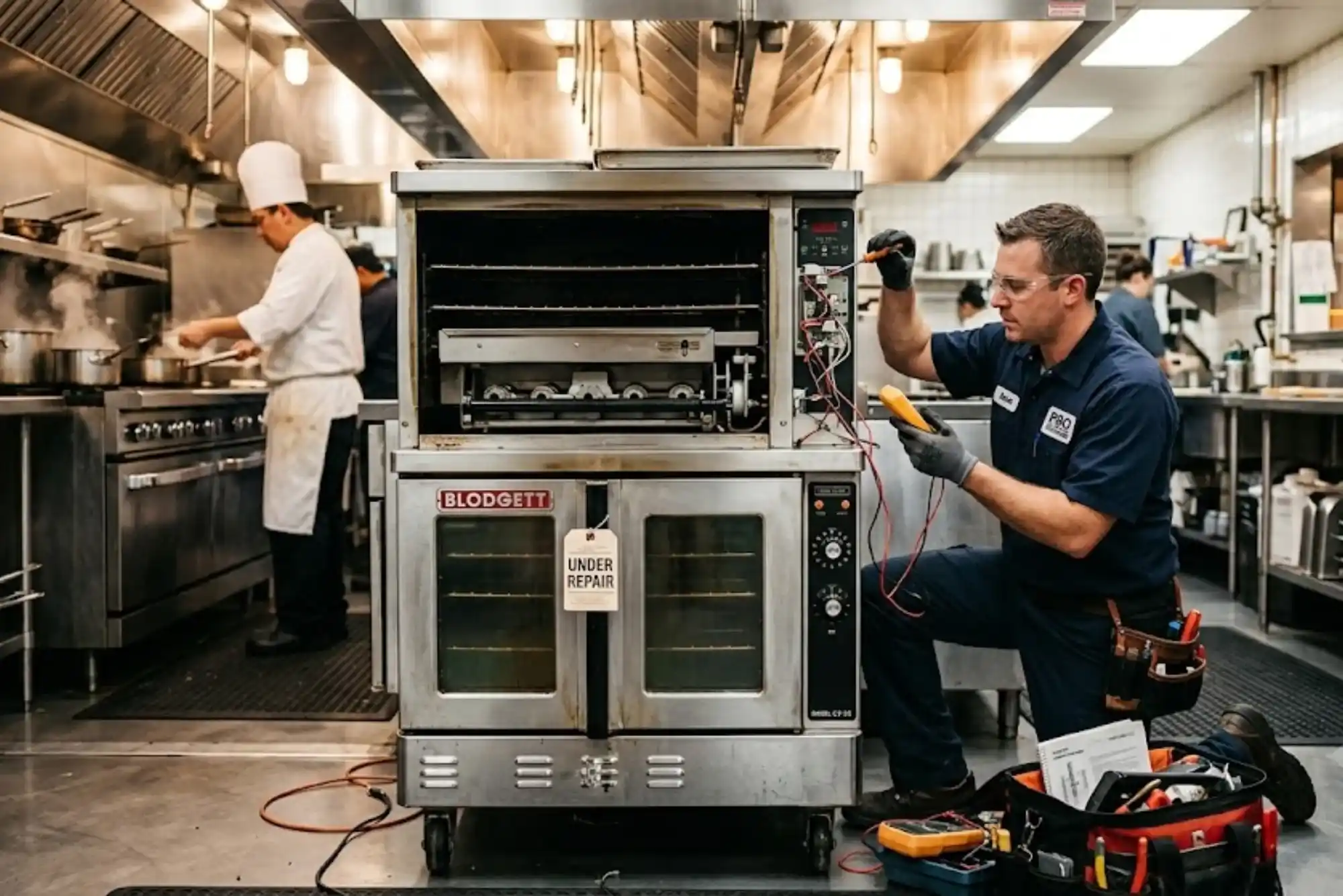
A non-heating oven does not always mean that the bake element is the culprit. Sometimes the issue may be with the thermostat, control board, or wiring harness. To confirm that the element is faulty, visual inspection is often sufficient. A burnt-out element will usually show visible damage such as blistering or separation at certain points. If the visual signs are unclear, testing with a multimeter provides a more accurate diagnosis. A healthy element should show continuity when tested; a reading of zero or infinite resistance indicates it must be replaced.

Professional technicians rely on this diagnostic step before replacement to ensure no other component is affected. Accurate diagnosis avoids unnecessary part changes and guarantees a complete solution to the problem.
The Replacement Process
Once the faulty element is confirmed, the replacement process can begin. The oven racks are removed to create space, and the element is located at the base of the oven cavity. It is usually secured by mounting screws and connected to electrical terminals at the rear wall. Carefully detaching these connections is essential to avoid damaging the wires.
The new bake element should be of the same type and rating as the original. After securing the replacement in place, reconnecting the terminals and mounting screws ensures stability and proper contact. Once everything is reassembled, restoring power allows for a quick test cycle. The new element should glow evenly and reach the correct temperature within a few minutes of activation, confirming successful installation.
Technicians emphasize the importance of precision during reassembly. Loose connections can cause short circuits or uneven heating. A properly installed element restores both efficiency and safety, ensuring that the oven functions as intended.
The Role of Professional Technicians
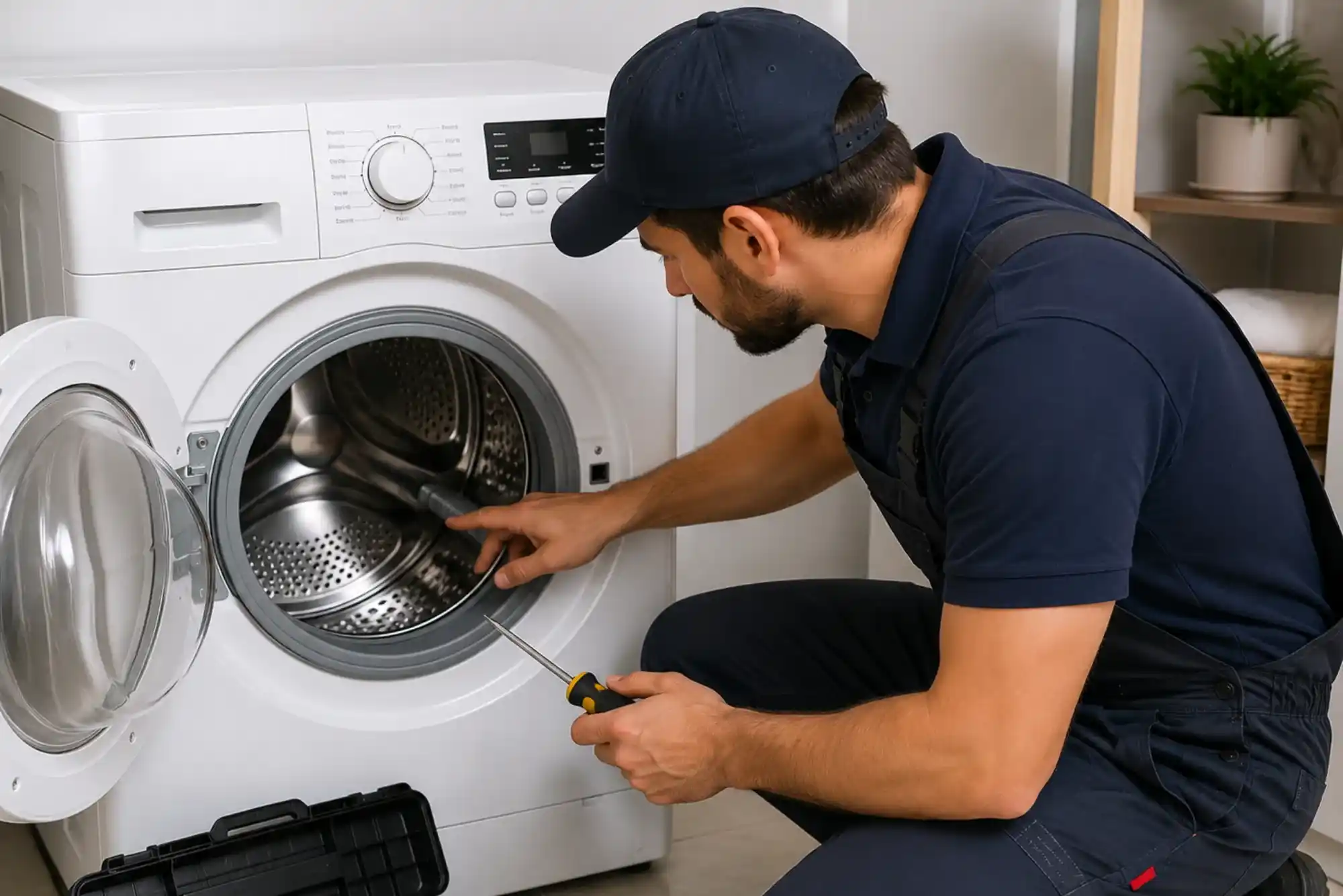
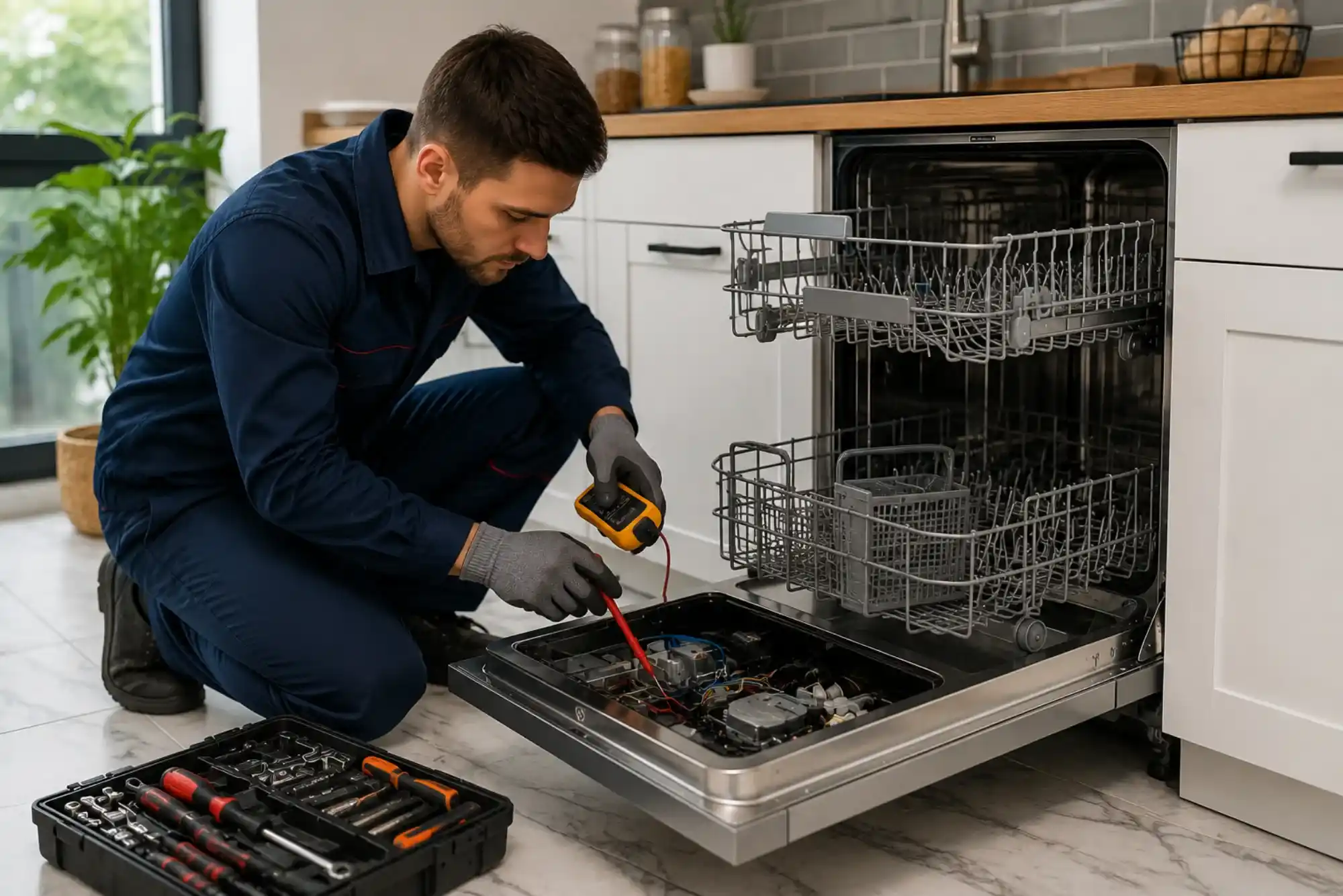
While replacing a bake element might appear straightforward, certain models have intricate wiring systems or hidden connectors that make the process more complex. In such cases, professional service becomes invaluable. Expert technicians bring not only the right tools but also the technical expertise to handle high-voltage components safely. They can identify deeper issues that might be causing the element to fail, such as damaged relays or burnt connectors.
Professional oven repair specialists follow strict safety protocols and provide warranty-backed replacements, ensuring that homeowners don’t face recurring problems. Their experience also ensures that performance testing after replacement meets manufacturer specifications. This professional assurance gives peace of mind, especially when dealing with electrical appliances that operate at high temperatures.
Importance of Quality Replacement Parts
Not all bake elements are created equal. Using substandard or incompatible parts can reduce performance and pose safety risks. Quality elements are designed to match the power output and temperature characteristics of specific oven models. They heat evenly, last longer, and minimize the chances of overheating or electrical failure. When sourcing replacement parts, it is always recommended to choose genuine or high-quality alternatives approved by the manufacturer.
Technicians who perform certified repairs ensure that every replacement component meets or exceeds the appliance’s original standards. This focus on quality extends the life of the oven and maintains consistent performance over time.
Preventive Maintenance for Long-Term Efficiency
After replacing the bake element, maintaining your oven properly prevents premature wear. Regular cleaning prevents grease and debris buildup, which can affect heat distribution and airflow. Avoid using harsh chemicals that can damage internal surfaces or corrode electrical contacts. It is also advisable to schedule periodic inspections to ensure that connections remain secure and no other component is deteriorating.
A well-maintained oven operates efficiently, consumes less energy, and delivers better cooking results. Simple habits like preheating correctly, avoiding overloading, and ensuring adequate ventilation contribute to extending the lifespan of the newly installed element.
Restoring Performance and Safety
Replacing a stove bake element is a practical and effective solution to restore heating performance when your oven stops working efficiently. By understanding how the element functions and following safe handling procedures, homeowners and technicians alike can ensure that the repair process is both successful and secure.
For those unfamiliar with electrical components or who prefer a guaranteed outcome, seeking professional help is always the best option. Expert technicians have the right tools, knowledge, and experience to perform precise repairs and confirm that the oven meets safety and performance standards. A properly replaced bake element not only restores functionality but also improves energy efficiency, allowing your oven to perform as reliably as the day it was new.
A well-executed repair represents the balance between safety, technical expertise, and attention to detail—qualities that ensure your kitchen continues to operate smoothly, providing dependable service and perfect cooking results every time.