Commercial ovens are at the heart of many rental properties that cater to food service businesses, shared kitchens, or furnished apartments with heavy-duty appliances. From small-scale food preparation to large restaurant operations within a rental property, ovens endure constant use, making them one of the most vulnerable appliances to wear and tear. For property owners and managers, maintaining these ovens is not only about keeping them functional but also about ensuring tenant satisfaction, preventing costly repairs, and protecting the value of the property.
Maintaining commercial ovens in rental properties requires a proactive approach, including consistent cleaning, timely inspections, professional servicing, and tenant education. When done correctly, these practices improve the oven’s performance, reduce downtime, and extend its overall lifespan. This article explores effective methods of maintaining commercial ovens in rental settings and why this maintenance is essential for property owners and tenants alike.
The Importance of Oven Maintenance in Rental Properties
A commercial oven is an investment that can cost thousands of dollars, depending on its size and functionality. In rental properties, where multiple tenants may use the appliance over time, the risk of damage and misuse is much higher. Proper maintenance offers several key benefits:
First, it ensures tenant satisfaction. Tenants, whether individuals in a shared space or businesses operating in rented kitchens, rely on ovens to function reliably. A malfunctioning oven not only disrupts daily activities but can also create frustration that damages the landlord-tenant relationship.
Second, maintenance protects the owner’s investment. Neglected ovens may break down frequently, leading to costly repairs or premature replacements. Regular upkeep significantly reduces these risks.
Lastly, compliance with safety regulations often requires that commercial appliances be in good working condition. Faulty ovens can create fire hazards, gas leaks, or electrical risks that may compromise the safety of tenants and the property itself.

Cleaning Practices for Commercial Ovens
One of the most critical aspects of oven maintenance is cleaning. Rental property ovens often accumulate grease, food residue, and carbon deposits faster due to varied cooking styles and heavy usage. Consistent cleaning prevents buildup that can affect oven efficiency and safety.
Daily surface cleaning, using non-abrasive cleaners, keeps the oven presentable and hygienic. More intensive deep cleaning should be scheduled weekly or monthly, depending on how frequently the oven is used. This includes removing racks, cleaning interior walls, and checking door seals for food particles that could compromise the oven’s heating efficiency.
For gas ovens, it is essential to clean the burners to prevent blockages, which can disrupt flame quality and increase the risk of incomplete combustion. Electric ovens, on the other hand, benefit from regular inspections of heating elements to ensure they remain free from residue that could cause uneven heating.
By keeping ovens clean, property owners and tenants not only maintain performance but also reduce the risk of unpleasant odors, health hazards, and fire risks.
Professional Servicing and Inspections
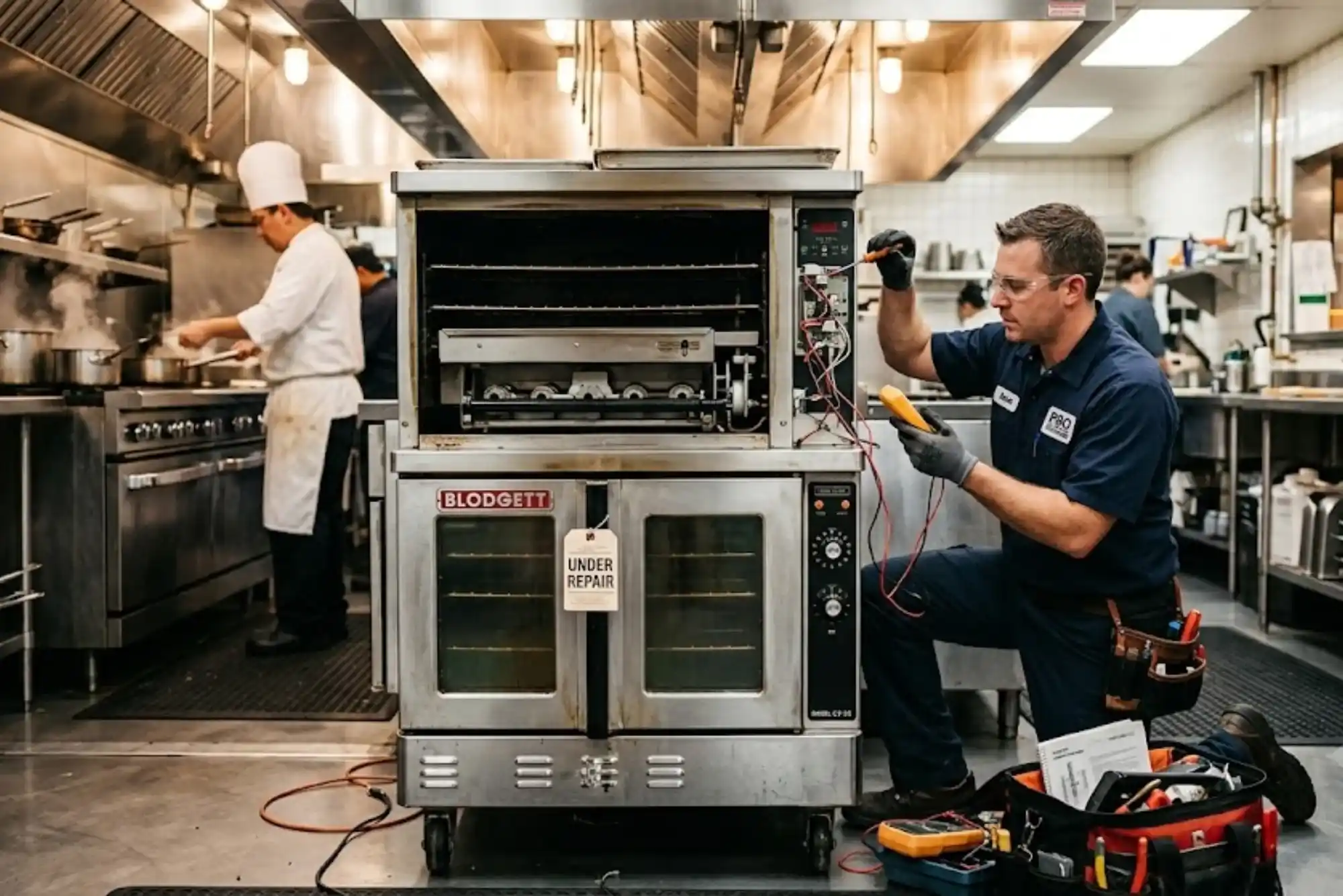
While routine cleaning can be done by tenants or staff, professional servicing should not be overlooked. Commercial ovens require inspections by qualified technicians who can identify hidden issues before they escalate.
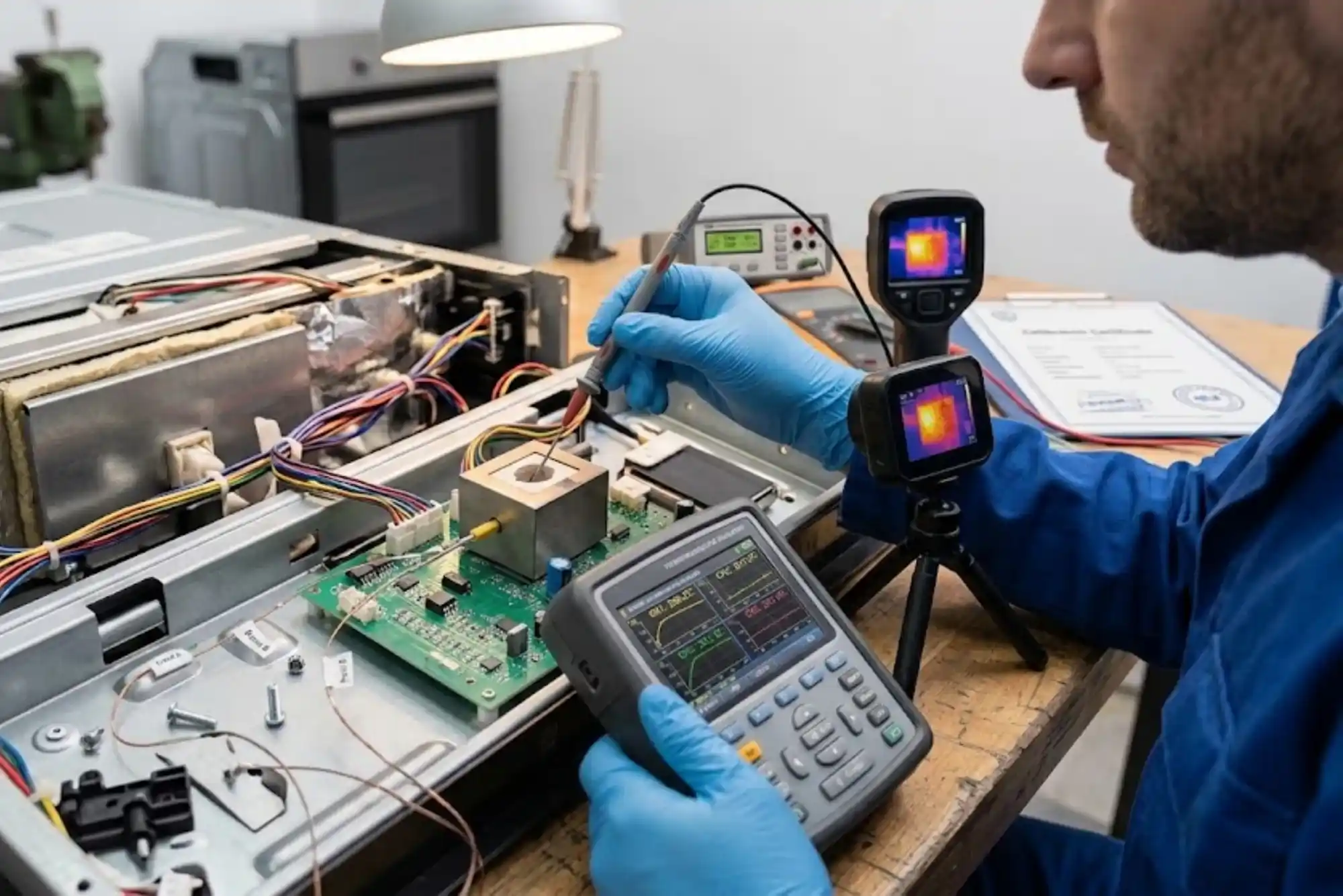
Annual or biannual servicing is recommended in rental properties with heavy usage. During these inspections, technicians typically check electrical connections, gas supply lines, thermostats, ignition systems, and safety valves. They also test temperature calibration to ensure the oven heats accurately, which is critical for both performance and energy efficiency.
Professional servicing also includes preventive maintenance, such as lubricating hinges, replacing worn gaskets, and cleaning ventilation systems. By investing in regular professional inspections, property owners avoid sudden breakdowns and ensure compliance with local safety codes.
Training Tenants on Proper Usage
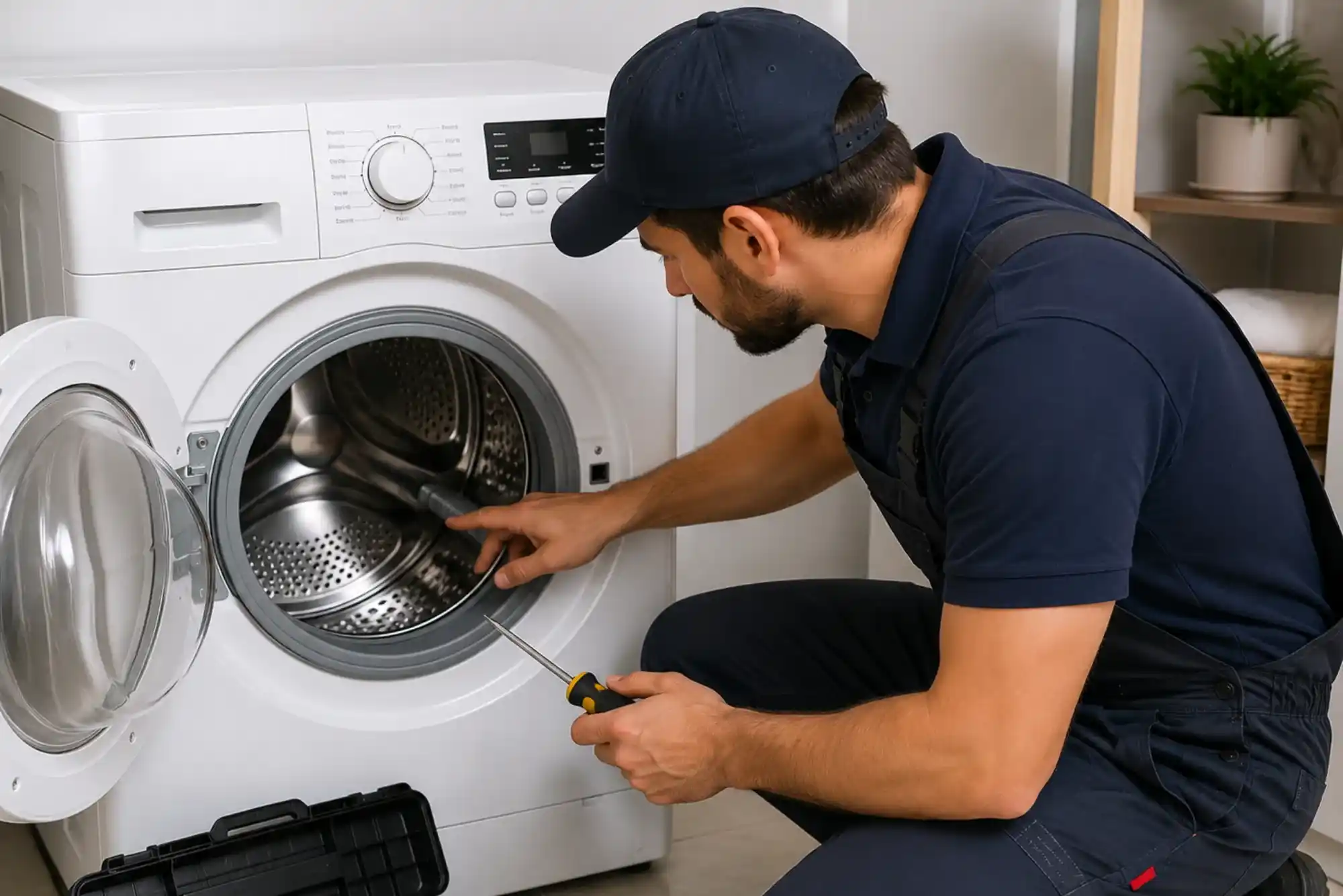
Another effective way to maintain commercial oven repair in rental properties is to provide tenants with clear guidelines on proper use. Tenants may not always be aware of best practices for handling commercial-grade appliances, which are often more complex than domestic ovens.
Providing tenants with written instructions or short training sessions can go a long way. For example, instructing tenants to avoid using harsh chemicals that damage oven interiors, reminding them to allow ovens to cool before cleaning, or showing them how to operate digital controls correctly can prevent misuse.
In commercial rental kitchens, landlords may include appliance training as part of the lease agreement. This not only reduces the risk of damage but also sets expectations for responsibility in maintaining the oven during the lease period.
The Role of Preventive Maintenance
Preventive maintenance is the cornerstone of extending the life of a commercial oven. Instead of waiting for issues to appear, landlords and property managers should implement a structured maintenance schedule.
This involves scheduling regular deep cleans, professional checkups, and filter replacements where necessary. Gas ovens, for instance, benefit from regular inspections of ventilation systems to ensure proper airflow and safe combustion. Electric ovens require monitoring of wiring and heating elements to detect early signs of failure.
Preventive maintenance minimizes downtime, reduces emergency repair costs, and creates a predictable budget for appliance care. In rental properties where appliances are part of the value proposition, this approach strengthens the property’s reputation and appeal.
Balancing Costs and Long-Term Benefits
One of the concerns landlords may have is the cost associated with maintaining commercial ovens. While regular servicing, cleaning supplies, and technician visits do incur expenses, these costs are minimal compared to the price of replacing a commercial oven or dealing with property damage caused by neglected equipment.
For example, a neglected oven with grease buildup could lead to a fire incident, causing extensive damage far beyond the cost of a routine cleaning. Similarly, frequent breakdowns frustrate tenants and can result in higher turnover rates, reducing rental income.
In contrast, well-maintained ovens last longer, perform better, and create a positive tenant experience that encourages lease renewals. Over time, the savings and benefits of proactive maintenance far outweigh the initial investment.
Partnering with Professional Repair Services
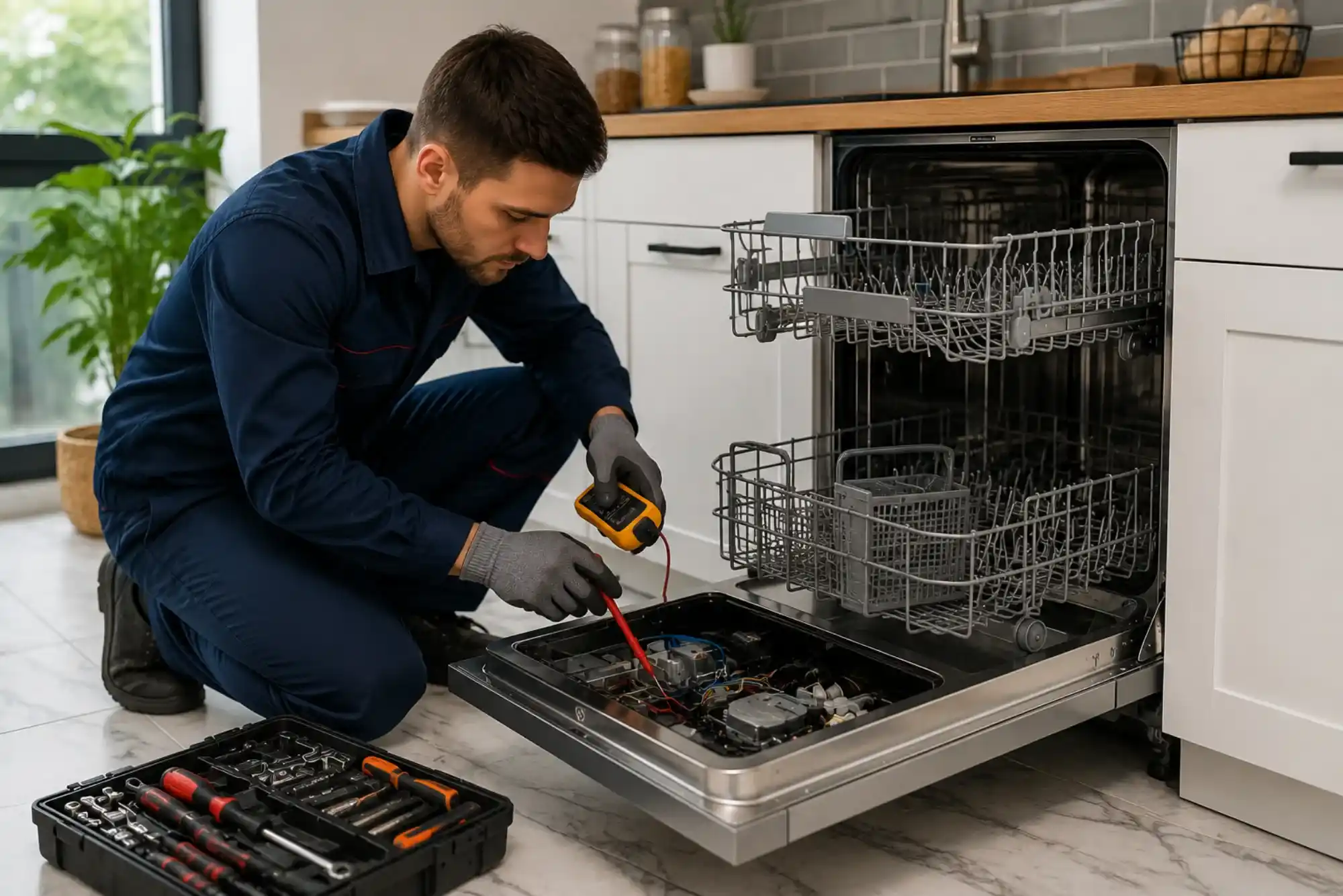
In addition to routine maintenance, property owners should establish relationships with reliable appliance repair companies. Having a trusted service provider ensures quick response times when issues arise, reducing downtime and minimizing disruption for tenants.
A professional repair company can also provide customized maintenance plans tailored to the needs of a specific rental property. Whether it is a high-traffic commercial kitchen or a smaller rental with occasional use, service providers can recommend the right frequency of inspections, cleaning schedules, and replacement parts.
By partnering with experts, landlords gain peace of mind knowing their commercial ovens are in safe hands, tenants are supported, and the property remains compliant with safety and performance standards.
Maintaining commercial ovens in rental properties is not merely a matter of keeping appliances functional; it is a strategic investment in tenant satisfaction, property value, and long-term financial stability. Through consistent cleaning, professional inspections, tenant education, and preventive maintenance, landlords can significantly extend the lifespan of their ovens while minimizing unexpected repair costs.