Gas ovens are an essential part of modern kitchens, valued for their efficiency, quick heating, and precise temperature control. However, like any appliance, they can develop issues over time. One of the most common and potentially serious problems is related to gas flow. When the flow of gas in an oven is disrupted or irregular, it can cause uneven heating, ignition failures, weak flames, or even complete shutdowns. Troubleshooting oven gas flow issues requires a combination of technical understanding, safety awareness, and professional guidance.
This article explores the causes, signs, and troubleshooting methods for oven gas flow problems while highlighting the importance of professional appliance repair services.
Understanding How Gas Ovens Work
Before troubleshooting, it is important to understand how a gas oven operates. Gas ovens rely on a steady flow of natural gas or propane, which is delivered through a regulator and controlled by valves. When the oven is turned on, the igniter heats up until it reaches the temperature needed to ignite the gas. Once the gas ignites, a consistent flame is maintained to heat the oven chamber to the desired temperature.
Any disruption in this process, such as insufficient gas supply, clogged burners, or faulty valves, can cause the oven to malfunction. By identifying where the disruption occurs, a technician can isolate the root cause of the issue.
Common Symptoms of Gas Flow Issues
Gas flow issues in ovens rarely go unnoticed. Homeowners may experience symptoms such as weak flames, delayed ignition, uneven cooking results, or strange odors. Sometimes, the oven may not ignite at all. In severe cases, these issues can indicate leaks or dangerous build-ups, making timely troubleshooting and repair critical for safety.
When troubleshooting, paying close attention to these signs allows for quicker identification of the underlying issue. Since gas appliances carry inherent risks, homeowners are strongly advised to seek professional help instead of attempting complex repairs themselves.

Causes of Oven Gas Flow Problems
Several factors can lead to gas flow disruptions in ovens. One of the most common reasons is a clogged burner orifice. Food particles, grease, or dust can block the flow of gas, leading to weak or inconsistent flames. Another frequent issue is a malfunctioning gas regulator, which fails to maintain the proper pressure needed for consistent gas supply.
Faulty igniters also play a significant role, as they may not reach the required temperature to ignite the gas, resulting in no flame or delayed ignition. In other cases, damaged gas valves or worn-out seals can prevent smooth gas flow, creating safety hazards. Low gas pressure from the supply line or leaks in the connection can further complicate the situation.
By understanding these possible causes, technicians can approach troubleshooting systematically, ruling out simple problems before addressing more complex repairs.
Troubleshooting Weak or Irregular Flames
Weak or irregular flames in a gas oven often point toward gas flow problems. A weak flame may not provide sufficient heat for cooking, leading to undercooked food. The first step in troubleshooting is to check whether the gas supply is uninterrupted. Sometimes, a partially closed valve or low gas pressure can reduce the flow of gas.
If the supply is stable, the next step involves inspecting the burner orifices for blockages. Even small debris can alter the shape and strength of the flame. Professional cleaning and maintenance often restore proper performance. However, if cleaning does not solve the issue, a deeper inspection of the regulator or gas valve is necessary.
Delayed Ignition and No Ignition Problems
One of the most concerning signs of gas flow issues is delayed ignition or a complete lack of ignition. A delay means that gas is released into the oven chamber before it ignites, which can cause small explosions when the flame finally lights. This is not only alarming but also dangerous.
Most often, this problem stems from a faulty igniter that fails to heat up adequately. Replacing the igniter usually resolves the issue. However, if the igniter is functional but the gas does not reach it, then the problem lies with the flow of gas. In such cases, technicians test the regulator, safety valves, and connections to identify restrictions or malfunctions.
Uneven Heating and Cooking Performance
Another common result of gas flow disruptions is uneven cooking. Homeowners may notice that one side of the oven cooks faster than the other or that certain dishes remain undercooked despite extended cooking times. These issues typically arise when the gas burners do not distribute flames evenly due to partial blockages or inconsistent pressure.
In professional troubleshooting, technicians clean burners, adjust gas regulators, and ensure that seals and connections are tight. In some cases, replacing worn parts such as burner heads or seals is necessary to restore full performance.
The Role of Professional Technicians
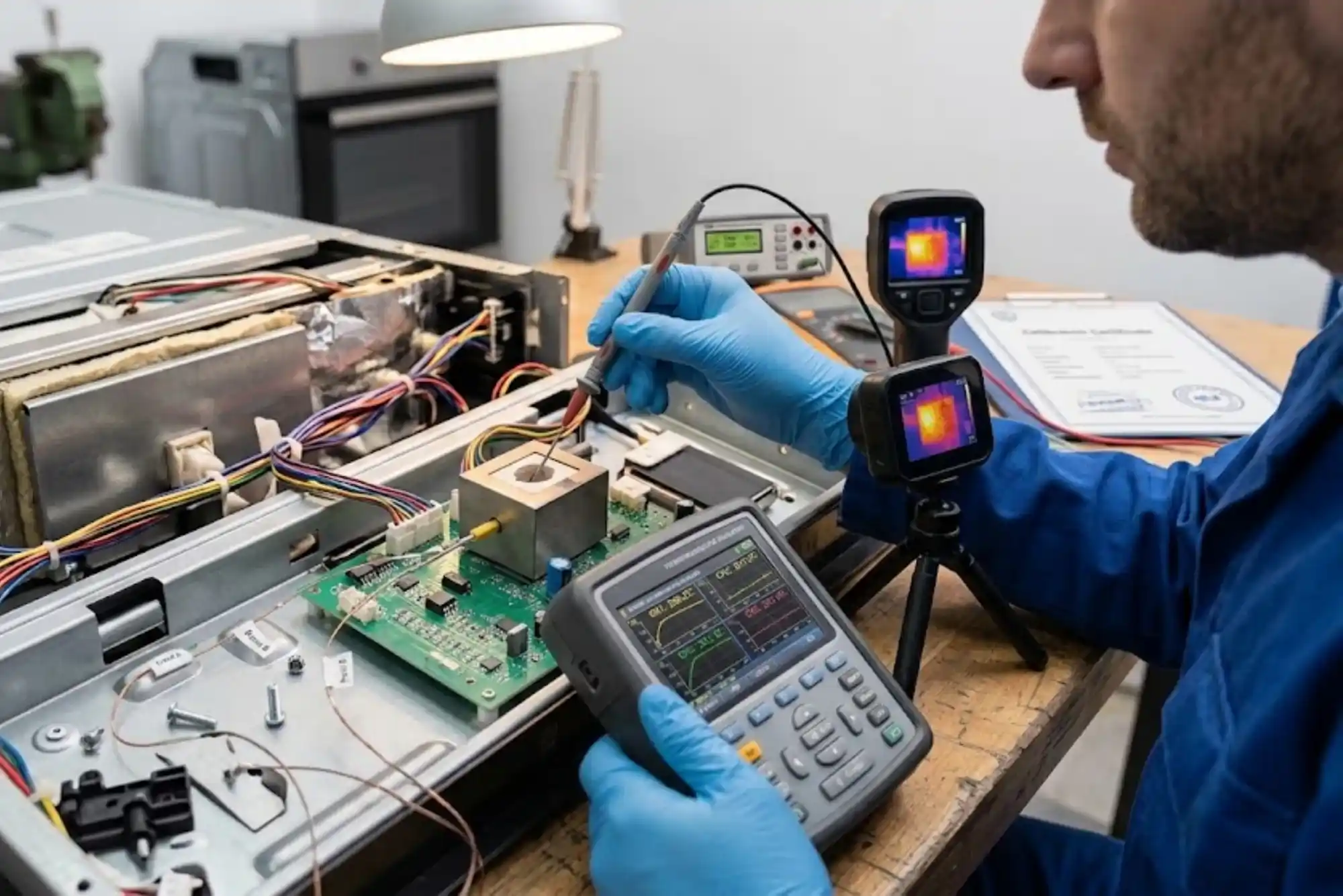
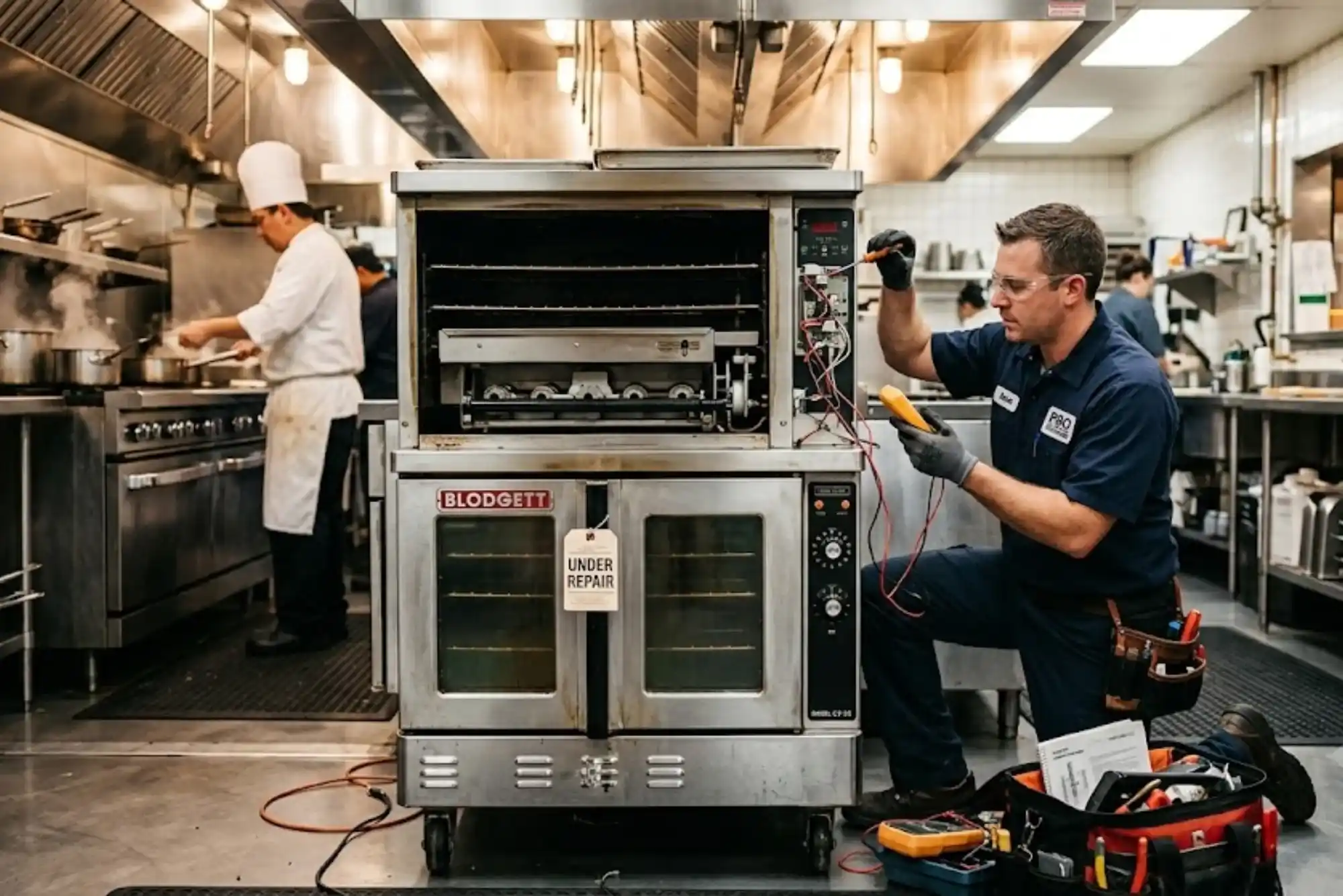
While some homeowners attempt basic cleaning or valve checks, troubleshooting oven gas flow issues is best handled by professionals. Certified appliance repair technicians use specialized tools such as manometers to test gas pressure, leak detectors to check for escaping gas, and diagnostic methods to identify faulty components.
More importantly, professionals ensure safety during repairs. Working with gas appliances involves the risk of leaks, fire, and carbon monoxide exposure. Without proper training, homeowners may inadvertently make the problem worse. A professional technician not only restores the oven to full functionality but also ensures compliance with safety standards.
Preventive Maintenance for Gas Ovens
Preventive maintenance plays a vital role in avoiding recurring gas flow problems. Scheduling regular inspections helps catch small issues before they escalate into costly repairs. Technicians clean burners, check valves and regulators, and ensure that seals are intact. For homeowners, routine cleaning of the oven interior and burners helps minimize blockages.
Additionally, monitoring for unusual odors, flame changes, or ignition delays allows early intervention. Replacing worn components such as igniters or seals at the first sign of malfunction prevents long-term damage.
Safety Concerns with Gas Flow Issues
Gas appliances must always be handled with care. Poor gas flow can sometimes indicate leaks, which pose significant risks to both health and property. Natural gas leaks may lead to fire hazards, while propane leaks can create explosive environments in enclosed spaces. Carbon monoxide, a colorless and odorless gas, can also result from incomplete combustion.
When troubleshooting gas ovens, safety should always come first. Homeowners should immediately turn off the gas supply if they suspect a leak and contact a professional repair service. Attempting to troubleshoot complex issues without expertise increases the danger of accidents.
Why Professional Oven Repair Services Matter
For many households, the oven is used daily, and downtime can be disruptive. Professional oven repair services not only restore the appliance quickly but also extend its lifespan. By addressing gas flow issues comprehensively, technicians ensure reliable performance, energy efficiency, and most importantly, safety.
Choosing a trusted service provider guarantees that the job is done correctly the first time. This saves homeowners time, money, and the stress of repeated breakdowns. Whether the issue is a faulty regulator, blocked burner, or worn-out igniter, professional expertise ensures long-term solutions.
Oven gas flow issues are among the most critical problems homeowners may face with their kitchen appliances. From weak flames to delayed ignition and uneven heating, these issues disrupt cooking and pose serious safety risks. Troubleshooting requires an understanding of how gas ovens work, recognition of the symptoms, and identification of the underlying causes.