Modern ovens, whether conventional or microwave-based, rely on a network of electrical and electronic components to deliver consistent heating performance. At the heart of this system is the transformer—a device that manages the conversion of voltage to appropriate levels required by different sections of the appliance. When the transformer fails, the oven may display a range of problems, from total power loss to irregular heating cycles. Understanding how to diagnose oven transformer failures is therefore essential for technicians, maintenance professionals, and even advanced DIY enthusiasts aiming to ensure reliable appliance performance.
Diagnosing transformer issues requires not only technical knowledge of electrical systems but also an appreciation for safety and precision. Unlike simple switches or visible wiring defects, transformer faults are often concealed, manifesting in subtle performance issues or silent breakdowns that can complicate repair work. This article will explore in depth how transformers work in ovens, the common signs of failure, the diagnostic steps involved, and the safety practices that must accompany any inspection.
The Role of Transformers in Oven Functionality
Transformers in ovens serve a very specific purpose: they step voltage up or down to match the requirements of particular components. In microwaves, for instance, a high-voltage transformer supplies energy to the magnetron, which generates microwave radiation for heating food. In conventional electric ovens, lower-voltage transformers may support control circuits, timers, or digital displays.
A transformer operates on the principle of electromagnetic induction, transferring electrical energy between two windings (primary and secondary coils) without direct electrical contact. This makes it a vital intermediary that ensures delicate control systems and heavy-duty heating elements alike receive the correct voltage.
When the transformer malfunctions, it can compromise multiple oven subsystems. An accurate diagnosis must therefore begin with a solid understanding of how the transformer integrates into the appliance’s architecture.
Recognizing Symptoms of a Failing Transformer
Transformer problems rarely present themselves in isolation. Instead, they emerge as symptoms that appear throughout the oven’s functionality. Among the most common are total power outages, unusual humming noises, burning smells, or intermittent heating failures. In microwaves, a defective transformer may result in the magnetron receiving insufficient voltage, leading to weak or no heating at all.

Electrical indicators can be equally telling. Circuit breakers may trip repeatedly when the oven is in use, pointing to short circuits or excessive current draw inside the transformer windings. Users may also notice fluctuating brightness on the oven’s display panel, which could signify inconsistent voltage regulation.
For a technician, these symptoms are the initial clues, much like a physician observing surface signs before conducting a deeper medical investigation. While none of these alone confirm transformer failure, taken together they form a strong basis for more detailed electrical testing.
Safety Considerations Before Diagnosis
Before diving into technical testing, safety must always be the foremost priority. Transformers in ovens, especially in microwave units, deal with dangerously high voltages. Capacitors connected to transformers can store lethal charges even after the oven has been unplugged.
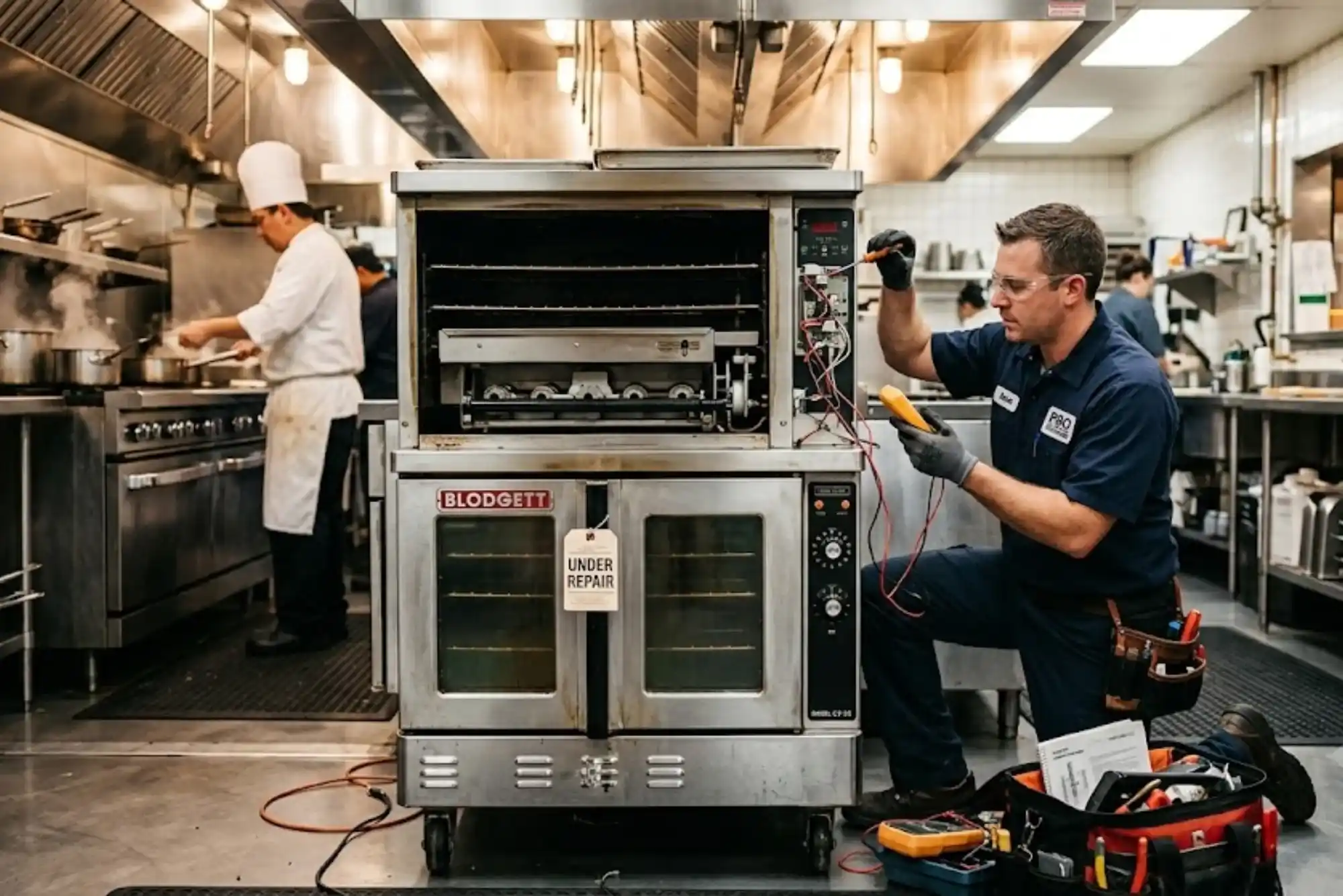
A responsible diagnostic procedure begins by disconnecting the oven from its power supply and discharging capacitors safely using a properly rated resistor and insulated tools. Personal protective equipment—such as insulated gloves, eye protection, and non-conductive footwear—should be considered mandatory.
The working environment also matters. A clean, dry, and well-lit workspace reduces the risks of accidental slips or misjudgments. For technicians working in commercial environments, lockout/tagout (LOTO) procedures should be followed rigorously to ensure no accidental power restoration occurs during inspection.
Visual Inspection of the Transformer
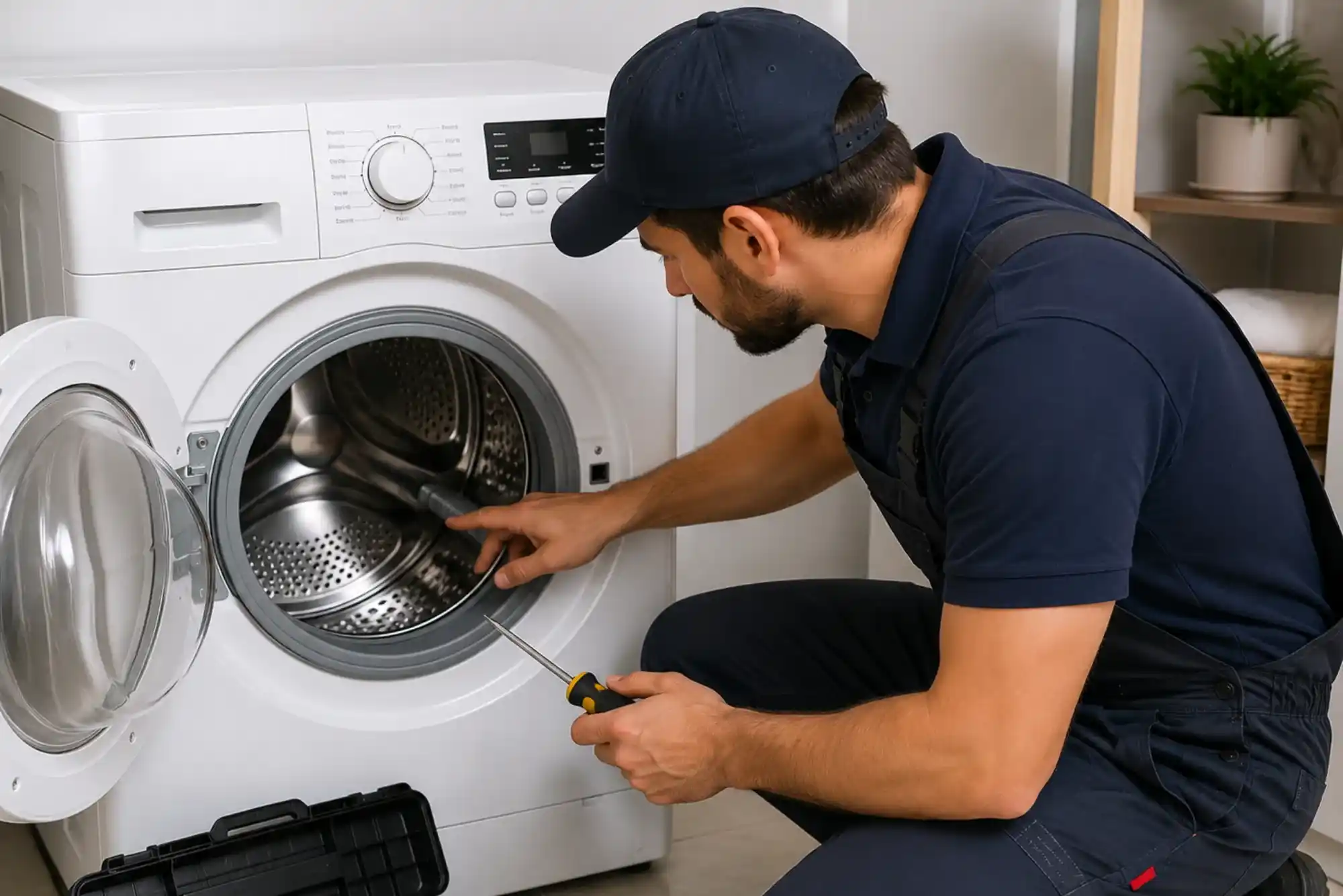
The diagnostic process often begins with visual inspection. Although not all transformer failures are visible, many provide external evidence. Signs of overheating, such as charred insulation, melted plastic housings, or burn marks on the circuit board, are strong indicators of internal failure. Swollen or cracked casings may suggest that internal windings have shorted or overheated.
Loose connections or frayed wires feeding into the transformer should also be investigated. These external issues can mimic transformer faults, and repairing them may restore proper functionality without requiring full transformer replacement.
A technician should also listen carefully during operation. A low hum is normal for most transformers, but loud buzzing or rattling often indicates loose laminations or degraded windings. This auditory evidence, combined with physical examination, narrows down the scope of possible issues before electrical tests are applied.
Electrical Testing Methods
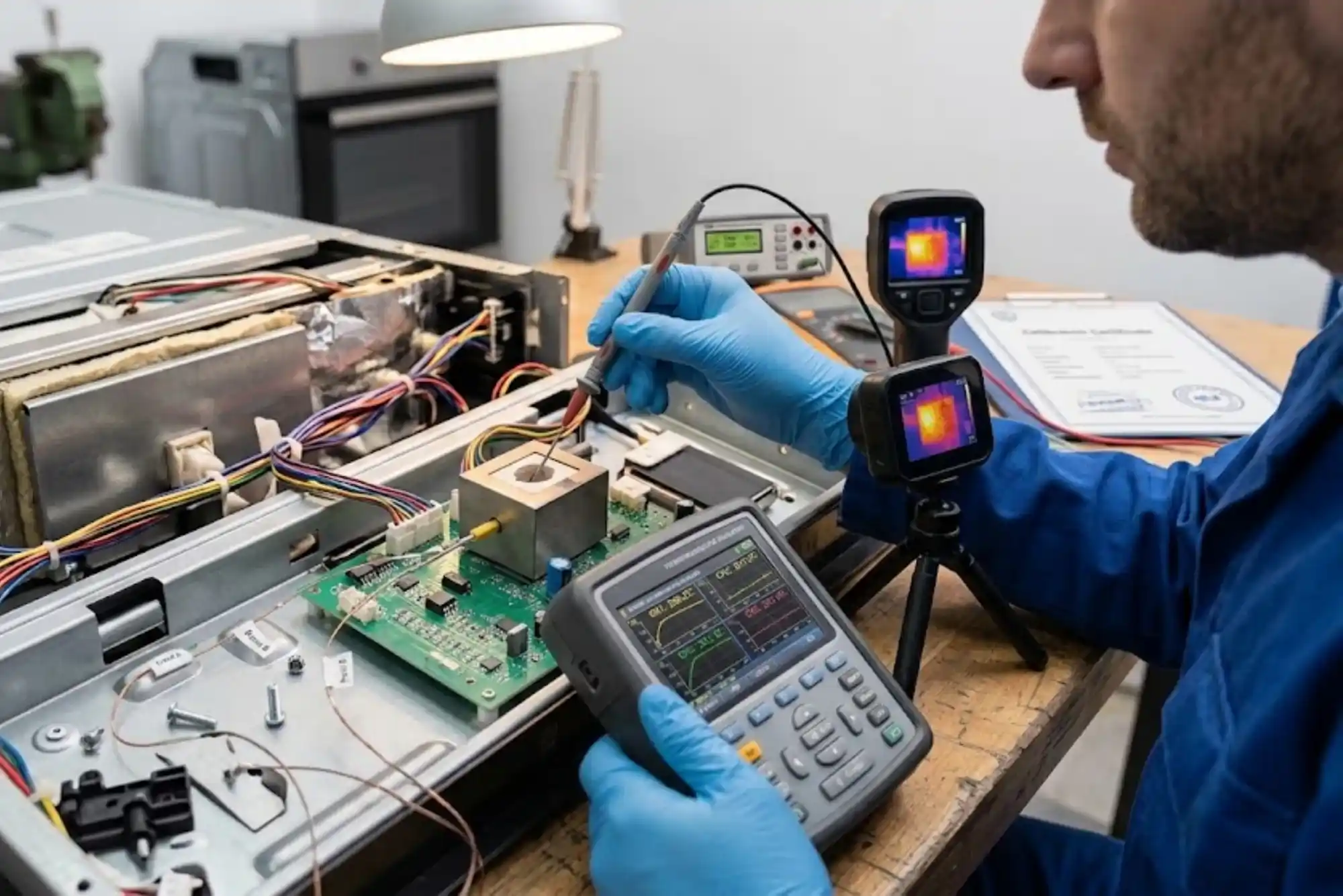
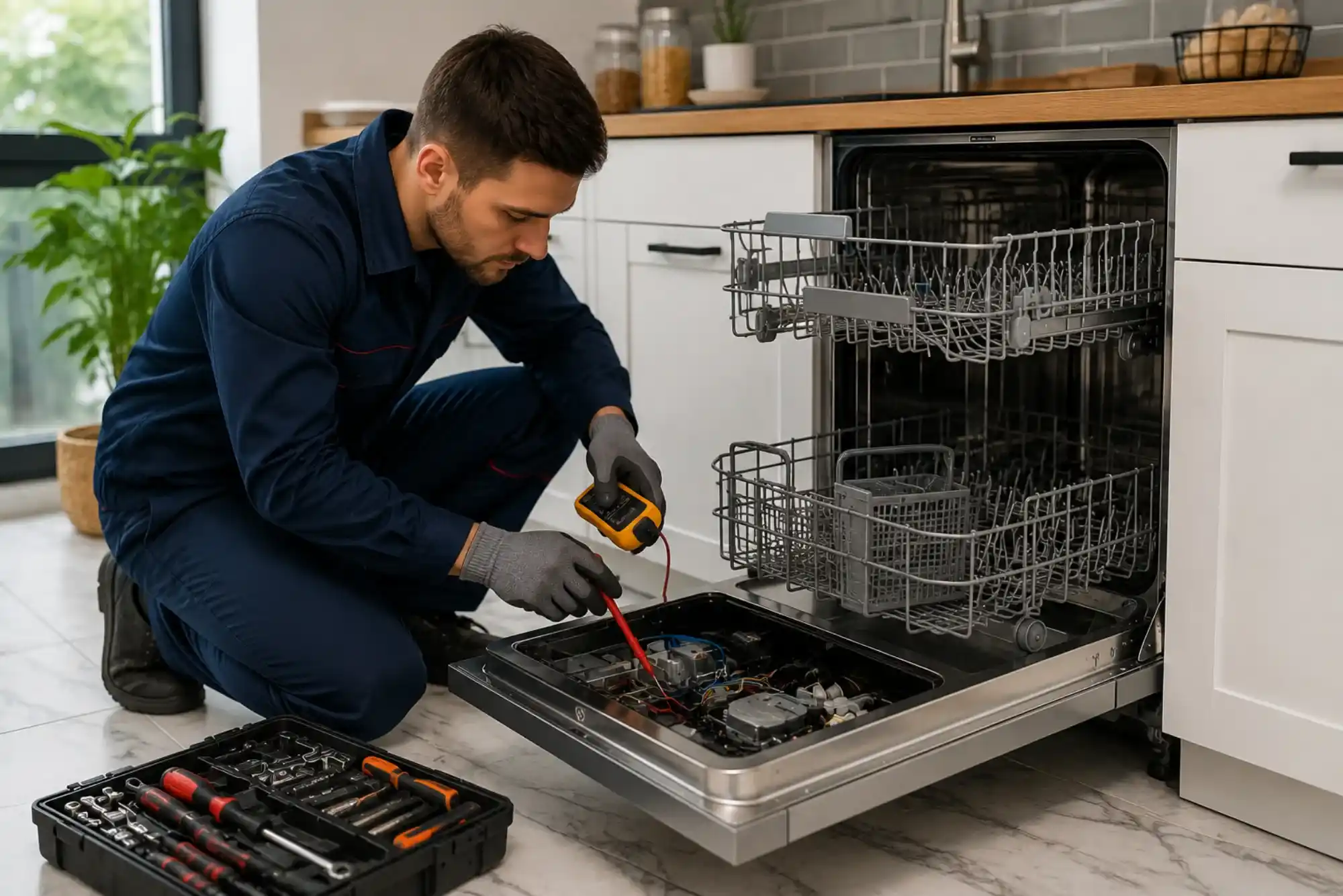
Once preliminary observations have been made, the next step involves systematic electrical testing. A multimeter is the primary diagnostic tool for assessing transformer health.
The first test usually involves continuity checks. By placing the multimeter probes across the primary and secondary windings, the technician can confirm whether the circuits remain intact. An open reading suggests a broken winding, while near-zero resistance can indicate a short circuit.
The resistance values themselves offer diagnostic insights. Primary windings typically display higher resistance than secondary windings, reflecting their difference in coil length and gauge. Any deviation from manufacturer-specified resistance values indicates degradation.
Insulation resistance testing, performed with a megohmmeter, provides further assurance of transformer integrity. This test checks whether the insulation between windings and the core is still effective. Low insulation resistance can lead to leakage currents, posing both performance and safety hazards.
For high-voltage microwave transformers, technicians may also perform load tests, measuring output voltage under controlled conditions. However, due to the risks involved, such tests should only be attempted with specialized equipment and expertise.
Differentiating Transformer Failures from Related Issues
A critical challenge in diagnosing oven transformer failures lies in distinguishing them from faults in related components. For example, in microwave ovens, the magnetron, high-voltage capacitor, or rectifier diode may also cause heating problems that resemble transformer issues. Similarly, in conventional ovens, a faulty control board can mimic the effects of transformer failure.
The solution lies in methodical isolation. By testing each component individually, technicians can confirm whether the transformer is genuinely at fault or if the issue originates elsewhere. Substitution testing, where a suspected faulty component is temporarily replaced with a known working equivalent, can be highly effective in this context.
The Role of Thermal Stress and Overloading
Understanding why transformers fail is just as important as confirming that they have failed. Among the most common causes are thermal stress and overloading. Transformers generate heat during normal operation, but insufficient ventilation or prolonged high loads can accelerate insulation breakdown and winding degradation.
In microwave ovens, extended cooking cycles at high power levels place immense stress on the transformer. Over time, this leads to insulation cracking, short circuits, and eventual transformer burnout. In conventional ovens, surges in household electrical supply can overload the transformer, reducing its lifespan.
Recognizing these underlying causes is essential, not just for immediate repair but for preventing recurrence. Improving ventilation, ensuring correct fuse ratings, and educating users about responsible appliance operation all contribute to longer transformer life.
Deciding Between Repair and Replacement
Once a transformer fault has been positively diagnosed, the question of repair versus replacement arises. In most cases, oven transformers are not designed for easy rewinding or internal repair. Safety certifications and manufacturer standards require that defective units be replaced entirely.
However, in specialized contexts where custom-built ovens or rare models are involved, rewinding or refurbishing may be considered by skilled technicians. This requires advanced tools and expertise to ensure the restored transformer meets the original specifications.
For the majority of domestic and commercial ovens, replacement is both safer and more economical. Choosing original manufacturer parts or high-quality certified replacements ensures the repaired appliance returns to reliable service.
Preventive Maintenance and Early Detection
Preventive strategies can significantly reduce the risk of transformer failure. Regular servicing that includes cleaning dust and grease from ventilation pathways, inspecting electrical connections, and testing transformer resistance values can catch early signs of trouble.
Educating users on responsible oven operation—such as avoiding frequent high-power cycles in microwaves or ensuring stable electrical supply in areas prone to surges—also plays an important role. By combining preventive maintenance with informed usage, the lifespan of oven transformers can be extended substantially.
The Professional Responsibility in Diagnosis
Ultimately, diagnosing oven transformer failures is not merely a technical exercise but also a professional responsibility. Appliances operate in homes, restaurants, and workplaces, where safety and reliability are paramount. A misdiagnosis can lead to unnecessary expense for the owner, or worse, leave a hazardous condition unaddressed.
By applying systematic methods—beginning with symptom recognition, advancing through safe inspection and testing, and concluding with informed decision-making—technicians uphold both technical and ethical standards. Every diagnosis is an opportunity to reinforce trust between service providers and users, ensuring that ovens remain dependable fixtures in daily life.
Oven transformer failures present a complex but manageable diagnostic challenge. These components, while hidden from daily view, play an indispensable role in ensuring the safe and efficient operation of modern ovens. Recognizing the symptoms, respecting safety protocols, applying rigorous electrical tests, and making informed repair or replacement decisions form the foundation of professional transformer diagnostics.
As ovens continue to integrate advanced electronic features and higher efficiency standards, the importance of transformer reliability will only increase. By mastering the diagnostic process, technicians not only resolve immediate faults but also contribute to the broader goal of safe, sustainable, and long-lasting appliance operation.