When your oven suddenly stops working, it can disrupt your entire household routine. Whether you rely on it for daily cooking, baking, or even reheating, a faulty oven quickly turns into a major inconvenience. At that point, the question arises: should you attempt to fix the problem yourself, or should you call in a professional oven repair technician? The answer is not always straightforward, as both options come with unique benefits and potential downsides. Understanding the pros and cons of DIY versus professional oven repair is essential for making an informed decision that ensures safety, efficiency, and long-term appliance performance.
The Rise of DIY Appliance Repair
With the abundance of online tutorials, repair forums, and instructional videos, many homeowners feel empowered to try their hand at fixing appliances on their own. Searching online for a quick solution to an oven problem can be tempting, especially if you believe the issue is small and manageable. A loose wire, a burnt heating element, or a malfunctioning thermostat may appear to be simple problems you can handle with basic tools. The DIY route can often feel cost-effective, giving a sense of accomplishment when the repair is successful.
However, ovens are far more complex than they seem. They contain electrical circuits, sensitive wiring, and sometimes gas connections, depending on the model. Without proper expertise, attempting a repair could lead to safety risks such as electrical shocks, gas leaks, or fire hazards. While DIY repairs appeal to those wanting to save money and time, they require caution and an honest assessment of one’s technical skills.
Advantages of DIY Oven Repair
The biggest attraction of DIY oven repair is cost-saving. Hiring a professional technician usually comes with labor charges, service fees, and the cost of replacement parts. By handling the repair yourself, you might only spend on the necessary part, which can reduce expenses significantly. Another benefit is immediate action. Instead of waiting for a service appointment, you can start diagnosing the issue as soon as the oven malfunctions. For homeowners who enjoy hands-on work and problem-solving, fixing the oven can even be a rewarding experience.
DIY repair also provides learning opportunities. Every repair attempt adds to your knowledge and confidence, which may help in handling minor appliance issues in the future. For instance,Post Category, once you learn to identify a faulty heating element, replacing it in the future becomes easier. For people who enjoy tinkering with appliances, the process itself can feel satisfying.
Drawbacks of DIY Oven Repair
Despite the appeal, DIY oven repair comes with considerable risks. Safety is the most critical concern. Ovens involve high voltage electricity and, in gas ovens, combustible fuel. Even a small mistake can result in severe accidents. Without proper training, you may misdiagnose the problem, replace the wrong part, or damage other components during the process.

Another drawback is the lack of warranty. If your oven is still under manufacturer warranty, attempting to fix it yourself might void that coverage. Professional repair services usually ensure that warranty remains valid because certified technicians follow approved procedures. Additionally, DIY solutions can sometimes provide only temporary fixes. While you may get your oven working again, hidden issues may continue to worsen, leading to costlier repairs later.
In some cases, the repair may not be successful at all, leaving you frustrated and eventually having to call a technician anyway. This not only wastes time but may also increase costs, as professionals often need to undo incorrect repairs before addressing the original issue.
The Value of Professional Oven Repair
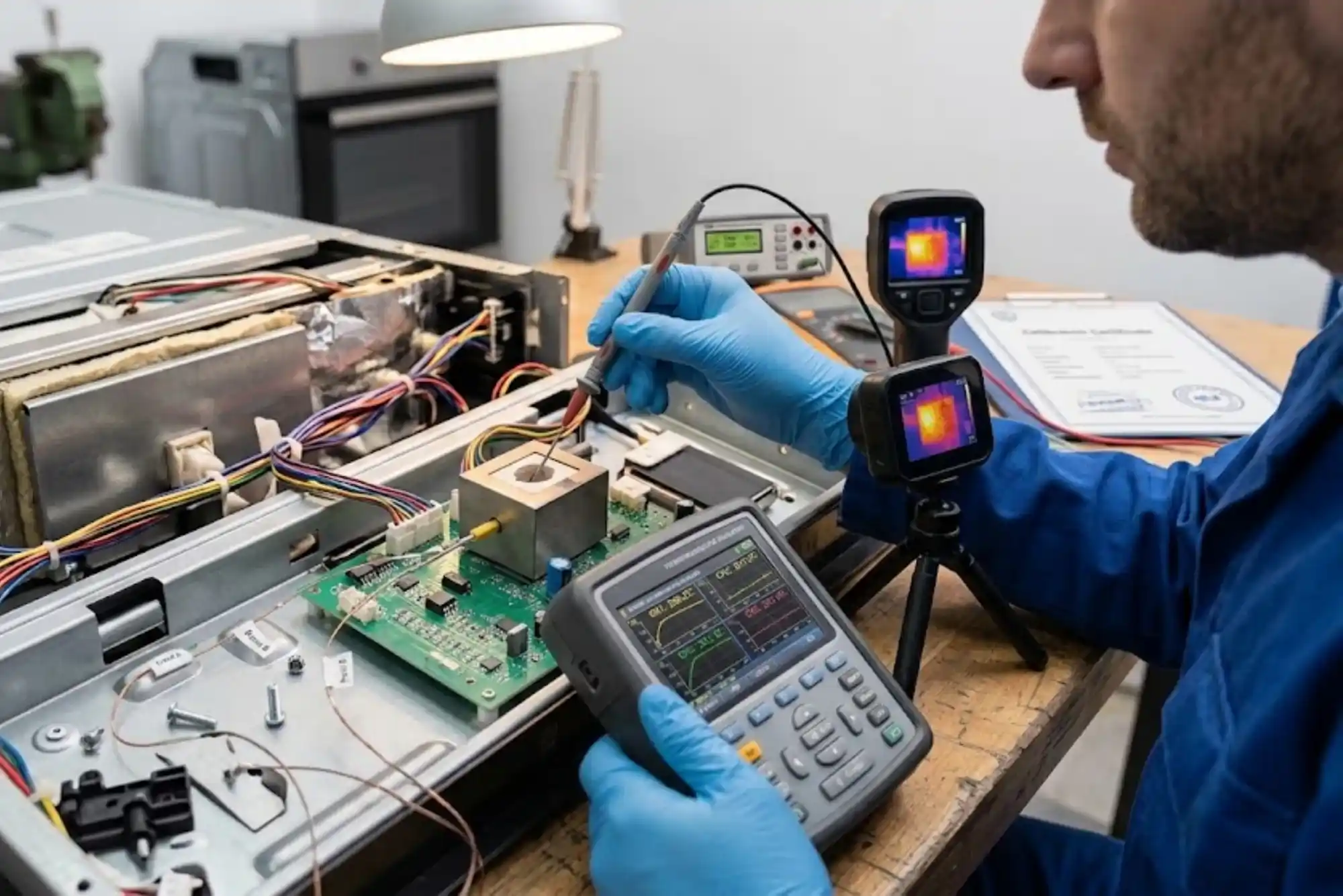
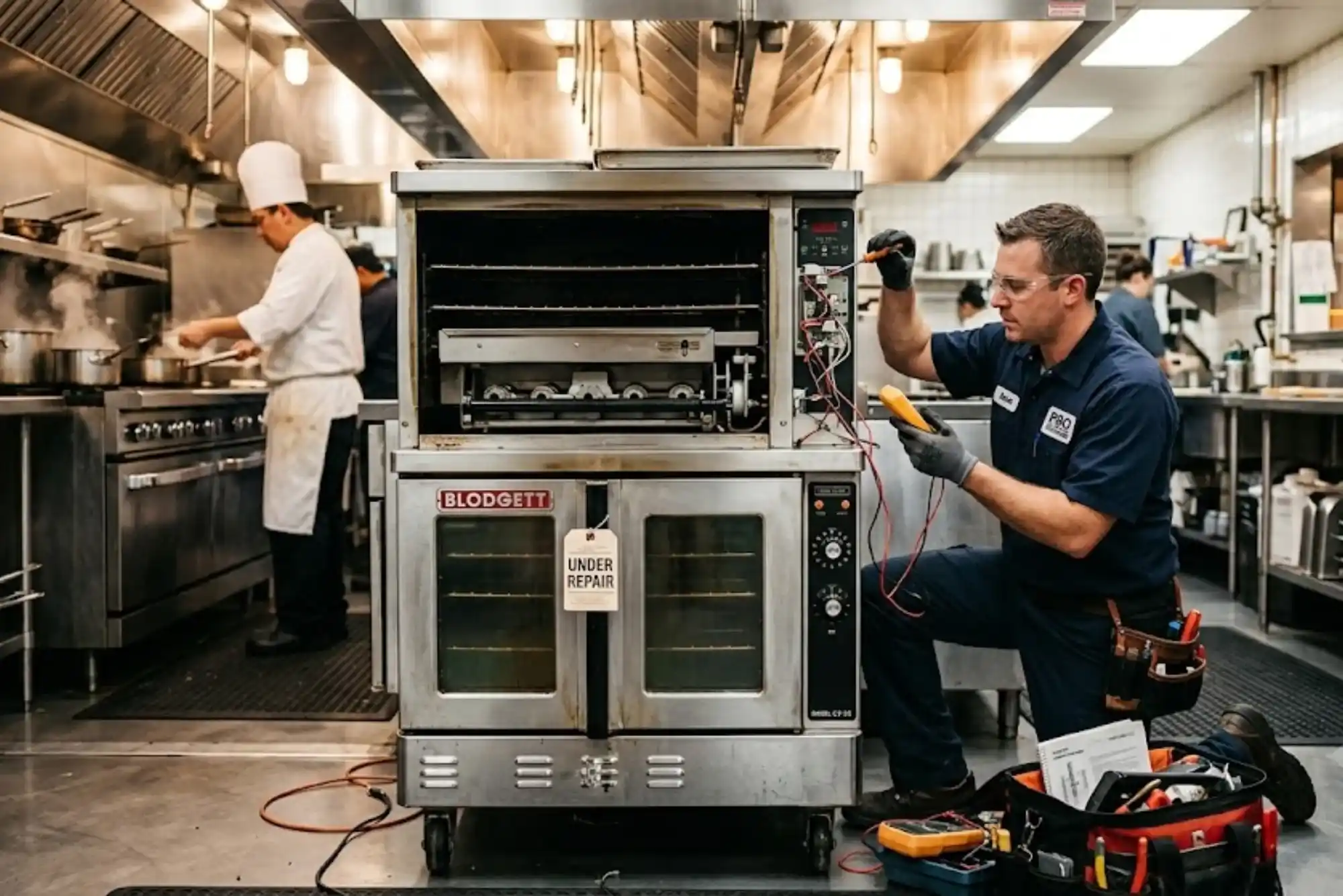
Professional oven repair services exist for a reason: they bring expertise, safety, and reliability to the process. Technicians are trained to identify problems accurately and solve them efficiently. They have the right tools, replacement parts, and knowledge of different oven models, from older units to the latest smart appliances. Unlike DIY repair, professional work ensures a long-lasting solution and minimizes the chance of recurring issues.
When you hire a professional, you also benefit from accountability. Reputable repair companies often provide warranties on both labor and parts. This means if the same issue arises shortly after the repair, it will be addressed without additional cost. For busy households, the convenience of calling a professional also cannot be overstated. Instead of spending hours researching, troubleshooting, and attempting a risky fix, you can rely on an expert to restore your oven to full function quickly.
Benefits of Hiring a Professional
One of the most important advantages is safety. Professional technicians are trained to handle both electrical and gas ovens without compromising your household’s safety. They follow industry standards and use proper diagnostic tools to ensure the repair is not only effective but also secure.
Accuracy is another significant benefit. Technicians are skilled at pinpointing the root cause of an issue. For example, an oven that fails to heat properly might have several potential causes, from a faulty igniter to a broken thermostat. A professional can distinguish between these quickly, saving you from unnecessary part replacements.
Professional repair also saves time and stress. What may take you an entire weekend of trial and error could be solved in a single visit by an experienced technician. This efficiency helps minimize downtime in your kitchen, ensuring you can return to your normal cooking routine as soon as possible.
Potential Downsides of Professional Repair
While professional services provide peace of mind, they are not without drawbacks. The most obvious is cost. Labor charges, diagnostic fees, and the price of replacement parts can add up quickly. For some homeowners, especially those with older ovens nearing the end of their lifespan, the repair cost may feel difficult to justify compared to buying a new appliance.
Another possible downside is scheduling. Depending on demand, you may have to wait a day or two for an appointment, which can be inconvenient if you rely heavily on your oven. Additionally, while most professionals are trustworthy, the quality of service can vary. Choosing an inexperienced or unlicensed technician could result in unsatisfactory repairs. That’s why it’s crucial to research repair services, read reviews, and select a company with a strong reputation.
Weighing the Decision: DIY or Professional?
The choice between DIY and professional oven repair ultimately depends on the nature of the problem, your technical skill level, and your willingness to take risks. If the issue is minor and well-documented, and you feel confident in handling basic tools safely, a DIY approach might be worth attempting. Simple tasks such as replacing a light bulb, resetting a tripped breaker, or tightening a loose knob are within reach for many homeowners.
However, when the issue involves electrical wiring, gas lines, or advanced components, the risks of DIY repair outweigh the benefits. In such cases, hiring a professional is the safer and more effective choice. Not only does it protect your appliance, but it also ensures the safety of your household. Considering the long-term costs, professional repair can be a better investment, as it prevents recurring problems and extends the lifespan of your oven.
Oven repair decisions should never be taken lightly. While DIY repairs can seem attractive due to cost savings and the convenience of immediate action, they carry significant risks if attempted without proper knowledge. Professional oven repair, on the other hand, offers safety, reliability, and peace of mind, though often at a higher cost. The best approach is to carefully evaluate the situation, consider the complexity of the issue, and weigh the pros and cons honestly.