A washing machine that refuses to spin out water can quickly turn your laundry routine into a frustrating task. You may find your clothes dripping wet even after a full wash cycle, or notice that the machine simply stops midway without completing the spin phase. This issue can arise due to several internal malfunctions or operational errors. Understanding why your washing machine fails to spin water effectively is crucial to prevent further damage and ensure your appliance performs efficiently.
Understanding the Spin Cycle
The spin cycle is one of the final stages of the washing process. During this phase, the drum rotates at high speed to extract water from clothes using centrifugal force. The faster the drum spins, the more water is expelled, reducing drying time. When your washing machine fails to spin, it’s usually because a component involved in this cycle isn’t functioning properly. Problems may lie in the motor, belt, lid switch, drain system, or even the load distribution inside the drum.
A malfunction in the spin cycle not only leaves clothes soaking wet but can also signal a deeper mechanical or electrical problem that, if ignored, can lead to expensive repairs later.
Power and Control System Issues
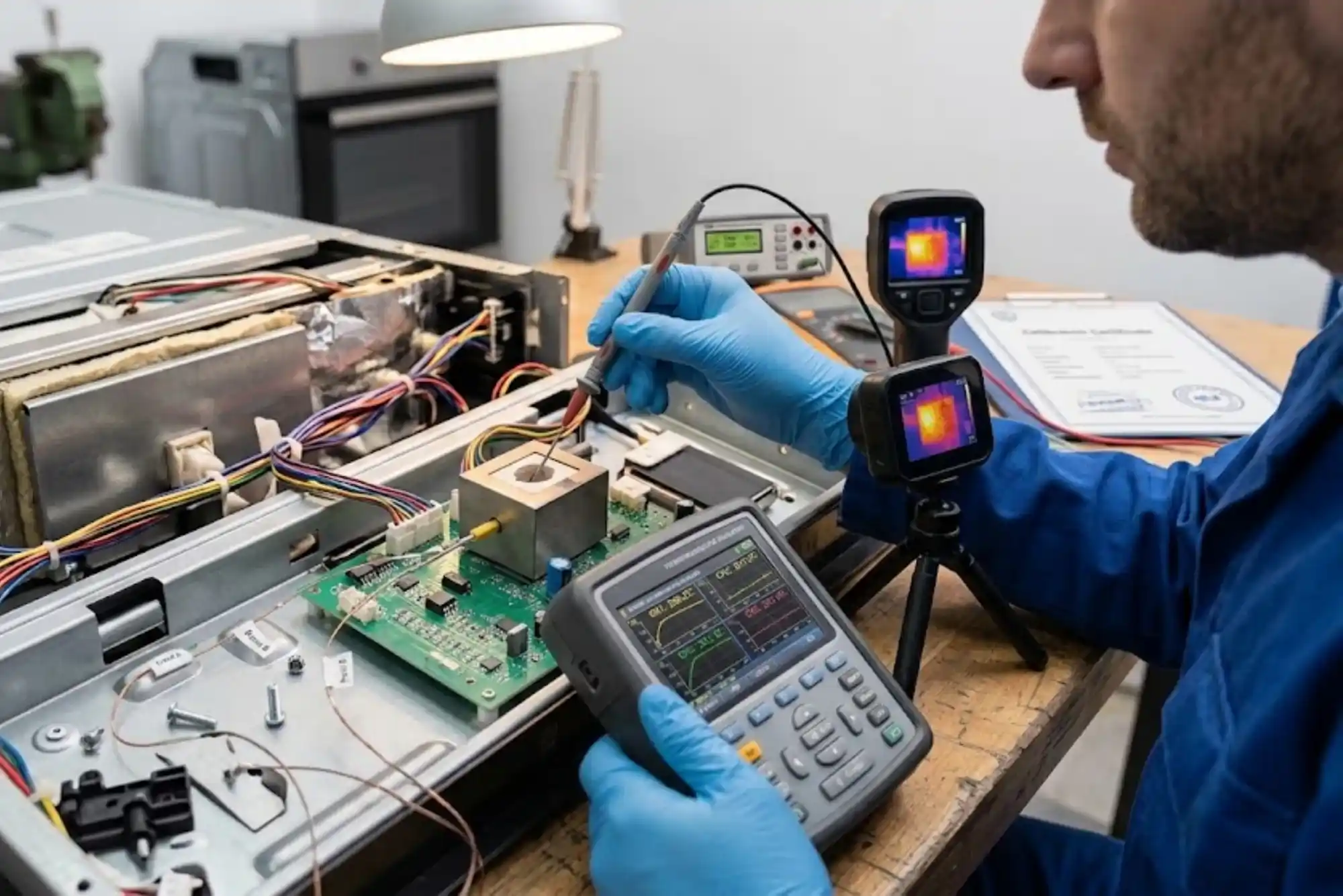
Before assuming a major fault, it’s important to ensure your washing machine is receiving adequate power. Sometimes, unstable power supply, tripped breakers, or faulty wiring can prevent the motor from initiating the spin function. Similarly, modern washing machines rely heavily on electronic control boards that send signals to various components. If the control board is defective or the sensors malfunction, the washing cycle may halt prematurely.
A minor electronic glitch or a damaged wire connection can disrupt communication between the motor and control panel, resulting in a failure to spin. In such cases, it’s best to have a professional technician inspect and test the circuitry to avoid further complications.
Faulty Lid Switch or Door Lock
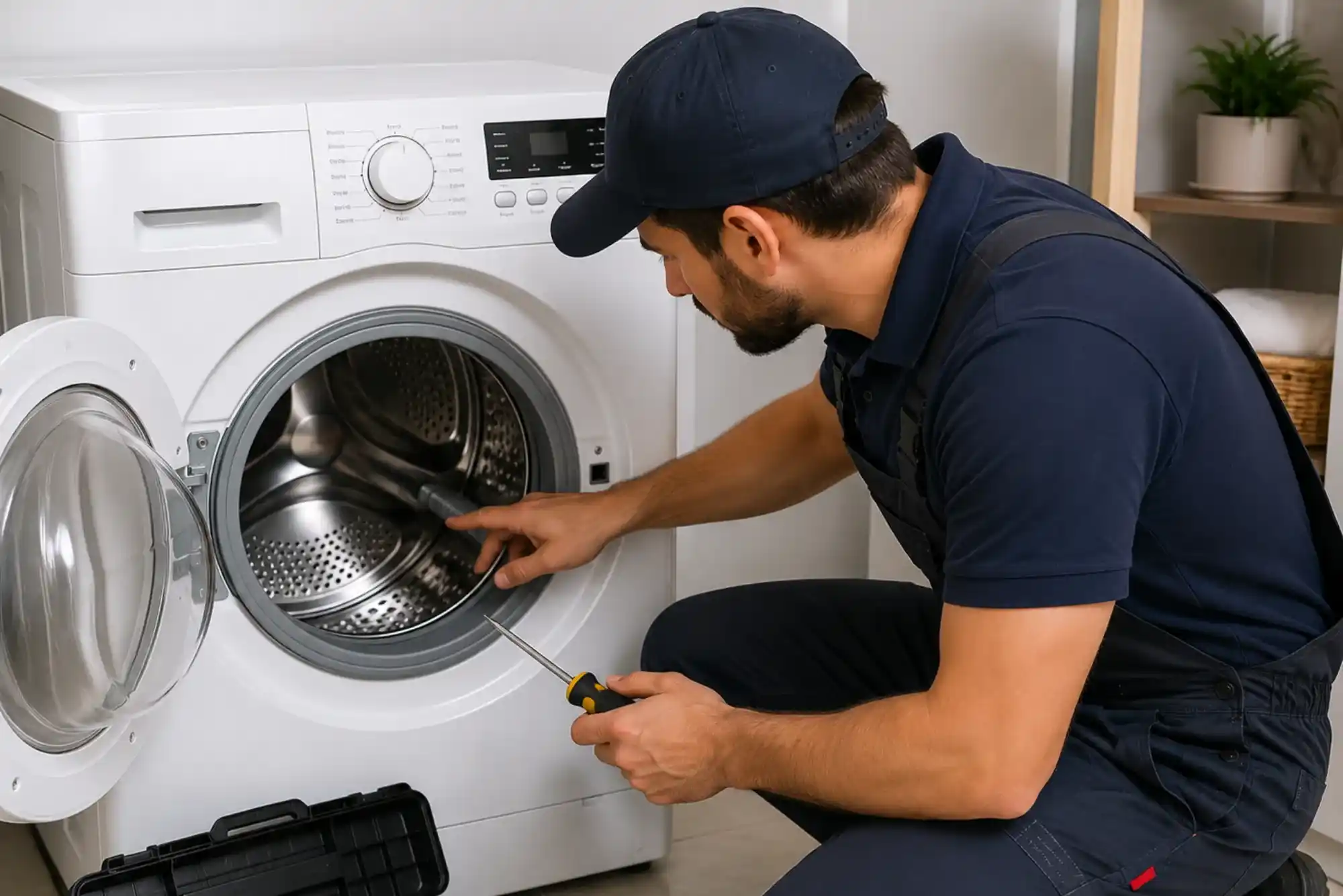
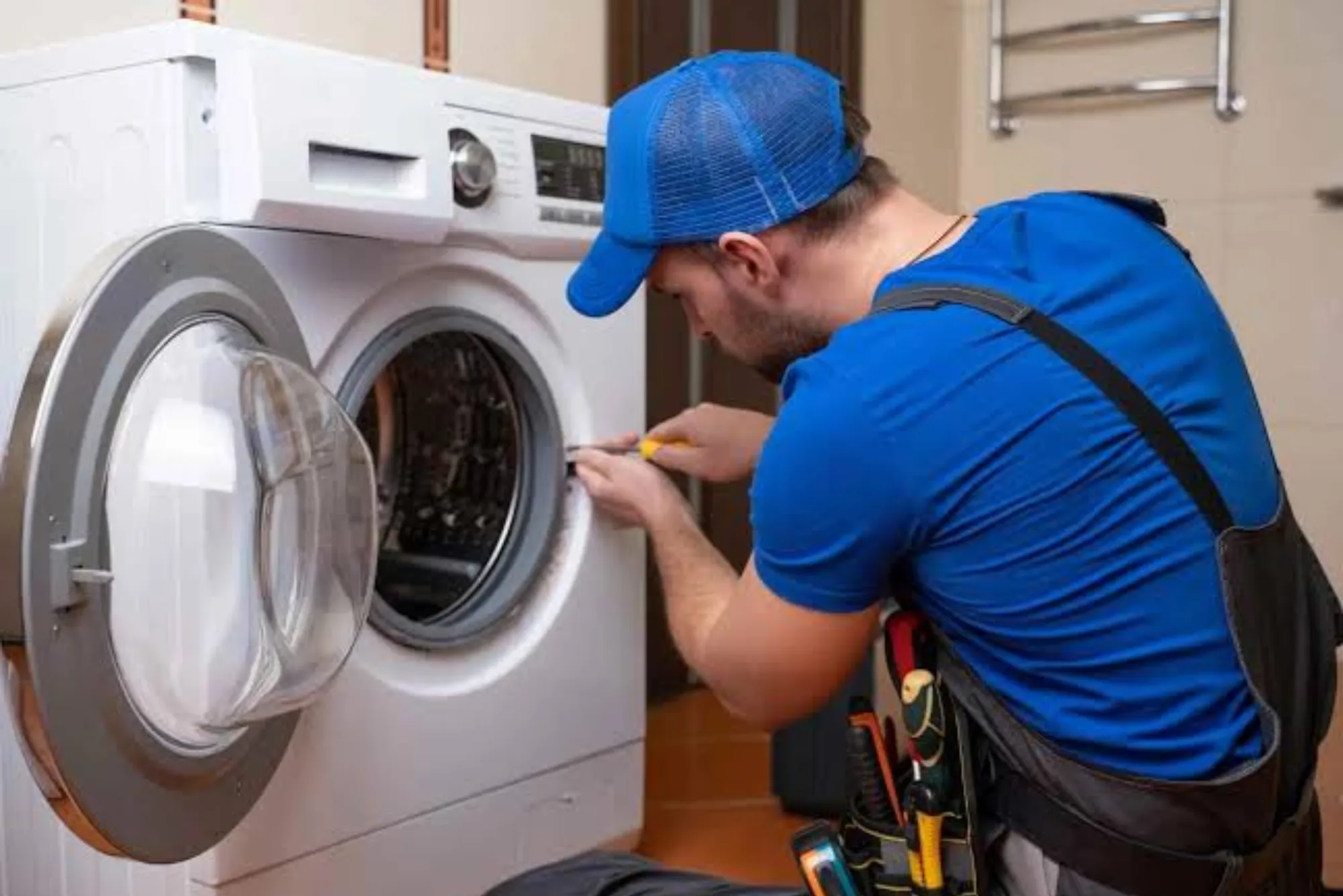
One of the most common reasons behind a washing machine repair not spinning is a faulty lid switch (for top loaders) or a broken door lock mechanism (for front loaders). The machine will not enter the spin cycle unless it detects that the lid or door is securely closed. This safety feature prevents accidents during high-speed spinning.

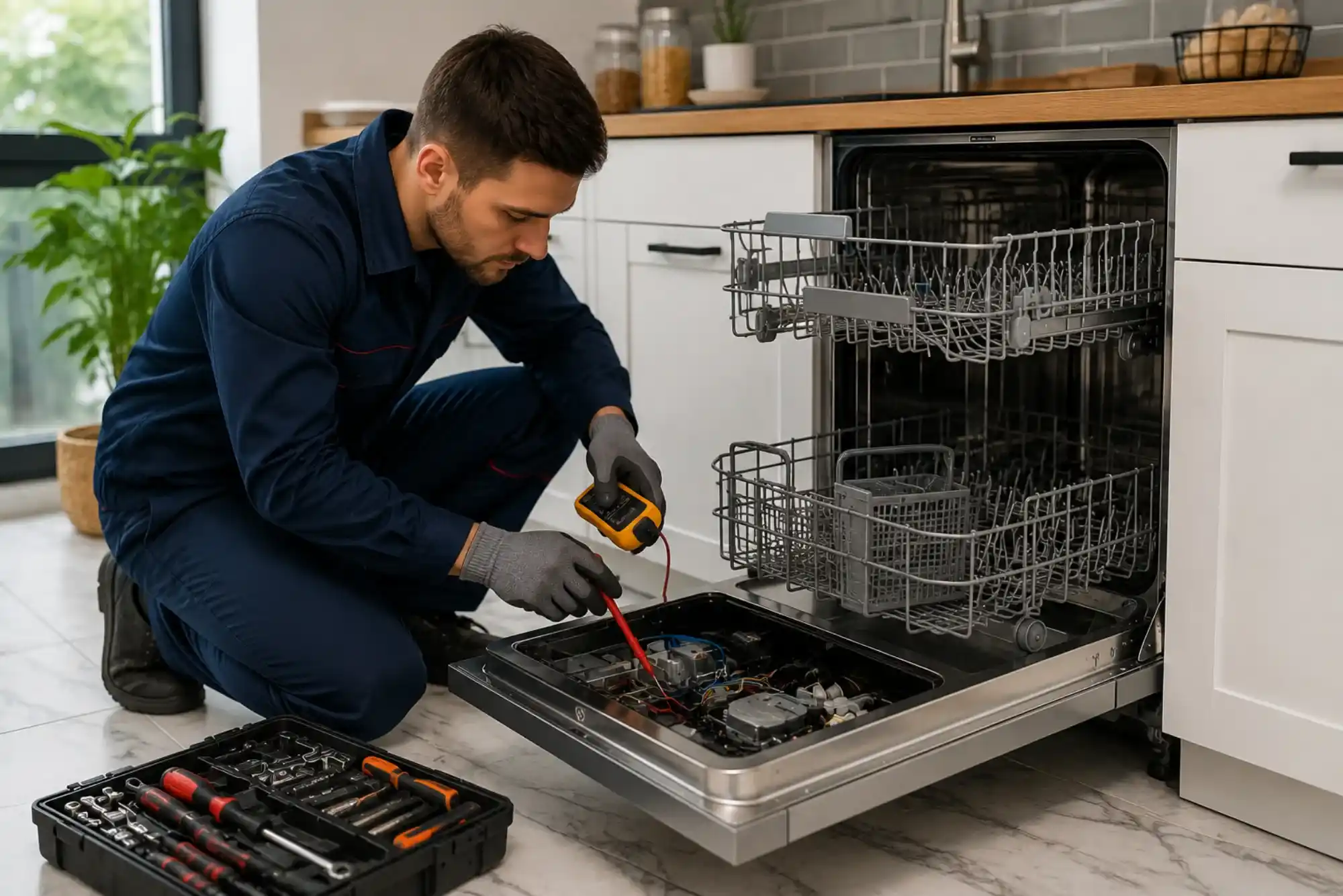
If the lid switch is defective, the machine’s control system will interpret the lid as open, even if it’s closed, and halt the cycle. This issue can be resolved by replacing the switch or adjusting its alignment. A professional appliance repair expert can easily diagnose this problem using a multimeter to test the switch continuity.
Drainage Problems Affecting Spin
The spin cycle and drainage process are closely related. If your washing machine cannot drain water properly, it won’t spin efficiently. A clogged drain hose, blocked pump filter, or malfunctioning drain pump can prevent water from exiting the drum. When water remains inside, the spin cycle automatically stops to avoid overloading the motor.
Debris, lint, small clothing items, or even coins can obstruct the drainage path. Over time, these blockages restrict water flow and put stress on the pump motor. Regular maintenance and occasional cleaning of the drain hose and filter can prevent such issues.
If your washing machine still holds water after a full cycle, the drain pump may need replacement. A professional technician can examine whether the pump impeller or electrical components are functioning correctly.
Unbalanced or Overloaded Drum
Modern washing machines are designed with sensors that monitor the balance of the drum during the spin cycle. If the machine detects that the load is unevenly distributed, it will either slow down or completely stop spinning to prevent internal damage. Overloading the washer with heavy items or washing bulky fabrics like blankets and towels together can throw the drum off balance.
When the drum is unbalanced, the machine struggles to reach the required speed for proper water extraction. To fix this, redistribute the load evenly and ensure the washer is placed on a level surface. Persistent unbalanced loads could indicate worn suspension springs, shock absorbers, or dampers that need replacement.
Worn Drive Belt or Motor Problems
The motor and drive belt work together to rotate the drum during the spin cycle. If the belt becomes loose, frayed, or broken, the drum won’t spin even if the motor runs perfectly. A worn-out belt often produces a squealing sound, signaling that it needs replacement.
Similarly, a malfunctioning motor can also prevent spinning. Motors can fail due to overheating, electrical faults, or simply wear and tear from years of operation. In some cases, the motor coupler—which connects the motor to the transmission—can break, stopping the spin cycle entirely.
Only a trained appliance technician should handle motor-related repairs since disassembling these parts requires technical knowledge and specialized tools.
Faulty Clutch or Transmission
In top-loading washing machines, the clutch and transmission work together to shift between different wash and spin speeds. If the clutch wears out, the drum may fail to reach the necessary spin speed. A damaged transmission, on the other hand, can cause the drum to stop moving altogether or spin inconsistently.
Replacing these components can be complex and should only be performed by a professional. Regular servicing and lubrication of moving parts can prolong their life and maintain smooth performance.
Control Board and Sensor Failures
Modern washers rely on sensors and control boards to manage each cycle stage. These sensors detect water levels, drum speed, and load weight. When they malfunction, the machine may misinterpret data and skip the spin phase.
For instance, if the water level sensor falsely indicates that the drum is full, the control board won’t initiate the spin cycle. Similarly, a defective tachometer sensor (which measures motor speed) may cause the washer to stop mid-cycle.
Technicians can diagnose these issues using specialized diagnostic tools and replace the faulty components to restore normal operation.
Preventive Maintenance Tips
Regular maintenance can significantly reduce the chances of your washing machine failing to spin out water. Cleaning the drain filter every few weeks, ensuring proper load distribution, and avoiding overloading can help maintain the machine’s performance.
Also, inspect the hoses for any kinks, clean the detergent dispenser, and check the drum for trapped objects like buttons or coins. If your washing machine emits unusual noises or vibrations during the spin cycle, it’s advisable to contact a repair expert immediately before the problem worsens.
When to Call a Professional Repair Service
While minor issues like load imbalance or temporary blockages can be fixed at home, more complex problems involving electrical components, motors, or control systems require professional attention. A certified technician can accurately diagnose the issue, replace faulty parts, and test the appliance to ensure it’s safe and efficient.
For residents in Dubai and nearby areas, Home Appliances Repair offers reliable washing machine repair services. Their expert technicians handle all brands and models, providing fast, affordable, and lasting solutions. From spin cycle failures to drainage problems, they ensure your appliance runs like new again.
A washing machine that doesn’t spin out water can be caused by several mechanical, electrical, or operational issues. Identifying the root cause early can prevent further damage and costly repairs. Whether it’s a faulty lid switch, clogged drain pump, or motor problem, prompt action is key to restoring your appliance’s performance.