Cooking on a gas stove is often considered one of the most reliable and responsive methods of preparing meals. The instant heat adjustment and direct flame control give gas stoves an edge over electric or induction cooktops for many home chefs. Yet, when you notice your burner flame looking uneven, flickering, or burning with irregular patterns, it is more than just an inconvenience. An uneven flame can signal underlying issues with your stove that affect not only the quality of your cooking but also safety and efficiency.
In this detailed article, we will explore why stove burner flames become uneven, how to interpret what your flame is telling you, and the practical steps you can take to restore consistent performance.
Understanding the Role of a Proper Burner Flame
A gas burner is designed to mix fuel and oxygen in precise proportions before ignition. When the mixture is balanced and unobstructed, the flame should appear steady, evenly distributed around the burner, and mostly blue with only minimal hints of yellow at the tips. A strong blue flame signifies complete combustion, meaning your stove is burning fuel efficiently without releasing excessive soot, carbon monoxide, or unburned gas.
An uneven flame, however, disrupts this balance. It might appear lopsided, too tall in one section and weak in another, or even change color. These inconsistencies not only make it harder to cook evenly but can also indicate that your burner system is not functioning as intended.
The Science Behind Uneven Flame Patterns
To understand uneven flames, it is helpful to look at how a burner works. Gas flows through small jets into the burner head, where it mixes with air through openings known as air shutters or vents. The burner distributes this mixture through a ring of holes, creating the circle of flame you see.
If any part of this process is disrupted—such as a clogged burner hole, restricted airflow, or improper gas pressure—the flame will no longer form evenly. Instead, you may notice gaps, larger flames on one side, or a change in flame color. These are all clues pointing to where the problem lies.

Flame Color as a Diagnostic Tool
The appearance of the flame itself is a valuable indicator of burner performance. A healthy flame should be steady and predominantly blue. If your flame looks different, it usually corresponds to specific issues:
- A yellow or orange flame often suggests incomplete combustion, which may be caused by insufficient air supply, debris in the burner, or excess moisture in the gas.
- A tall, flickering flame might point to improper gas pressure or a partially blocked burner.
- A weak or sputtering flame typically indicates restricted fuel flow or a clogged jet.
By paying attention to these flame characteristics, you can narrow down potential causes of uneven burning.
Common Causes of Uneven Stove Burner Flames
One of the most frequent reasons for an uneven flame is debris or residue blocking the small burner holes. Food spills, grease splatters, and even cleaning chemicals can leave behind residues that obstruct gas flow. Over time, these blockages create gaps in the flame pattern.
Another common factor is improper alignment of the burner cap. Many stoves use a removable metal cap to cover the burner head, helping distribute flames evenly. If this cap is not seated correctly after cleaning or maintenance, the flame may appear lopsided.
Airflow is equally critical. Gas stoves rely on a precise mix of gas and air, and if the air vents or shutters are blocked with dust or grease, the flame will lose its balance. In addition, ventilation in the kitchen itself can influence flame performance. Drafts from windows or fans may cause flames to lean or flicker unevenly.
Finally, gas pressure supplied to the stove plays a major role. Low pressure may result in weak flames that do not spread evenly, while high pressure can produce unstable and irregular flames. Professional inspection is often required to adjust pressure levels safely.
How Uneven Flames Affect Cooking Performance
The flame beneath your cookware is the direct source of heat transfer. When the flame is uneven, the heat distribution on your pot or pan is no longer uniform. This often results in hot spots where food cooks too quickly on one side and undercooks on the other. Delicate dishes such as sauces or caramel may burn in patches while leaving other areas undone.
Inconsistent flames can also lengthen cooking times. If only part of the burner is operating effectively, your stove is not reaching its intended efficiency. This means you use more fuel and spend more time waiting for water to boil or ingredients to sear. Over time, this affects both the quality of your meals and your household energy costs.
Safety Risks Linked to Uneven Flames
Beyond inconvenience, uneven flames raise important safety concerns. Incomplete combustion associated with irregular flames can release higher levels of carbon monoxide, an odorless and potentially deadly gas. While most modern kitchens have adequate ventilation, repeated exposure increases risks.
Uneven flames can also encourage soot buildup on cookware and stove surfaces. This residue is not only difficult to clean but can also harbor bacteria and reduce the lifespan of your equipment. In extreme cases, gas leaks caused by faulty burners or misaligned components can create fire hazards. These risks highlight the importance of addressing uneven flames promptly rather than ignoring them.
Steps for Addressing Uneven Burner Flames
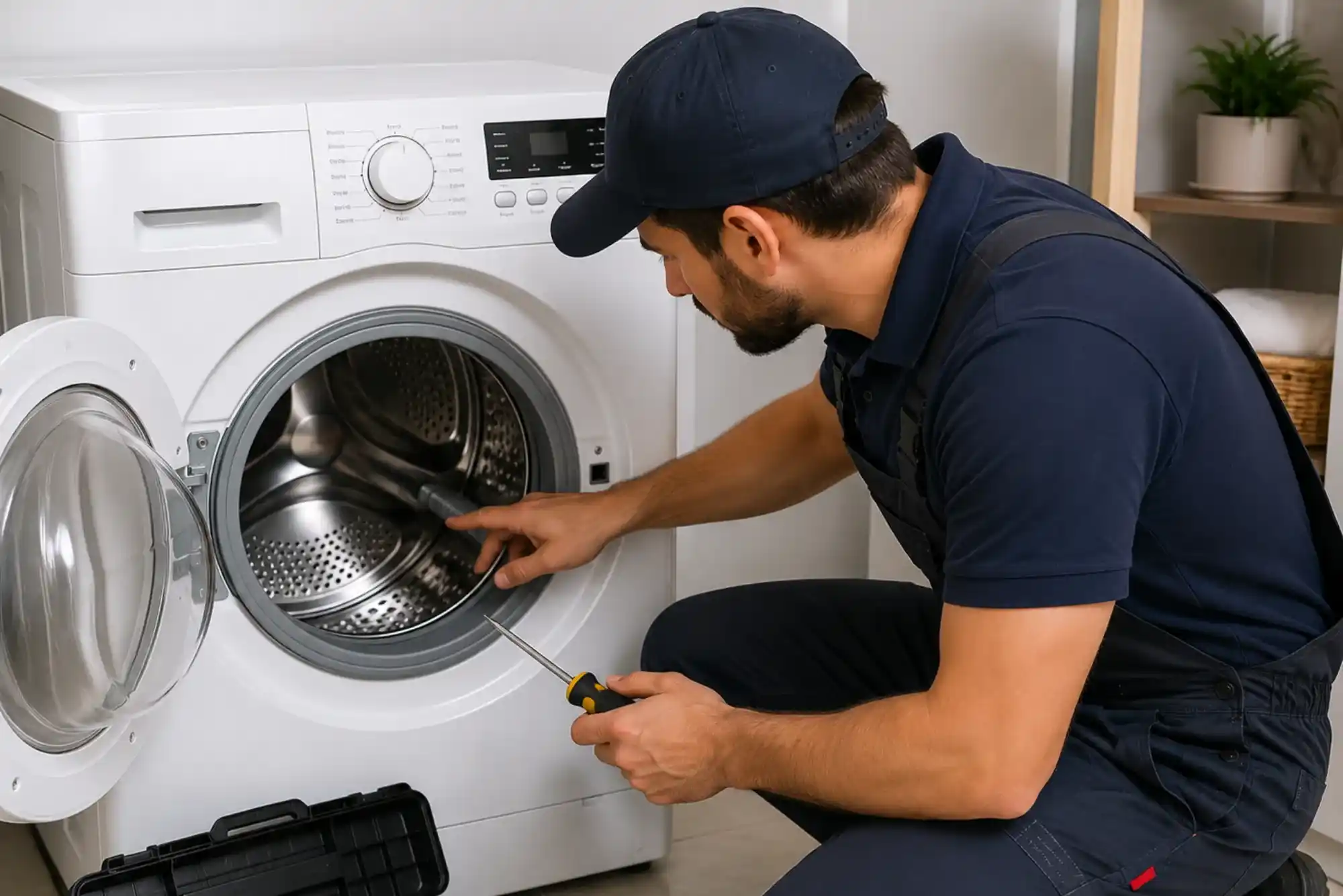
The first and simplest step is often cleaning. Carefully remove the burner grates and caps, then lift out the burner heads if your stove design allows. Soak these components in warm, soapy water and gently scrub with a non-abrasive brush. Pay particular attention to the small holes around the burner ring, using a soft pin or needle to clear any blockages. Once thoroughly dried, reassemble the burner and test the flame again.
If cleaning does not resolve the issue, check that the burner caps are seated correctly. Even a small misalignment can throw off flame distribution. Reposition the cap so that it sits flush with the burner base.
Next, inspect the air vents. Many stoves include an adjustable air shutter near the gas inlet. If this becomes blocked with grease or dust, airflow will be restricted. Carefully cleaning around this area can restore the balance of the gas-air mixture.
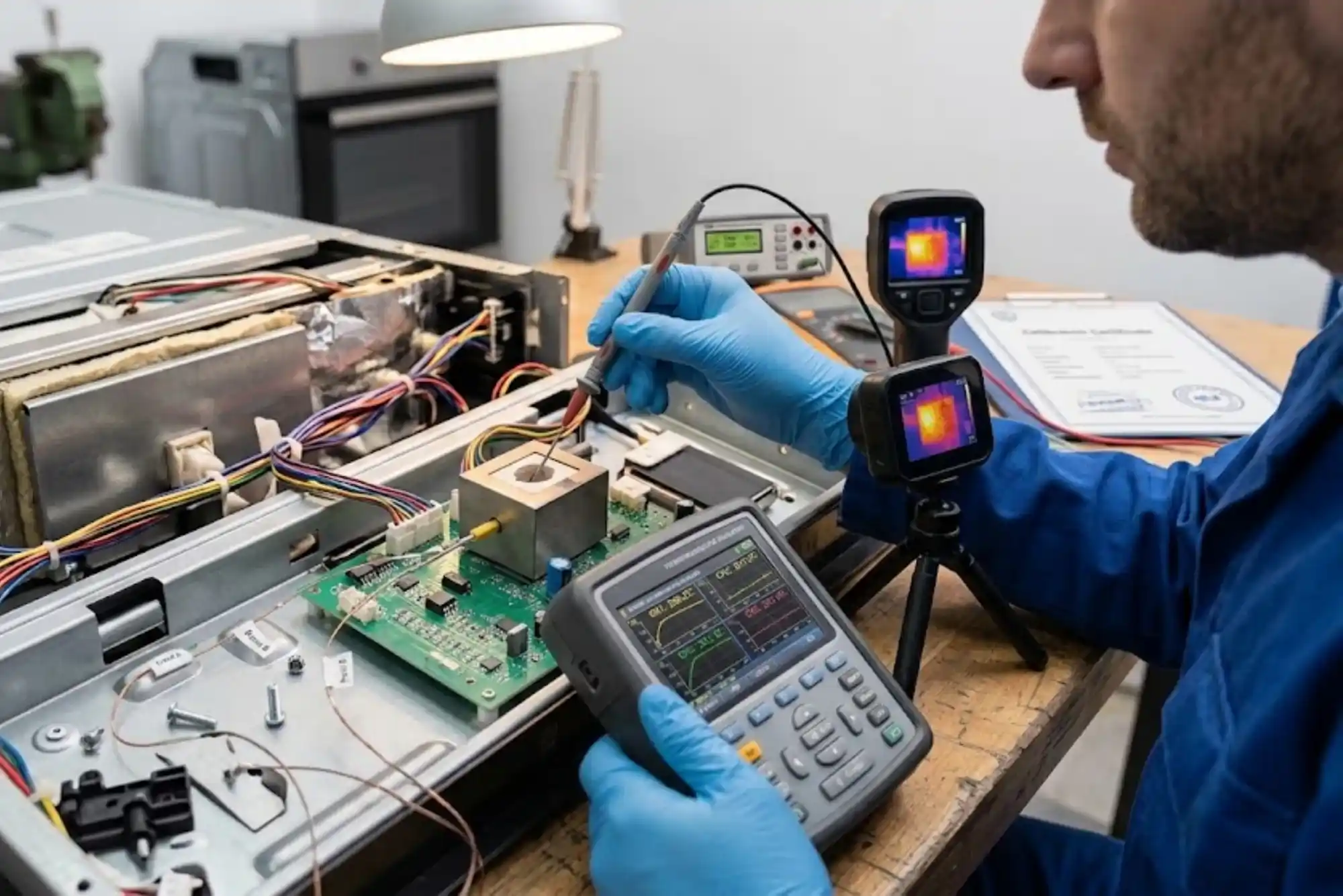
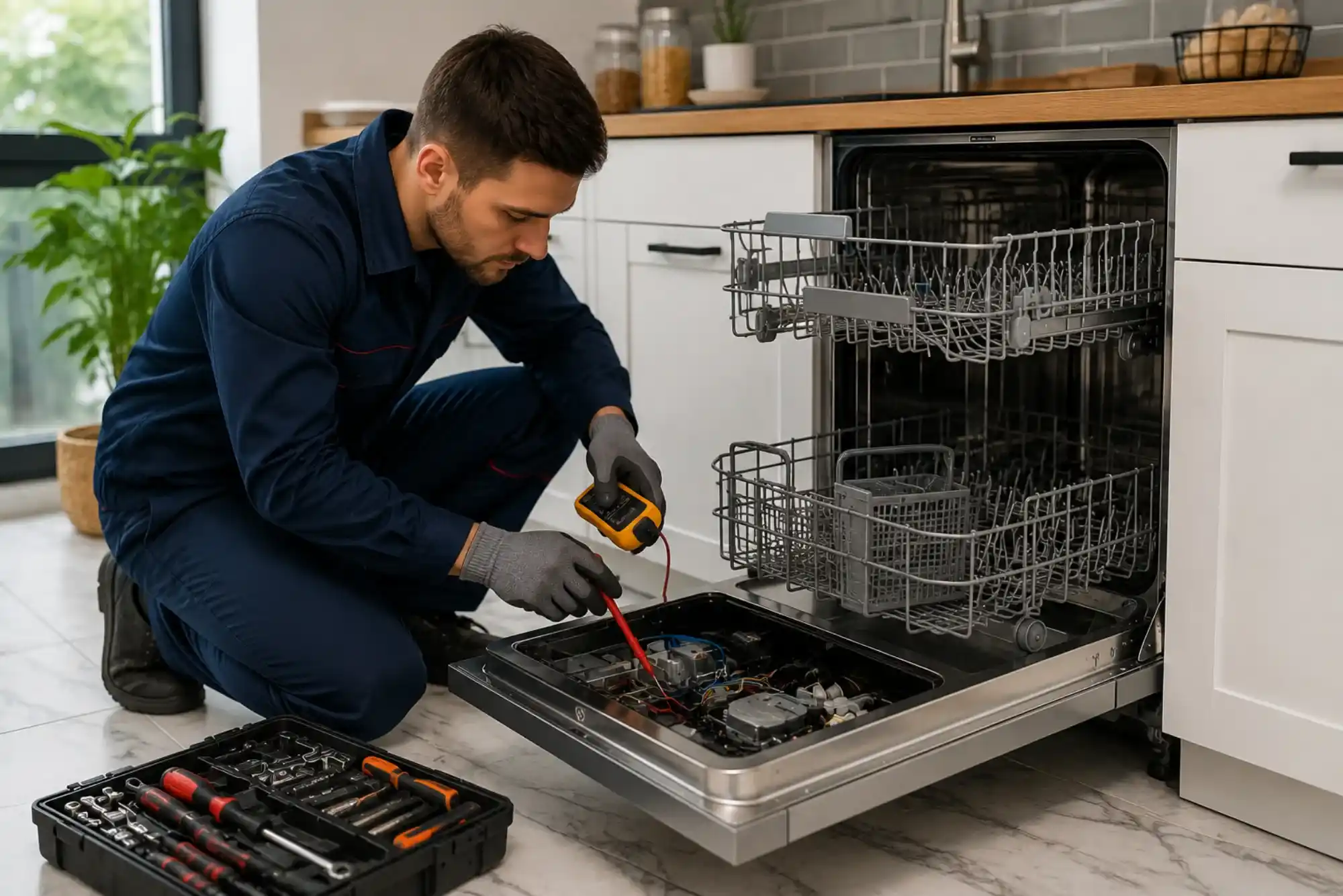
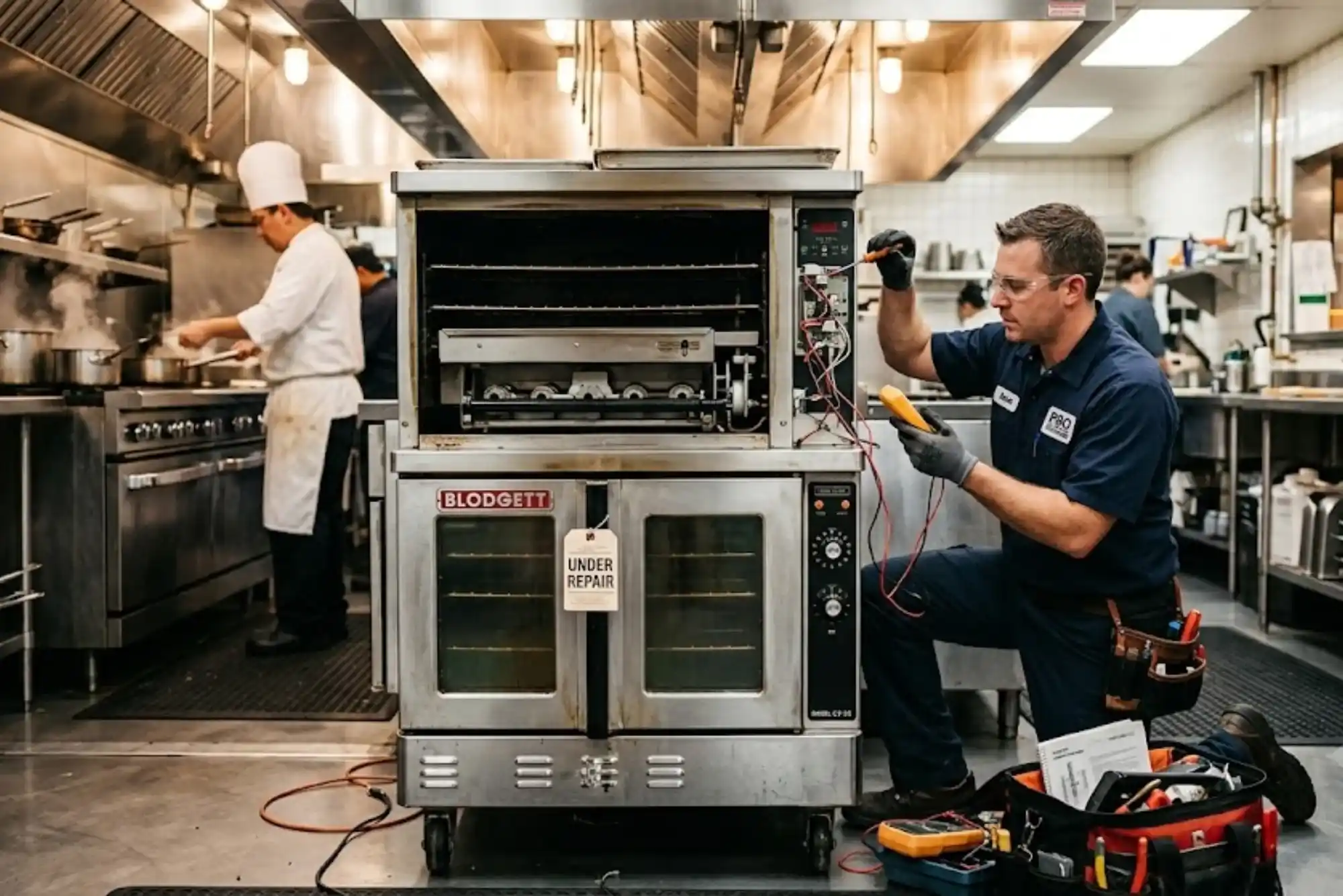
When these steps fail, the issue may be related to gas pressure or supply. In this case, it is best to call a qualified technician. Attempting to adjust gas pressure yourself without training can be dangerous. Professionals have the tools to measure supply levels and ensure your system is functioning safely.
Preventing Uneven Flames in the Future
Regular maintenance is the most reliable way to prevent uneven flames. Simple practices such as wiping up spills immediately, scheduling periodic deep cleans of the burners, and ensuring good kitchen ventilation will reduce the likelihood of blockages and imbalances.
It is also helpful to inspect your stove’s flame routinely. By checking for changes in flame pattern or color, you can catch issues early before they escalate. If you cook frequently, consider scheduling a professional service once a year to test gas pressure and inspect burners for wear.
For households using propane, monitoring tank levels and connections is equally important. As pressure fluctuates with usage or low supply, flame performance can change. Keeping fuel systems in good condition will extend the life of your stove and improve daily reliability.
The Link Between Efficiency and Flame Health
A properly functioning flame is not just about safety and cooking precision—it also saves money. Uneven flames often waste gas by burning inefficiently. Over weeks and months, this inefficiency adds up, raising energy bills unnecessarily. At the same time, consistent and strong flames reduce cooking times, allowing you to prepare meals faster while using less fuel.
From a broader perspective, efficiency in gas use contributes to sustainability. By ensuring your stove runs optimally, you are reducing unnecessary energy consumption and minimizing your household’s environmental footprint.
When Replacement May Be Necessary
In some cases, uneven flames persist despite cleaning, adjustments, and professional servicing. If your stove is older, worn components such as burner heads or gas valves may no longer function as designed. Replacement parts can often resolve these issues, but if the stove is nearing the end of its service life, investing in a new appliance may be more practical.
Modern stoves often come with improved burner designs that distribute flames more evenly and offer easier cleaning options. Upgrading may also bring energy efficiency improvements and enhanced safety features, making it a worthwhile investment for households experiencing frequent burner issues.
Final Thoughts
An uneven burner flame might seem like a minor nuisance, but it serves as a vital signal from your stove. By paying attention to changes in flame behavior, you can identify issues that affect cooking performance, energy efficiency, and safety. From simple cleaning to professional servicing, addressing uneven flames ensures your stove continues to function as intended.
In the end, maintaining a steady, blue, and evenly distributed flame is about more than just aesthetics—it reflects the health of your appliance and the safety of your kitchen environment. Treat your stove flame as a tool of communication, and you will not only extend the life of your appliance but also elevate the quality of your cooking experience.