An oven is one of the most relied-upon appliances in any kitchen, from the home cook preparing weeknight meals to the professional chef managing multiple dishes under pressure. When it works well, it makes cooking easier and more enjoyable. But when it starts to take far longer than expected to reach the set temperature, frustration builds quickly. Not only does a slow-heating oven disrupt meal timing, it can also indicate deeper technical issues that reduce efficiency, waste energy, and shorten the appliance’s lifespan.
Understanding why ovens take too long to heat requires looking at how these appliances are designed, how they operate, and what factors influence their performance over time. This article explores the most common reasons behind sluggish heating, the technical background of oven operation, and how practical adjustments or maintenance can restore efficiency.
The Science of Heating in Modern Ovens
An oven functions by converting electrical energy or gas into heat, distributing it evenly throughout an enclosed chamber, and maintaining that temperature for a sustained period. In electric ovens, heating elements at the top and bottom of the cavity generate radiant heat. In gas ovens, burners ignite to produce a steady flame controlled by thermostats.
Regardless of type, ovens rely on accurate thermostatic control, insulation, and airflow to heat quickly and evenly. When you set a temperature, sensors detect the internal air conditions and adjust the heating process to reach and maintain the desired heat level. If something interferes with this sequence, the oven will take longer to heat or may never reach the correct temperature at all.
Electrical and Gas Supply Challenges
One of the fundamental reasons ovens heat slowly lies in the supply of energy itself. For electric ovens, a faulty power connection or reduced voltage from the outlet can weaken the current feeding the heating elements, causing sluggish performance. Similarly, for gas ovens, insufficient gas flow due to clogged lines, partially closed valves, or low household gas pressure delays burner ignition and heat buildup.
Supply problems are often overlooked because they occur gradually or intermittently, but they directly affect how quickly an oven can generate the heat required for cooking. Without consistent and strong energy delivery, even a well-designed oven cannot perform efficiently.

Worn or Faulty Heating Components
Over time, the primary components responsible for producing heat can degrade. In electric ovens, the heating elements may weaken as their metal coils wear out from repeated expansion and contraction cycles. When these elements lose conductivity, they glow dimmer and produce less heat per minute.
Gas ovens, on the other hand, rely on burners that can accumulate debris, grease, or carbon buildup. This obstruction reduces flame intensity, making the preheating process slower. Igniters in gas ovens can also weaken, taking longer to spark the flame or failing altogether, which directly extends the preheating cycle.
Even a partially damaged component can drastically alter performance, which is why homeowners often notice their oven “just isn’t as fast as it used to be.”
Thermostat and Sensor Malfunctions
An oven’s ability to heat efficiently depends heavily on its thermostat or temperature sensor. If the thermostat is inaccurate or miscalibrated, it may falsely signal that the desired temperature has been reached, only to require reheating later. This repeated cycle causes the oven to take longer to achieve a consistent cooking environment.
Temperature sensors can also shift out of position, become coated with grease, or fail electronically. A faulty sensor makes the oven’s control system work harder to interpret inaccurate data, prolonging the heating process. For modern ovens with digital controls, even minor sensor issues can create significant heating delays.
Insulation and Heat Retention Issues
Efficient ovens are built with high-quality insulation around the cooking chamber, ensuring that generated heat stays inside rather than escaping into the surrounding kitchen. Over years of use, insulation can degrade, loosen, or become damaged. When that happens, heat loss increases, and the oven has to work much harder to reach the target temperature.
Similarly, door seals or gaskets around the oven frame may wear out. If the seal is cracked, loose, or covered in food debris, hot air escapes every time the oven runs. This not only makes preheating slower but also causes uneven baking, as heat continuously leaks away during cooking.
The Role of Oven Size and Design
Not all ovens are created equal. Larger ovens, particularly those designed for commercial or heavy-duty home kitchens, naturally require more time to heat because they have greater internal volume. While this may seem obvious, many users underestimate the relationship between oven size and preheating speed.
Convection ovens with built-in fans tend to heat faster because they circulate hot air more effectively, reducing the workload on the heating elements. In contrast, traditional ovens without fans may struggle with slower heat distribution. Understanding the design differences helps set realistic expectations and highlights the importance of choosing the right appliance for your cooking needs.
User Habits That Affect Heating Speed
The way an oven is used and maintained can also contribute to heating delays. Opening the door repeatedly during preheating releases a surprising amount of heat, forcing the appliance to compensate each time. Overloading the oven with multiple trays or oversized cookware before it has reached the correct temperature can slow down heating as well.
Another overlooked factor is the buildup of food residue or grease inside the oven. A heavily soiled oven can block airflow, reduce heat reflection from internal surfaces, and even coat heating elements, all of which contribute to slower heating. Regular cleaning not only improves hygiene but also restores the oven’s natural efficiency.
Environmental Conditions and Installation
External factors can also influence how quickly an oven heats. If the appliance is installed in a poorly ventilated area, such as tight cabinetry, its cooling systems may struggle, forcing the oven to regulate itself more cautiously. In colder kitchens, the initial preheating phase may take longer as the oven works to overcome a greater temperature difference.
Improper installation, such as unlevel placement or poor electrical wiring, can also slow down heating performance. These are often overlooked but can make a measurable difference over the long term.
Energy Efficiency and Modern Expectations
It’s important to note that modern ovens, especially those designed with energy efficiency in mind, may appear to heat more slowly compared to older models. Manufacturers sometimes design heating cycles to reduce energy spikes, which can make the preheating process seem longer. However, this trade-off results in lower operating costs and better long-term appliance performance.
Understanding this balance between speed and efficiency can help users adjust expectations. A slightly longer preheat time in a modern oven may be a sign of thoughtful design rather than a malfunction.
When Professional Service Becomes Necessary
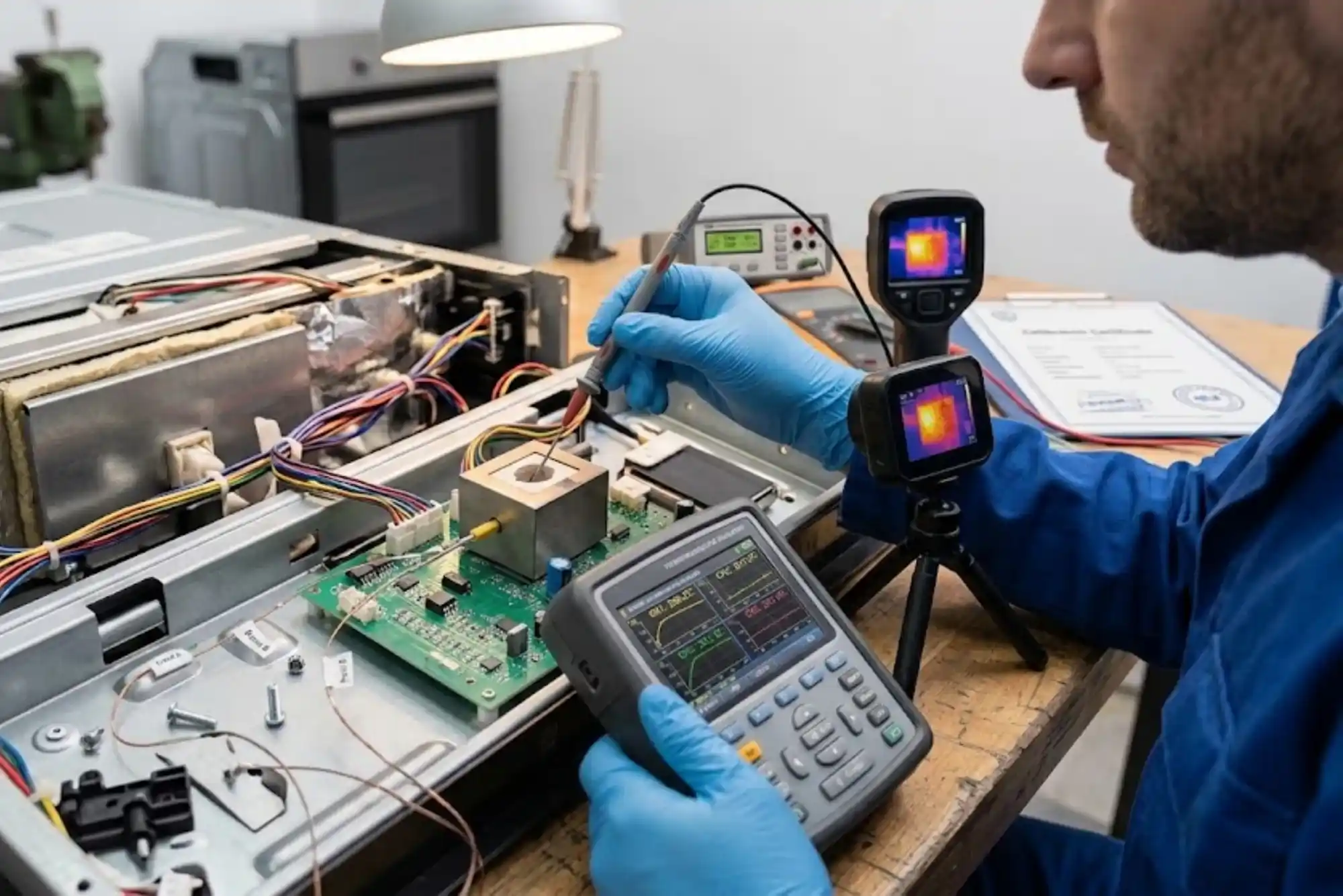
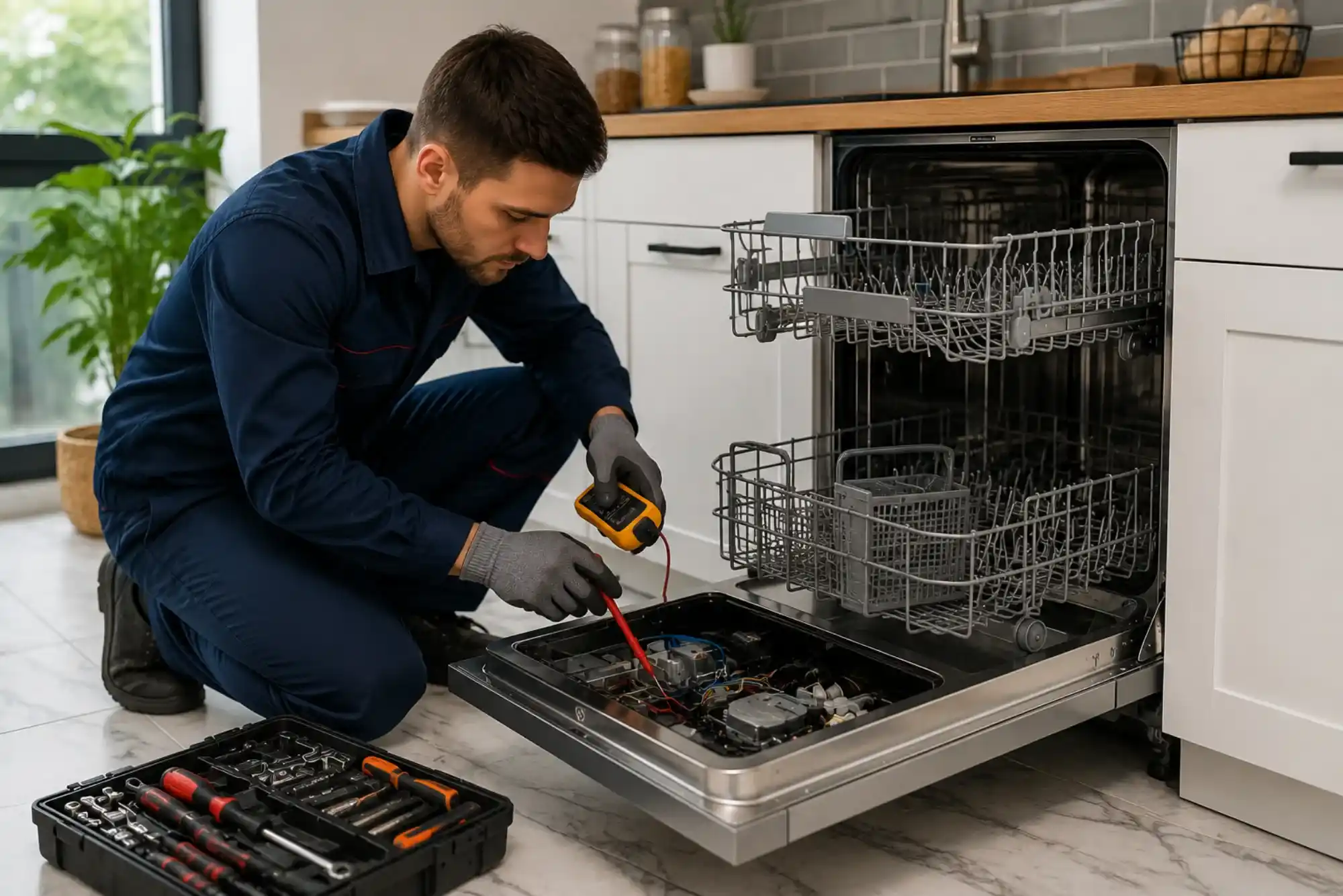
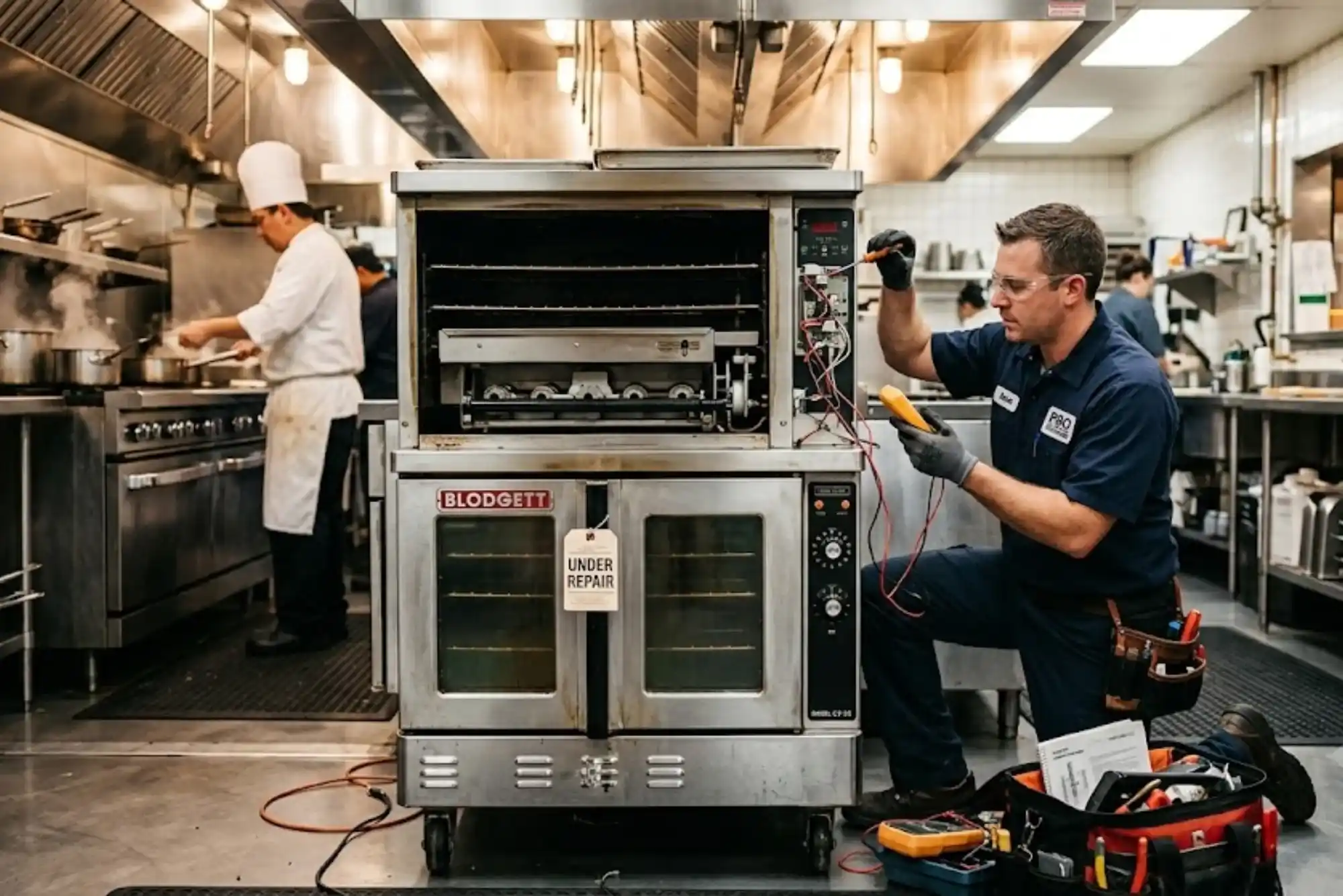
While minor issues such as cleaning or replacing door seals can be handled at home, persistent slow heating often requires professional diagnosis. Certified technicians can test electrical continuity in heating elements, measure gas pressure, recalibrate thermostats, and evaluate insulation integrity. Attempting complex repairs without expertise risks damaging the appliance further or creating safety hazards.
If an oven consistently fails to reach temperature or takes more than 30 minutes to preheat, it is usually a sign that key components need professional repair or replacement. Investing in timely service not only restores efficiency but also extends the lifespan of the appliance, preventing more costly breakdowns.
Strategies to Improve Oven Heating Performance
Improving oven performance often begins with awareness. Regularly inspecting and cleaning heating elements, burners, and sensors ensures they function at maximum capacity. Replacing worn gaskets and checking the accuracy of temperature settings can also reduce preheating time significantly.
For gas ovens, ensuring unobstructed gas flow and a strong igniter spark is critical. For electric models, using a dedicated outlet and confirming proper voltage helps maintain heating efficiency. Beyond maintenance, adopting better user habits—such as waiting until the oven is fully preheated before loading food and avoiding frequent door opening—supports more reliable cooking results.
The Future of Oven Heating Technology
Advances in appliance technology are beginning to address the issue of long preheat times more directly. Some smart ovens now use advanced convection systems, dual-heating elements, or preheat-boost modes to reach desired temperatures in minutes. Integrated sensors and digital controls allow for precise management of heat distribution, reducing inefficiencies caused by older thermostatic systems.
As energy standards continue to evolve, future ovens will likely strike a better balance between fast heating, consistent cooking, and eco-friendly performance. Users can expect innovations that not only reduce frustration but also enhance the overall cooking experience.
Final Thoughts
A slow-heating oven can be more than just a minor inconvenience—it can signal deeper mechanical or structural issues that affect efficiency, safety, and cooking results. From weakened heating elements and faulty sensors to poor insulation and user habits, the reasons behind sluggish heating are varied and often interconnected.
By understanding these factors, users can take proactive steps to maintain their ovens, improve preheating times, and make informed decisions about when professional service is necessary. As kitchen technology continues to advance, the frustrations of waiting endlessly for an oven to heat will gradually become a challenge of the past.