Dishwashers are one of the most important appliances in any modern kitchen, saving time, effort, and water while ensuring dishes are hygienically clean. When everything works as it should, the process is simple: load the dishes, add detergent, press the start button, and wait for the cycle to complete. However, one of the most frustrating issues homeowners face is when the dishwasher suddenly stops mid-cycle. Instead of sparkling clean dishes, you are left with half-washed plates, standing water, and confusion about what went wrong.
Understanding why a dishwasher might stop mid-cycle requires looking at both mechanical and electrical aspects of the machine, as well as user habits that may unintentionally contribute to the problem. For homeowners and tenants alike, this issue can feel alarming, but in most cases, it can be traced to a handful of common problems that can be diagnosed and fixed with professional attention.
Understanding How a Dishwasher Cycle Works
To appreciate why interruptions occur, it is important to understand how a dishwasher cycle is structured. Typically, the process begins with filling, where the machine draws in water to the correct level. This is followed by heating, during which the water is warmed to the required temperature to activate the detergent effectively. Next comes the washing phase, where spray arms distribute water and detergent throughout the interior. Rinsing ensures all soap is cleared, and drying completes the process.
Each stage is controlled by sensors, switches, and timers, all of which must communicate effectively for the cycle to continue smoothly. If one of these components malfunctions or if the machine detects a problem, it may stop mid-cycle as a protective measure.
Electrical Interruptions and Power Issues
One of the primary reasons a dishwasher halts mid-cycle is due to electrical interruptions. Dishwashers rely on a consistent power supply, and even a brief loss of electricity can reset the machine or shut it down entirely. In areas prone to power fluctuations, this issue becomes more common. A loose plug or faulty outlet can also be a culprit, and while this may seem minor, it can mimic more serious internal failures.
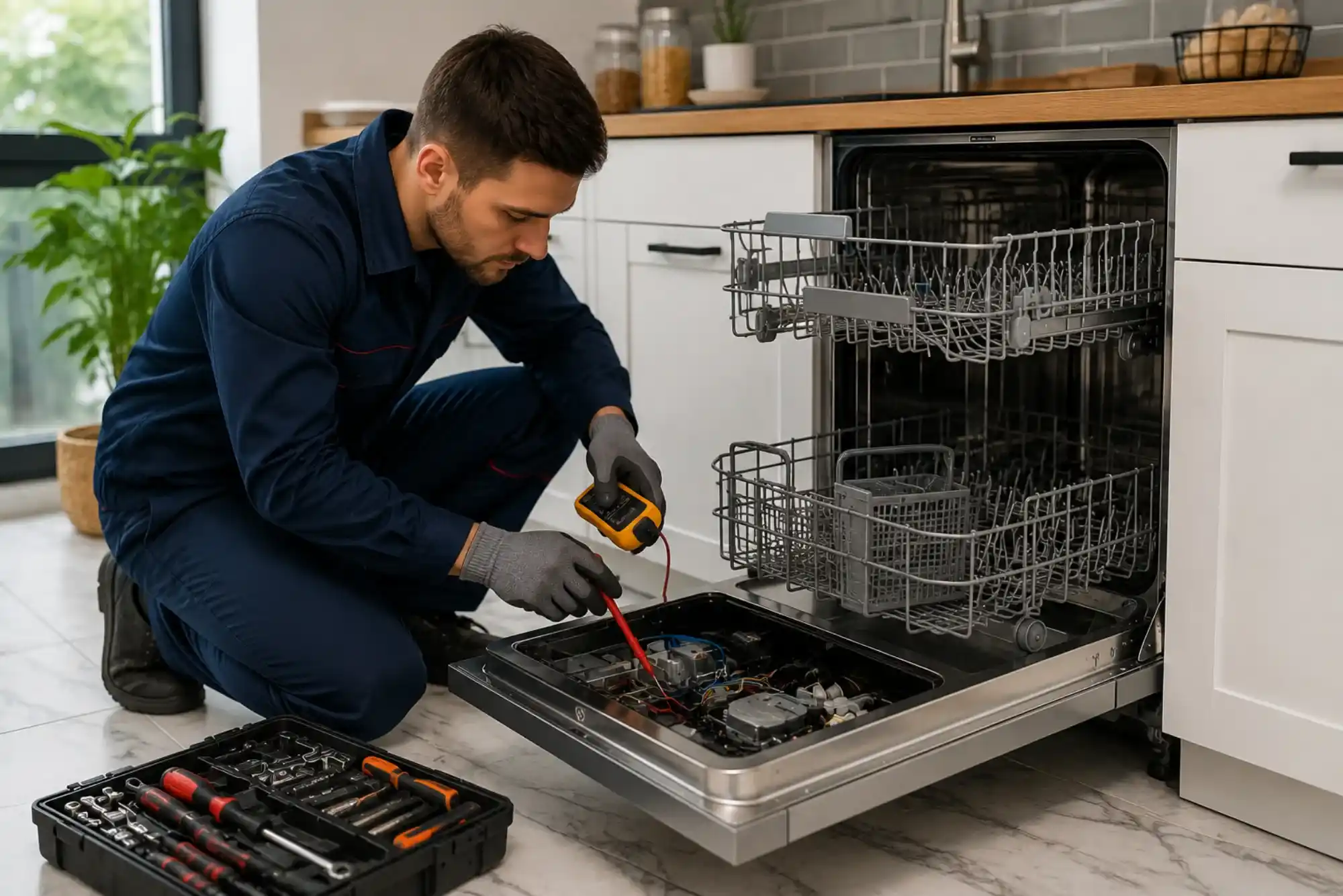
Another electrical aspect involves the control board. The control board acts as the “brain” of the dishwasher, sending signals to various components to start and stop at the correct times. If it develops faults, miscommunication between parts can occur, leading to premature cycle termination. Professional diagnostics are usually required to determine whether the control board needs repair or replacement.

Door Latch and Safety Concerns
Dishwashers are designed with built-in safety features, one of the most important being the door latch. If the door does not remain properly closed, the dishwasher cannot continue running, as water could leak and cause damage. Over time, the latch mechanism may become loose, misaligned, or worn out. Even a slight misalignment can trick the system into believing the door has opened, resulting in an automatic stop.
In some cases, homeowners might notice the dishwasher starts again if the door is pushed or adjusted mid-cycle. This indicates the latch is not fully engaging and should be repaired or replaced. Since the latch also contains a switch that communicates with the control board, any fault here disrupts the entire cycle.
Water Supply and Heating Element Issues
For a dishwasher to progress through its stages, it requires steady access to water at the correct temperature. If water supply is interrupted mid-cycle, either because of a kinked hose, a faulty water inlet valve, or inadequate pressure, the dishwasher may shut down to prevent damage.
Similarly, the heating element plays a crucial role in maintaining proper water temperature. If the dishwasher cannot heat water as required, it may pause or terminate the cycle altogether. Heating elements can wear out over time, and when they fail, the machine’s sensors detect the problem and halt progress. This not only interrupts the cycle but also prevents dishes from being sanitized properly, making prompt repair essential.
Clogged Filters and Drainage Problems
Another common cause of dishwashers stopping mid-cycle is drainage failure. During various points in the cycle, the machine must pump out dirty water before refilling with clean water. If the drain pump is blocked, the hose is clogged, or the filter is full of debris, the dishwasher may stop to avoid overflowing. Homeowners might notice standing water inside the appliance when opening the door after it shuts down.
In some cases, the machine may resume after a manual restart, but unless the underlying blockage is cleared, the issue will reoccur. Professional cleaning and maintenance of the drainage system is often required to restore normal operation.
Sensor Malfunctions and Control Failures
Modern dishwashers rely heavily on sensors to determine water level, temperature, and cycle progress. These sensors ensure efficiency and safety, but when they malfunction, they may send incorrect signals to the control board. For example, a faulty thermostat may incorrectly detect overheating, prompting the machine to stop. Similarly, a water level sensor may fail to register the correct amount, causing the dishwasher to pause indefinitely.
Sensor issues can be tricky to diagnose without professional tools, as the machine may appear to function normally until the interruption occurs. A trained technician can run diagnostic tests to identify whether a sensor needs replacement.
User Habits That Lead to Mid-Cycle Interruptions
Not all interruptions stem from mechanical failure; sometimes user practices contribute to the problem. Overloading the dishwasher, for instance, can prevent the spray arms from rotating freely, leading to jams that stop the cycle. Using too much detergent or the wrong type can create excessive suds, which interfere with drainage and sensors. In such cases, the dishwasher may interpret the situation as a fault and shut down.
Additionally, frequently opening the door mid-cycle can confuse the system. While dishwashers are designed to pause when opened, repeated interruptions may trigger errors that prevent the machine from resuming correctly.
Long-Term Implications of Ignoring the Problem
When a dishwasher repeatedly stops mid-cycle, it is not only inconvenient but also potentially damaging. Each premature halt puts stress on internal components, and if the issue is ignored, it can lead to more costly repairs. For example, untreated drainage blockages can burn out the pump motor, while unresolved heating issues can damage the thermostat or control board.
Moreover, dishes that are only partially washed or sanitized pose hygiene concerns. Food particles left behind can harbor bacteria, making the appliance less effective at its primary purpose. This is why it is important to address mid-cycle stoppages promptly through professional servicing.
Professional Repair and Maintenance Solutions
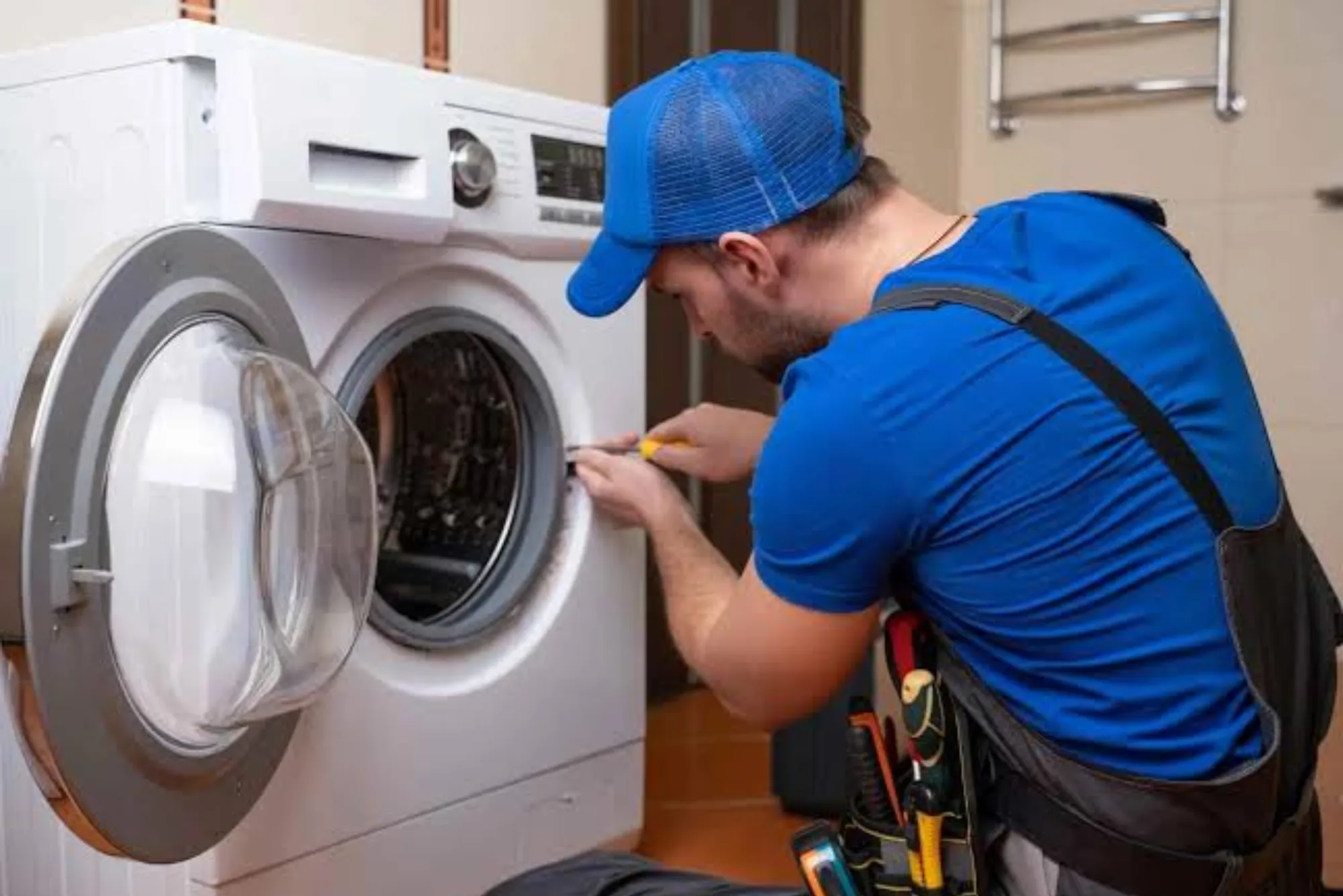
The good news is that in most cases, a dishwasher that stops mid-cycle can be repaired without needing a complete replacement. Trained appliance technicians can inspect the machine, identify the faulty part, and replace or repair it efficiently. Whether it is a worn-out latch, a clogged filter, or a failing control board, prompt repair restores the dishwasher to full working order and extends its lifespan.
Preventive maintenance also plays a key role. Regularly cleaning the filters, checking the spray arms for blockages, ensuring proper loading practices, and scheduling professional servicing can significantly reduce the likelihood of mid-cycle interruptions.
When to Seek Immediate Help
If the dishwasher consistently stops mid-cycle despite basic troubleshooting, it is a clear sign that professional assistance is required. Electrical smells, unusual noises, or visible leaks accompanying the stoppage should never be ignored, as they may indicate more serious issues. In such cases, it is best to discontinue use until a technician can perform a thorough inspection.
A dishwasher that stops mid-cycle can be a source of daily frustration, leaving dishes dirty and routines disrupted. However, understanding the common causes—from electrical faults and latch issues to drainage problems and sensor failures—helps homeowners take the right steps toward resolution. While some minor issues can be managed through better user practices, many require professional repair to restore proper function and prevent further damage.