A dishwasher is one of the most important appliances in any modern kitchen. It not only saves time but also ensures that dishes are cleaned thoroughly without manual effort. However, like all appliances, dishwashers rely on several mechanical and electrical components to function efficiently.
One of the most essential parts is the water inlet valve, which controls the flow of water into the dishwasher. When this valve fails, the dishwasher cannot fill with water properly, leading to poor cleaning performance, cycle interruptions, or in some cases, complete breakdown. Understanding how to identify a faulty water inlet valve and knowing the right way to replace it is crucial for maintaining the efficiency and reliability of your dishwasher.
Understanding the Role of the Water Inlet Valve
The water inlet valve is essentially the gateway through which water enters your dishwasher. It is usually located at the bottom of the appliance, where it connects to the household water supply. Once the dishwasher cycle begins, the control board sends an electrical signal to the valve, instructing it to open and allow water to flow inside. The valve regulates both the timing and the amount of water, ensuring that the dishwasher fills with the right quantity to clean dishes properly.
When the inlet valve malfunctions, you may notice problems such as insufficient water entering the tub, no water at all, or continuous water flow even when the dishwasher is off. These symptoms are often the first signs that the valve needs to be replaced.
Signs of a Faulty Dishwasher Water Inlet Valve
The most common symptom of a bad water inlet valve is poor cleaning performance. If your dishes come out dirty or with residue, the dishwasher may not be getting enough water. You may also hear unusual humming or buzzing noises during the water-filling stage of the cycle. In some cases, the dishwasher may stop mid-cycle because it cannot proceed without the correct water level.
Another common sign is water leakage. A defective valve may fail to close completely, allowing water to drip into the dishwasher even when it is turned off. Over time, this can cause flooding or damage to the floor beneath the appliance. If you notice puddles of water under or around your dishwasher, the inlet valve should be one of the first components to inspect.

Preparing to Replace the Water Inlet Valve
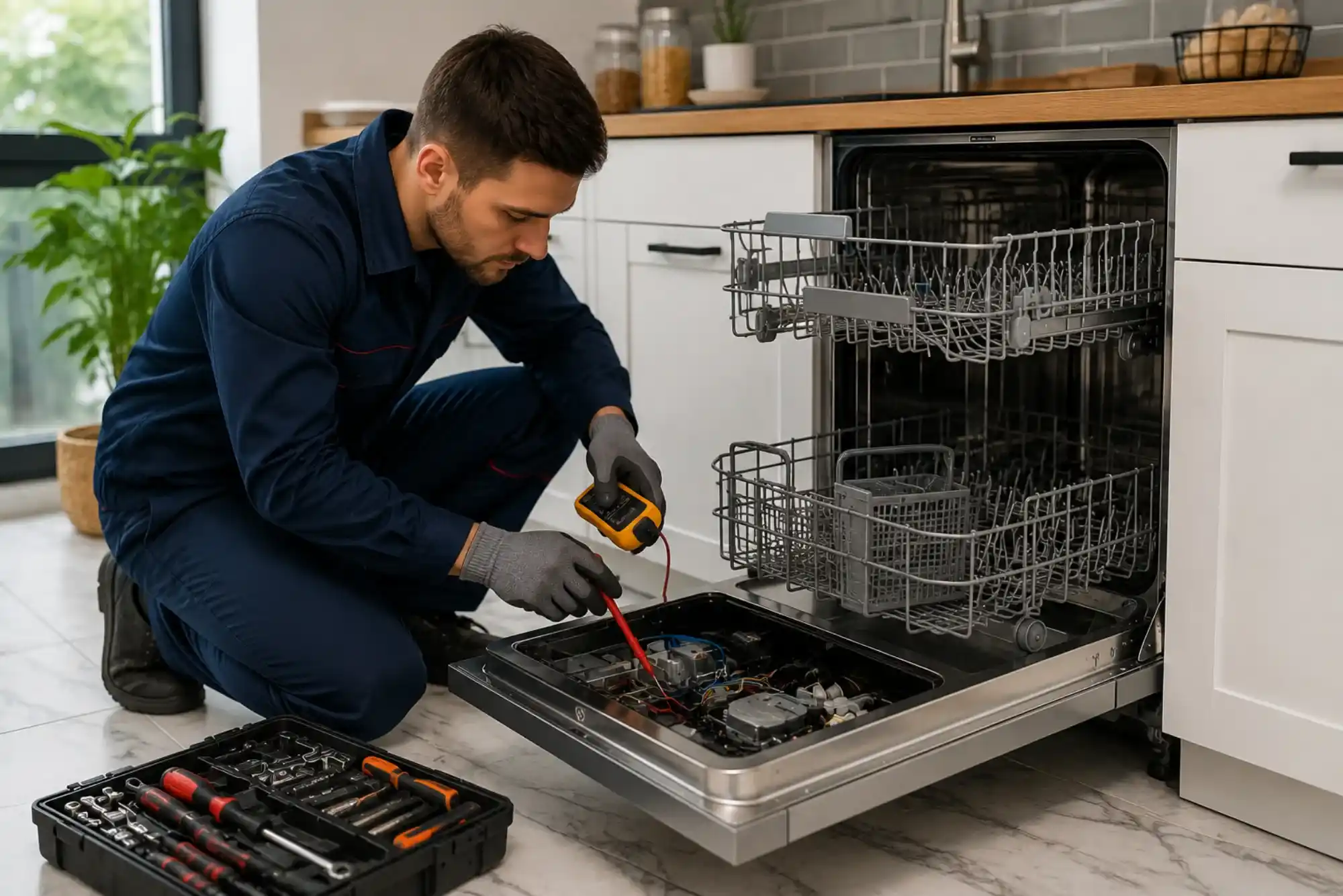
Replacing a dishwasher water inlet valve is a moderately advanced task that requires basic plumbing and electrical knowledge. Before starting the replacement, it is important to disconnect the power supply to the dishwasher to avoid any electrical hazards. You must also shut off the water supply line connected to the appliance to prevent leaks during the process.
Once the appliance is disconnected, you will need to access the bottom panel where the valve is located. Most dishwashers have a kick plate or access panel that can be removed with a screwdriver. Behind this panel, you will find the valve assembly connected to the water supply hose and electrical wiring.
Step-by-Step Process of Replacing the Inlet Valve
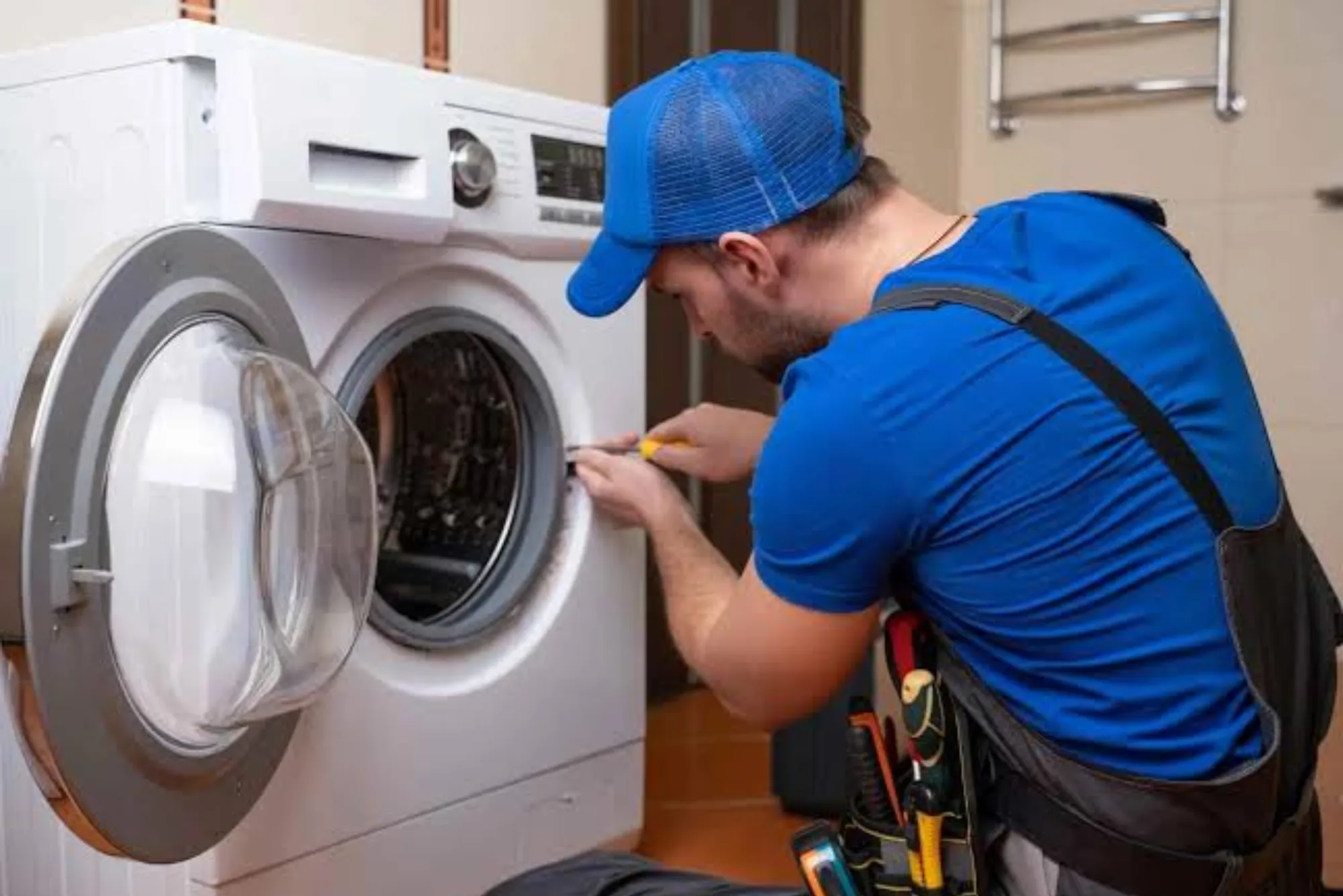
The actual replacement process involves carefully removing the old valve and installing the new one in its place. First, detach the water supply hose from the valve by loosening the compression fitting with a wrench. Be prepared for a small amount of water spillage, so it is a good idea to keep a towel nearby. Next, disconnect the electrical connectors attached to the valve terminals. These connectors usually slide off, but they may require gentle pressure with pliers.
After disconnecting the water line and wiring, remove the screws or brackets holding the valve in place. Once the old valve is freed, take note of its position and orientation, as the new valve must be installed in the same way. Place the replacement valve into position, secure it with screws, reconnect the wiring, and attach the water supply hose. Ensure that all connections are tight and secure to prevent leaks.
Once everything is reassembled, restore the water supply and check for any leaks before powering on the dishwasher. Run a short wash cycle to verify that the valve is functioning properly and that the dishwasher fills with water as expected.
Safety Considerations During Replacement
Working with electrical appliances always carries certain risks. Before starting any repair, make sure the dishwasher is unplugged from the power source. If the appliance is hardwired, turn off the circuit breaker that supplies electricity to the unit. Similarly, shutting off the water supply is crucial to avoid unexpected flooding.
Another important consideration is the compatibility of the replacement valve. Dishwashers are designed with specific valves suited to their make and model, so always purchase the correct part recommended by the manufacturer. Using a generic or incompatible valve may lead to poor performance or further damage.
Why Professional Help May Be Necessary
While replacing a water inlet valve is a manageable task for those with some technical experience, many homeowners prefer to rely on professional appliance repair services. A trained technician not only ensures that the replacement is done correctly but also inspects the dishwasher for other potential issues. Sometimes, what appears to be a faulty valve could actually be a wiring issue, a problem with the control board, or a clogged water line. A professional can diagnose the root cause accurately and save you from unnecessary part replacements.
Maintaining Your Dishwasher After Valve Replacement
After successfully replacing the water inlet valve, it is important to maintain your dishwasher to prevent similar issues in the future. Regularly check for leaks around the water connections and ensure that the water supply line remains free from clogs or kinks. Cleaning the dishwasher filter and running a cleaning cycle with vinegar or a specialized cleaner can also help maintain overall performance.
Using the dishwasher according to the manufacturer’s guidelines also extends the life of the components. Avoid overloading the machine, use the correct type of detergent, and always ensure that the spray arms are not blocked by oversized utensils. These simple practices reduce strain on the water system and keep the dishwasher working efficiently.
The Importance of Timely Repairs
Ignoring the signs of a faulty inlet valve can lead to bigger problems over time. If the dishwasher is not receiving enough water, the motor and pump system may work harder than necessary, leading to premature wear and tear. Continuous leaks from a defective valve may also cause water damage to your kitchen floor, cabinetry, or even electrical wiring.
By addressing the issue promptly and replacing the inlet valve as soon as symptoms appear, you not only restore the dishwasher’s efficiency but also protect your home from potential water-related damages.Replacing a dishwasher water inlet valve may seem like a technical task, but with the right preparation and understanding, it is entirely achievable for homeowners with basic repair skills.
This component plays a vital role in controlling the water flow, and any malfunction can severely impact the performance of your appliance. Recognizing the signs of a faulty valve, following proper replacement procedures, and conducting regular maintenance ensures that your dishwasher continues to function at its best.