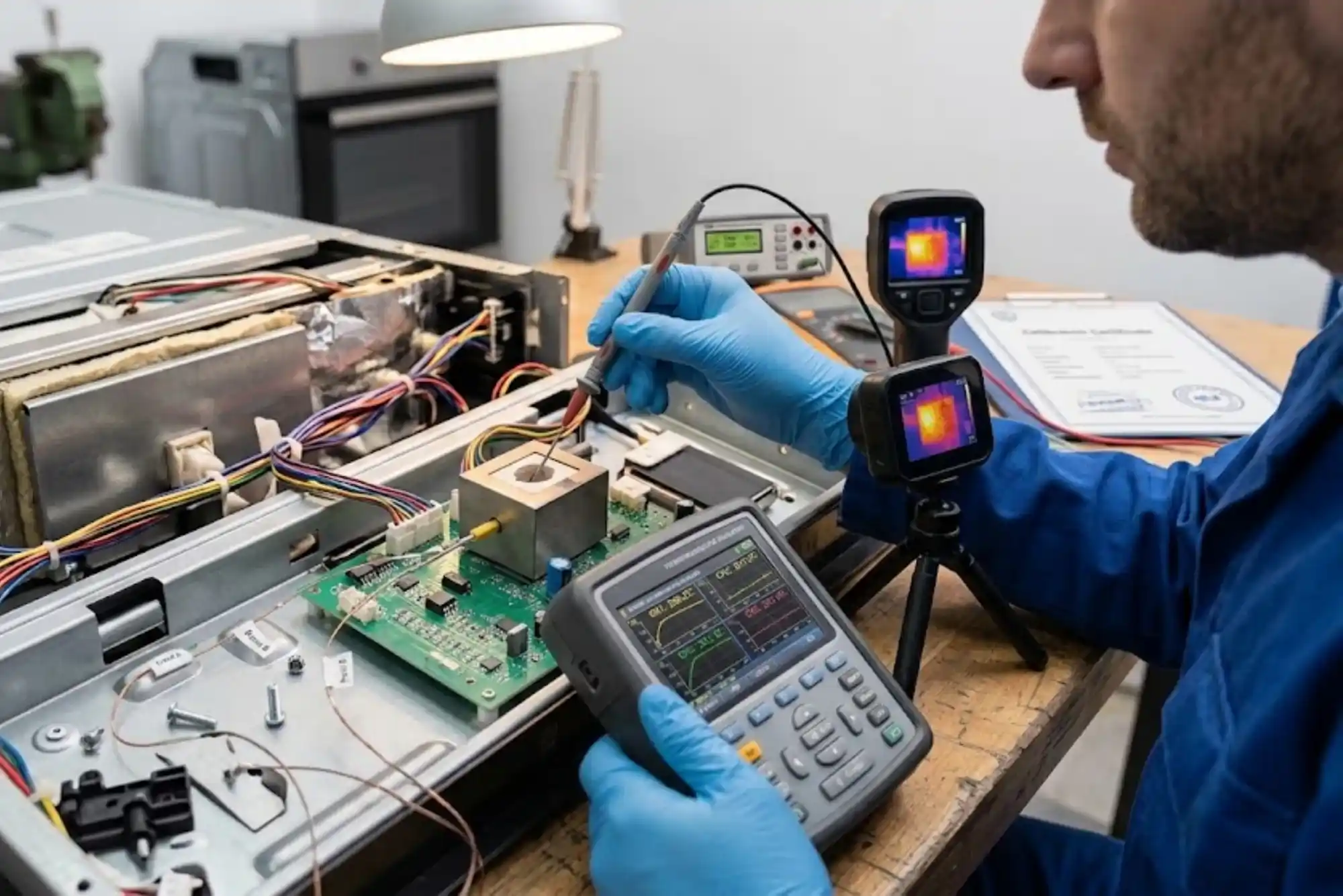
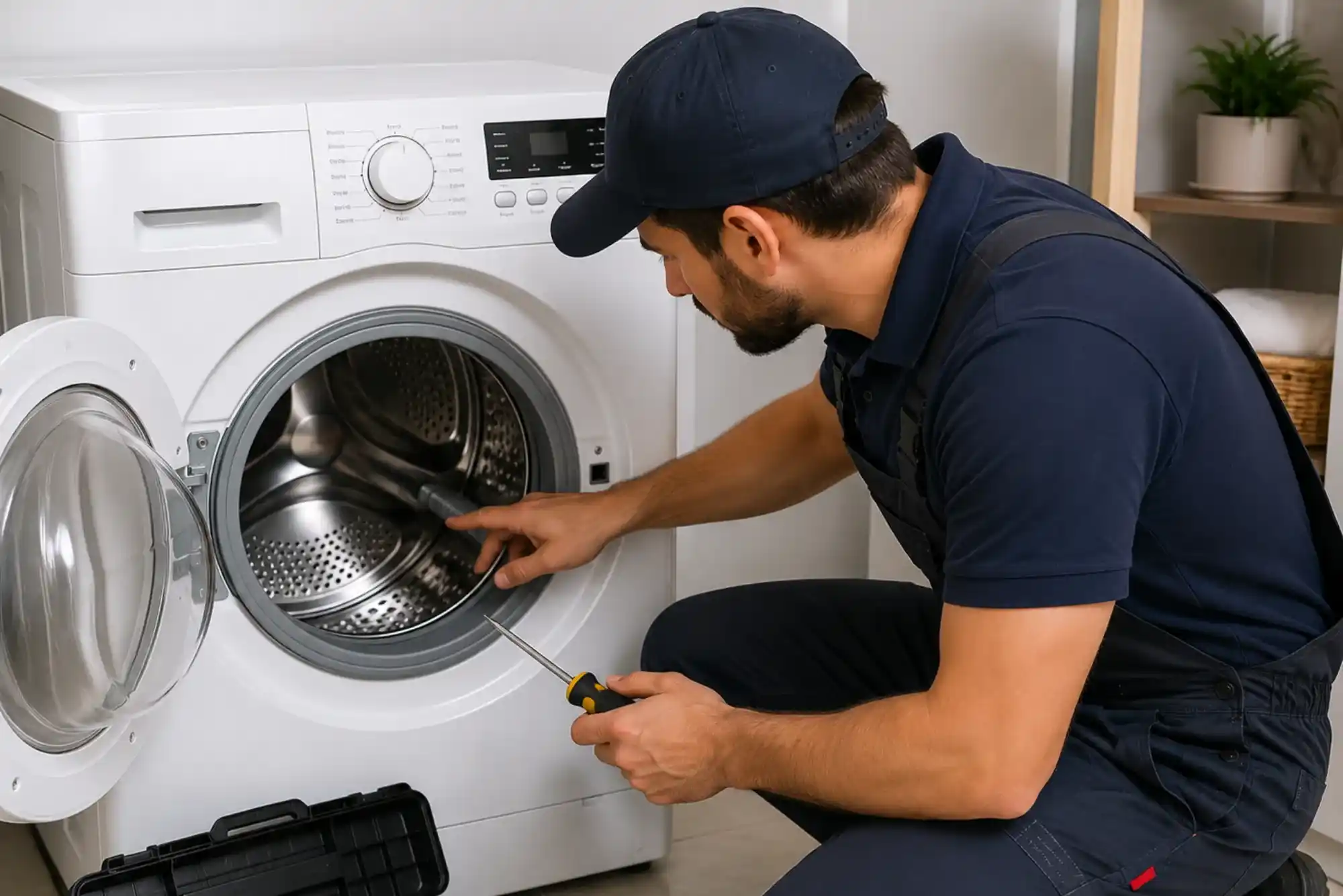
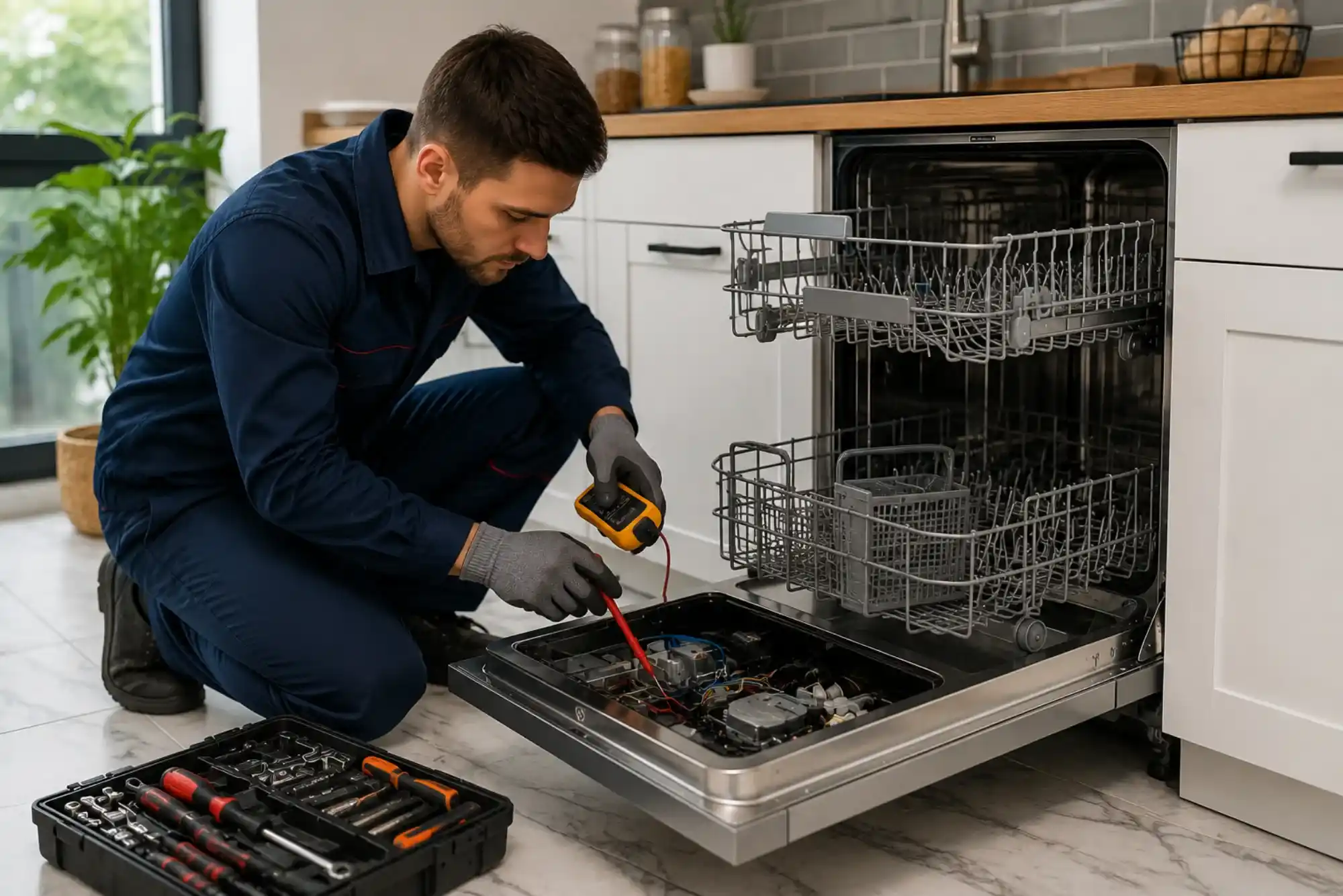
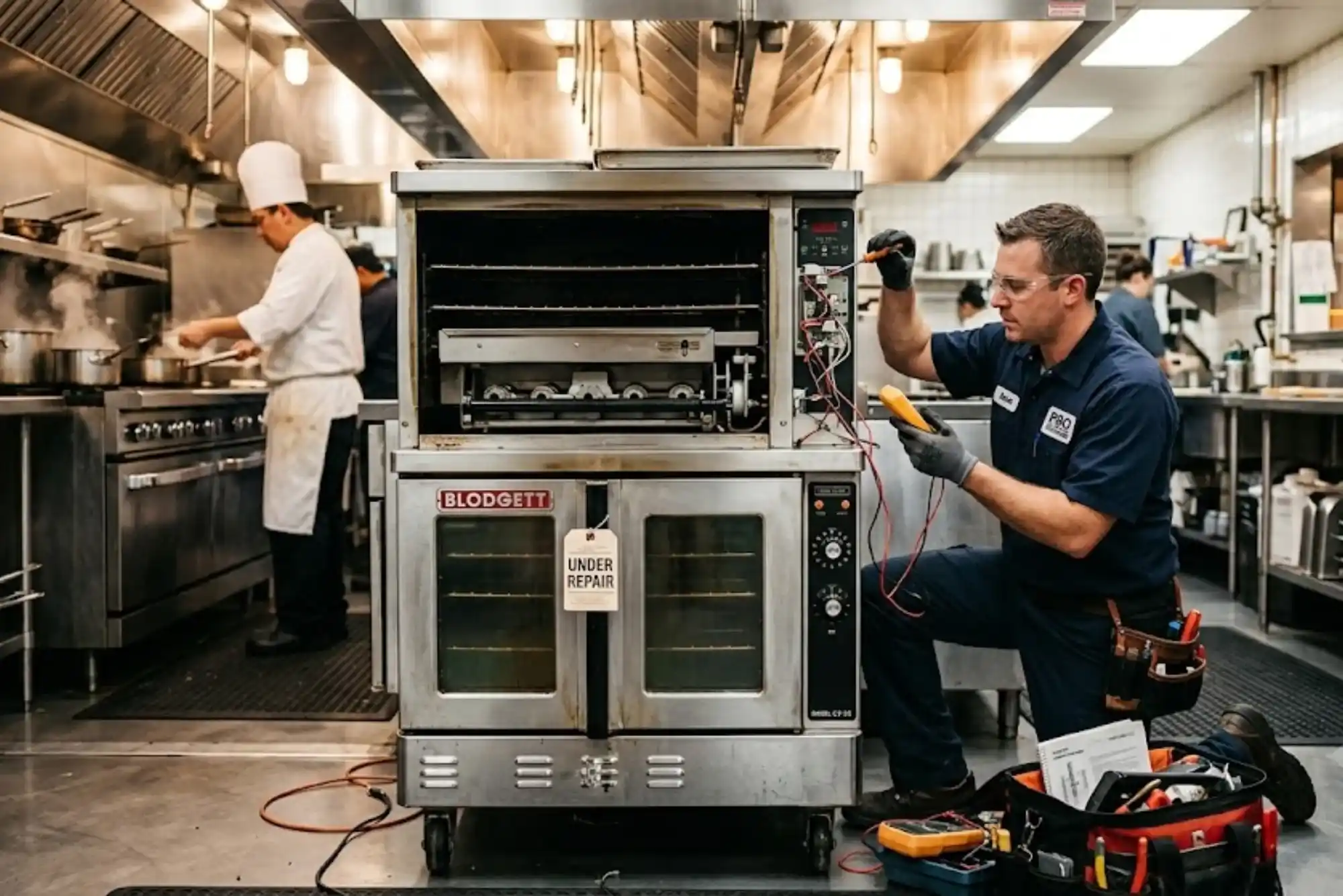
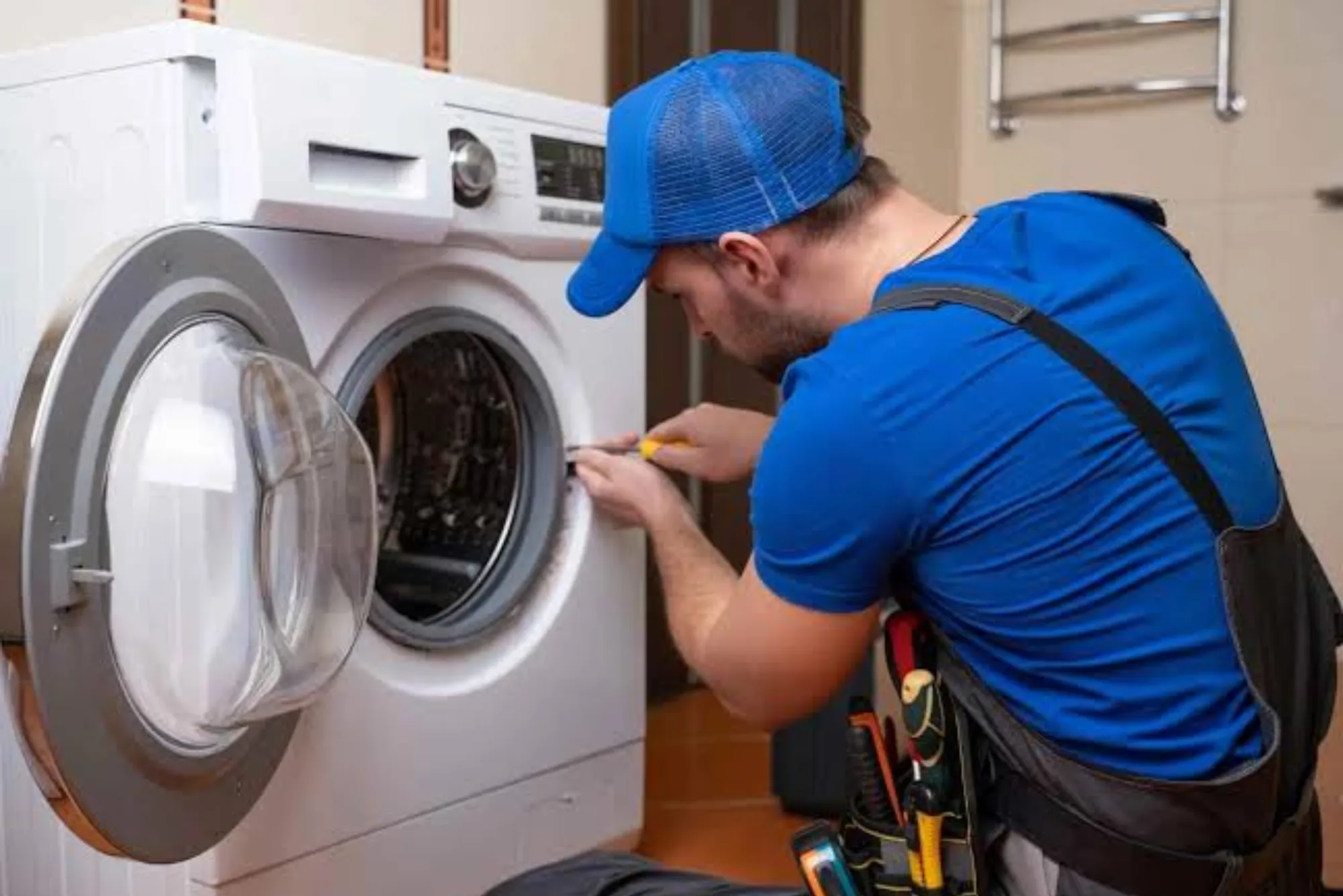
A dishwasher is one of the most useful appliances in any modern kitchen, saving time, effort, and water with every cycle. Like any machine, however, dishwashers eventually begin to show signs of wear and tear. At some point, homeowners face the common dilemma: should you repair your dishwasher or replace it altogether?
The answer is not always straightforward, as it depends on the age of the appliance, the nature of the issue, the repair cost compared to replacement, and how reliable the machine is in your daily household routine. Making the right choice can save you money, prevent frustration, and ensure your kitchen continues to run smoothly.
The Importance of a Reliable Dishwasher
Dishwashers are more than a luxury; for many families, they are a necessity. Busy lifestyles leave little time for handwashing dishes, and with growing awareness about water conservation, dishwashers are proven to use significantly less water compared to traditional washing. They also sanitize more effectively, keeping your household healthier. When your dishwasher begins to fail, it disrupts your daily routine, increases household chores, and may even increase utility bills due to inefficiency. That is why it’s important to assess whether a failing dishwasher is worth repairing or whether it is better to invest in a new one.
Understanding the Typical Lifespan of a Dishwasher
On average, dishwashers last between seven to twelve years, depending on the brand, usage frequency, and maintenance. High-end models may last even longer if properly cared for, while cheaper units might fail sooner. If your dishwasher is relatively new and still under warranty, repair is usually the most sensible option.
However, if your machine is over a decade old and facing frequent issues, replacement might make more financial sense in the long term. Knowing where your dishwasher falls in this timeline is crucial for deciding the best course of action.
Common Signs Your Dishwasher May Need Attention
Dishwashers rarely fail without warning. There are usually clear signs that indicate whether a repair or replacement is necessary. Poor cleaning performance, strange noises, water leaks, failure to drain, or unpleasant odors are common issues that need professional assessment. Sometimes, these issues are minor and can be fixed with affordable repairs. In other cases, they may point to larger, more expensive problems that could justify investing in a new appliance.

Cost Considerations: Repair vs. Replacement
One of the biggest factors in deciding between repair and replacement is cost. A simple repair such as unclogging the drain or replacing a seal is relatively inexpensive and extends the life of Repair Your dishwasher. However, if major components such as the motor, pump, or electronic control board fail, the repair costs can be high—sometimes close to the price of a new dishwasher. A useful guideline is the 50% rule: if the repair costs more than half the price of a new dishwasher, replacement is generally the smarter option.
Another consideration is energy efficiency. Newer dishwashers are designed to meet modern energy standards, which can significantly reduce your electricity and water bills. If you are paying a lot to keep an old, inefficient dishwasher running, upgrading to a modern, eco-friendly model can save you money in the long run.
The Role of Energy Efficiency and Technology
Appliance technology is evolving rapidly, and dishwashers today are far more advanced than those made a decade ago. They offer features like smart sensors, energy-saving cycles, quiet operation, and improved drying capabilities. Older dishwashers may lack these conveniences and cost more to operate due to outdated designs. If your current dishwasher is inefficient, upgrading to a new model is not just about convenience but also about environmental responsibility. Over time, the energy and water savings from a new machine can offset the upfront investment.
Emotional and Practical Factors to Consider
It’s not always about numbers. For many homeowners, the decision is also about convenience and peace of mind. An older dishwasher that constantly breaks down, even with minor issues, can cause stress and inconvenience. Constantly calling for repairs and worrying about whether it will last through the next cycle can become exhausting. In such cases, replacing the dishwasher offers not only long-term savings but also a sense of reliability and comfort in your daily kitchen routine.
When Repair Makes the Most Sense
There are clear scenarios where repairing your dishwasher is the better option. If the appliance is less than five years old, still under warranty, and the issue is minor, then repair is the most cost-effective solution. Issues like clogged spray arms, faulty door latches, or minor leaks can usually be resolved quickly and affordably. Regular maintenance, such as cleaning filters and ensuring proper installation, can also prevent problems from escalating.
When Replacement Is the Smarter Choice
On the other hand, replacement makes sense when your dishwasher is nearing the end of its expected lifespan and requires frequent repairs. If your machine is inefficient, noisy, or struggles to clean dishes even after servicing, it may be time to invest in a new model. Replacement is also a good idea if the repair involves major components such as the motor or control board, as these repairs can be very costly and may only provide a temporary fix.
Professional Guidance and Expert Advice
Ultimately, the decision between repair and replacement should be guided by professional assessment. Appliance repair technicians can diagnose the problem accurately and provide an honest cost comparison between repair and replacement. Seeking expert advice ensures you make an informed decision based on the actual condition of your appliance rather than guesswork. Professionals can also recommend whether your dishwasher is worth repairing or if the time has come for a new, efficient model.
Extending the Life of Your Dishwasher
Regardless of whether you repair or replace your dishwasher, adopting good maintenance habits will extend the life of your appliance. Regularly cleaning the filter, checking for clogs, running hot water before starting a cycle, and using the right detergent are small steps that can make a big difference. Proper care not only improves performance but also reduces the likelihood of costly breakdowns.
Final Thoughts on the Repair vs. Replace Decision
The decision of whether to repair or replace your dishwasher depends on a balance of cost, age, efficiency, and convenience. If the repair is minor and the dishwasher is relatively young, repairing it is often the smarter move. However, if the machine is old, inefficient, and costly to fix, investing in a new dishwasher will provide better value and peace of mind in the long run. With the rapid advancement of energy-efficient technology, replacement is becoming increasingly attractive for many homeowners.
At the end of the day, the goal is to ensure your kitchen runs smoothly with minimal hassle. Whether through repair or replacement, making the right decision about your dishwasher will save you time, money, and effort while keeping your household routine efficient and stress-free.