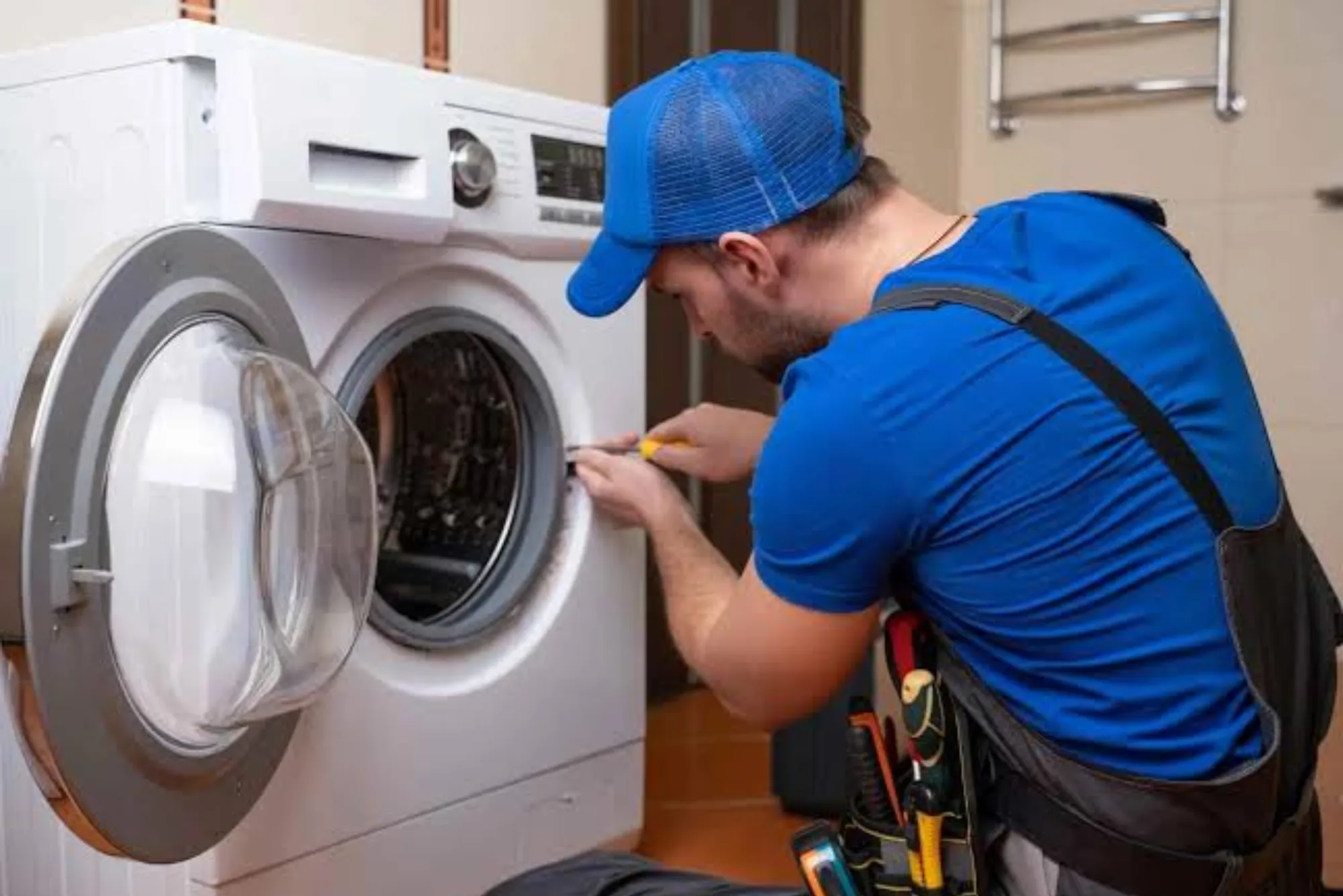
Dishwashers are no longer a luxury in today’s homes; they are an essential appliance that saves time and effort by taking care of daily cleaning tasks. Yet, like any other household appliance, dishwashers are prone to wear and tear. One of the most common problems homeowners face is a faulty dishwasher door hinge. While it may seem like a small issue, a damaged hinge can cause serious inconvenience, affect performance, and even risk water leakage during cycles. Fortunately, with the right approach and understanding, repairing a dishwasher door hinge can be done at home as a DIY project.
This professional guide provides a detailed explanation of how hinges work, why they fail, how to recognize signs of damage, and how to carry out a proper repair. Whether you want to save money on service calls or prefer handling minor appliance issues yourself, this article will walk you through the process safely and effectively.
The Importance of Dishwasher Door Hinges
The door hinge in your dishwasher is more than just a simple mechanical joint. It plays a crucial role in ensuring the door opens smoothly, closes securely, and maintains the correct alignment with the rest of the unit. Inside the hinge mechanism are springs or tension cables designed to balance the weight of the door. This allows it to stay in place when partially opened and prevents it from dropping suddenly when released.
When the hinge is working correctly, the dishwasher door feels light and easy to maneuver, while the internal seal creates a watertight closure during cleaning cycles. A faulty hinge, however, can lead to improper sealing, door misalignment, or even difficulty starting the appliance, since most dishwashers require the door to be fully latched before the cycle begins.
Why Dishwasher Hinges Fail
Hinge problems usually develop over time due to continuous use. The repeated opening and closing put stress on the springs and tension cables, which can eventually weaken or snap. In some cases, corrosion or rust may affect the metal parts, reducing their strength and mobility. If the dishwasher is not properly leveled, the uneven weight distribution can also put extra pressure on one side of the hinge, causing premature failure.
Another common cause is misuse. Many people unknowingly put stress on their dishwasher doors by leaning on them or placing heavy objects on top while loading dishes. This habit places significant strain on the hinge mechanism, increasing the risk of damage. Accidental impact, such as bumping into the open door or forcing it shut, can also bend or misalign the hinge.

Recognizing the Signs of a Faulty Hinge
Detecting hinge issues early can prevent more expensive repairs later. A noticeable sign is when the door feels unusually heavy or drops quickly when opened. This usually indicates a broken spring or disconnected tensio
n cable. If the door refuses to stay in place when partially opened, it is another clear symptom.
Misalignment can also be observed when one side of the door appears lower than the other, making it difficult to latch the appliance properly. You may also hear squeaking, grinding, or clicking sounds when opening and closing the door. These noises suggest friction or stress within the hinge assembly. In more severe cases, the dishwasher may leak water during operation because the door cannot seal tightly.
Preparing for a DIY Repair
Before beginning any repair, safety should be your top priority. Always disconnect the dishwasher from its power source. If it is hardwired, switch off the breaker to eliminate electrical risks. It is also a good idea to shut off the water supply, especially if you need to adjust the unit’s position during the repair.
Next, ensure you have the necessary tools and replacement parts. A screwdriver set, pliers, and possibly a wrench are typically required. Replacement hinges, springs, or cables must be compatible with your dishwasher’s make and model. Checking the user manual or searching online with the model number can help you purchase the correct parts. Preparing everything beforehand makes the repair process smoother and avoids interruptions.
The Repair Process
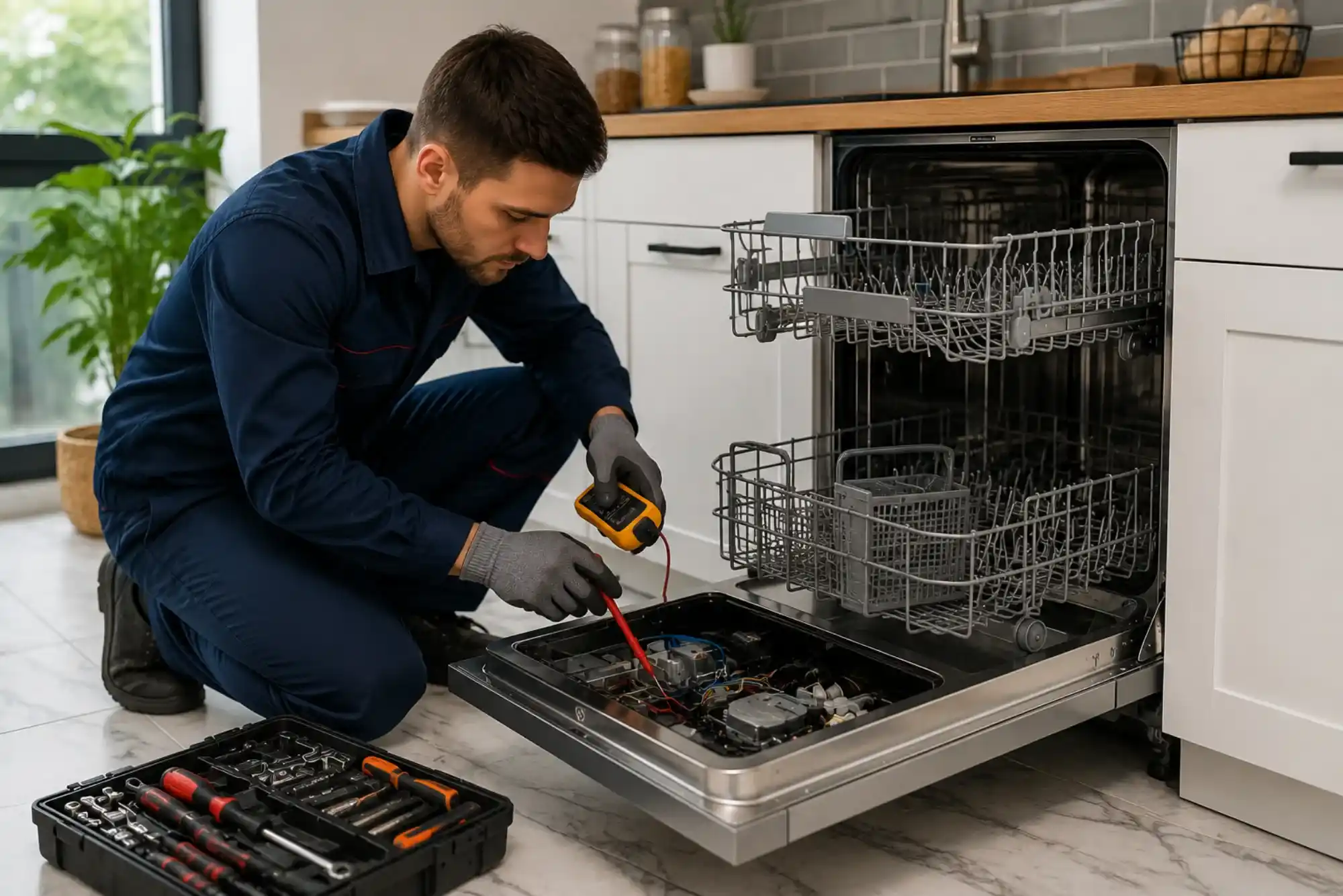
Carrying out a hinge repair involves carefully exposing the side panels of the dishwasher. Start by removing the screws that secure the unit to the countertop and gently pulling the dishwasher away from the cabinet. This step provides access to the hinge assembly located near the base of the unit on both sides.
If the problem lies in the tension cables, inspect them closely. A broken or frayed cable should be replaced immediately. To do this, detach the damaged cable from the hinge and frame anchor point, then attach the new cable in the same position. Ensure the replacement is properly secured and tensioned so that the door operates evenly on both sides.
If the spring has lost its strength or snapped, it should be replaced. Carefully unhook the damaged spring and install the new one, matching the alignment of the original setup. In cases where the hinge bracket itself is bent or damaged beyond adjustment, replacing the entire hinge assembly is the best solution. Unscrew the old hinge, position the new one, and secure it tightly.
Once the repair is complete, test the door before reinstalling the dishwasher. Open and close it slowly to check for smooth movement and balanced weight. The door should remain steady when left partially open, without dropping suddenly or resisting motion. After confirming the hinge works correctly, slide the dishwasher back into place, secure it to the countertop, and reconnect both the power and water supply.
Post-Repair Testing
It is important not to skip testing once the repair is done. Run a short cycle to ensure the dishwasher functions properly. Pay close attention to whether the door seals tightly, as even a slight misalignment can cause leaks. Testing also confirms that the latch mechanism engages correctly, allowing the appliance to start and complete cycles without interruption.
Maintaining Your Dishwasher Hinges
After repairing the hinge, adopting good habits will help extend its life. Avoid leaning on the door or placing heavy items on it, as this creates unnecessary strain. Make sure the dishwasher remains level, as uneven weight distribution can stress the hinges. From time to time, visually inspect the hinges and cables for wear. Addressing small issues early will prevent complete hinge failure and keep your dishwasher operating reliably.
When to Seek Professional Help
Although many hinge problems can be resolved with a DIY repair, there are situations where professional help is necessary. If the damage extends to the dishwasher’s frame, if the hinges are integrated with electronic components, or if you are not comfortable disconnecting electrical or plumbing connections, it is wise to contact a qualified technician. Professionals not only ensure a safe and effective repair but can also inspect the appliance for other hidden issues that may need attention.
Final Thoughts
A faulty dishwasher hinge is a common but manageable issue. By understanding how hinges work, identifying symptoms of damage, and following a careful repair process, you can successfully carry out a DIY dishwasher door hinge repair. Taking the time to fix the problem restores your dishwasher’s convenience, prevents further damage, and saves the cost of unnecessary service calls. With proper maintenance and responsible use, your hinges will continue to support smooth and reliable dishwasher performance for years to come.