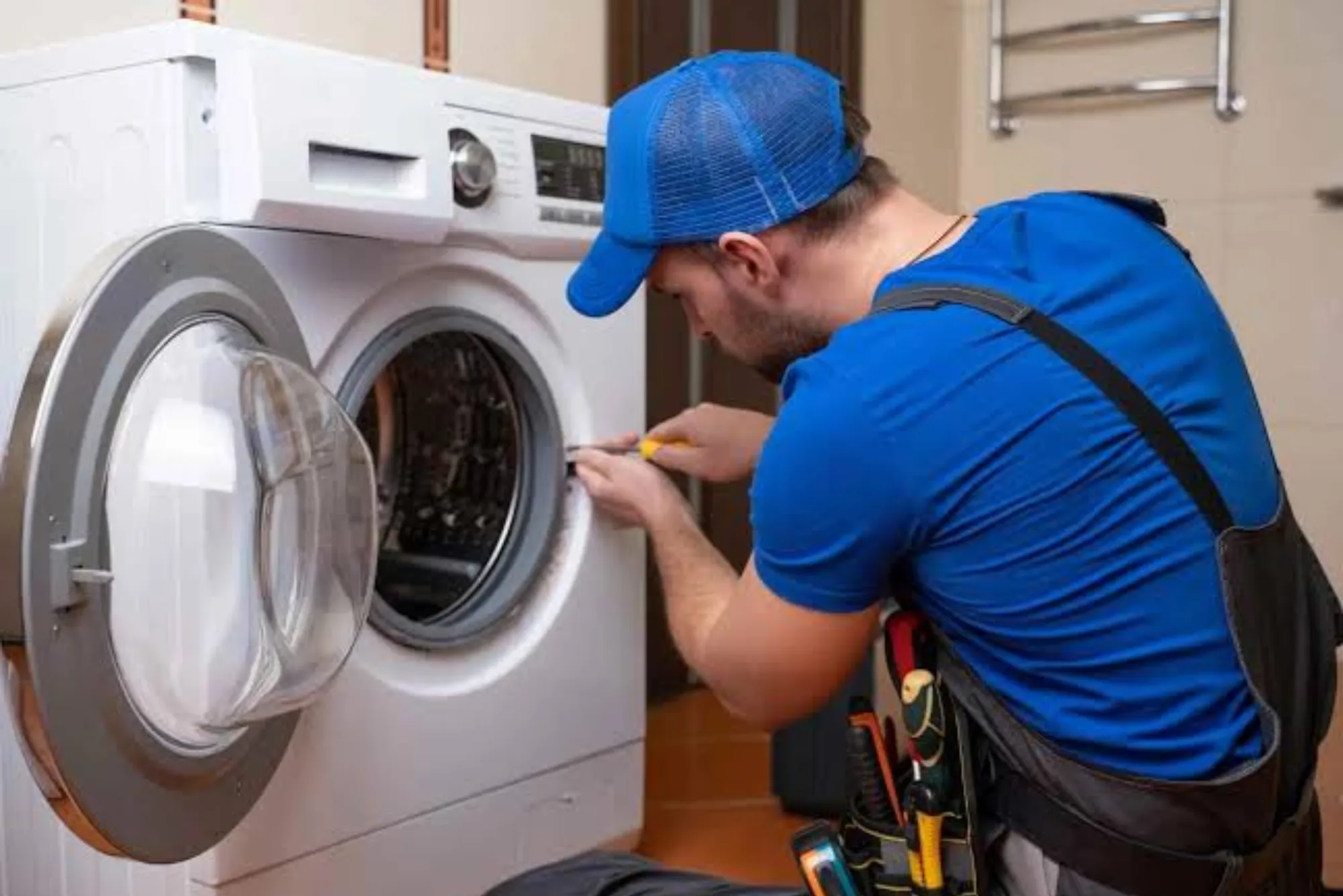
A washing machine is one of the most reliable and hardworking appliances in any home. It takes care of laundry needs efficiently, saving both time and effort. However, when a washing machine begins to overflow with water, it quickly turns from a helpful tool into a source of frustration and potential damage. Water spilling onto the floor not only disrupts household routines but can also harm flooring, electrical systems, and even the internal components of the machine itself. Understanding why this happens and how to troubleshoot it effectively is essential for keeping your appliance running smoothly.
Understanding How the Water Control System Works
Before addressing overflow problems, it helps to understand how the water system inside a washing machine functions. Every machine has an inlet valve, a pressure switch, a water level sensor, and control circuits that work together to regulate how much water enters the drum. When you select a wash cycle, the valve opens to allow water in. The pressure sensor monitors the level, and once it reaches the set point, it signals the control board to close the valve.
If any part of this system fails, the machine may not detect when the correct level is reached, leading to continuous filling and overflow. Troubleshooting water overflow is therefore a matter of identifying which component has stopped working correctly.
Common Reasons Behind Washing Machine Overflow
A malfunctioning pressure switch is often one of the most common causes of overflow. When it fails to register the water level, the inlet valve remains open longer than necessary. In some cases, the issue may lie in a blocked pressure hose that prevents air pressure from reaching the switch. Another frequent reason is a defective inlet valve that remains stuck in the open position, allowing water to continue flowing even when the machine is off.
Electrical or control board malfunctions can also trigger overflow. The control board acts as the brain of the washing machine, and if it fails to send the right signals to the inlet system, water will not stop flowing. In rare cases, an incorrect installation or improper water pressure in the household supply can contribute to similar issues.
Signs That Point to an Overflow Problem
Sometimes the signs of an overflow are obvious, such as water leaking from the bottom or pooling around the machine. At other times, they are more subtle. You may notice that the machine fills beyond the normal level before beginning the wash cycle or that the drain pump runs longer than usual. These are early indicators that something in the water control system is malfunctioning.

Persistent overflow problems can cause hidden water damage to the electrical components, leading to even more severe malfunctions. Acting quickly at the first signs of trouble can save time, money, and unnecessary damage to your appliance and flooring.
The Importance of Professional Diagnosis
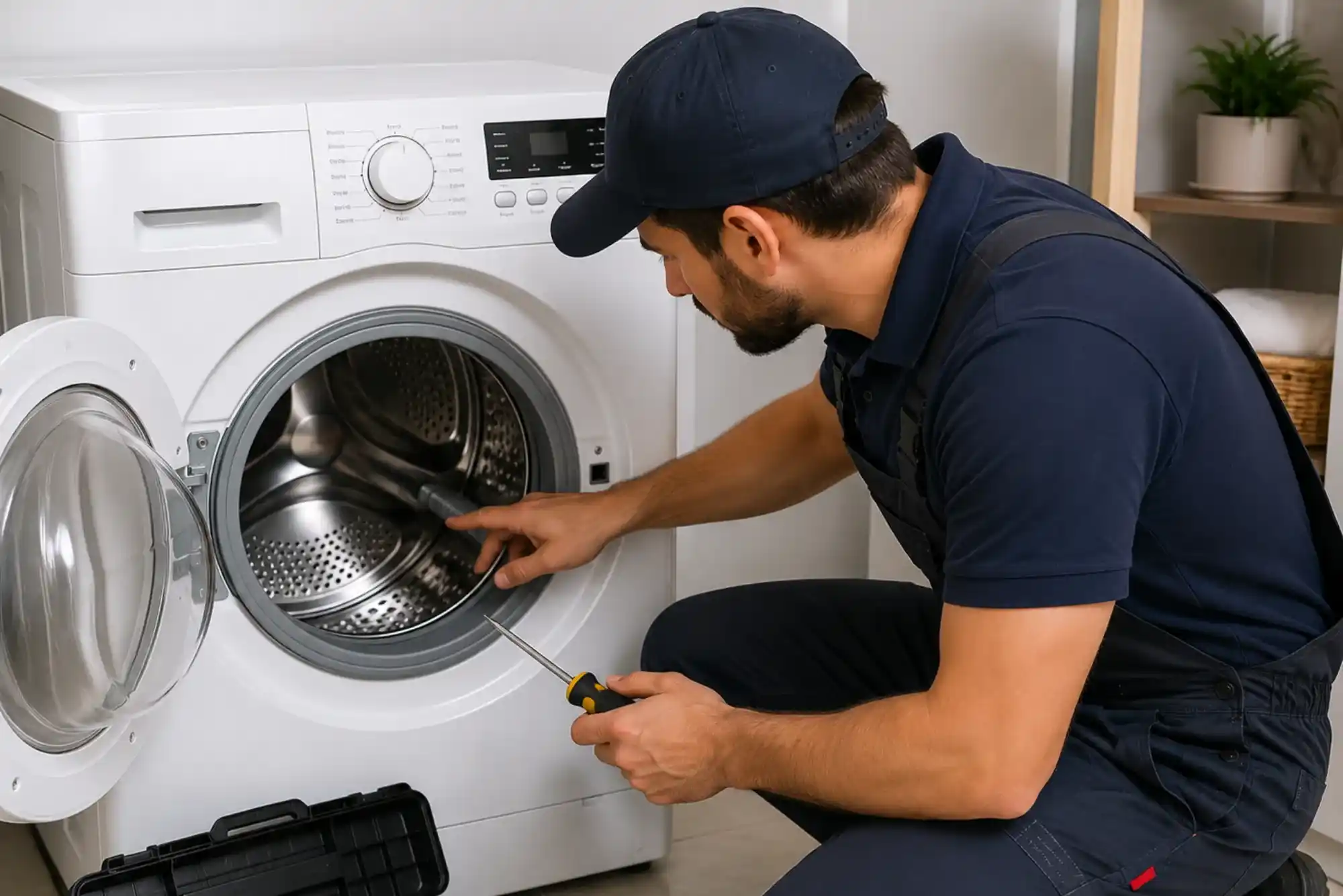
While some homeowners may attempt to troubleshoot on their own, modern washing machines are sophisticated and electronically controlled. Pinpointing the exact cause of water overflow without the right tools and expertise can be difficult and potentially risky. Handling electrical connections or water lines without experience can worsen the problem or even cause injury.
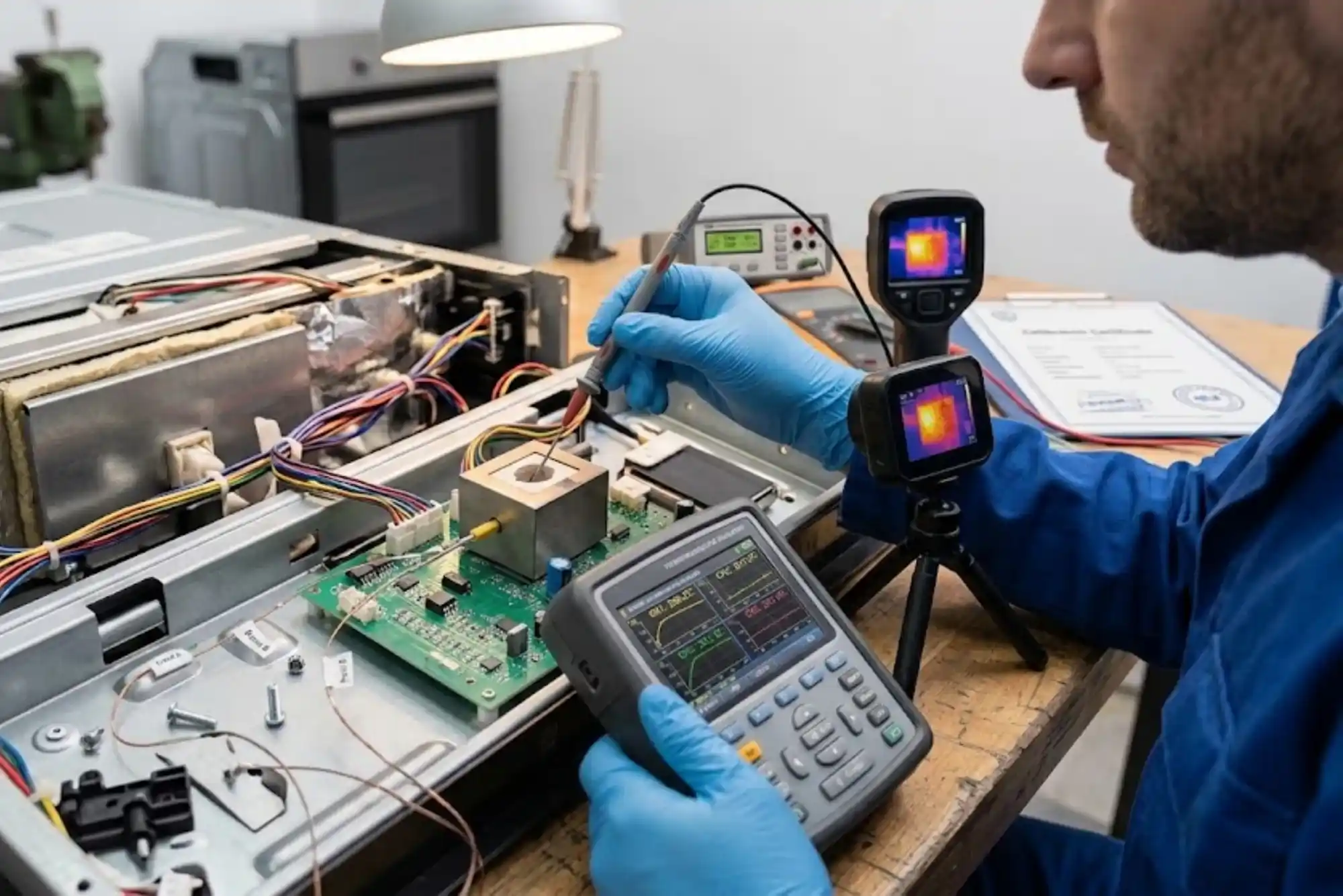
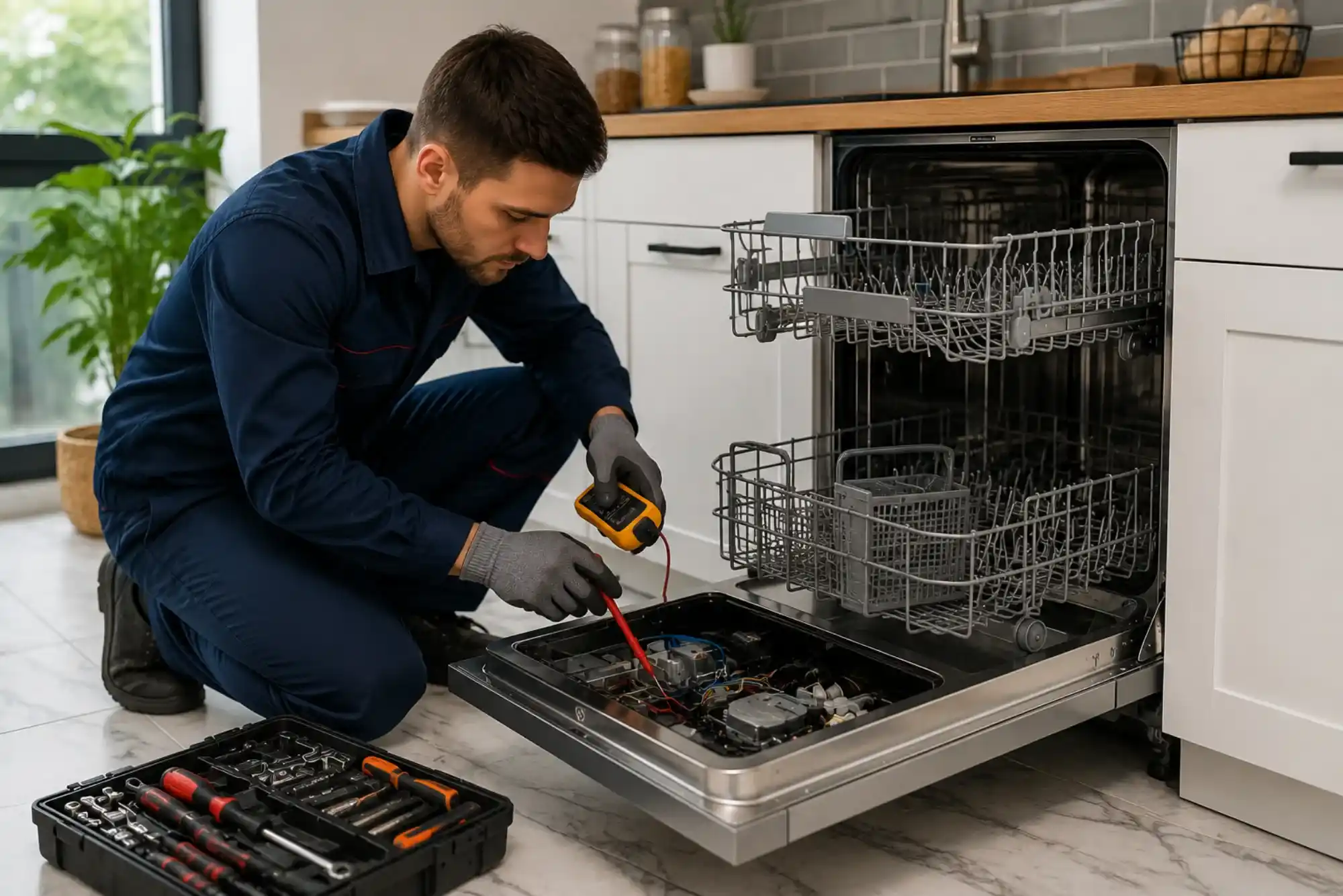
Professional technicians have the tools and knowledge to inspect the pressure switch, test valves, and check circuit continuity safely. They can quickly determine whether the issue lies in a mechanical part or within the electronic control system. This accuracy not only ensures a proper fix but also helps prevent future breakdowns.
Preventing Future Overflow Problems
Once the washing machine has been repaired, preventive care becomes essential. Regular maintenance, such as cleaning the detergent dispenser and checking the inlet hoses for blockages, helps maintain proper water flow. Ensuring that the machine is installed on a level surface also supports the internal sensors in functioning correctly.
Using the correct detergent in the right amount can make a surprising difference as well. Excessive suds from too much detergent can trick sensors into misreading water levels, causing unnecessary overflow or drainage issues. Following the manufacturer’s recommendations for load size, water temperature, and detergent type ensures the machine operates at its best.
The Role of Modern Technology in Preventing Overflow
Many modern washing machines are now designed with built-in safety features to prevent overflow. Advanced sensors monitor not only water levels but also water pressure and flow rate. Smart appliances can even send alerts to mobile devices if a malfunction is detected. However, even these intelligent systems require periodic maintenance and occasional repairs to keep functioning properly.
Technology makes troubleshooting easier for professionals, as diagnostic codes and error messages can guide technicians toward the exact cause. Whether the issue involves a sensor, control board, or inlet valve, the ability to identify the problem quickly reduces downtime and ensures efficiency.
Why Timely Repairs Are Crucial
Delaying repairs when your washing machine overflows can cause long-term damage. Continuous exposure to moisture can corrode internal wiring and damage sensors, leading to higher repair costs in the future. Additionally, standing water around the machine can create safety hazards, especially in areas with electrical outlets nearby.
Taking prompt action not only protects your appliance but also ensures energy efficiency and safety. A well-maintained machine uses less water, completes cycles more effectively, and contributes to overall household convenience.
When to Replace Instead of Repair
In some cases, persistent overflow problems may indicate a larger issue within the machine’s internal control system. If the appliance is old or has required multiple repairs in recent years, replacement might be a more economical option. Technicians can help determine whether repair or replacement makes the most sense, considering both the cost and the expected lifespan of the machine.
Modern washing machines come equipped with enhanced sensors and self-regulating systems, which can greatly reduce the risk of overflow. Investing in a new model can provide peace of mind and improved efficiency in the long run.
Keeping Your Washing Machine Reliable
A washing machine water overflow can seem alarming, but understanding the underlying causes and acting quickly makes all the difference. Every overflow is a sign that one of the control systems is not functioning as it should. Whether the problem stems from a faulty valve, pressure switch, or control board, addressing it promptly restores performance and prevents further complications.
With regular care, timely maintenance, and professional attention when necessary, your washing machine can continue to serve efficiently for years. By taking proactive measures and staying alert to changes in how your appliance behaves, you can prevent overflow issues and keep your laundry routine running smoothly.