Dishwashers have become an integral part of modern households, offering convenience, efficiency, and consistent cleaning power. Like every appliance, however, dishwashers are equipped with a variety of internal components designed to ensure safe and effective operation. One of the most important yet often overlooked parts is the overflow switch. This small device plays a critical role in preventing water damage, protecting electrical circuits, and maintaining the smooth functioning of the dishwasher. While many homeowners are familiar with common dishwasher problems such as clogged filters, faulty pumps, or heating issues, the overflow switch remains largely unnoticed until it fails. Understanding its role, function, and importance can help homeowners maintain their appliances more effectively and prevent costly repairs.
What Is an Overflow Switch in a Dishwasher?
The overflow switch is a safety component designed to detect excessive water inside the dishwasher. Its primary role is to stop the water flow if the appliance begins to overfill. When functioning correctly, the overflow switch ensures that the dishwasher never holds more water than it can safely manage. Without this safety feature, an unnoticed malfunction in the water inlet valve or control system could lead to significant flooding in the kitchen, damaging floors, cabinets, and other household appliances.
Physically, the overflow switch is a small device often located at the base of the dishwasher. It is connected to a float or sensor that rises with the water level. Once the float reaches a certain point, the switch is triggered, cutting off the water supply and signaling the dishwasher’s control board to stop filling. This automatic response is crucial for preventing dangerous situations such as leaks, electrical malfunctions, or structural water damage.
Why the Overflow Switch Is Essential for Dishwasher Safety
Safety is one of the most important reasons the overflow switch exists. Dishwashers operate by combining water and electricity in a confined space. Any excessive water flow that is not controlled can create hazards. A failed water inlet valve, for example, might continue supplying water without shutting off, causing the tub to overflow. Without the overflow switch acting as a safeguard, this excess water could reach electrical components, leading to short circuits or even fire risks.
Additionally, dishwashers are usually installed in kitchens with hardwood, tile, or laminate flooring. Even a small water leak left unchecked can seep under the flooring, warp wood, or create mold problems. Repairing water damage often costs far more than replacing a dishwasher, making the overflow switch an inexpensive yet vital part of the appliance’s protection system.
The Connection Between the Overflow Switch and Dishwasher Efficiency
Apart from safety, the overflow switch contributes directly to the dishwasher’s overall efficiency. When the water level is regulated, the spray arms can operate correctly, distributing water evenly across dishes. Excess water would dilute detergent, reduce cleaning power, and create unnecessary strain on the pump. On the other hand, insufficient water due to a malfunction in the filling cycle can leave dishes dirty and result in repeated wash cycles, wasting energy and water.

By maintaining proper water levels, the overflow switch ensures that each cycle uses the right amount of water for optimal cleaning performance. This balance not only enhances cleaning results but also helps extend the lifespan of other internal parts, such as the pump and motor, by preventing them from overworking in flooded conditions.
Common Problems with Overflow Switches
Like any component, overflow switches can develop issues over time. One common problem is when the float becomes stuck due to debris, detergent residue, or mineral buildup from hard water. If the float cannot move freely, the switch may not activate at the correct water level. This can either cause the dishwasher to overfill or prevent it from filling at all.
Another potential problem is electrical failure in the switch mechanism. Since the overflow switch is wired into the dishwasher’s control system, a faulty connection or worn-out contact can disrupt communication with the main control board. In such cases, the dishwasher may misinterpret water levels, leading to frequent stoppages or incomplete cycles.
Additionally, damage to the float chamber or base of the dishwasher can interfere with the switch’s function. Even minor cracks or warping can prevent the float from moving properly, compromising the entire water control system.
Signs That an Overflow Switch May Be Failing
Homeowners can often detect overflow switch issues by observing changes in their dishwasher’s behavior. If the appliance fills continuously with water even after the cycle begins, the overflow switch may not be cutting off the flow properly. Conversely, if the dishwasher stops filling too early or does not fill at all, the switch might be activating prematurely.
Other signs include unexplained water leaks, puddles forming under the appliance, or cycles ending abruptly with dishes still dirty. Sometimes, an error code may appear on modern dishwashers, signaling a problem with the water level sensor.
Repair and Maintenance of Overflow Switches
Maintaining the overflow switch is relatively straightforward compared to other dishwasher components. Regular cleaning of the float area is recommended to prevent detergent buildup or food debris from obstructing movement. Using a mild cleaner or vinegar solution can also help dissolve mineral deposits that accumulate over time.
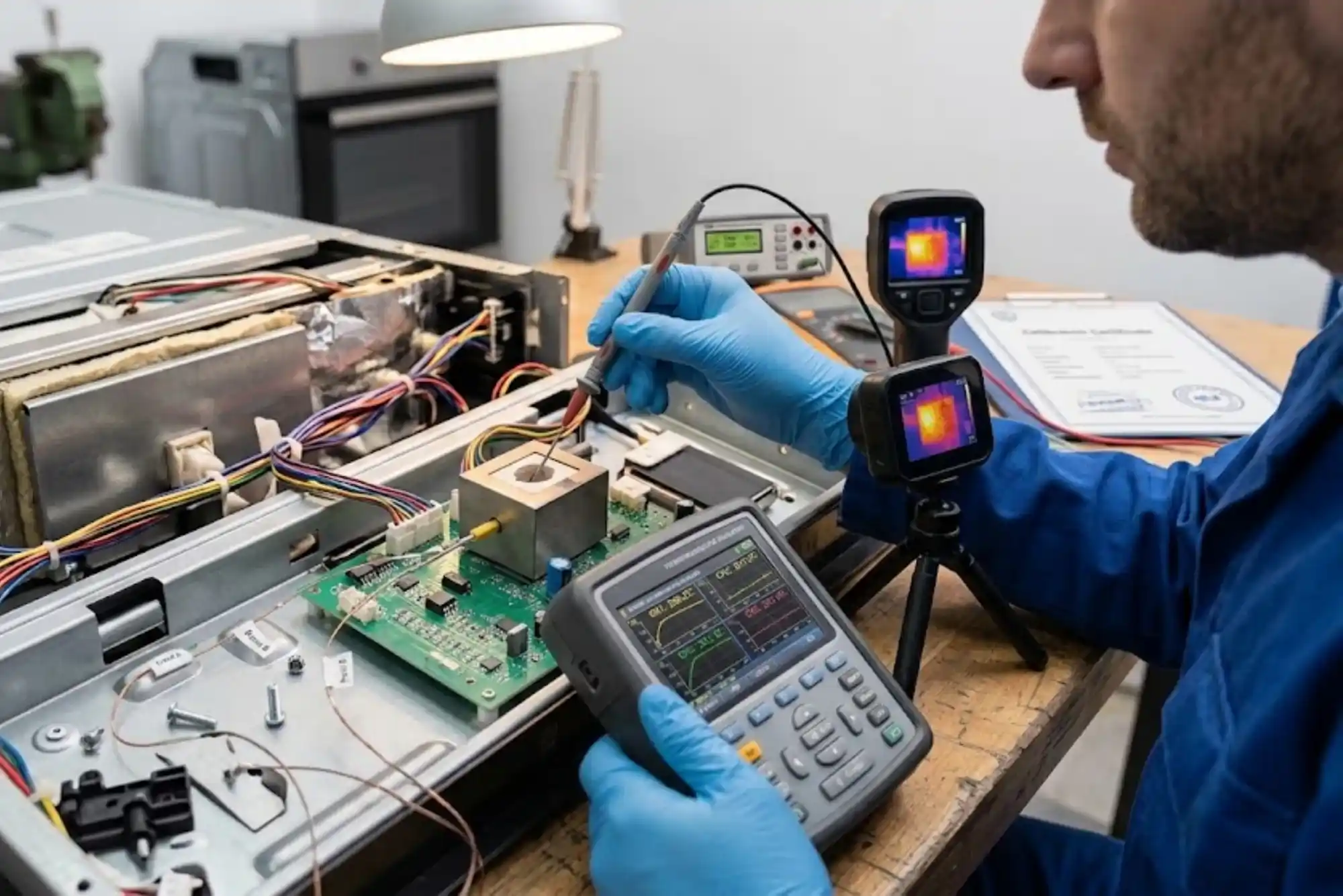
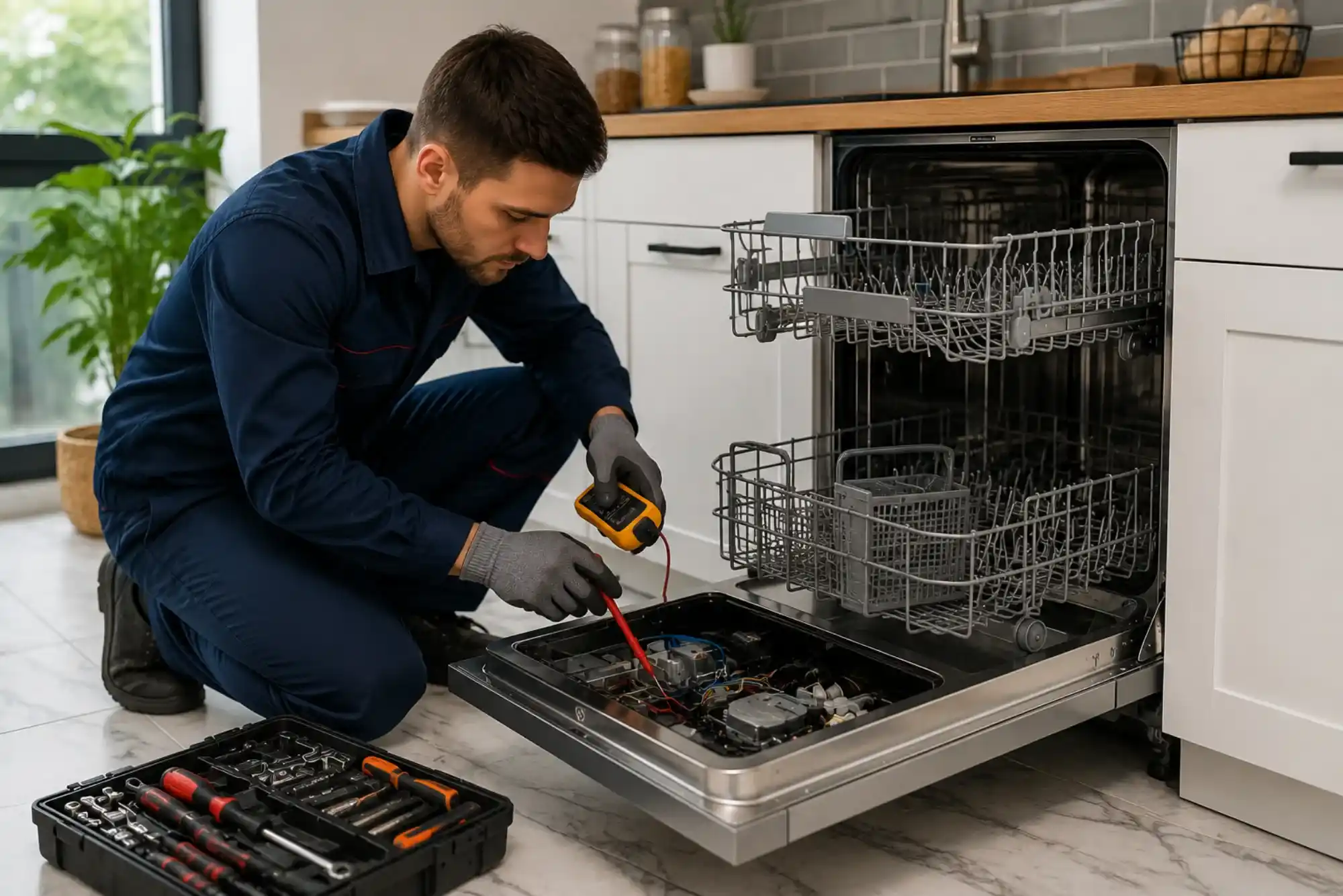
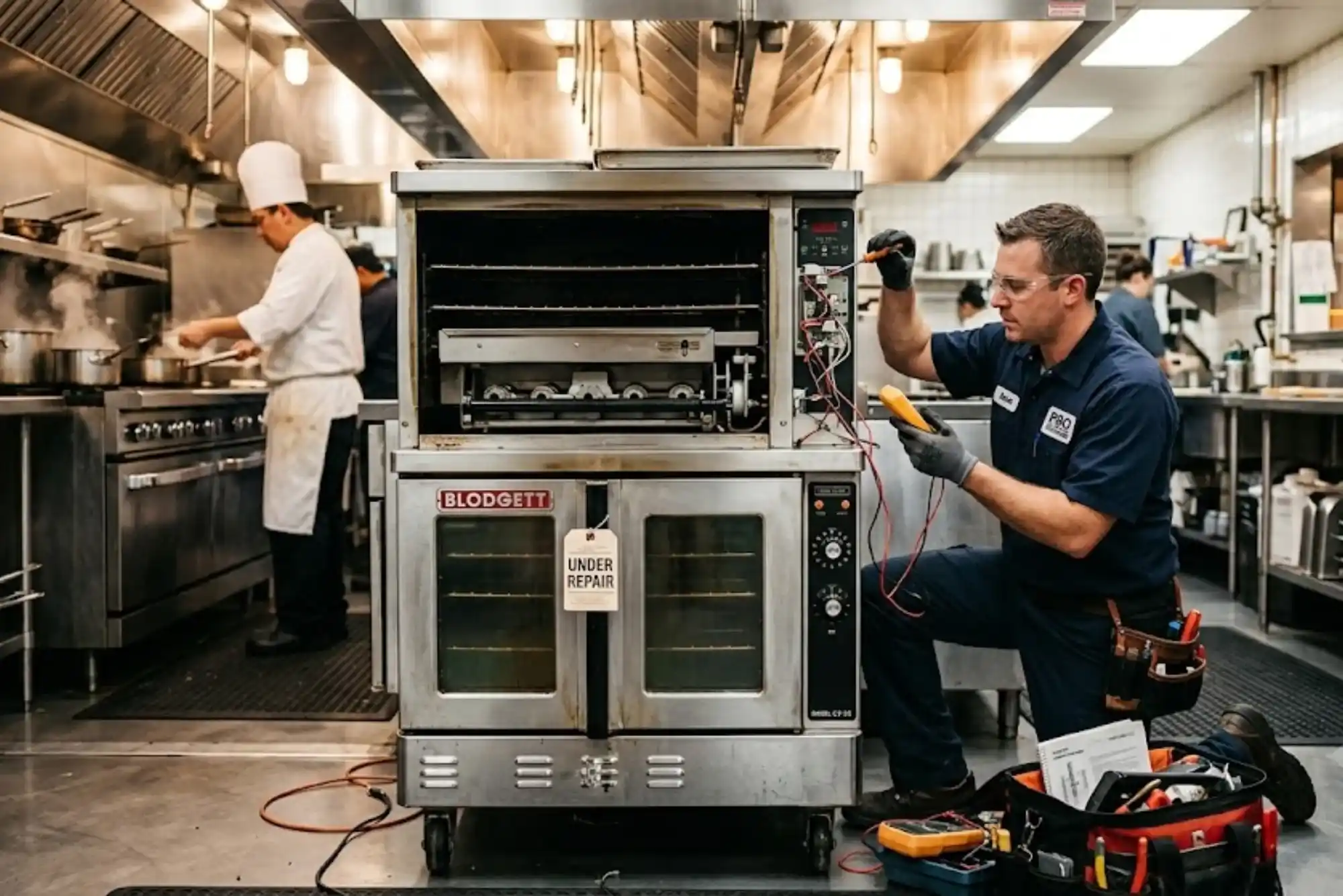
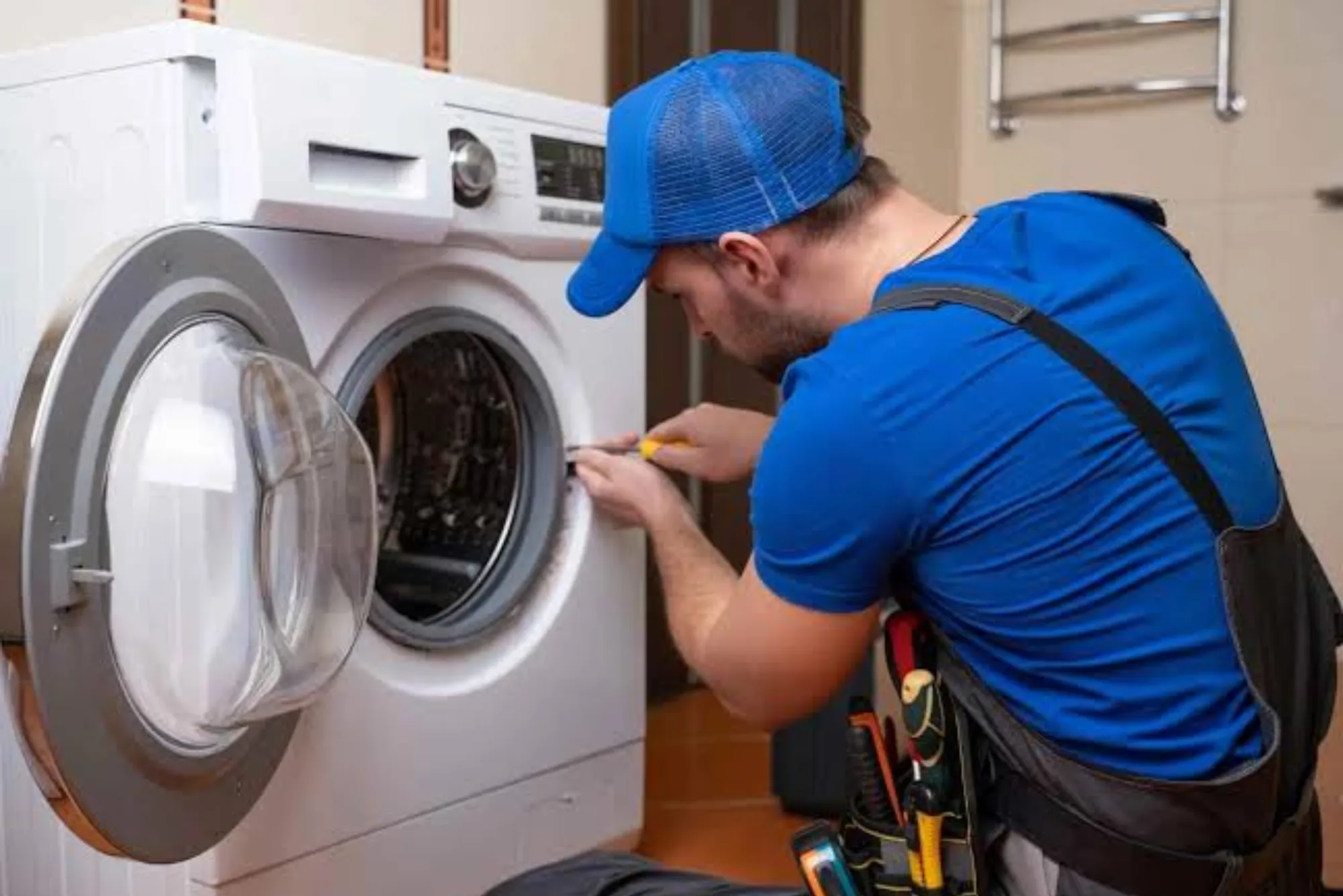
If the switch itself is faulty, replacement is usually the best option. A trained technician can test the electrical continuity of the switch using specialized tools to determine whether it is functioning properly. Replacing a defective overflow switch is generally more cost-effective than risking water damage or repeated breakdowns.
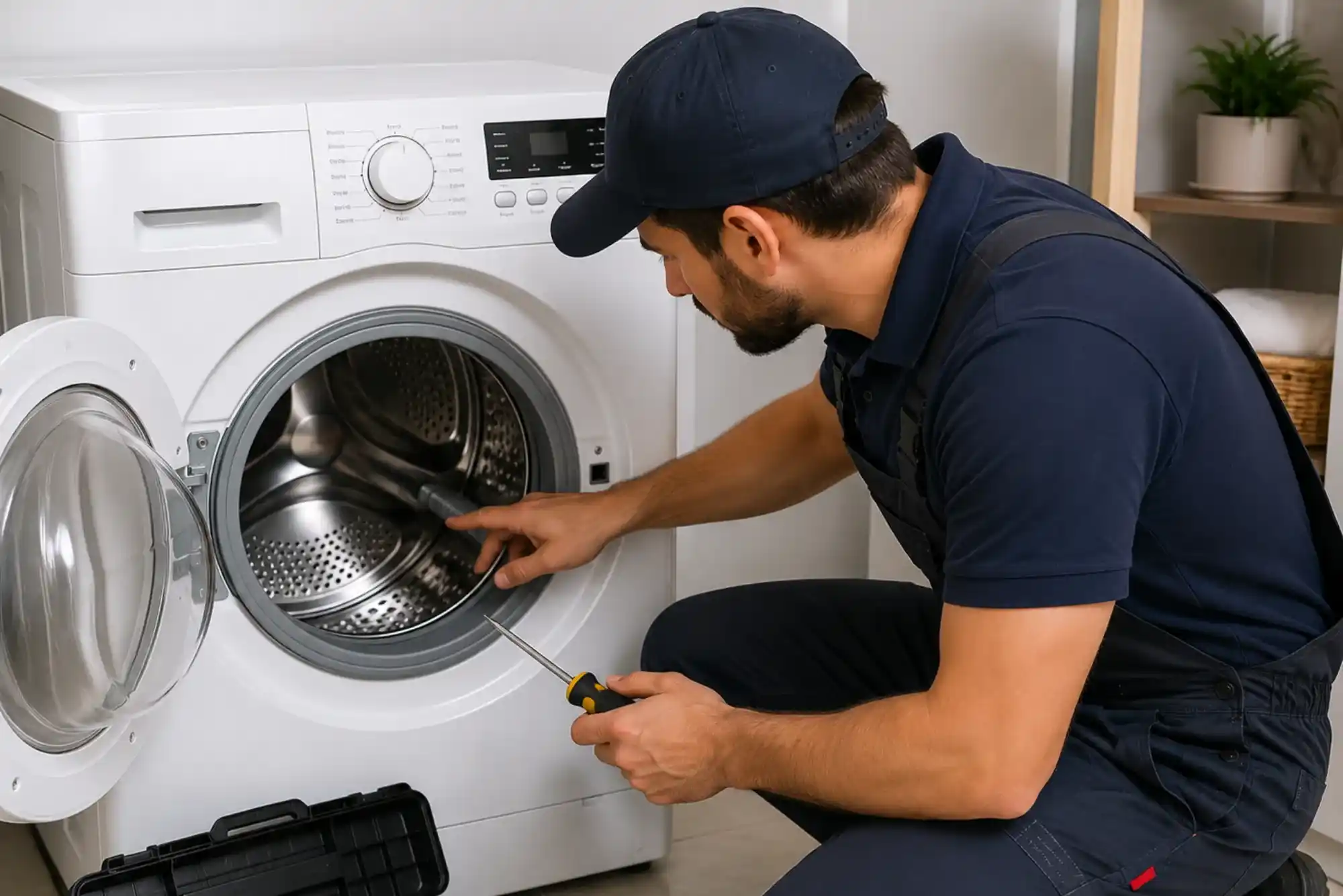
When performing repairs, it is essential to disconnect the dishwasher from power and water sources for safety. Since the overflow switch is located at the base, accessing it may require removing panels or tilting the appliance, making professional service the safer choice for most homeowners.
The Importance of Professional Service
While some maintenance tasks can be handled at home, the complexity of dishwashers often requires professional expertise. Overflow switches interact with multiple systems, including the water inlet valve, control board, and drainage system. A qualified technician can diagnose whether a malfunction is due to the switch itself, a wiring issue, or a related component.
Professional service ensures that the dishwasher is repaired correctly the first time, preventing repeated failures and unnecessary expenses. For households in busy cities where appliances are heavily used, timely service can extend the life of the dishwasher and maintain consistent performance.
Preventing Problems Before They Occur
The best way to avoid overflow switch issues is by adopting preventive maintenance. Regularly inspecting the float for smooth movement, cleaning filters to prevent clogs, and avoiding overloading the dishwasher are simple steps that contribute to the appliance’s overall health. Running periodic cleaning cycles with dishwasher-safe cleaners or vinegar can also minimize residue that interferes with moving parts.
In addition, keeping an eye on water supply pressure and ensuring the inlet valve is working properly can reduce the strain on the overflow system. If the dishwasher is older and frequently showing water-related issues, it may be worthwhile to schedule routine checkups with a professional service provider.
The overflow switch may be a small part of the dishwasher, but its role in ensuring safe and efficient operation cannot be overstated. Acting as a safeguard against flooding, electrical hazards, and performance issues, it provides peace of mind to homeowners while extending the lifespan of the appliance. Understanding how this component works, recognizing signs of failure, and investing in regular maintenance or professional service are the keys to keeping a dishwasher running smoothly.