A stove that refuses to ignite properly can turn everyday cooking into a frustrating task. You may turn the knob and hear the clicking sound, but the burner never lights, or worse, there’s complete silence from the ignition system. This common issue often points to a problem with the ignition spark system. Understanding why this happens and how to approach a safe fix is essential for anyone dealing with a faulty stove ignition. In this detailed guide, we’ll explore how ignition systems work, the common reasons they fail, and what steps professional stove repair technicians take to restore your appliance to perfect working order.
Understanding How the Stove Ignition System Works
Before diving into the causes of ignition failure, it helps to understand how a stove ignition system functions. In most modern gas stoves, the ignition spark system is an electronic mechanism that generates a small electric spark to ignite the gas when you turn the knob. When working correctly, you’ll hear a series of rapid clicks followed by a steady blue flame. The spark igniter, spark module, and ignition switch all work together to make this happen. If any of these parts fail or become dirty, the ignition process can be disrupted.
The ignition system relies on a delicate balance of gas flow and electric current. Even a small obstruction in the burner cap, a damaged spark electrode, or moisture in the ignition area can cause failure. Understanding these components helps you see why stove repair should always be handled carefully, as it involves both electrical and gas systems.
Common Causes of a Faulty Stove Ignition Spark
When your stove ignition spark stops working, it can stem from several possible causes. Dirt and grease buildup around the burner are among the most common culprits. Over time, cooking residue accumulates near the ignition electrodes and blocks the spark from reaching the gas. Moisture is another frequent issue, especially after cleaning the stove or spilling liquid near the burners.
In some cases, the spark module or the ignition switch might have failed. These electrical parts can wear out over time, causing the clicking sound to stop or continue without lighting the flame. A faulty spark electrode or a loose wire connection might also interfere with the electrical flow. While it might be tempting to attempt a quick fix, a proper diagnosis from a trained stove repair technician is crucial to ensure both safety and long-term functionality.
Step-by-Step Overview of the Stove Repair Process
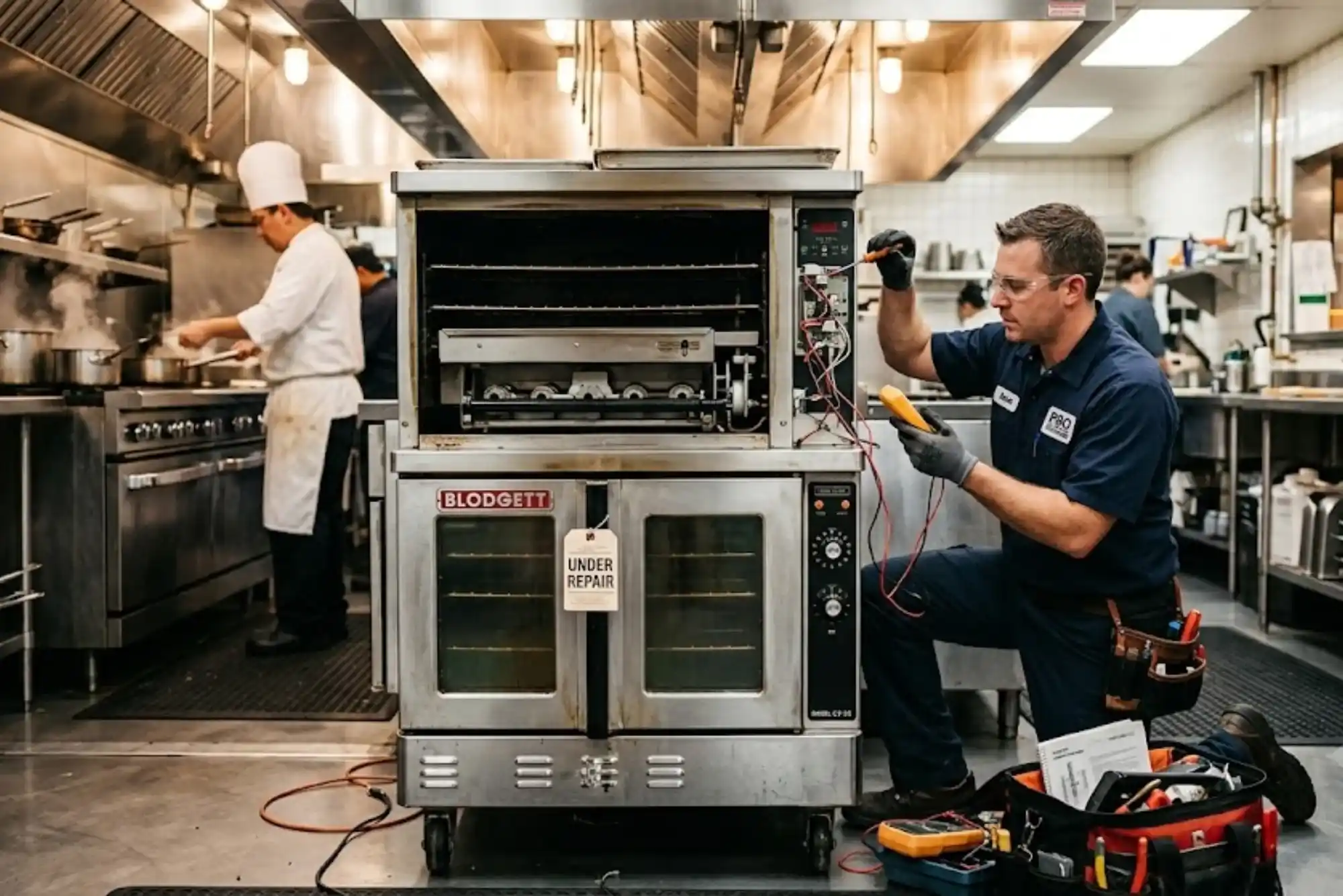
When a professional technician is called to repair a stove ignition problem, the process typically starts with a thorough inspection. The technician first confirms whether power is reaching the stove and whether the gas supply is stable. Once these basic checks are complete, the focus shifts to the ignition system itself. The technician examines each burner, removing the caps and electrodes to check for debris or carbon buildup.

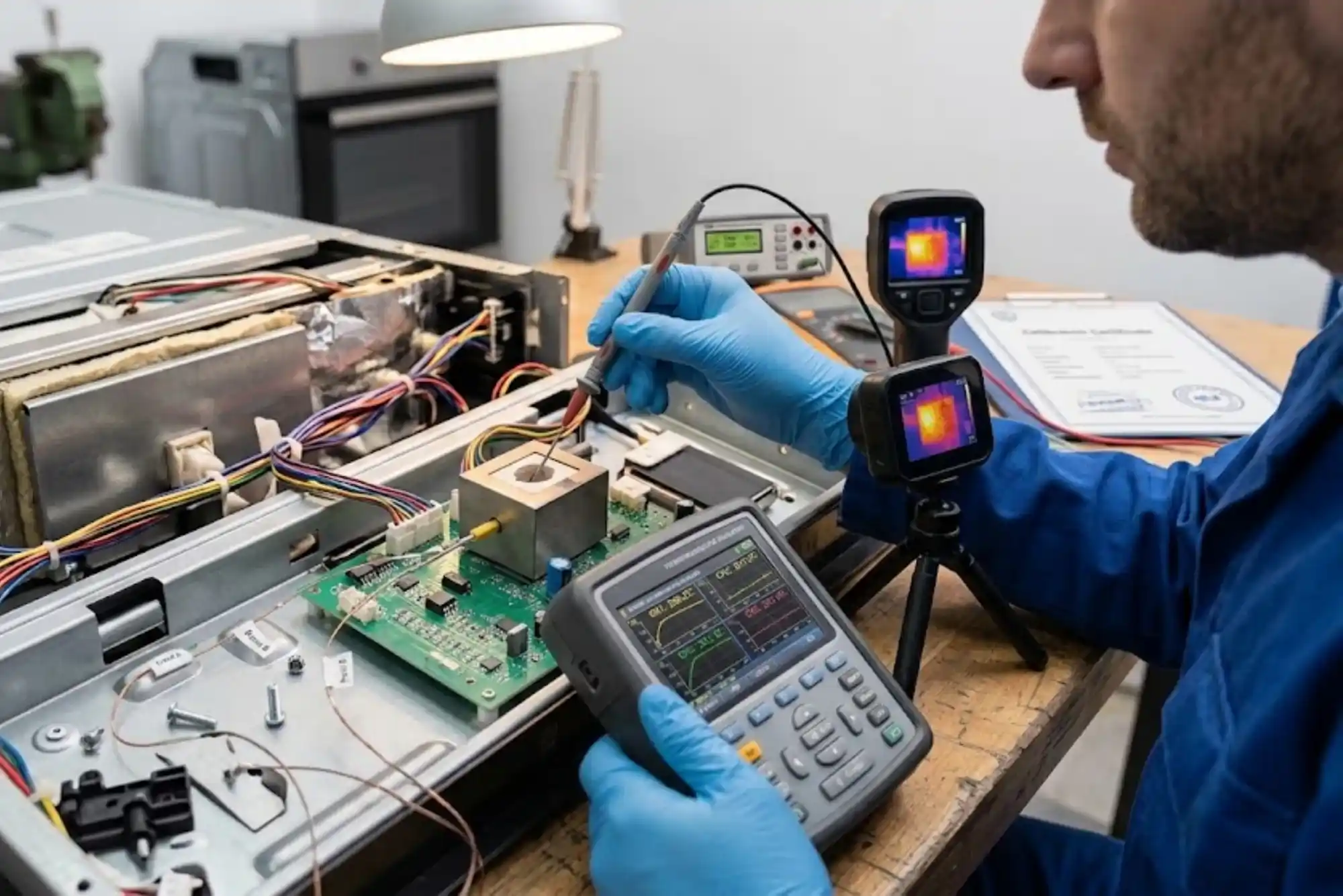
If dirt is found, the components are cleaned using special tools designed for appliance maintenance. If cleaning does not solve the problem, the repair specialist tests the spark module and ignition switches for electrical continuity. Using diagnostic equipment, the technician can quickly identify whether a part needs to be replaced. Replacement parts are carefully fitted to match the exact model of the stove, ensuring the system performs as intended after repair.
Why Professional Stove Repair Is Essential
Attempting to repair a stove ignition problem without professional knowledge can be risky. Gas appliances operate under controlled pressure, and incorrect handling can lead to gas leaks or electrical shocks. Professional stove repair technicians have the expertise and tools to perform repairs safely and accurately. They not only address the immediate issue but also inspect the entire stove for hidden problems such as weak gas flow, damaged wiring, or worn-out electrodes.
By hiring an expert, you ensure that the repair is completed following safety standards and manufacturer specifications. Professionals also use genuine replacement parts, which helps maintain your stove’s performance and lifespan. In the long run, calling a qualified technician can save both time and money compared to experimenting with do-it-yourself solutions that might worsen the problem.
Safety Concerns When the Ignition Spark Fails
When your stove ignition spark stops working, safety becomes a top priority. If you continue trying to ignite the burner without success, unburned gas may accumulate around the stove, creating a potential fire hazard. Additionally, using lighters or matches to ignite the stove manually can lead to accidental burns or gas flare-ups if the gas concentration is high.
That’s why immediate professional inspection is highly recommended. A trained technician will safely disconnect the power supply, shut off the gas line, and test for leaks or faulty wiring before proceeding with repairs. They ensure that the ignition system operates smoothly without compromising household safety.
Preventing Future Ignition Spark Problems
Preventive care plays a major role in avoiding stove ignition issues. Keeping the burner area clean, avoiding excess moisture, and scheduling routine maintenance can significantly extend the life of your appliance. During cleaning, it’s essential to make sure that no water seeps into the ignition ports. When removing burner caps or knobs for cleaning, they should always be completely dry before reassembly.
Professional maintenance services include deep cleaning and inspection of the electrodes and spark module. This proactive approach allows small problems to be detected and corrected before they lead to ignition failure. Consistent attention to care not only improves stove efficiency but also reduces the risk of unexpected breakdowns.
Recognizing When to Replace Parts
Sometimes, even with proper maintenance, ignition components may eventually wear out due to normal usage. When this happens, replacing them is the only practical solution. Common parts that may need replacement include the spark electrode, ignition switch, and spark module. A technician can test each of these parts to identify which one has failed.
Replacing these components is a delicate process since it involves disassembling parts of the stove and reconnecting wires to specific terminals. Using the wrong part or connecting wires incorrectly can result in total ignition failure or even damage the control board. For this reason, stove repair professionals always follow manufacturer diagrams and use tested replacement components.
How Professional Repair Services Ensure Long-Term Results
A professional stove repair service doesn’t stop after fixing the immediate problem. Once the ignition system is restored, the technician runs multiple ignition tests to verify consistent spark performance across all burners. They also evaluate the flame quality, ensuring it burns evenly with a proper blue color.
If needed, technicians adjust the gas flow or realign the electrodes to improve ignition reliability. They may also offer tips for daily maintenance, such as keeping the burner caps aligned and avoiding heavy spills during cooking. This attention to detail ensures that your stove continues to operate smoothly long after the repair is completed.
When to Call a Stove Repair Expert
If your stove continues to click without lighting or has completely stopped sparking, it’s time to contact a professional stove repair service. Persistent ignition issues can indicate deeper problems within the electrical or gas systems that are not visible to the untrained eye. Continuing to use the stove in this condition can increase risks and potentially damage other components.
Calling a professional not only ensures safe and accurate diagnosis but also prevents costly replacements later. A reliable repair technician will quickly identify the source of the issue, fix it efficiently, and test your appliance to guarantee proper operation before leaving your home.
A stove ignition spark that isn’t working can be more than just an inconvenience—it can disrupt your daily routine and pose safety hazards if not handled correctly. Understanding how your ignition system works and recognizing early signs of malfunction can help you respond quickly and responsibly. While minor cleaning might help in some cases, professional stove repair remains the safest and most effective solution for ignition problems. Expert technicians provide accurate diagnostics, replace faulty parts, and restore your stove’s performance to like-new condition.