A refrigerator is one of the most essential appliances in every modern home. It keeps food fresh, preserves leftovers, and prevents spoilage, making daily life more convenient and safe. But despite using it every day, few people actually understand how a refrigerator works. Inside this seemingly simple appliance lies a combination of mechanical, electrical, and thermodynamic systems that work together to maintain a consistent low temperature. Understanding these key systems not only helps you appreciate the science behind cooling but also gives you the knowledge to spot issues early and ensure better maintenance.
The Science Behind Refrigeration
The working principle of a refrigerator is based on thermodynamics — specifically, the transfer of heat. A refrigerator doesn’t “create” cold air; instead, it removes heat from the inside and releases it outside. This is achieved through the continuous circulation of a refrigerant — a special cooling fluid that changes from liquid to gas and back again in a closed system.
When the refrigerant evaporates inside the evaporator coils, it absorbs heat from the interior of the fridge. This absorbed heat is then carried away as the refrigerant moves to the compressor and condenser, where it’s released into the environment. The result is a cool interior environment where perishable items can be safely stored.
The Compressor: The Heart of Cooling
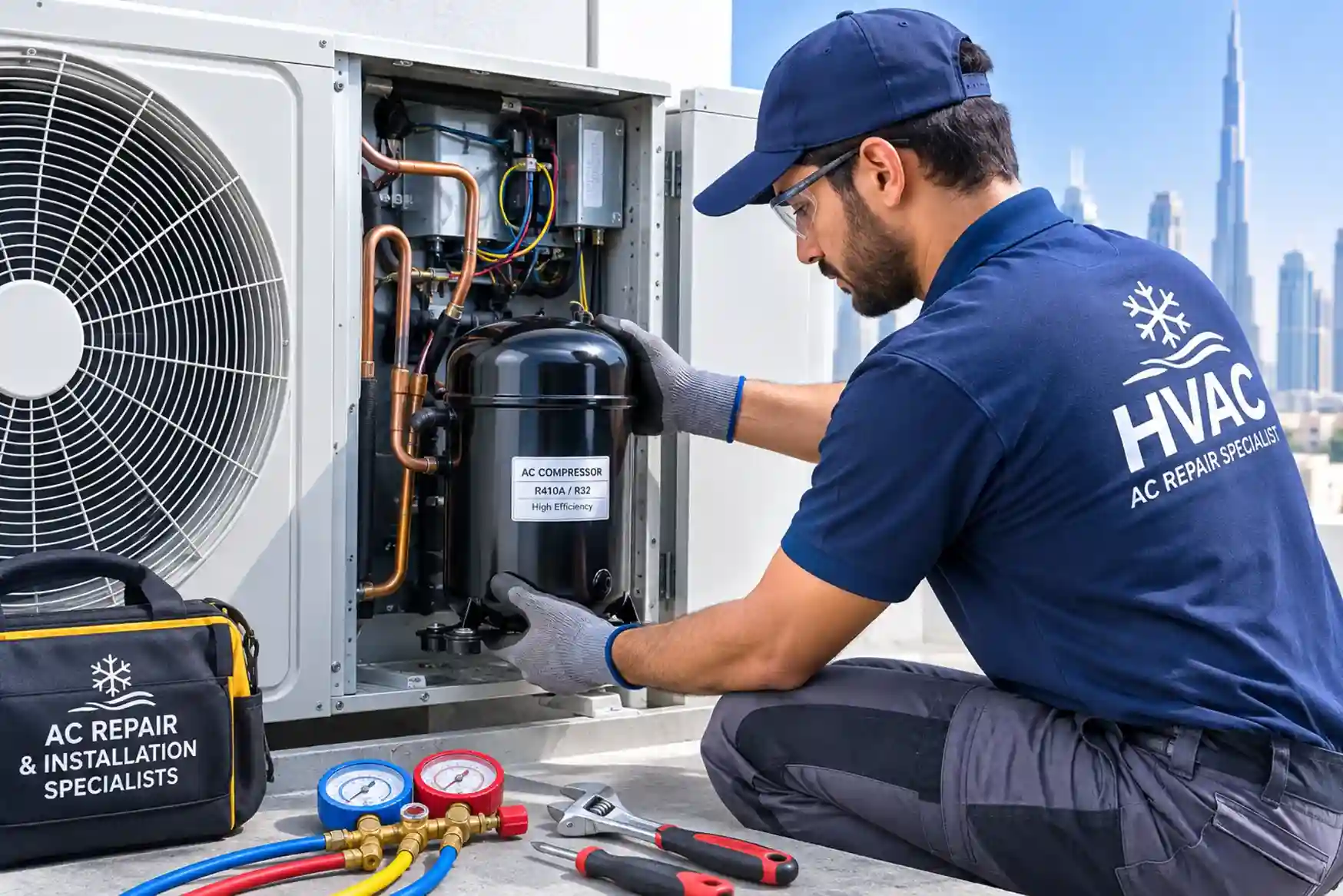
At the center of every refrigerator is the compressor, often referred to as the “heart” of the system. It pumps refrigerant throughout the entire cycle, maintaining pressure and flow. The compressor’s job is to compress the low-pressure refrigerant gas from the evaporator into a high-pressure, high-temperature gas. This step is crucial because increasing the pressure also raises the temperature of the gas, which allows heat to be expelled efficiently in the condenser coils.
Most modern refrigerators use hermetically sealed compressors, meaning they are fully enclosed to prevent refrigerant leaks and maintain consistent operation. The compressor usually sits at the back or bottom of the refrigerator and produces a low humming sound when operating. Without it, no cooling can take place because the refrigerant would not circulate.
The Condenser System: Releasing the Heat
Once the refrigerant gas leaves the compressor, it enters the condenser coils, usually located at the back or bottom of the appliance. The hot, high-pressure gas flows through these coils and gradually releases the absorbed heat into the surrounding air. As the refrigerant cools down, it condenses into a liquid form.

This process of releasing heat is critical for maintaining proper cooling. That’s why keeping condenser coils clean is important — if dust or grease accumulates, it prevents effective heat dissipation, making the compressor work harder and increasing energy consumption. Many refrigerator performance issues can be traced back to dirty or blocked condenser coils.
The Expansion Valve: Controlling the Flow
After the refrigerant turns into a liquid in the condenser, it moves toward the expansion valve, also known as a capillary tube or thermostatic expansion device. This component controls the flow of refrigerant into the evaporator coil. As the liquid refrigerant passes through this narrow valve, it experiences a rapid drop in pressure, turning part of it into a cold vapor.
This sudden change in pressure and temperature allows the refrigerant to absorb heat once again when it enters the evaporator. The expansion valve is vital for maintaining balance in the system — it ensures that the correct amount of refrigerant reaches the evaporator for optimal cooling performance.
The Evaporator Coil: Creating the Cold
The evaporator coil is located inside the refrigerator repair and freezer compartments. This is where the magic of cooling happens. As the cold refrigerant passes through the evaporator, it absorbs heat from the air inside the refrigerator. A small fan blows this cold air throughout the compartments, maintaining a uniform temperature.
As the refrigerant absorbs heat, it evaporates and turns back into a gas. This gas then flows back to the compressor, and the cycle repeats continuously. The evaporator coil is usually made of aluminum because it conducts heat efficiently. If frost or ice builds up on the evaporator coil, it can block airflow and reduce cooling efficiency, which is why many modern refrigerators come with automatic defrost systems.
The Thermostat: Temperature Regulation
The thermostat acts as the control center of the refrigerator. It monitors the internal temperature and signals the compressor to start or stop as needed. When the temperature inside the refrigerator rises above the set point, the thermostat triggers the compressor to begin the cooling cycle. Once the desired temperature is reached, it shuts off the compressor to save energy.
Advanced refrigerators now use digital thermostats or temperature sensors that offer precise control and display accurate readings. Maintaining the right balance ensures food safety and energy efficiency. A faulty thermostat can lead to overcooling or insufficient cooling, which affects both performance and food preservation.
The Defrost System: Preventing Ice Buildup
In older refrigerators, users had to manually defrost the freezer to remove ice buildup. Modern refrigerators, however, use an automatic defrost system. This system periodically warms the evaporator coils to melt any accumulated frost, preventing ice from blocking airflow.
The defrost cycle is controlled by a timer and a sensor that ensures only a small amount of heat is applied — just enough to melt the ice without affecting stored food. The melted water drains into a pan located beneath the refrigerator, where it evaporates naturally. This simple yet essential system keeps the refrigerator running efficiently without manual maintenance.
The Door Seals: Keeping Cool Air Inside
The refrigerator door gasket, or rubber seal, plays a silent yet important role in efficiency. It ensures that when the door is closed, no cool air escapes and no warm air enters. If the door seal becomes loose, cracked, or dirty, it allows temperature fluctuations, forcing the compressor to work harder and consume more energy.
Checking the seal regularly and cleaning it with mild soap can prevent cooling issues and prolong the life of the appliance. A simple trick to test the seal’s effectiveness is to close the door on a piece of paper — if it slides out easily, the seal might need replacement.
Modern Refrigerator Technologies
Today’s refrigerators incorporate advanced technologies that enhance cooling performance and energy efficiency. Inverter compressors, for instance, adjust their speed based on cooling demand instead of running at a constant rate. This saves electricity and ensures quieter operation.
Smart refrigerators now feature digital sensors that monitor internal temperatures, humidity levels, and even door openings. Some models can connect to mobile apps, allowing users to adjust settings remotely. These innovations reflect how refrigeration technology continues to evolve while maintaining the same core principles of heat transfer and controlled pressure.
Another notable advancement is the use of eco-friendly refrigerants like R600a (isobutane), which have low global warming potential compared to older gases such as R134a. This shift toward sustainability benefits both users and the environment.
Common Issues in Refrigerator Systems
Understanding how your refrigerator works helps in identifying common problems early. If your appliance isn’t cooling properly, several systems could be responsible. A faulty compressor, blocked condenser coils, or a malfunctioning thermostat are typical causes. Frost buildup on the evaporator may indicate a defrost system failure. Unusual noises can point to a problem with the compressor or evaporator fan motor.
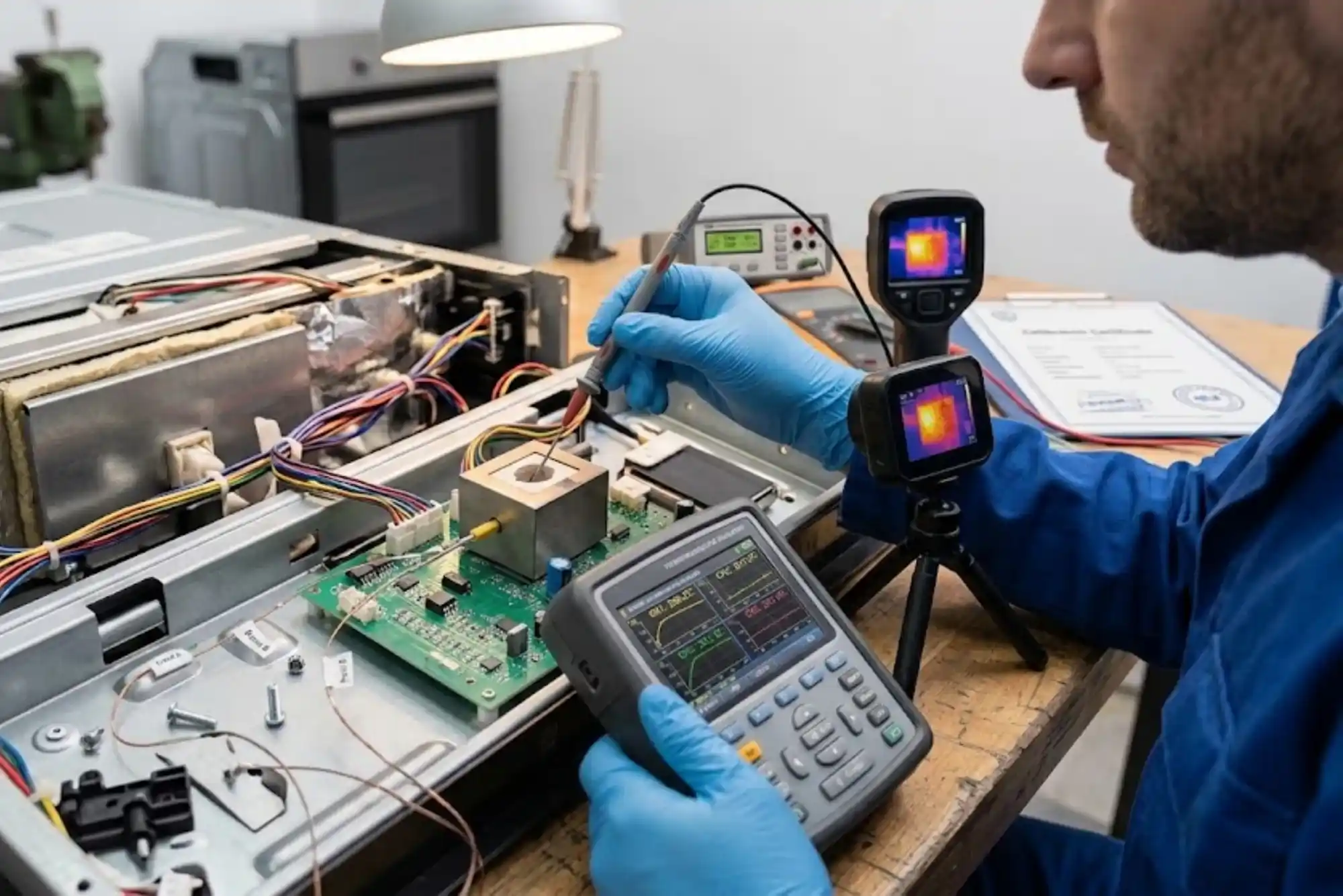
Performing regular maintenance, such as cleaning coils and checking seals, prevents many of these issues. When serious problems arise, it’s always best to contact a professional technician for inspection and repair. Proper diagnosis requires tools and expertise to handle refrigerants and electrical components safely.
Energy Efficiency and Proper Usage
Energy efficiency plays a key role in the long-term performance of a refrigerator. Avoid overloading your refrigerator, as it restricts air circulation and forces the compressor to work harder. Likewise, leaving the door open for extended periods introduces warm air, disrupting the cooling balance.
Placing the refrigerator away from heat sources like ovens or direct sunlight also helps maintain consistent temperatures. Regularly cleaning condenser coils, ensuring proper ventilation around the unit, and maintaining the right thermostat settings can significantly reduce power consumption.
Newer models are designed with energy-saving features, such as LED lighting and smart sensors, which make them more efficient and environmentally friendly. Choosing an energy-efficient refrigerator not only saves electricity but also reduces your household’s carbon footprint.
Your refrigerator is a marvel of engineering that works continuously to keep your food fresh and safe. Through the coordinated function of systems like the compressor, condenser, expansion valve, evaporator, and thermostat, it maintains the ideal temperature for storage. Understanding how these components work helps you use your appliance more effectively, detect issues early, and extend its lifespan.