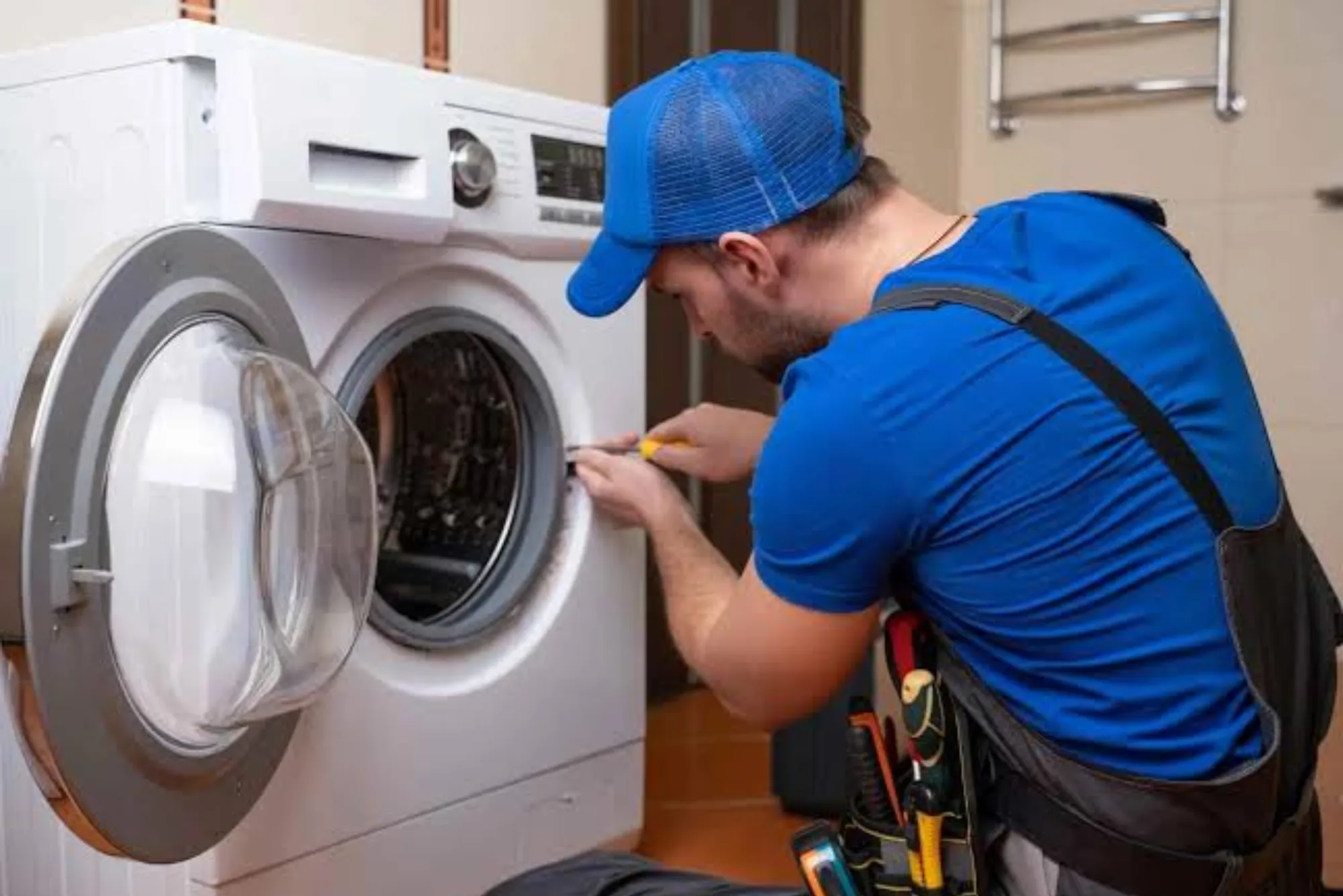
A dishwasher is one of the most reliable appliances in modern homes, designed to handle the demanding task of cleaning dishes efficiently and saving countless hours of manual work. Like all appliances, however, it relies on several crucial components working in harmony.
One of these is the dishwasher timer, a part often overlooked until it malfunctions. Understanding how to replace a dishwasher timer not only helps homeowners restore the full function of their appliance but also saves the cost of hiring a technician. This detailed guide provides a complete walkthrough of the replacement process while also offering insights into why the timer matters and how it impacts overall dishwasher performance.
The Role of the Dishwasher Timer
The timer is essentially the brain of a traditional dishwasher. It governs the sequence of operations, controlling how long each cycle runs and when the dishwasher moves from one stage to another. The timer ensures that water enters the appliance at the correct stage, heating elements activate for drying at the right time, detergent is dispensed properly, and the draining mechanism operates efficiently.
Without a functioning timer, the dishwasher cannot maintain a consistent and reliable washing cycle, which often results in incomplete cleaning, water remaining inside after a cycle, or even damage to other components caused by improper sequencing.
Modern dishwashers sometimes use electronic control boards instead of mechanical timers, but many models, especially older ones, still rely on this mechanical control. For homeowners who use these models, knowing how to identify and replace a faulty timer can significantly extend the life of the appliance.
Signs That a Dishwasher Timer Needs Replacement
When a dishwasher timer begins to fail, it will usually show signs that are hard to ignore. Homeowners might notice that the dishwasher stalls during a cycle, never moving on to the next stage. For example, it may fill with water but not progress to the wash cycle, or it may wash but never drain.

In some cases, the appliance may skip parts of the process entirely, leading to dirty or poorly rinsed dishes. Another common symptom is that the timer dial itself becomes stuck or difficult to turn, which prevents the user from selecting cycles smoothly. Unusual noises, such as clicking or grinding within the timer mechanism, may also indicate internal wear.
When these issues appear consistently, replacing the timer is usually the most effective solution. While repairing an old mechanical timer can sometimes be possible, the complexity of its gears and contacts makes replacement the more reliable option in most situations.
Preparation Before Replacing the Timer
Before beginning the replacement process, safety must always come first. A dishwasher is a powerful electrical appliance that also involves water, so combining the two without proper care can be dangerous.
Homeowners should always disconnect the dishwasher from its power supply before working on it, either by unplugging it from the wall or switching off the circuit breaker dedicated to the appliance. Once power is safely disconnected, the door can be opened and secured, giving full access to the control panel where the timer is located.
It is also advisable to have the replacement part ready before beginning. Since timers are not universal, the correct replacement must be chosen based on the dishwasher’s brand and model number. Consulting the owner’s manual or checking with the manufacturer ensures compatibility. A few simple tools are generally required, such as a screwdriver, a pair of pliers, and sometimes a nut driver, depending on how the dishwasher’s control panel is designed.
Accessing the Control Panel and Removing the Old Timer
The dishwasher timer is housed behind the control panel, usually located at the top of the dishwasher door. To access it, the screws securing the control panel must be removed carefully. Once the panel is loosened, the backside of the controls becomes visible, revealing the timer assembly.
The timer is usually a round or rectangular component with wiring harnesses attached to it. Before removing it, it is wise to take note of how the wires are connected. Many professionals recommend taking a clear photo of the wiring arrangement to make reassembly easier.
The wires can then be carefully detached, either by pulling off the harness or loosening small connectors. Once disconnected, the screws or clips holding the timer in place can be undone, allowing the timer to be removed completely.
Installing the New Timer
With the old timer removed, the new one can be positioned in its place. It should fit snugly into the same mounting points, whether secured by screws or clips. The wiring harness or individual connectors can then be reattached in the same arrangement as before, guided by the earlier photo or diagram. Ensuring that each wire is firmly connected is crucial, as loose wiring can cause electrical faults or prevent the timer from working correctly.
Once the new timer is installed and wiring connections are secured, the control panel can be reassembled. The screws should be tightened evenly to avoid putting stress on the panel. At this stage, the dishwasher door should be closed properly to check that the panel aligns as expected.
Testing the Dishwasher After Replacement
Before resuming regular use, testing the appliance is essential. Restoring power to the dishwasher allows the user to run a short cycle to observe whether the new timer is functioning correctly. The cycle should progress smoothly from filling, washing, rinsing, and draining without interruption. If the dishwasher moves through the stages properly, the replacement has been successful. If problems persist, it may suggest an additional issue within the wiring or another component, but in most cases, replacing a faulty timer resolves the malfunction completely.
The Importance of Timely Replacement
Delaying timer replacement when signs of malfunction appear can lead to more serious consequences. A faulty timer may cause the dishwasher to overfill with water, risking leaks or flooding. It may also prevent heating elements from shutting off, potentially causing overheating. These issues not only compromise the appliance but also pose risks to household safety. Replacing the timer promptly not only restores convenience but also protects the overall health of the dishwasher.
When to Call a Professional
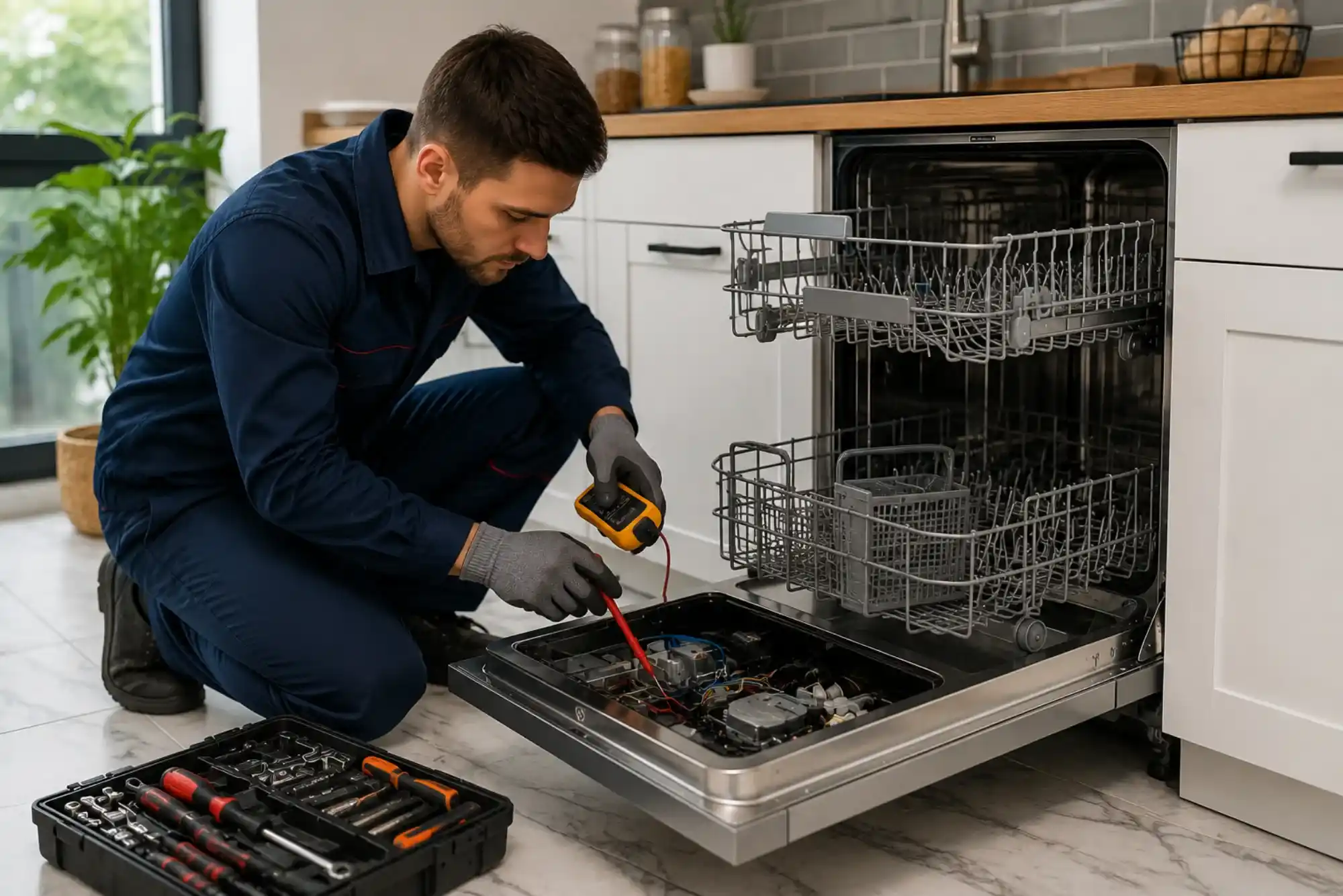
Although replacing a dishwasher timer is a task that many homeowners can complete on their own with patience and the right guidance, there are circumstances where professional help is advisable. If the dishwasher is built into cabinetry with limited access, removing panels may be more complicated. Similarly, if wiring appears damaged or if multiple components seem affected, an experienced technician may be better equipped to diagnose and resolve the problem. Professionals also ensure that repairs meet safety standards, providing peace of mind for those who are not comfortable working with electrical components.
Extending the Lifespan of a Dishwasher
Replacing a timer can add years to the lifespan of a dishwasher, but maintaining the appliance regularly also plays a significant role. Cleaning filters, ensuring spray arms are unclogged, and avoiding overloading the racks help the dishwasher perform efficiently. Using the recommended detergent and avoiding harsh chemical cleaners that can damage seals or mechanical parts also contribute to long-term performance. By pairing maintenance with timely repairs such as timer replacement, homeowners can rely on their dishwasher for consistent service over many years.
A dishwasher timer may seem like a small part, but it controls the critical sequence of operations that make the appliance effective. When it begins to fail, the symptoms can be disruptive, but replacement is a straightforward process when approached with care.
From disconnecting power and accessing the control panel to installing a compatible replacement timer and testing the machine, each step ensures the appliance is restored to full working condition. For many households, learning how to replace a dishwasher timer means saving on repair costs, extending the lifespan of the dishwasher, and maintaining the daily convenience of automated dishwashing.