Air conditioners have a way of quietly running in the background, keeping us cool without much thought — until something goes wrong. I’ve seen plenty of people wait until the first real heatwave of summer to discover their AC is blowing warm air, making odd noises, or not turning on at all. By that point, repairs can be costly, and the downtime is uncomfortable at best.
The truth is, a simple, basic AC inspection done before the season starts (and ideally at least twice a year) can catch most problems before they escalate. It doesn’t require you to be an HVAC technician or own specialized tools, but it does require a little patience, attention to detail, and the willingness to get familiar with your system.
Having worked with homeowners for years, I can confidently say that even a basic inspection can save you hundreds of dollars and a lot of stress. Let’s walk through the process in a way that’s practical, thorough, and easy to follow.
Start with the Power Off
Before you touch anything, safety comes first. This means shutting off the power to your AC unit. You can usually do this at the breaker panel or by flipping the disconnect switch near the outdoor unit. I’ve seen too many DIY inspections end badly because someone skipped this step, thinking they’d “just look” without interfering. The truth is, even a visual inspection can put you near moving parts or live electrical connections.
Once the power is off, you can work without the risk of electric shock or injury from moving components like the fan blades.
Check the Thermostat
The thermostat is the brain of your AC system. I always start here because sometimes what seems like a serious AC issue is just a calibration or setting problem.

Switch your thermostat to cooling mode and set the temperature a few degrees below the current room temperature. Listen for the system to kick on — if it doesn’t, it could be a wiring issue, dead batteries, or a more serious problem with the control board.
If your thermostat is older and not programmable, you might consider upgrading to a modern model. Not only do they offer better temperature accuracy, but they also allow for energy-saving scheduling, which can extend the life of your AC.
Inspect the Air Filter
Your AC filter is one of the simplest yet most important parts of the system. Over time, dust, pollen, and debris build up, restricting airflow. This forces the AC to work harder, increasing energy use and wearing out components prematurely.
I’ve pulled filters from systems where the homeowner didn’t even realize one was in there — they were so clogged with dirt that no light could pass through. The rule of thumb is to check your filter monthly and replace it every one to three months, depending on usage and indoor air quality needs.
A clean filter ensures efficient airflow, better cooling, and less strain on the blower motor.
Look Over the Indoor Unit
If you have a central AC system, your indoor unit (often part of the furnace or air handler) houses the evaporator coil, blower motor, and drainage components. Remove the access panel if you’re comfortable doing so, and take a close look inside.
The evaporator coil should be free of heavy dust and frost. If you see ice forming on the coil, it’s often a sign of restricted airflow or low refrigerant levels. Dust buildup can also reduce efficiency and should be addressed promptly.
The blower motor should spin freely without unusual noises. Sometimes, belts can wear down or slip, leading to squealing sounds. If you spot a frayed or loose belt, it’s time to replace it before it breaks entirely.
Check the Drainage System
Air conditioners don’t just cool the air; they also remove moisture. That moisture is supposed to collect in a drain pan and exit the system via a condensate drain line. If the pan is full or the line is clogged, you can end up with leaks, water damage, and even mold growth.
I’ve seen drain lines blocked with everything from algae to insects. A quick test is to pour a small amount of water into the drain pan and watch to see if it flows freely. If not, you may need to clear the blockage with a wet/dry vacuum or a gentle flush of water.
Move Outside to the Condenser Unit
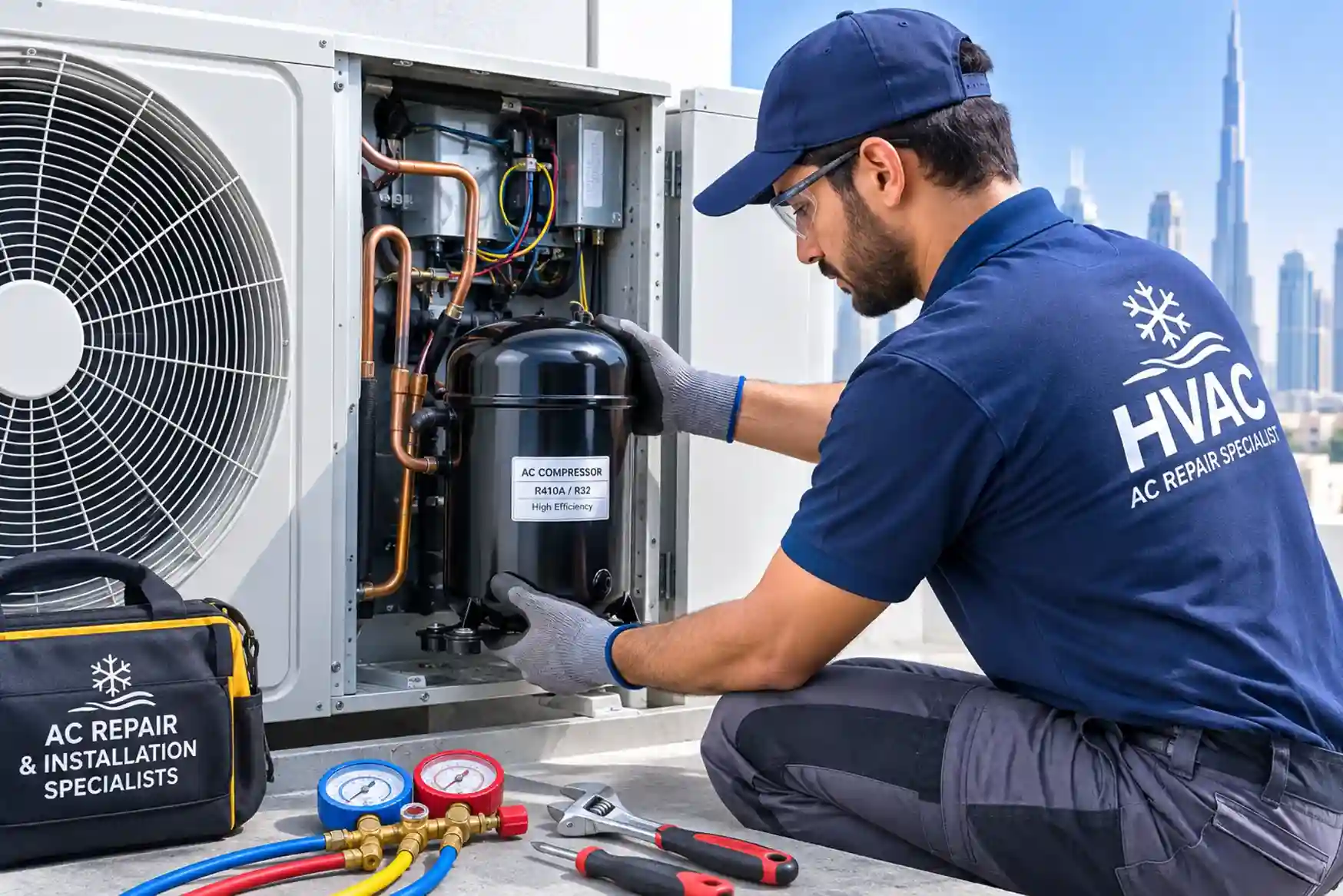
Your outdoor condenser unit is the workhorse of the AC system. It houses the compressor, condenser coil, and a large fan — all of which need to be in good shape for the system to run efficiently.
Start by making sure there’s at least two feet of clear space around the unit. I’ve seen homeowners plant shrubs or stack garden tools right up against it, which restricts airflow and traps heat. Trim back any vegetation and remove debris like leaves, sticks, and grass clippings.
Next, visually inspect the condenser coil. If it’s coated with dirt or matted with grass clippings, it can’t release heat effectively. Cleaning it gently with a garden hose (from the inside out) is often enough,Post Category, but avoid using high pressure, which can damage the delicate fins.
Inspect the Fan and Electrical Components
While you’re at the condenser unit, check the fan blades for cracks, chips, or bending. A damaged blade can cause vibration, noise, and reduced airflow.
Remove the service panel to look at the electrical connections and capacitor. If you notice burnt wires, corrosion, or bulging capacitors, these are signs you need professional service. Capacitors store electrical energy and can be dangerous to handle, so leave repairs here to a licensed technician.
Listen for Unusual Noises
Once you’ve checked everything visually and restored power, turn the system back on and listen closely. A healthy AC should run with a steady hum. Grinding, rattling, squealing, or banging noises usually mean something’s loose, worn out, or out of alignment.
I’ve had clients tell me they thought strange noises were “normal” for years, only to find out they were slowly damaging the motor or compressor. Catching these sounds early can save you from major breakdowns.
Monitor Cooling Performance
Finally, let the system run for at least 15–20 minutes and pay attention to how well it cools. Check the air temperature coming from the vents — it should be noticeably cooler than the air in the room.
If the cooling feels weak, the issue could be low refrigerant, dirty coils, or airflow restrictions. While a Basic Inspection can point you in the right direction, refrigerant work requires a licensed HVAC pro.
Why Regular Inspections Matter
Think of your AC like a car. You wouldn’t drive thousands of miles without checking the oil or tires, and you shouldn’t run your AC season after season without giving it a check-up. Regular inspections:
- Extend the life of your system
- Improve energy efficiency
- Prevent costly repairs
- Keep your home comfortable
Over the years, I’ve seen well-maintained AC systems run smoothly for 15–20 years, while neglected units fail in less than a decade. The difference often comes down to simple, consistent care.
When to Call a Professional
A basic inspection can help you spot issues early, but it’s not a substitute for professional maintenance. If you notice refrigerant leaks, electrical problems, or major component wear, it’s best to bring in a licensed HVAC technician. They have the tools and training to safely handle repairs and keep your system running at peak performance.
For most homeowners, combining a personal inspection at the start of each season with a professional tune-up once a year is the best way to ensure worry-free cooling.
By following these steps, you’ll gain a better understanding of your AC system, prevent surprises, and keep your home cool and comfortable when it matters most. A little attention now can save you from sweltering days and emergency repair bills later.