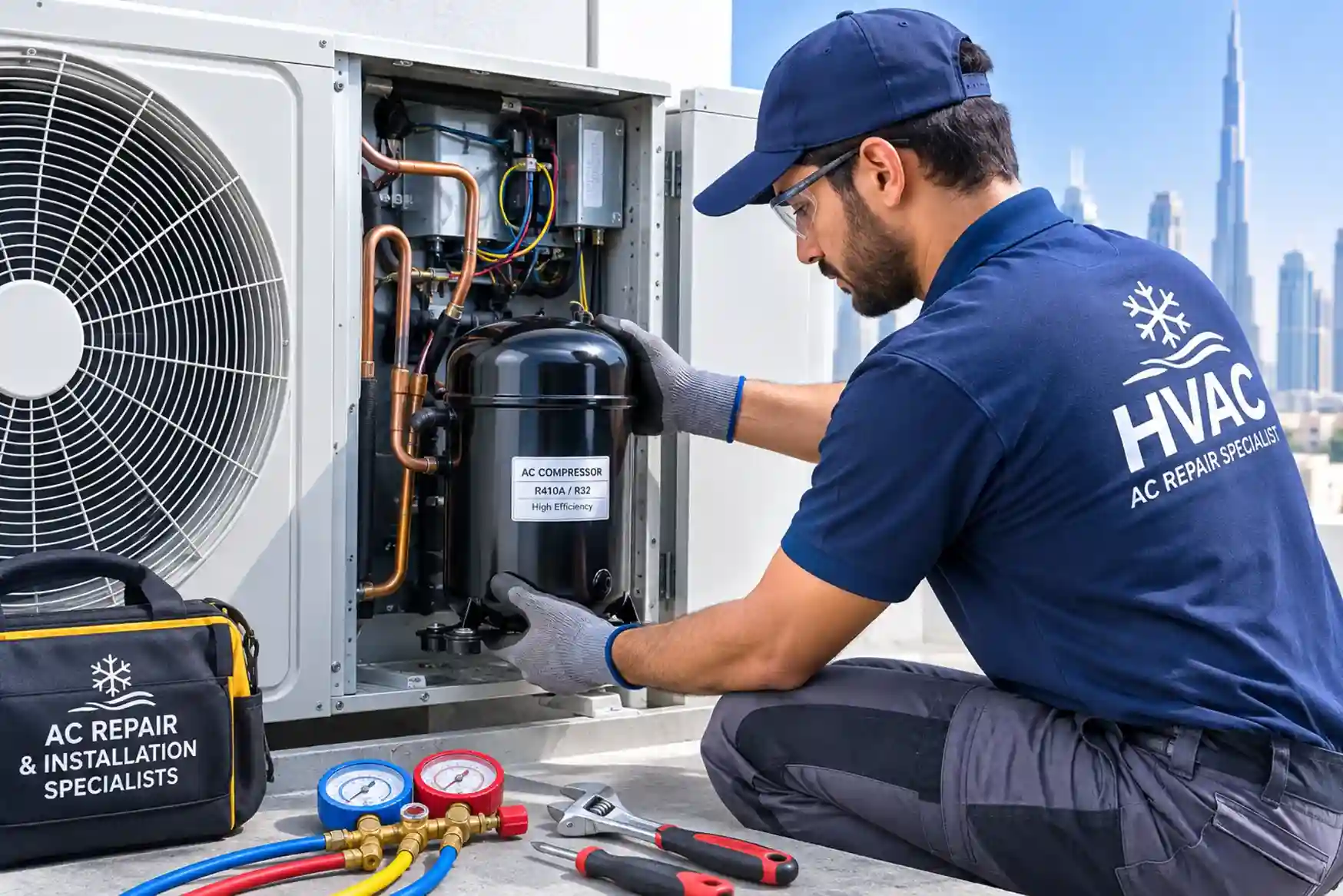
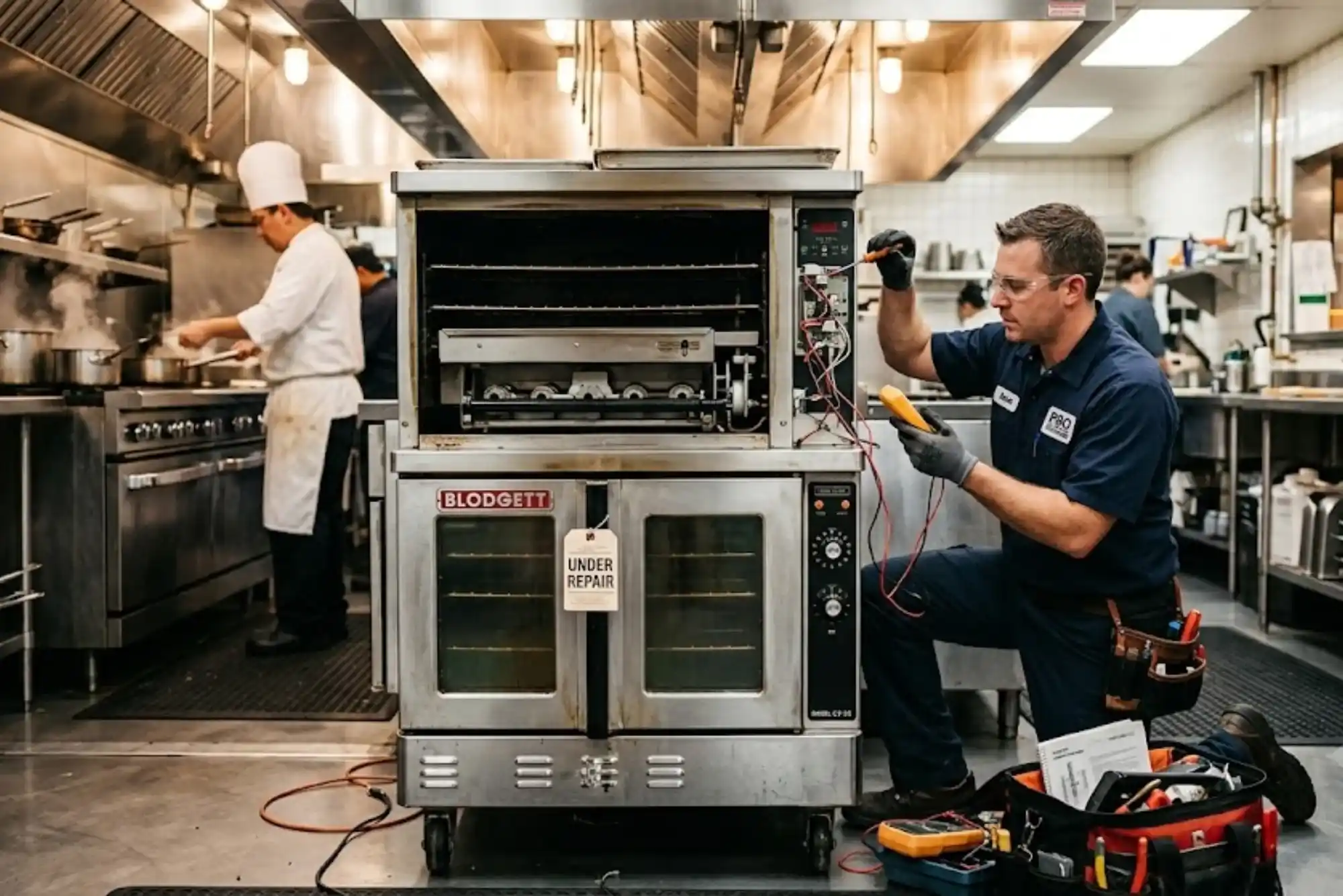
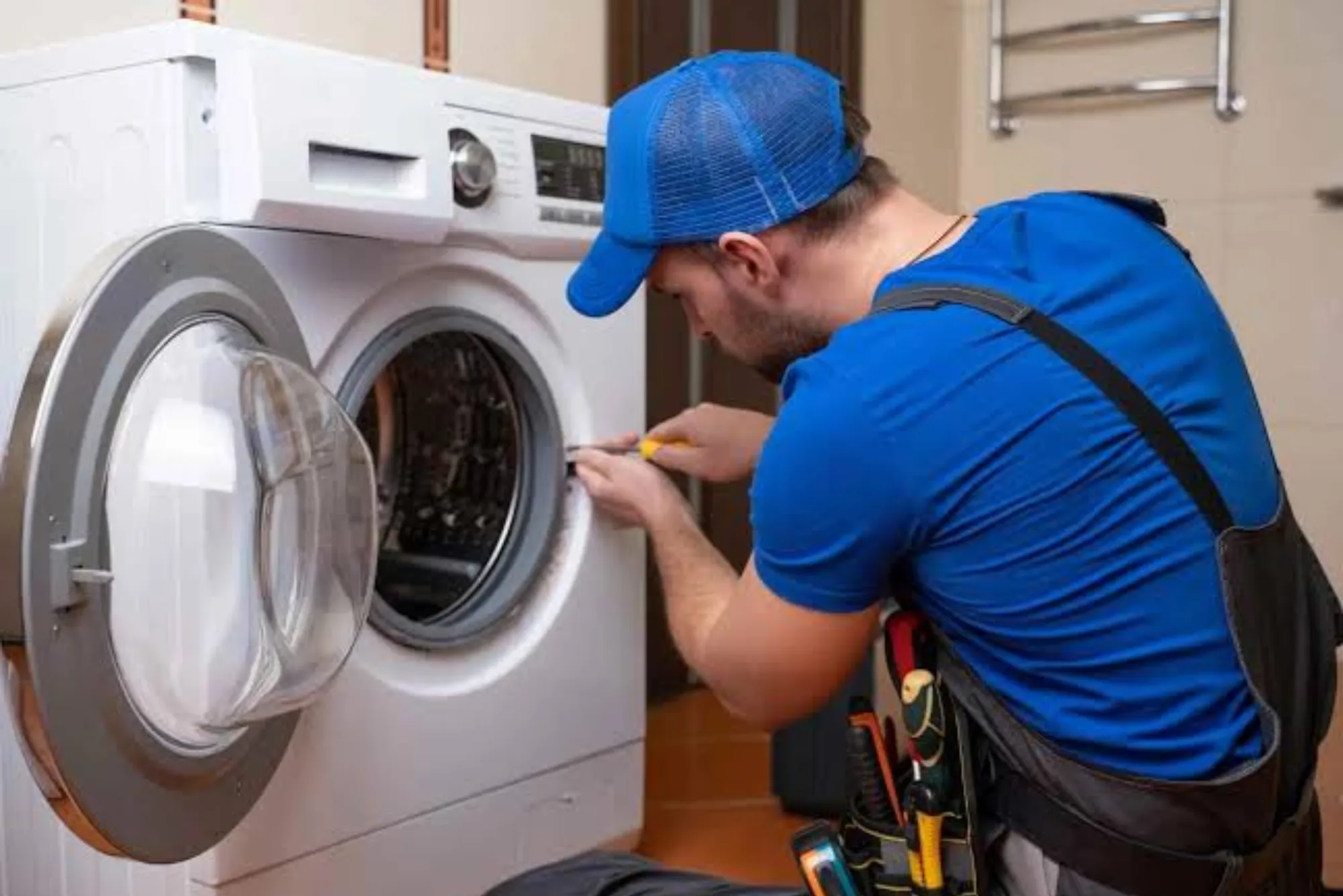
When you place a tray of cookies or a carefully prepared roast in the oven, you expect consistent results. Yet many home cooks encounter the frustrating issue of oven temperature fluctuations. This problem can lead to undercooked centers, scorched tops, or unevenly baked dishes. Understanding why ovens behave unpredictably and how to restore stable heating is essential for both casual cooks and professionals. Fixing this issue not only saves time and ingredients but also restores confidence in your cooking.
Why Consistent Oven Temperature Matters
Cooking and baking rely heavily on precision. Unlike stovetop cooking, where you can adjust heat instantly, the oven works in a closed environment where consistency determines success. A cake that requires steady heat to rise properly may collapse if the temperature dips too low. Conversely, sudden spikes can cause uneven browning or dry textures. This is why chefs and bakers emphasize the importance of an accurate oven. Fluctuations disrupt recipes, waste energy, and create unnecessary frustration. Addressing this issue ensures that every dish, from bread to casseroles, cooks as intended.
Common Reasons for Oven Temperature Fluctuations
Oven temperature problems usually stem from a combination of mechanical, electrical, and environmental factors. Aging components, faulty sensors, or even improper maintenance can all play a role. In some cases, the oven’s design contributes to uneven heating, particularly in older or budget-friendly models. Another overlooked cause is the user’s approach—such as opening the oven door too frequently, which releases heat and forces the appliance to overcompensate. Identifying the root of the problem is the first step toward finding an effective solution.
The Role of the Oven Thermostat
At the heart of temperature regulation lies the thermostat. This component measures the heat inside the oven and signals the heating elements or gas burners to adjust accordingly. When functioning properly, it maintains a steady environment. However, a faulty thermostat may misread the temperature, causing the oven to overshoot or undershoot the target setting. Calibrating or replacing the thermostat often restores balance. Many modern ovens allow users to adjust calibration through digital settings, while older models may require a technician’s intervention. Understanding this mechanism highlights why precise control depends so heavily on thermostat accuracy.
Heating Elements and Burners as Critical Factors
Electric ovens rely on heating elements, while gas ovens use burners. Both must deliver consistent heat output to maintain stable temperatures. In electric ovens, elements can wear out or develop hotspots that lead to uneven cooking. A malfunctioning element may still glow but fail to distribute heat evenly across the cavity. In gas ovens, issues such as clogged burner ports or weak ignition can produce inconsistent flames. Regular inspection and replacement of these components are crucial for ensuring smooth performance. Without reliable heating sources,Oven Repair, even a perfectly calibrated thermostat cannot maintain equilibrium.
Sensor Issues and Digital Control Challenges
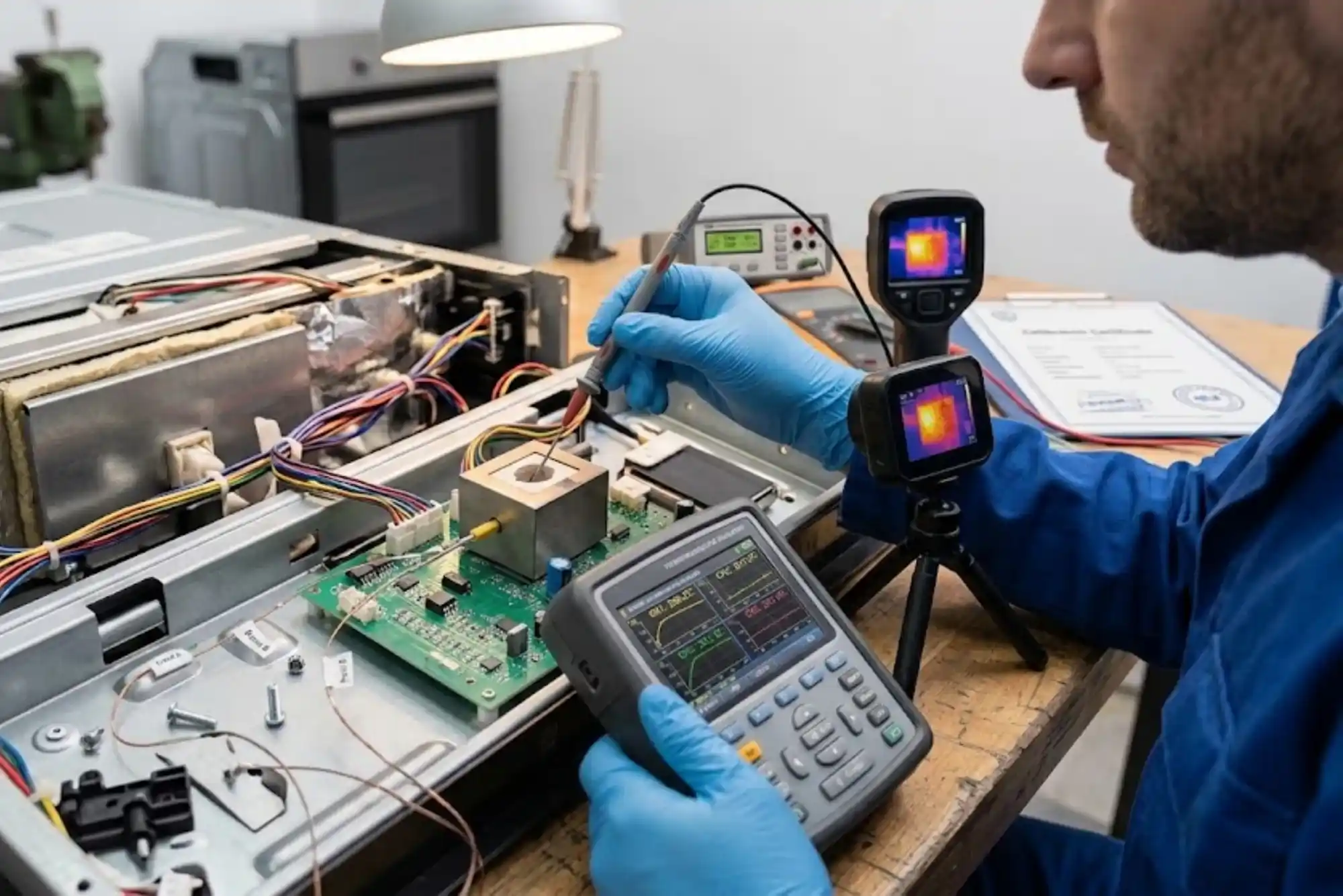
Modern ovens often use temperature sensors instead of traditional thermostats. These sensors provide digital readings that guide the oven’s microprocessor. If the sensor malfunctions, the oven may misinterpret conditions, cycling on and off erratically. Sometimes, the sensor becomes coated with food residue or grease, interfering with its accuracy. Cleaning may restore functionality, but in many cases, replacement is necessary. As ovens evolve with advanced electronic controls, new challenges arise, including software errors or electrical glitches that mimic physical faults. Troubleshooting digital models requires both technical knowledge and careful handling.

How Oven Age and Maintenance Influence Stability
Like any appliance, ovens degrade over time. Worn insulation allows heat to escape, forcing the appliance to work harder to maintain the set temperature. Door seals, often overlooked, play a critical role in trapping heat. A damaged or brittle gasket permits leaks, leading to constant fluctuations. Routine maintenance—such as cleaning, checking seals, and inspecting components—extends the life of the oven and minimizes irregularities. Neglect, on the other hand, accelerates wear and exacerbates fluctuations. Regular attention ensures that small problems are caught before they compromise performance.
The Impact of User Habits on Oven Performance
Even the most advanced ovens cannot compensate for poor usage habits. Opening the oven door repeatedly to check progress causes dramatic heat loss. The appliance then cycles aggressively to recover, creating temperature swings. Overloading the oven with multiple dishes can also block airflow, preventing even heat circulation. Using the wrong type of bakeware—such as dark, reflective, or oversized pans—further complicates temperature distribution. Understanding how these habits influence the cooking environment empowers users to adopt practices that support stable heating rather than undermine it.
Steps Toward Restoring Accurate Oven Temperature
Addressing fluctuations involves both simple adjustments and technical interventions. For starters, verifying accuracy with an external oven thermometer provides clarity. If the displayed temperature consistently differs from actual readings, recalibration or repair becomes necessary. Cleaning sensors, inspecting heating elements, and replacing faulty parts form the backbone of troubleshooting. In some cases, professional servicing is the safest option, especially when dealing with gas ovens or complex electronics. Investing in regular tune-ups ensures that the oven performs reliably, protecting both meals and long-term energy costs.
When to Seek Professional Assistance
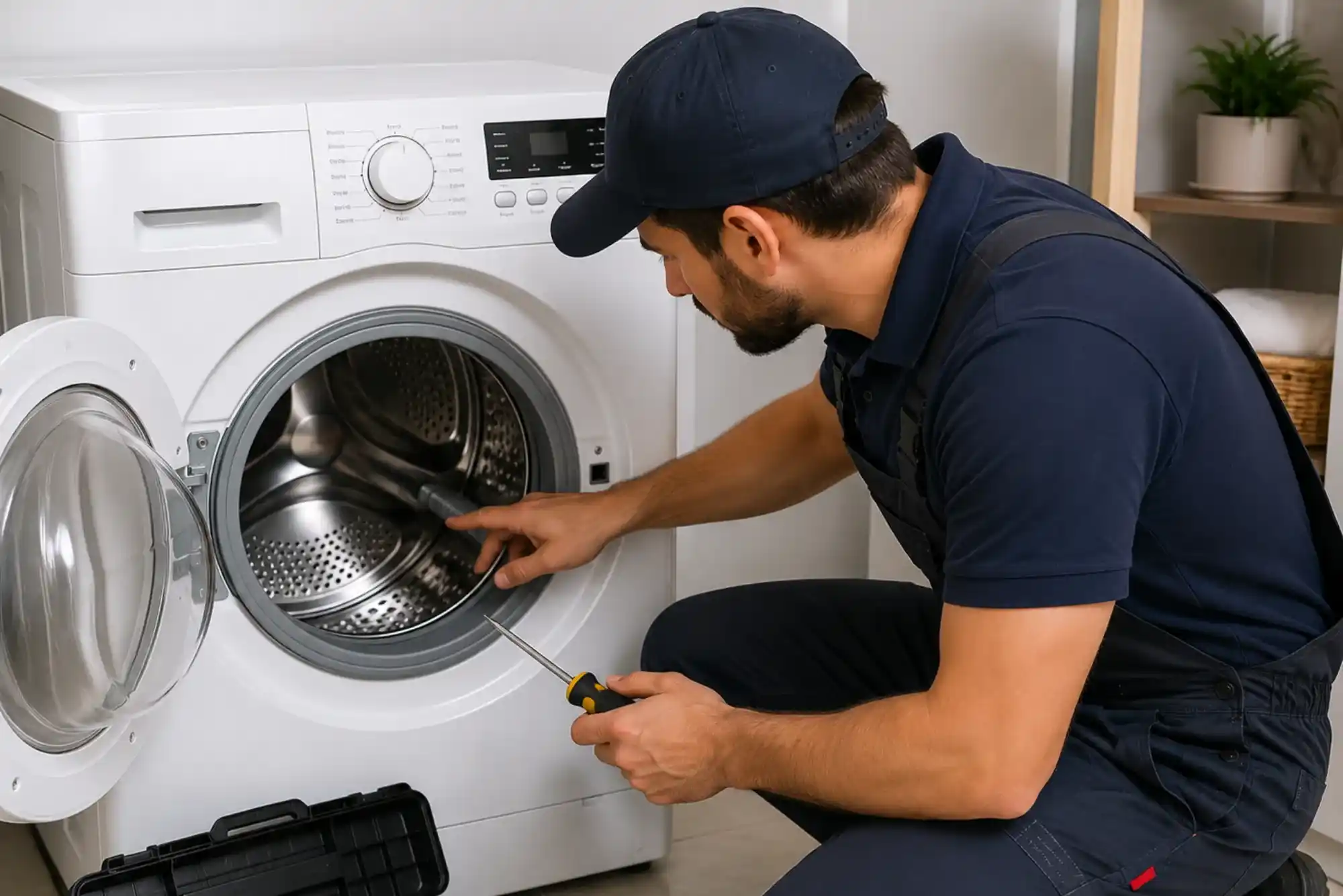
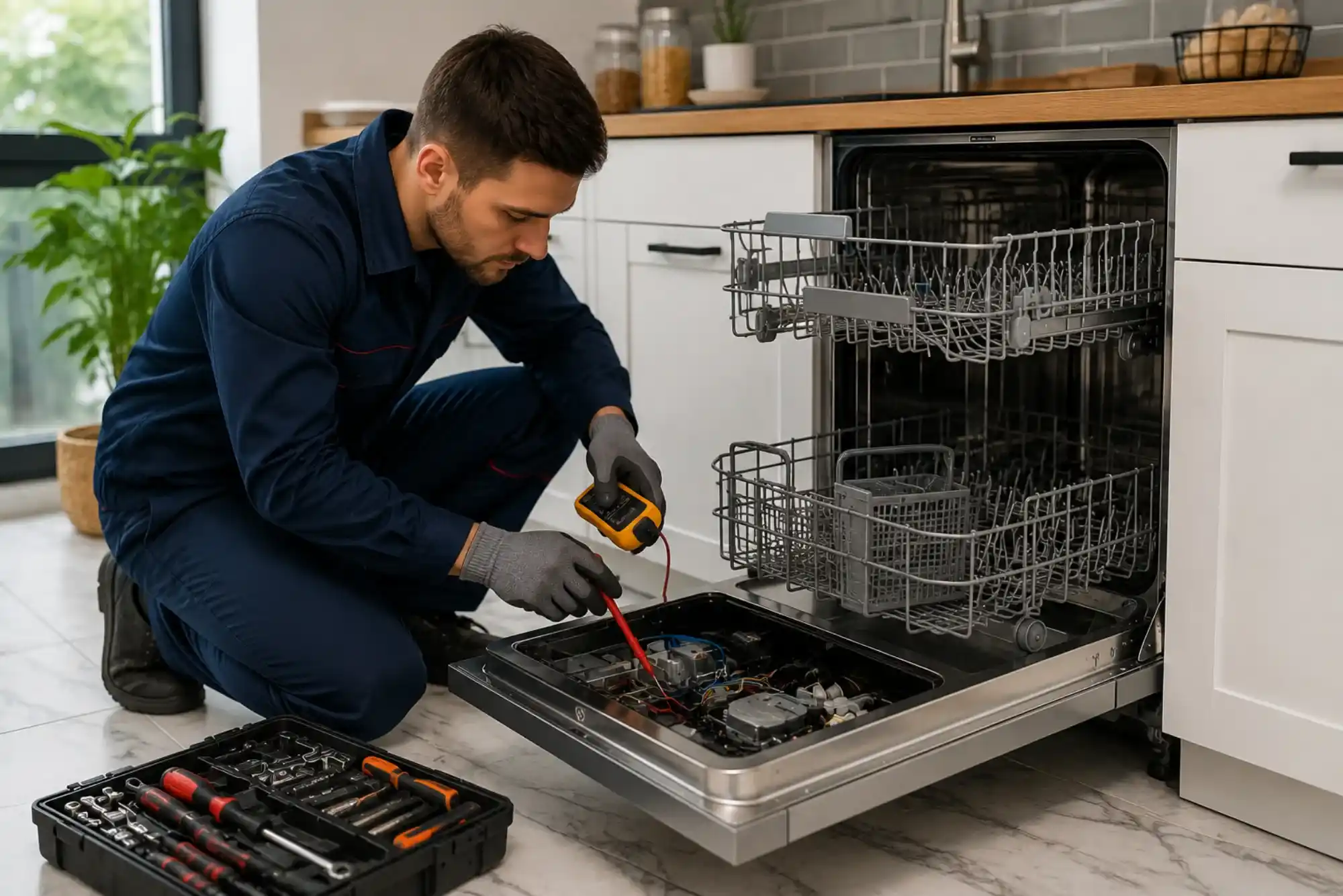
While many issues can be solved through basic maintenance, some problems demand expert care. Gas leaks, electrical failures, or deep mechanical faults pose safety risks if handled improperly. Certified technicians possess the tools and expertise to diagnose underlying problems accurately. Professional service also provides peace of mind, ensuring that the oven is restored to safe and efficient operation. For homeowners, knowing when to call a technician prevents unnecessary damage, reduces downtime, and guarantees consistent results.
Long-Term Strategies to Prevent Fluctuations
Once stability is restored, prevention becomes the priority. Regular maintenance checks, mindful usage habits, and timely replacements of worn parts help safeguard performance. Installing a high-quality oven thermometer provides ongoing reassurance. For frequent bakers, investing in a convection oven may further enhance consistency, as fans circulate heat evenly. In professional kitchens, ovens are often serviced on schedules rather than waiting for breakdowns. Homeowners can adopt the same approach by planning annual inspections. Preventive care not only preserves temperature stability but also extends the overall lifespan of the appliance.
Regaining Control in the Kitchen
Oven temperature fluctuations may seem like an inevitable frustration, but they are usually solvable with the right approach. By understanding how thermostats, sensors, heating elements, and user habits affect stability, homeowners can take meaningful steps toward restoration. Consistent oven performance ensures that every meal turns out as intended, transforming cooking from guesswork into an enjoyable experience. Whether through simple maintenance, careful usage, or professional servicing, fixing this issue restores confidence and reliability in the kitchen. A well-functioning oven is more than just an appliance—it is the foundation of successful cooking.