A refrigerator is one of the few household appliances that runs continuously. It keeps food fresh, maintains temperature consistency, and is often taken for granted until a sudden malfunction occurs. One of the more alarming problems that homeowners experience is when the fridge repeatedly trips the circuit breaker. This issue not only interrupts the operation of the appliance but can also signal an underlying electrical fault that needs prompt attention. Repairing a fridge that trips the circuit breaker requires understanding both the electrical system and the internal mechanisms of the refrigerator.
When a refrigerator trips the circuit breaker, it means that the electrical circuit is being overloaded or shorted. A breaker is designed as a safety mechanism to cut off power when it senses an abnormal current flow that could cause overheating, sparks, or fire. Therefore, every time the breaker trips, it is protecting the home from potential electrical hazards. However, repeated tripping indicates that something in the refrigerator’s electrical components is malfunctioning or drawing more power than the system can handle.
Understanding Why the Breaker Trips
There are several potential causes behind this problem. Sometimes, it is a simple overload, meaning too many devices are connected to the same circuit. In other cases, the refrigerator itself has an internal fault, such as a damaged compressor, a shorted wire, or a defective defrost heater. Moisture can also build up within electrical connections, especially in humid environments, leading to short circuits. Additionally, a worn-out start relay or a malfunctioning fan motor can cause sudden spikes in electrical current that the breaker cannot sustain.
The first instinct for many homeowners is to reset the breaker and assume the problem is temporary. While this might provide a brief fix, if the breaker continues to trip, it is a sign of a deeper issue that requires professional inspection. Repeatedly resetting the breaker without addressing the root cause can worsen the problem and even create safety hazards.
Electrical Safety and Risks
A refrigerator draws substantial current, particularly when the compressor starts. If there is a weakness in the wiring or a short circuit inside the unit, it can lead to a surge that exceeds what the circuit breaker is designed to handle. When the breaker trips, it prevents possible overheating and electrical fires. This mechanism should never be ignored. Each trip is essentially a warning that either the appliance or the circuit needs attention.
Some homeowners attempt to solve the issue by replacing the breaker with one that has a higher amp rating. While this may stop the breaker from tripping temporarily, it is extremely unsafe because it bypasses the safety function of the circuit. Instead of resolving the underlying fault, this only hides the symptom, and the increased current load may cause serious damage to the wiring or even result in an electrical fire. Professional diagnosis is the only proper way to ensure the repair is done safely and effectively.

Diagnosing the Problem
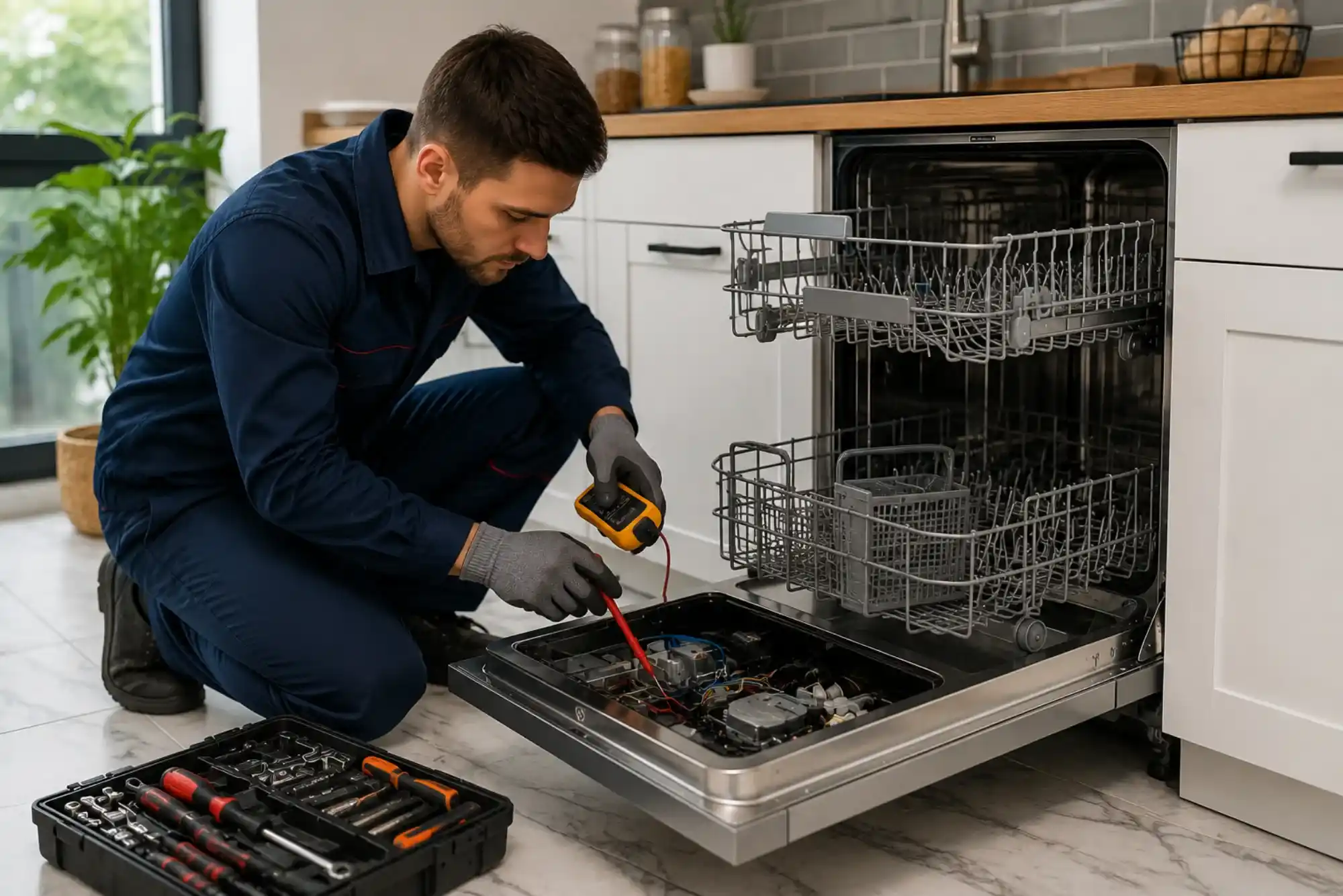
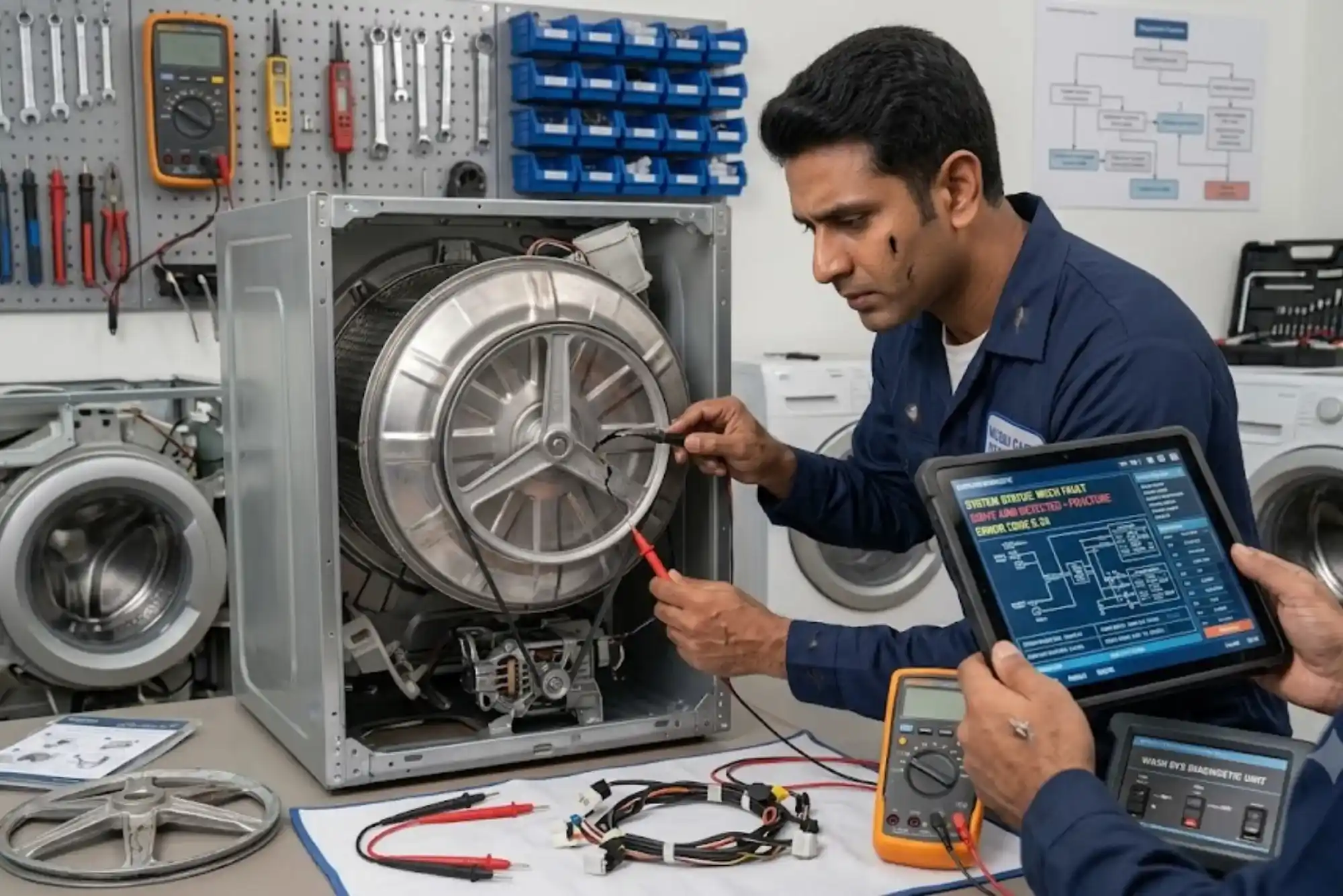
When a refrigerator continues to trip the breaker, the repair process begins with diagnosis. A professional technician examines both the electrical circuit and the refrigerator itself. They will test the compressor, defrost system, control board, and all wiring connections to identify the source of the excessive current draw. In many cases, the issue may be internal to the fridge, such as a failing compressor winding or insulation breakdown in electrical components.
If the fault lies within the house wiring or outlet, the technician ensures that the refrigerator is connected to a dedicated circuit. Modern electrical codes recommend that large appliances like refrigerators have separate circuits to avoid interference or overload from other devices. Once the true cause is identified, targeted repair can restore the appliance’s normal operation.
Importance of Professional Repair
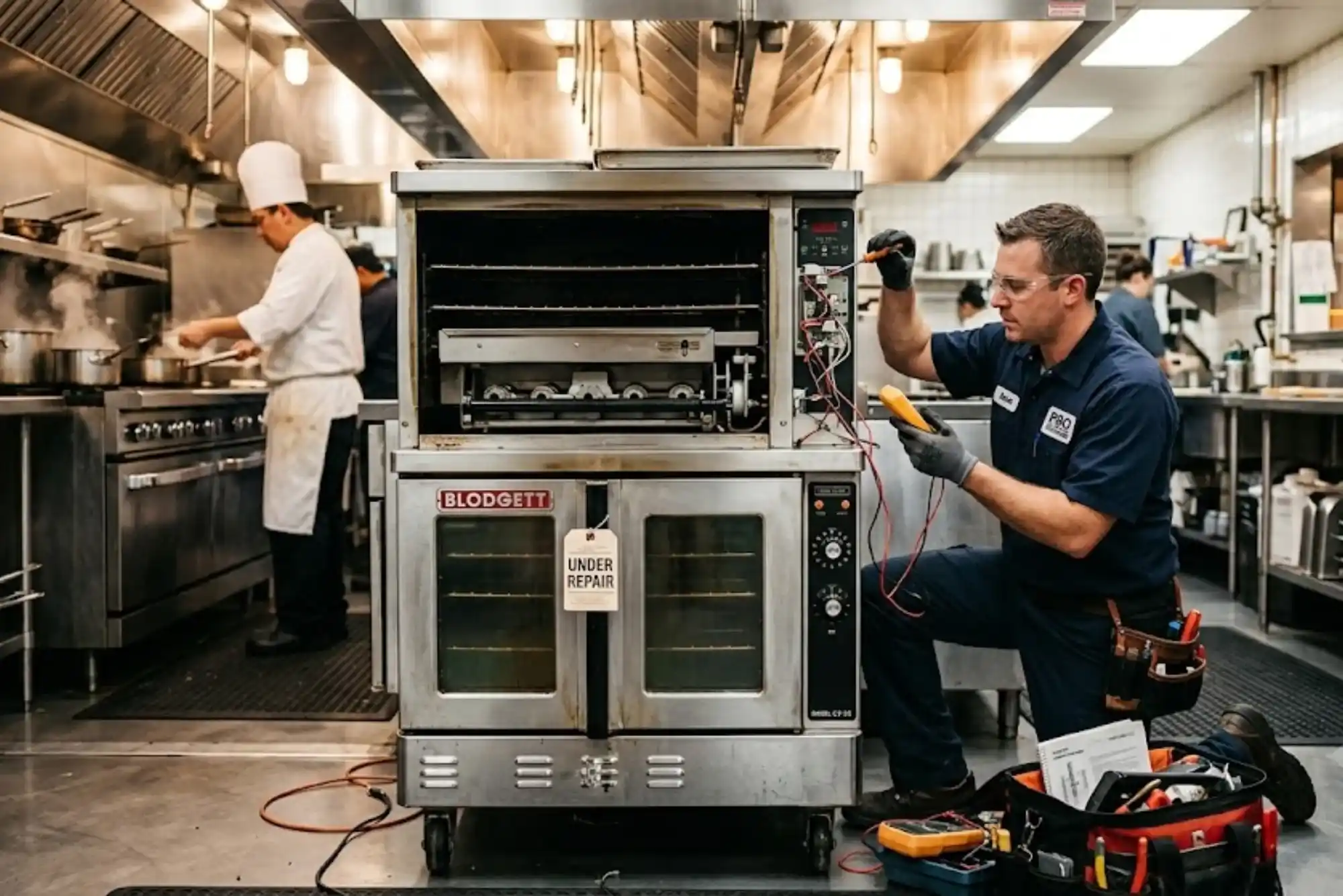
Handling electrical problems without training is dangerous. Refrigerators contain high-voltage components, and improper repairs can lead to shock or further damage. Trained technicians have the equipment to safely measure current draw, test circuits, and identify short circuits within the appliance. They can determine whether the problem lies in the refrigerator’s components, the wall outlet, or the electrical panel.
Professional repair ensures that all issues are corrected in compliance with safety standards. Instead of temporary solutions, the focus is on restoring long-term stability and efficiency. A qualified service provider understands that each model and brand has unique specifications, and they apply appropriate techniques to protect sensitive electronic controls.
Common Faults Found During Repair
During repair assessments, technicians often discover issues such as damaged power cords, loose connections, or corroded terminals that disrupt normal current flow. In other cases, the compressor’s internal windings may be shorted, or the defrost heater element may be leaking electricity into the frame of the appliance. Each of these conditions can cause enough current imbalance to trip the breaker repeatedly.
If the refrigerator has moisture buildup inside electrical compartments, it may lead to ground faults. These can be particularly tricky to detect without professional equipment. Proper drying, insulation replacement, or component rewiring may be required to correct the issue fully. Once repaired, the technician verifies stability by running the fridge through its complete cooling cycle to ensure it operates smoothly without tripping the breaker again.
How Regular Maintenance Prevents Electrical Problems
Most electrical problems in refrigerators do not occur suddenly. They develop gradually due to neglect or lack of maintenance. Dust buildup on the condenser coils, loose wiring connections, or worn insulation can eventually create resistance and overheating. Periodic inspection and servicing keep the appliance in good condition and reduce the likelihood of major electrical failures.
Professional maintenance involves cleaning, checking current draw, and testing internal components under load. By identifying weak or failing parts early, homeowners can prevent unexpected power failures or costly replacements. Maintenance also improves efficiency, ensuring that the refrigerator consumes the correct amount of energy without overloading the circuit.
The Relationship Between Power Supply and Appliance Condition
In some homes, electrical instability can also contribute to breaker tripping. Voltage fluctuations, poor grounding, or undersized wiring can create conditions where the refrigerator’s electrical demand exceeds what the circuit can handle. Ensuring that the appliance is connected to a properly rated outlet and that the household wiring meets safety standards is essential.
A technician will check whether the circuit is properly grounded and whether the refrigerator is receiving stable voltage. If fluctuations are detected, solutions such as installing voltage stabilizers or correcting wiring faults may be necessary. The goal of proper repair is not just to fix the immediate problem but to ensure the entire electrical setup supports safe operation.
When Replacement Becomes Necessary
Although most circuit breaker issues can be repaired, there are situations where replacement is the best solution. If the refrigerator’s compressor is damaged beyond repair or if electrical insulation has deteriorated extensively, replacement may be safer and more cost-effective. A professional technician can guide homeowners through this decision by evaluating repair costs versus the age and efficiency of the appliance.
A new, energy-efficient refrigerator will consume less power and place less strain on household circuits. This can prevent future tripping and reduce energy bills. Choosing to replace rather than repeatedly repair a severely damaged appliance can also enhance overall safety.
Preventing Future Circuit Breaker Trips
Once the refrigerator has been repaired, preventive measures help avoid recurrence. Ensuring the appliance has its own dedicated electrical circuit, keeping connections tight, and maintaining clean components all contribute to long-term reliability. Regular professional servicing, ideally once a year, helps detect early warning signs of electrical wear.
In areas with high humidity or voltage fluctuation, taking additional precautions such as surge protectors or voltage regulators can further enhance protection. A stable power supply not only prevents breaker trips but also extends the lifespan of the refrigerator’s compressor and electronic control systems.
Conclusion
A refrigerator that repeatedly trips the circuit breaker is not just a minor inconvenience. It is a sign of an underlying electrical or mechanical issue that needs prompt attention. Ignoring this warning can lead to more serious damage, higher repair costs, and potential safety risks. The combination of electricity, moisture, and high-power components in refrigerators makes professional inspection and repair essential.
Repairing this problem begins with identifying the cause, whether it is an overloaded circuit, faulty compressor, or internal wiring fault. Once properly diagnosed, a trained technician can restore safe and efficient operation. Regular maintenance and proper electrical setup further ensure that the issue does not return.
Ultimately, addressing a fridge that trips the circuit breaker is about more than just convenience. It is about protecting your home from electrical hazards, maintaining the performance of an essential appliance, and ensuring peace of mind. A well-repaired and properly maintained refrigerator not only operates efficiently but also provides lasting reliability for years to come.