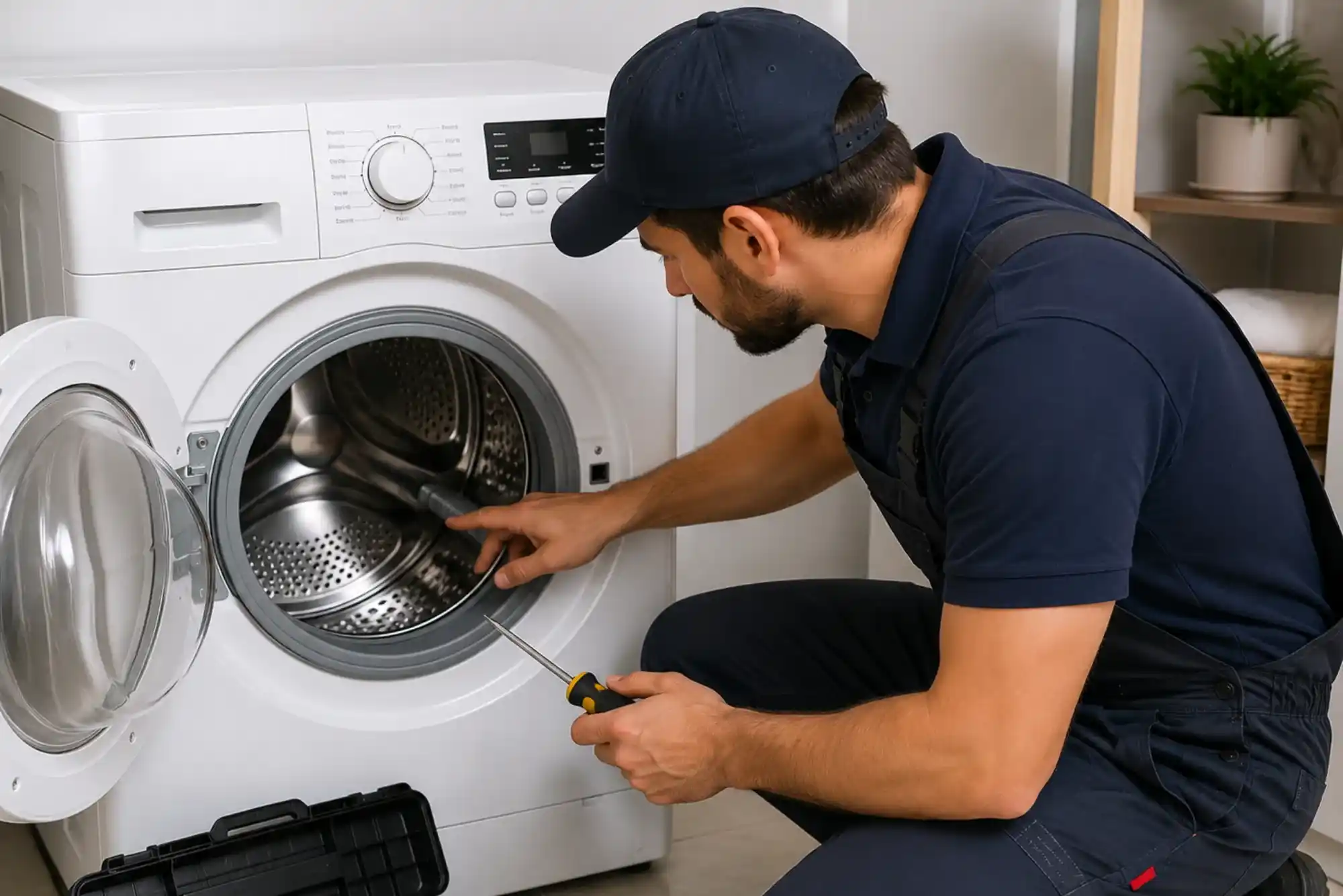
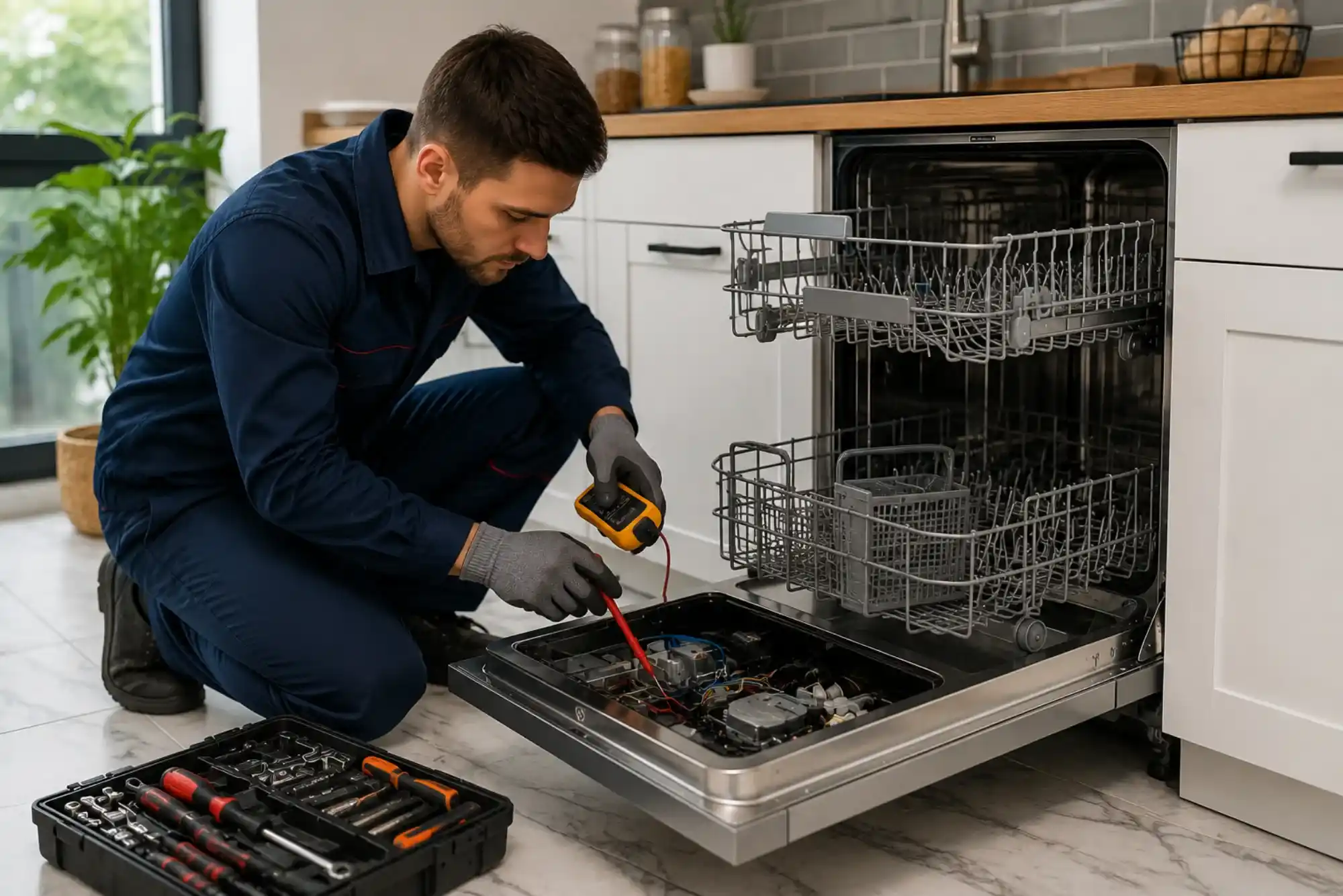
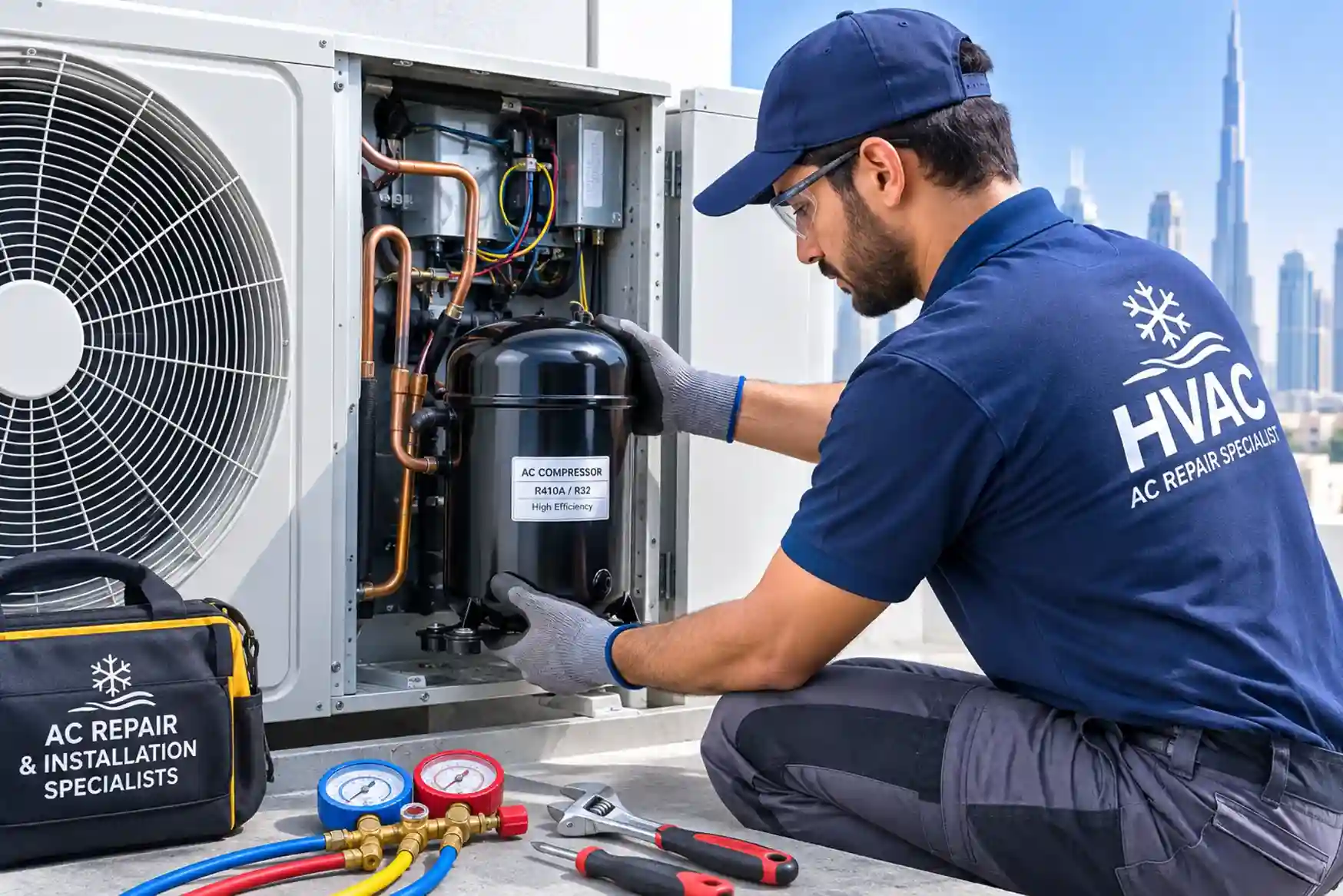
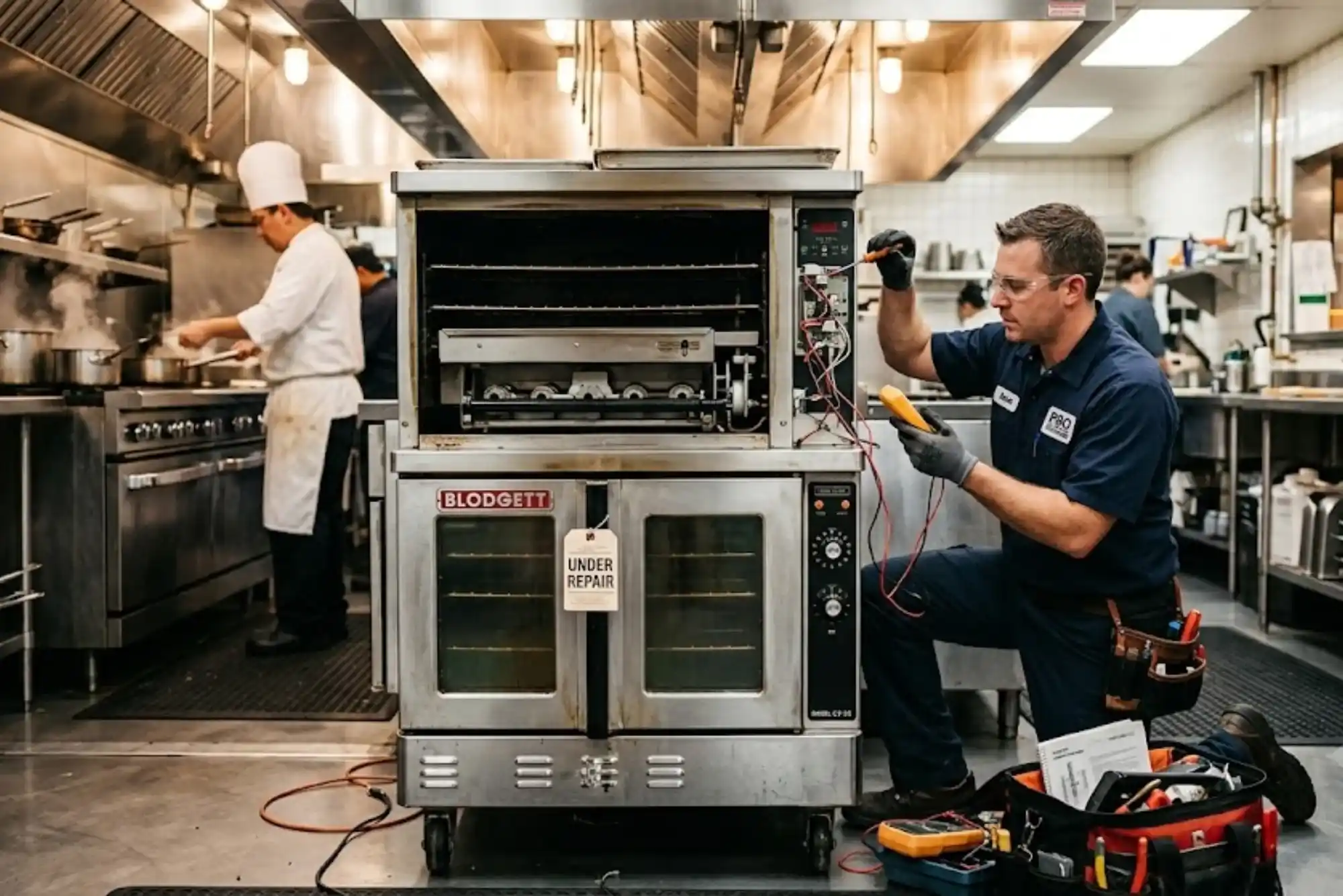
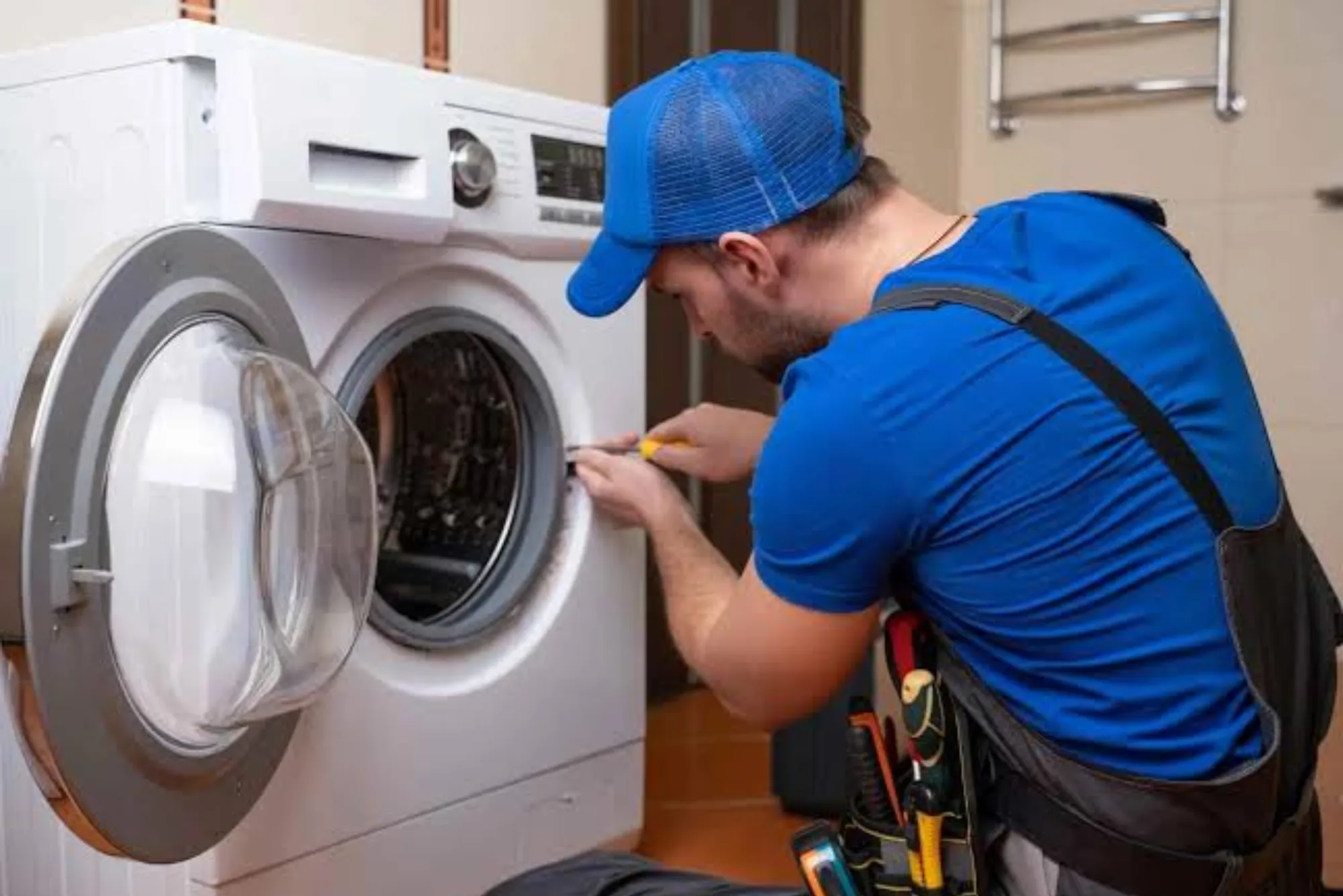
A refrigerator is one of the most essential appliances in every home, silently keeping food fresh, drinks cold, and leftovers safe to consume. When it breaks down, daily life becomes inconvenient until a technician comes to repair it. However, many people experience an unexpected issue after the repair is complete—the fridge begins to emit an unpleasant odor. A fridge that smells bad after repair can be confusing and frustrating, especially when the appliance appears to be working perfectly. Understanding the reasons behind these post-repair smells and how to address them is important to restore a clean and hygienic environment in your kitchen.
When a fridge smells bad after repair, it usually indicates a buildup of bacteria, trapped moisture, or residual odors caused by the repair process itself. It might also be linked to poor airflow, malfunctioning filters, or food contamination during the time the fridge was out of service. Although it is easy to assume that the repair caused the odor, the real reasons often run deeper.
Understanding Why Odors Appear After Repair
During a repair, a technician might disconnect or move internal components to replace parts or clean blocked systems. This process can temporarily expose hidden areas of the refrigerator that collect residue over time. When the fridge is reassembled, any leftover moisture or organic matter can start to emit odors once the appliance resumes operation.
In some cases, while the fridge is turned off for repair, warm air enters the compartments and creates a breeding ground for bacteria. Even if the fridge is cleaned afterward, the lingering smell can remain trapped in vents, drains, or behind panels. These smells become noticeable only when the refrigerator starts cooling again, as cold air circulates and carries the odor throughout the appliance.
Another possible cause is the coolant or lubricants used during the repair process. Sometimes, technicians use cleaning agents or sealants that may leave temporary chemical odors. These smells are not harmful in small amounts but can be unpleasant until the materials fully evaporate.
The Role of Bacteria and Mold
Food spills and moisture accumulation are the perfect environment for bacterial growth. When a refrigerator is switched off during repair, the interior temperature rises quickly, allowing bacteria to multiply. If there were any unnoticed spills or expired food before the repair, these microorganisms continue to develop and produce strong smells once the cooling resumes.

Mold can also be a major contributor to bad odors. Moisture that remains trapped in gaskets, seals, or hidden corners creates ideal conditions for mold spores to thrive. Once established, mold produces musty, sour smells that are difficult to eliminate without a deep cleaning. Even if the visible parts of the fridge look clean, mold can grow behind panels or near the drip tray, where condensation collects.
Improper Cleaning After Repair
One of the main reasons a fridge smells bad after repair is that it has not been cleaned thoroughly before being restarted. When the refrigerator is opened for servicing, dust, dirt, and debris can enter the interior or ventilation system. If the technician focuses solely on the mechanical issue without wiping down the interior surfaces, those small contaminants can begin to smell over time.
In many cases, food that remained inside the fridge during repair might have absorbed ambient heat and started to spoil. Even if it looks fine after cooling resumes, microscopic spoilage can continue and release unpleasant odors. This is why it is always recommended to remove all food items before any service work and clean the fridge completely before turning it back on.
The Impact of Electrical and Mechanical Components
Sometimes, the bad smell after a repair does not come from food or bacteria but from the components themselves. Electrical parts such as motors, wiring, or insulation materials can produce a faint burning or chemical odor when they are new or recently repaired. This typically happens when a new compressor or fan motor is installed. The odor should fade after a few days of regular operation as the materials settle and residual manufacturing oils burn off.
However, if the smell persists or intensifies, it could indicate an issue with electrical insulation or overheating. In such cases, it is best to contact a professional technician immediately to inspect the appliance. Continuing to use a fridge with a strong chemical or burnt smell can be unsafe.
Problems with Drainage or Filters
The refrigerator’s drain system plays an important role in removing condensation. During a repair, if the drain line is disconnected or not cleaned properly, it can collect stagnant water or food particles, leading to unpleasant smells that spread through the fridge. Similarly, some modern refrigerators have air filters designed to absorb odors and maintain freshness. If these filters are not replaced or cleaned after repair, they can trap old smells and release them back into the air.
A clogged or dirty filter may also affect the cooling efficiency of the fridge, causing uneven temperatures that encourage odor-causing bacteria to grow. Cleaning or replacing these components after every major service ensures the appliance remains fresh and hygienic.
The Importance of Air Circulation
Poor air circulation inside a refrigerator is another reason for bad smells after repair. When air cannot move freely between compartments, moisture accumulates, and cold spots form. This creates an uneven environment where certain areas become damp and others remain too dry. Bacteria and mold often grow in these humid pockets.
If a repair involved replacing the fan, sealing a vent, or changing internal components, airflow might have been altered slightly. Even a small misalignment can reduce ventilation and cause odors to build up. Ensuring that vents are open, air paths are clear, and shelves are not blocking airflow can help prevent these smells from returning.
How to Restore a Fresh Smell
The first step in restoring freshness is to unplug the refrigerator and allow it to defrost completely. Once it reaches room temperature, clean all interior surfaces using mild soap or a vinegar-based solution. Pay special attention to corners, seals, and trays, as these areas often trap hidden bacteria. Remove and wash shelves and drawers separately to ensure no residue remains.
After cleaning, leave the doors open for several hours to let the fridge air out completely. When the interior is dry, reconnect the power supply and check whether the smell persists. If the odor continues, it might be originating from deeper components such as the drain system, filter, or insulation. In such cases, a follow-up inspection by a professional technician is recommended.
When to Call a Professional
A persistent bad smell after repair is a sign that something inside the fridge needs attention beyond surface cleaning. This could be due to trapped water, refrigerant leaks, or electrical components producing unusual odors. Attempting to dismantle the appliance further without experience can lead to safety risks or damage.
Contacting an expert in refrigerator maintenance ensures the problem is diagnosed accurately and resolved safely. Technicians have specialized tools to clean and disinfect internal parts, repair faulty drains, and restore airflow. They can also verify that the refrigerant system and compressor are functioning properly, ensuring that the smell is not a symptom of a deeper issue.
Preventing Odors in the Future
To prevent future bad smells after repairs, proper maintenance and cleaning are essential. Always remove all food before servicing and wipe down the interior immediately afterward. Ensure that the refrigerator is dry before plugging it back in. Using deodorizing materials like activated charcoal or baking soda can help absorb residual odors during the first few days of operation.
Regular maintenance also makes a difference. Cleaning the fridge every few months, inspecting seals and drain lines, and replacing filters as needed keeps the appliance running efficiently and odor-free. These practices not only enhance performance but also extend the lifespan of the refrigerator.
Conclusion
A refrigerator that smells bad after repair can be disappointing, but it is a common issue that often has simple explanations. Most odors originate from trapped moisture, bacterial growth, or temporary effects of the repair process. Cleaning thoroughly, allowing proper ventilation, and ensuring professional follow-up when needed are the best ways to eliminate these smells for good.
Your refrigerator plays a vital role in preserving food safety and comfort in your home. Addressing unpleasant odors promptly not only restores freshness but also ensures your appliance continues to function efficiently for years to come. With the right care and attention after every repair, your fridge can remain clean, odor-free, and reliable.