Air conditioners are an indispensable part of modern living, providing comfort in homes, offices, and commercial spaces, especially in regions with extreme temperatures. Despite their importance, air conditioners are prone to faults that can affect both performance and energy efficiency. Among these issues, an air conditioner power consumption fault is one of the most common and concerning problems faced by homeowners and businesses alike.
A power consumption fault occurs when the air conditioner draws more electricity than necessary to perform its cooling function. This excessive power usage not only leads to higher energy bills but can also indicate underlying technical problems within the system. Understanding the causes, identifying the signs, and implementing proper solutions are crucial to maintaining the efficiency and longevity of an air conditioner.
Understanding Air Conditioner Power Consumption Faults
Air conditioners operate through a combination of components, including the compressor, condenser, evaporator, fan motors, and the thermostat. These components work in harmony to absorb heat from the indoor air and release it outside, providing cool and comfortable air indoors.
A power consumption fault can arise when any part of this system is malfunctioning or underperforming. When the system struggles to maintain the desired temperature, it consumes more energy, putting stress on electrical components and increasing the risk of breakdowns. Unlike minor performance issues, a power consumption fault requires careful assessment and intervention to avoid long-term damage and high operational costs.
Factors Contributing to Air Conditioner Power Consumption Faults
The reasons behind excessive power consumption in an air conditioner are varied and can involve both mechanical and electrical components. One of the primary factors is restricted airflow within the system. Air filters play a significant role in maintaining airflow, ensuring that dust and debris do not hinder the system’s operation. When filters become clogged, the air conditioner works harder to circulate air, leading to higher energy usage. Regular maintenance of filters is therefore critical to prevent energy inefficiency.
Another significant factor is refrigerant-related issues. The refrigerant is the medium that transfers heat from indoors to the outside. Low refrigerant levels, leaks, or incorrect refrigerant types can reduce cooling efficiency, forcing the compressor to operate longer and consume more electricity. Beyond energy consumption, refrigerant problems can damage critical components, resulting in costly repairs.
Thermostats also influence power usage. A malfunctioning or outdated thermostat may fail to accurately sense room temperatures, causing the air conditioner to run unnecessarily. This can result in continuous operation and higher electricity bills. Modern programmable and smart thermostats can help mitigate this issue by regulating cooling cycles more efficiently.
Dirty condenser coils represent another common culprit behind power consumption faults. These coils release heat absorbed from indoor air. Accumulated dust and debris reduce the coils’ ability to transfer heat effectively, which in turn causes the compressor to work harder. Over time, this not only increases electricity consumption but also shortens the lifespan of the air conditioner.
Electrical components within the air conditioner, such as capacitors, relays, and motors, can also fail, contributing to energy inefficiency. Worn-out or damaged parts may require more current to operate or may function intermittently, further escalating power consumption. Professional inspection and timely replacement of faulty components are essential to prevent prolonged energy wastage.
Finally, the sizing and installation of the air conditioner itself can lead to power consumption faults. Units that are too small for the area they serve struggle to achieve the desired cooling effect, while oversized units may frequently cycle on and off, consuming excessive power in short bursts. Correct sizing during installation, combined with proper insulation of the space, is crucial for optimal energy performance.
Signs of Excessive Power Consumption in Air Conditioners
Detecting an air conditioner power consumption fault early can prevent both financial and operational issues. Homeowners and facility managers should watch for unusual increases in electricity bills that are not explained by increased usage. Reduced cooling performance despite continuous operation is another strong indicator of a problem.
Additionally, frequent cycling of the unit, unusual sounds, vibrations, or warm air blowing from the vents are clear signs that the air conditioner is not functioning efficiently. Ignoring these indicators can lead to permanent damage to the compressor or other critical components, further increasing energy consumption and repair costs.
Diagnosing the Root Cause of Power Consumption Faults
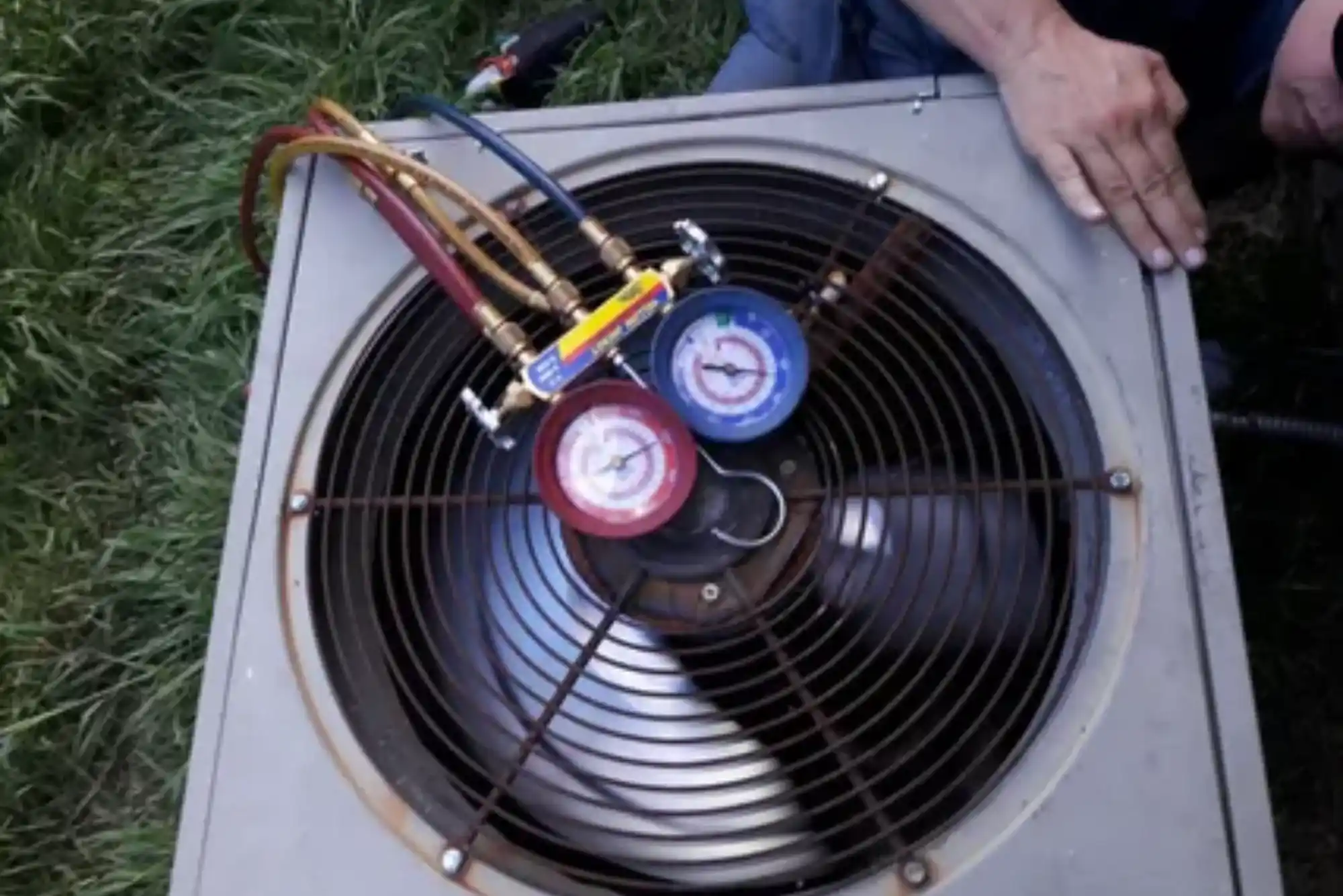
Accurately diagnosing an air conditioner power consumption fault requires professional expertise. Technicians typically start by inspecting the system’s airflow, checking the cleanliness of filters and coils, and evaluating the condition of the electrical components. They measure the voltage and current draw of the system to determine if the unit is operating within manufacturer specifications.
Refrigerant levels are also tested to ensure the system is not undercharged or leaking. Thermostats and control boards are checked for accuracy and responsiveness. While homeowners can conduct basic checks such as replacing dirty filters or clearing debris around the outdoor unit, more complex diagnostics should be handled by certified technicians to avoid safety hazards and warranty issues.
Professional Solutions to Air Conditioner Power Consumption Faults
Once the cause of excessive energy consumption is identified, appropriate solutions can restore efficiency. Routine maintenance is one of the most effective strategies for preventing power consumption faults. Maintenance ensures that filters, coils, fans, and electrical components are in optimal condition, reducing the workload on the system.
Upgrading to a programmable or smart thermostat can further optimize cooling cycles, ensuring the air conditioner runs only when needed. These modern devices can adjust temperatures based on occupancy, time of day, and even local weather conditions, reducing unnecessary energy use.
Electrical repairs, including the replacement of worn-out capacitors, relays, or motors, are often necessary to restore normal operation. Addressing these problems promptly prevents long-term inefficiency and protects other components from damage caused by excessive electrical load.
Improving the insulation of the space and sealing gaps around windows and doors reduces heat gain, which in turn reduces the cooling load on the air conditioner. For older or poorly sized units, replacing the air conditioner with a modern, energy-efficient model may provide the most significant improvement in energy consumption and system reliability.
Long-Term Strategies for Energy Efficiency
Homeowners can adopt several long-term strategies to minimize the risk of air conditioner power consumption faults. Ensuring regular professional maintenance, monitoring electricity usage, and performing seasonal checks can detect small issues before they escalate. Preventing obstructions around outdoor condenser units and keeping indoor air passages clear ensures proper airflow and system efficiency.
Additionally, implementing temperature management strategies such as avoiding extremely low setpoints, using fans to enhance air circulation, and blocking direct sunlight during peak hours can reduce strain on the air conditioner. These steps not only improve energy efficiency but also extend the lifespan of the unit.
The Financial and Environmental Impact of Power Consumption Faults
An air conditioner power consumption fault affects both the household budget and the environment. Excessive electricity consumption directly increases monthly energy bills, which can become substantial over time. On a broader scale, inefficient air conditioning contributes to higher energy demand and increased greenhouse gas emissions.
By addressing power consumption faults promptly, homeowners not only save money but also contribute to environmental sustainability. Upgrading to energy-efficient air conditioners and maintaining existing units responsibly are practical ways to reduce energy waste while ensuring comfort and reliability.
An air conditioner power consumption fault is a critical issue that can lead to higher electricity bills, reduced cooling efficiency, and potential damage to the system. Factors such as dirty filters, low refrigerant, faulty thermostats, dirty condenser coils, worn electrical components, and improper sizing all contribute to excessive power consumption.