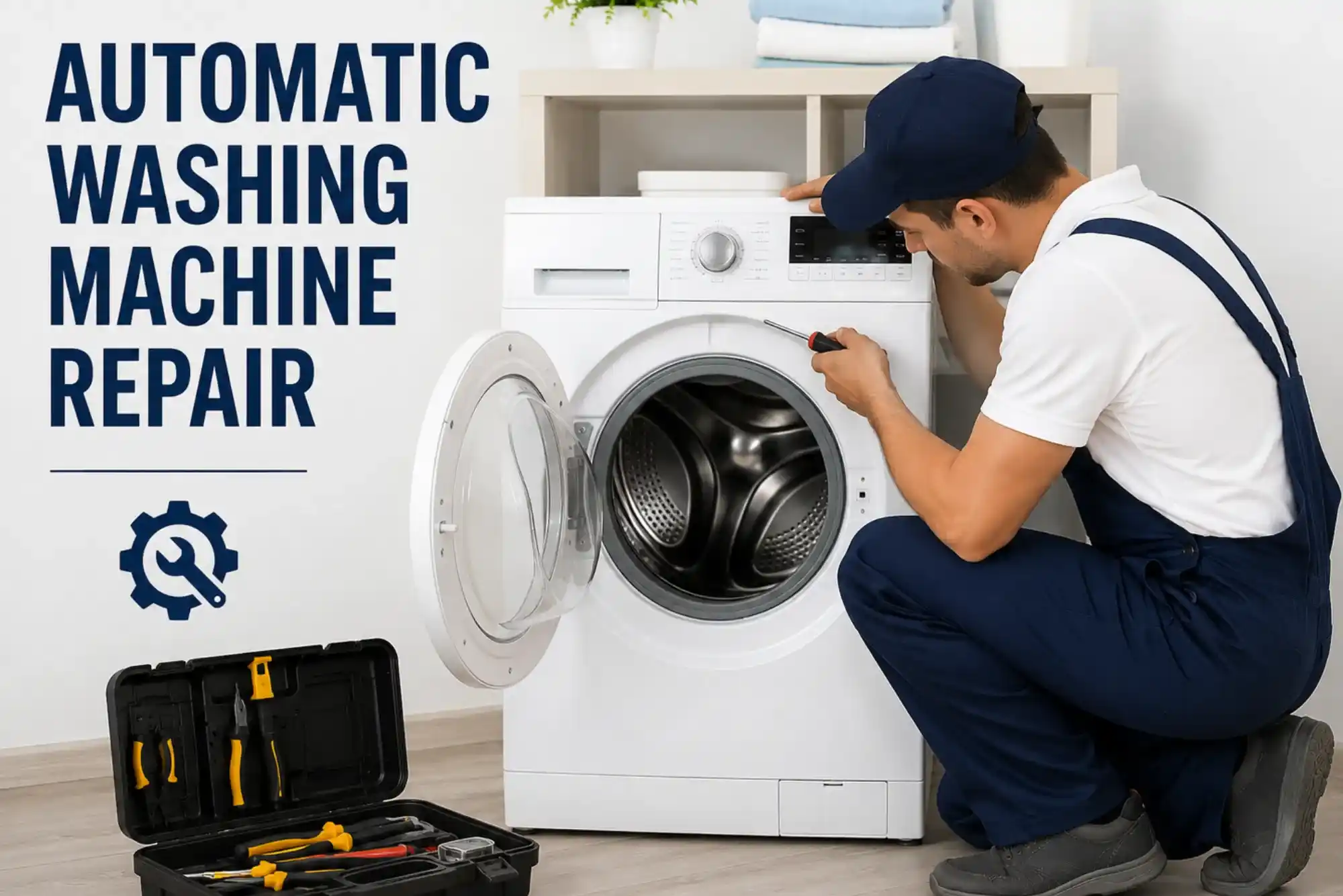
A washing machine is one of the most essential appliances in any modern household, simplifying daily chores and saving valuable time. At the heart of this indispensable device lies the motor, which powers the drum and ensures smooth washing and spinning cycles. When the motor encounters a fault, the entire appliance becomes inefficient or stops functioning altogether. Understanding Washing Machine Motor Repair is crucial for maintaining the efficiency, longevity, and performance of your appliance.
Over time, wear and tear, electrical fluctuations, and improper usage can lead to motor malfunctions. Addressing these issues promptly not only restores the washing machine’s functionality but also prevents costly replacements. With proper knowledge and timely maintenance, homeowners can ensure their washing machines operate efficiently for years.
Understanding the Role of the Washing Machine Motor
The motor serves as the driving force behind a washing machine’s operation. It rotates the drum during washing, rinsing, and spinning cycles, ensuring clothes are cleaned effectively. Without a properly functioning motor, the machine cannot perform its core functions. This makes the motor one of the most critical components of the appliance.
Modern washing machines are equipped with advanced motors designed for energy efficiency and quiet operation. These motors provide powerful performance while consuming less electricity. However, even the most advanced systems are susceptible to faults caused by continuous usage and environmental factors. Recognizing the importance of the motor helps users appreciate the need for timely repairs and regular maintenance.
Common Causes of Motor Failure
Motor-related issues can arise due to several factors, ranging from electrical problems to mechanical wear. Power surges and voltage fluctuations are among the most common reasons for motor damage. These irregularities can burn internal components, leading to sudden failure.
Overloading the washing machine is another major cause of motor malfunction. Excessive weight places undue stress on the motor, causing overheating and reducing its lifespan. Additionally, worn-out carbon brushes, faulty capacitors, and damaged wiring can hinder the motor’s performance. Moisture intrusion and prolonged exposure to humidity may also contribute to internal corrosion, resulting in inefficient operation or complete breakdown.

Understanding these causes enables users to adopt preventive measures, reducing the risk of unexpected failures and costly repairs.
Signs That Indicate Motor Problems
Identifying early warning signs of motor issues can save both time and money. One of the most noticeable indicators is when the washing machine drum fails to spin or rotate. This often suggests a malfunctioning or weakened motor that requires immediate attention.
Unusual noises such as humming, grinding, or buzzing during operation may also signal internal damage. Burning smells emanating from the appliance indicate overheating or electrical faults within the motor. Additionally, if the washing machine stops mid-cycle or struggles to start, it could be due to motor inefficiency. Addressing these symptoms promptly ensures the appliance remains functional and prevents further complications.
Importance of Professional Repair Services
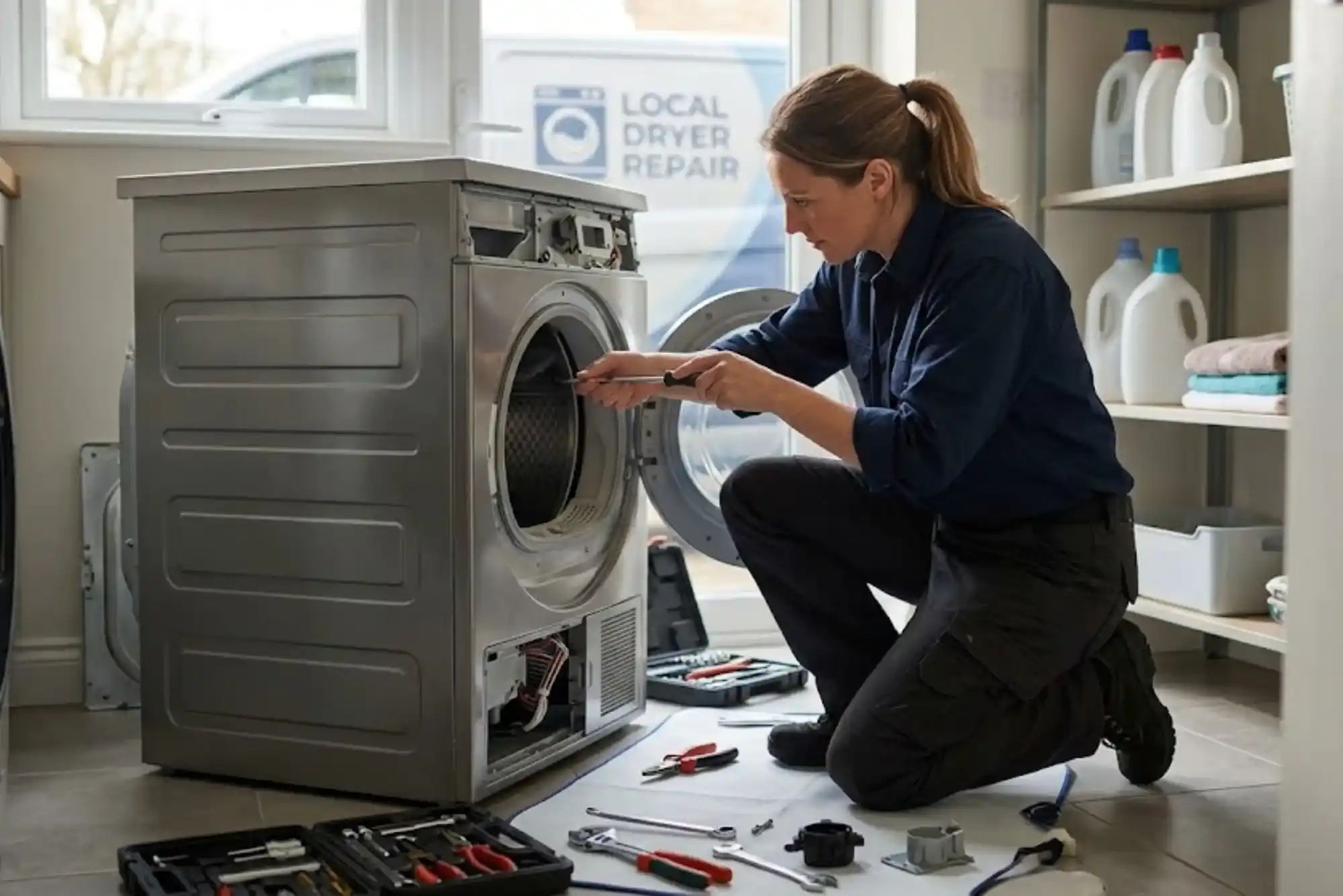
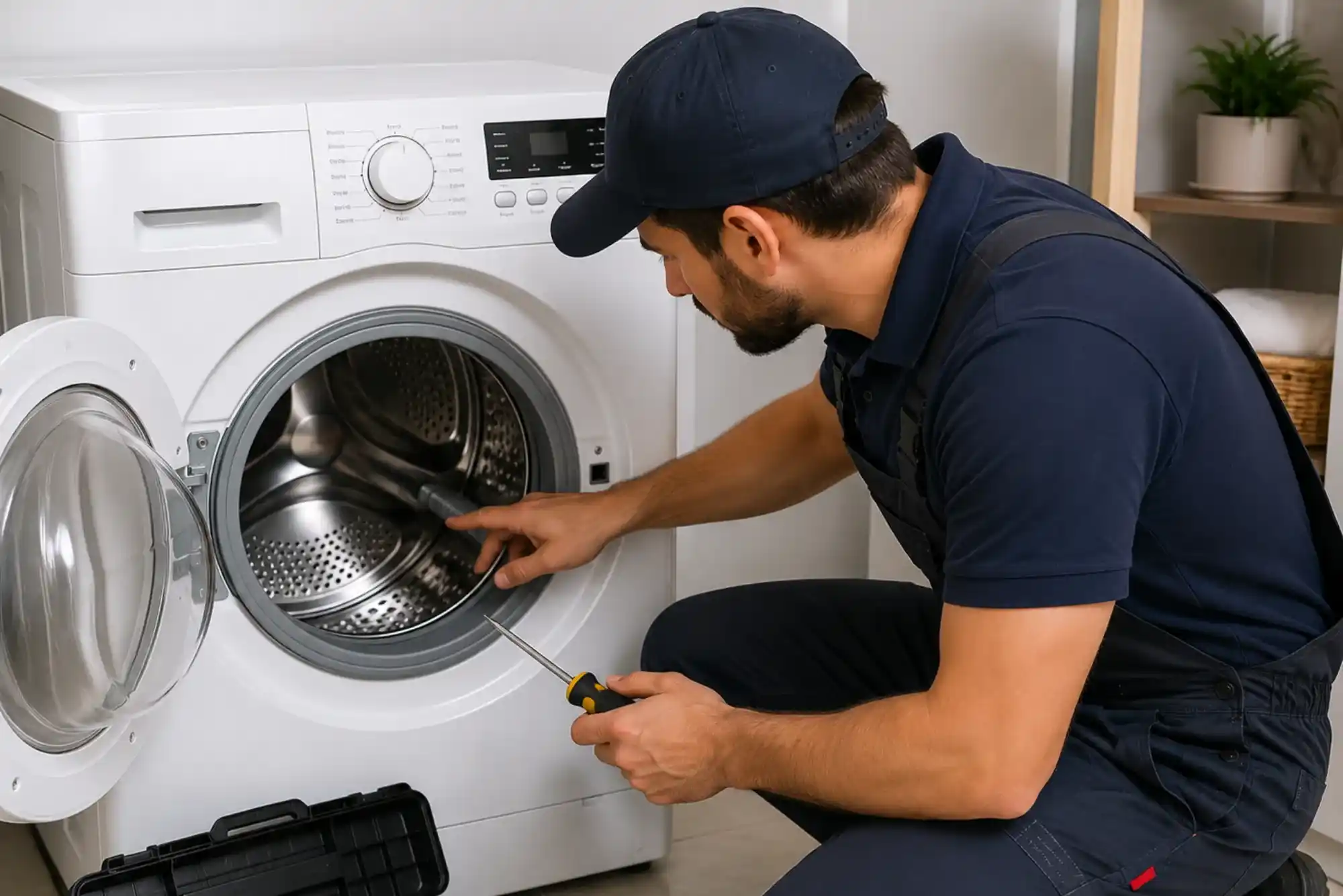
While minor maintenance tasks can be handled at home, motor-related issues often require professional expertise. Certified technicians possess the necessary tools and knowledge to diagnose and repair complex electrical and mechanical faults. Professional washing machine motor repair ensures accurate troubleshooting and safe restoration of the appliance.
Attempting to repair the motor without proper experience may lead to further damage or safety hazards. Experts not only resolve the existing issue but also inspect related components to ensure optimal performance. Their services guarantee efficiency, reliability, and peace of mind, making professional assistance a worthwhile investment.
Types of Washing Machine Motors
Washing machines are equipped with different types of motors, each designed for specific performance requirements. Traditional models often use brushed motors, which rely on carbon brushes to function. These motors are cost-effective but require periodic maintenance due to wear and tear.
Modern appliances commonly feature brushless or inverter motors. These advanced systems offer quieter operation, improved energy efficiency, and enhanced durability. Inverter motors adjust their speed based on load requirements, reducing power consumption and extending the lifespan of the machine. Understanding the type of motor in your appliance helps in selecting the appropriate repair and maintenance approach.
The Process of Diagnosing Motor Issues
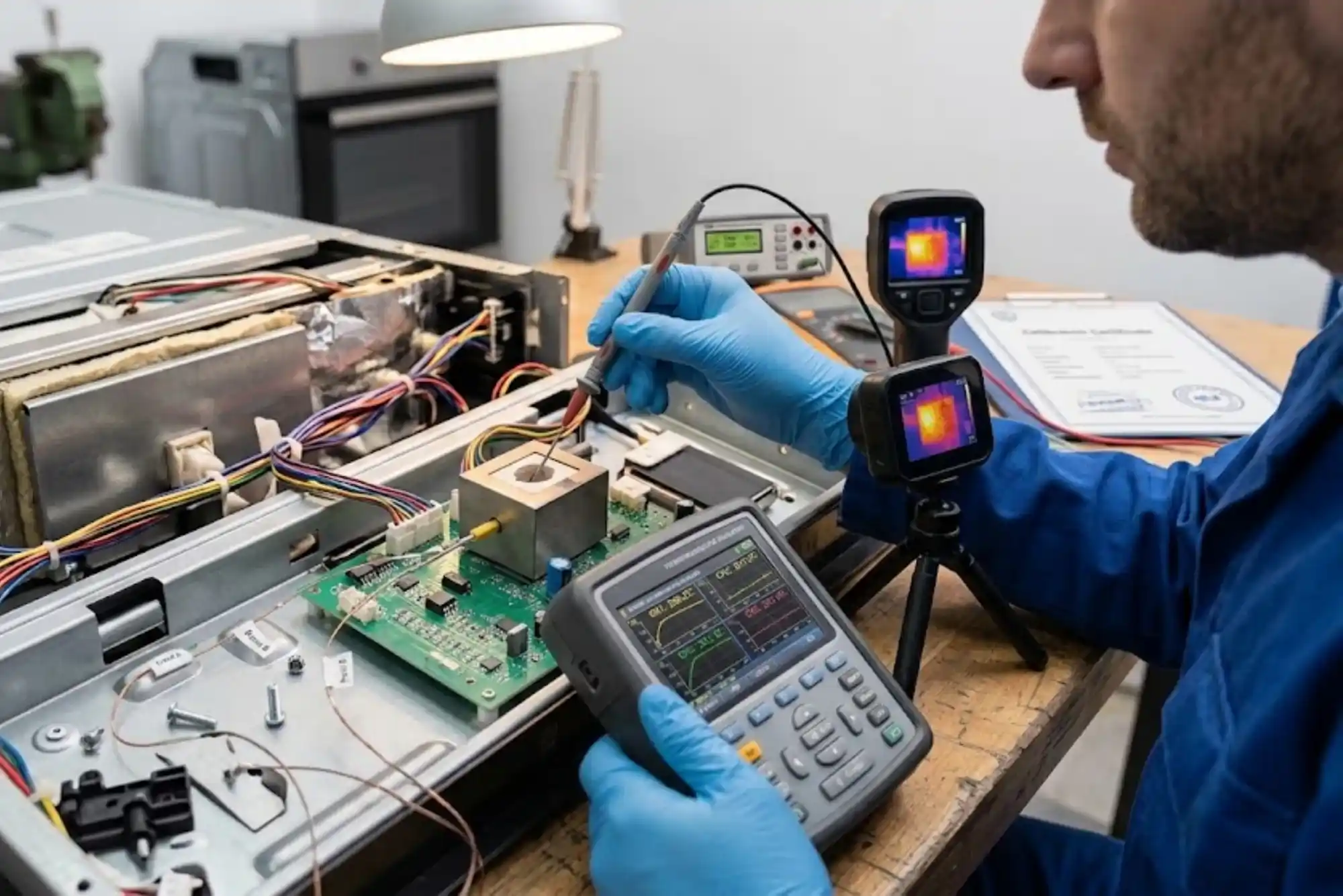
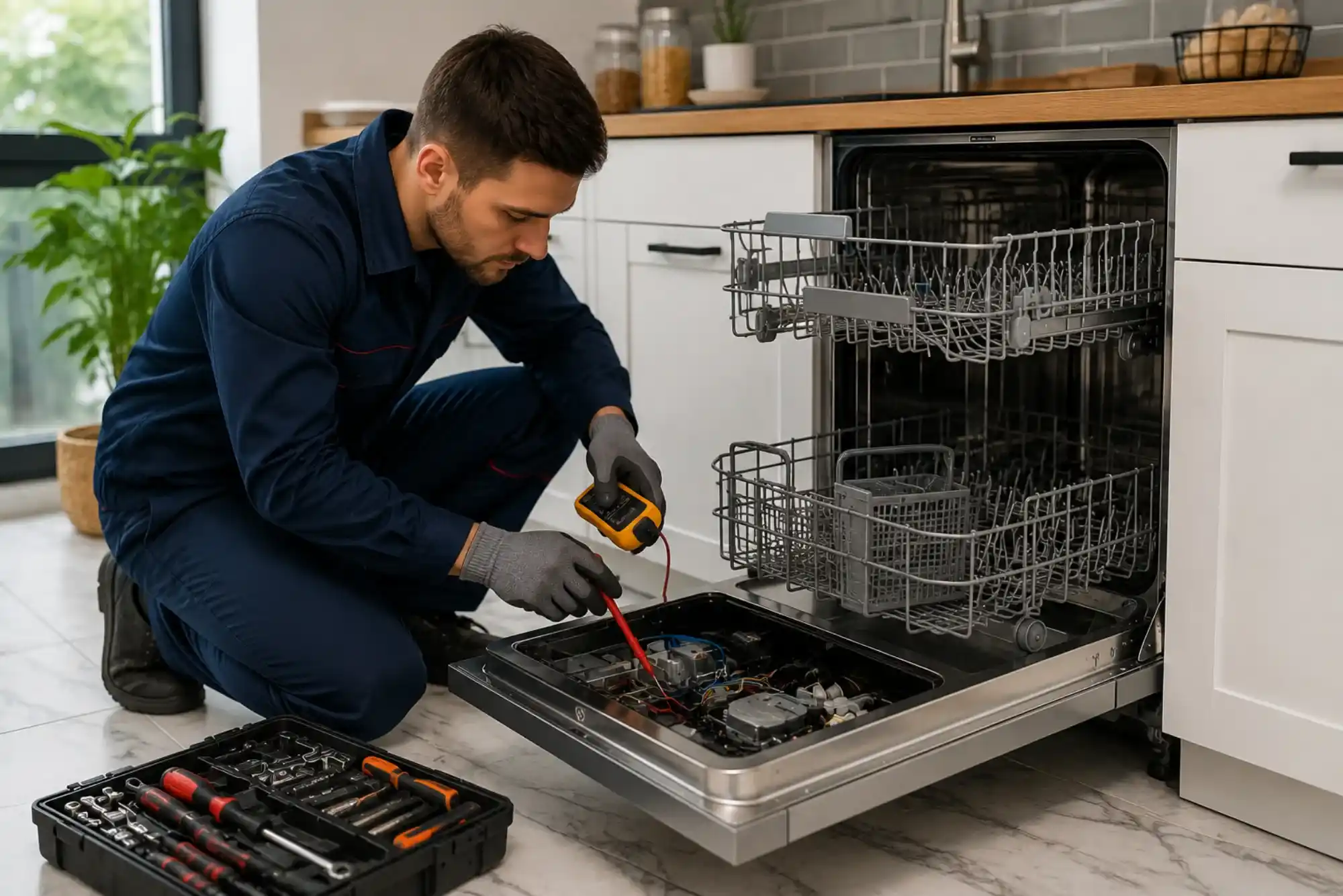
Diagnosing motor problems involves a systematic evaluation of the washing machine. Technicians begin by inspecting the power supply and internal wiring to identify electrical faults. They then examine the motor’s components, including the capacitor, rotor, and stator, to determine the root cause of the issue.
Advanced diagnostic tools are used to measure voltage levels and detect irregularities. This thorough assessment ensures accurate identification of the problem, enabling effective and long-lasting repairs. A professional diagnosis is essential for restoring optimal functionality and preventing recurring faults.
Repair Techniques and Solutions
Motor repair involves a variety of techniques depending on the nature of the problem. In some cases, replacing worn-out carbon brushes or faulty capacitors can restore the motor’s efficiency. Loose wiring and damaged connectors are repaired or replaced to ensure proper electrical flow.
If overheating has caused internal damage, technicians may rewind the motor or replace specific components. In severe cases, a complete motor replacement may be necessary to restore the washing machine’s performance. Each repair is carried out with precision to ensure safety, reliability, and long-term functionality.
Benefits of Timely Motor Repair
Addressing motor issues promptly offers numerous advantages. Timely repairs prevent minor problems from escalating into major breakdowns, saving homeowners from costly replacements. A well-maintained motor ensures smooth operation, efficient cleaning, and reduced energy consumption.
Regular servicing also enhances the lifespan of the washing machine, providing long-term value for money. Furthermore, efficient motor performance contributes to quieter operation and improved washing results. Investing in professional repairs ultimately ensures convenience and reliability in daily household tasks.
Preventive Maintenance for Long-Term Performance
Preventive maintenance plays a vital role in extending the lifespan of a washing machine motor. Proper usage and regular inspections help minimize wear and tear, ensuring consistent performance. Avoiding overloading, using recommended detergents, and maintaining a stable power supply are essential practices.
Cleaning the machine periodically prevents dust and debris from affecting internal components. Ensuring proper ventilation also reduces the risk of overheating. Scheduling routine maintenance with qualified technicians ensures early detection of potential issues, helping homeowners avoid unexpected disruptions.
Technological Advancements in Modern Motors
The evolution of washing machine technology has led to the development of highly efficient and durable motors. Inverter and direct-drive motors have revolutionized the appliance industry, offering superior performance and reduced energy consumption. These advanced systems operate with minimal noise and vibration, enhancing user convenience.
Smart washing machines now feature sensors and automated diagnostics that detect faults and notify users of potential issues. Such innovations simplify maintenance and improve overall efficiency. As technology continues to advance, Washing Machine Motor Repair techniques are also becoming more sophisticated and reliable.
Choosing the Right Repair Service Provider
Selecting a reliable repair service is essential for ensuring quality results. Experienced technicians with industry expertise can accurately diagnose and resolve motor-related issues. Reputable service providers use genuine spare parts and adhere to safety standards, ensuring long-lasting repairs.
Customer reviews, certifications, and service warranties are important factors to consider when choosing a repair company. A trustworthy professional ensures efficient solutions and provides valuable maintenance advice, helping homeowners keep their appliances in optimal condition.
Environmental and Economic Benefits of Repairing Motors
Repairing a washing machine motor instead of replacing the entire appliance offers both environmental and economic advantages. By extending the life of existing appliances, households contribute to reducing electronic waste and conserving natural resources.
From a financial perspective, repairing a motor is significantly more cost-effective than purchasing a new washing machine. Sustainable repair practices promote responsible consumption while ensuring continued convenience. Opting for washing machine motor repair is a practical and eco-friendly decision that benefits both consumers and the environment.
A washing machine is an indispensable household appliance, and its motor serves as the backbone of its functionality. When the motor malfunctions, timely intervention becomes essential to restore efficiency and prevent further complications. Understanding the causes, symptoms, and solutions associated with motor issues empowers homeowners to make informed decisions.
Related Reading: Washing Machine Repair Cost Dubai