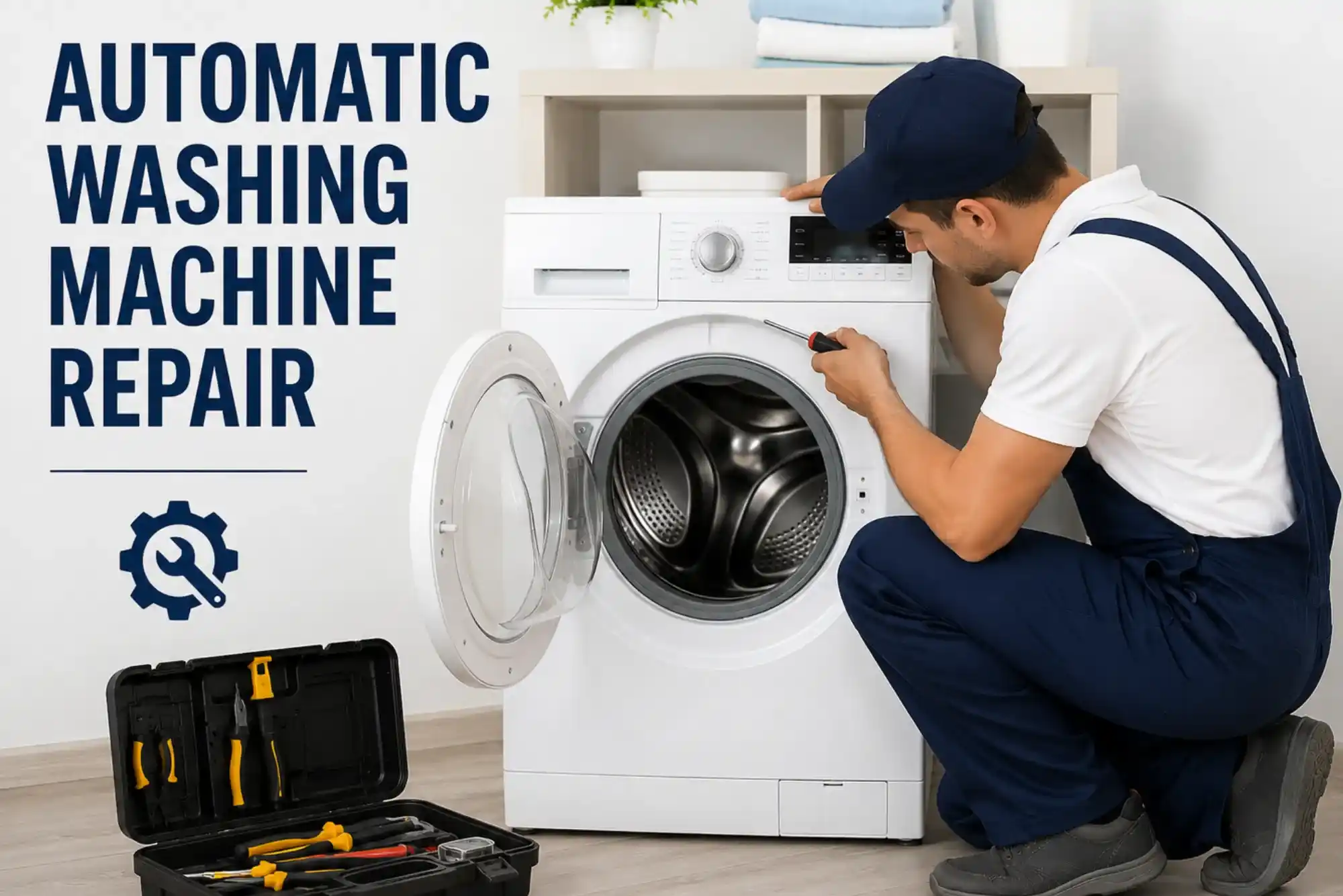
Washing machines have become an essential part of modern households and commercial laundry environments. They simplify daily chores by providing efficient and automated cleaning of clothes. However, like all mechanical appliances, washing machines depend on several internal components to function properly. Among these components, the motor is one of the most critical parts responsible for powering the entire washing process. When the motor stops working correctly, the performance of the washing machine declines significantly, making washing machine motor repair an important service.
The motor provides the mechanical force required to rotate the drum during both the washing and spinning cycles. Without a functioning motor, the drum cannot move, which means the appliance cannot perform its core task of washing and spinning clothes. Because the motor handles continuous movement and electrical activity, it is exposed to wear and tear over time. This makes professional washing machine motor repair a necessary solution when performance issues arise.
Many homeowners do not immediately recognize motor problems until the washing machine stops spinning or begins producing unusual noises. Understanding the importance of washing machine motor repair allows users to identify early signs of malfunction and seek assistance from a professional washing machine repair service before the damage becomes severe.
Understanding the Function of a Washing Machine Motor
The washing machine motor is the driving force that enables the appliance to perform its cleaning cycles. It converts electrical energy into mechanical motion, which allows the drum to rotate and agitate the clothes during washing. The same motor is also responsible for spinning the drum at high speed to remove excess water from the laundry.
Different washing machine models use different types of motors depending on the design and technology of the appliance. Traditional machines often use universal motors, while modern machines may feature inverter motors or direct drive motors. Regardless of the type, the primary purpose of the motor remains the same, which is to generate controlled motion for washing and spinning cycles.
Because the motor works continuously during operation, it experiences significant mechanical stress. Over time, internal components such as bearings, coils, and electrical connections can deteriorate. When these components wear out or malfunction, washing machine motor repair becomes necessary to restore the machine’s functionality. Professional washing machine repair service technicians have the knowledge and tools required to evaluate the motor’s condition and determine the most effective repair solution.

Common Causes of Washing Machine Motor Failure
Washing machine motors are designed to be durable and long lasting, but several factors can lead to motor damage over time. One of the most common causes is overloading the washing machine. When excessive weight is placed inside the drum, the motor must work harder to rotate it, which can cause overheating and internal strain.
Another major factor contributing to motor failure is electrical fluctuation. Unstable voltage levels can damage the motor’s electrical components, including coils and wiring. In many households where voltage instability is common, the washing machine motor may experience gradual deterioration due to repeated electrical stress.
Water leakage inside the washing machine can also affect motor performance. Moisture can damage electrical parts and lead to short circuits within the motor system. Additionally, dust accumulation, lack of maintenance, and worn-out mechanical components can all contribute to the need for washing machine motor repair.
Professional washing machine repair service technicians often encounter motors that have failed due to long-term neglect or improper usage. Regular maintenance and proper usage habits can help reduce the risk of motor failure and prolong the appliance’s lifespan.
Warning Signs That Indicate Motor Problems
Recognizing early warning signs of motor issues is crucial for preventing complete appliance failure. One of the most common indicators is when the washing machine drum stops spinning during the washing or spinning cycle. In such cases, the motor may not be generating sufficient power to rotate the drum.
Unusual noises during operation are another important sign of motor problems. Grinding, humming, or buzzing sounds often indicate internal mechanical issues within the motor. These noises can occur when motor components such as bearings or coils begin to deteriorate.
Another symptom of motor malfunction is when the washing machine fails to complete its spin cycle. The machine may wash clothes normally but struggle to spin them at high speed. This often indicates reduced motor performance or electrical faults.
Overheating and burning smells are also strong indicators that the motor is under stress or experiencing internal damage. When these symptoms appear, it is advisable to seek professional washing machine motor repair immediately. A qualified washing machine repair service can diagnose the issue quickly and restore proper functionality.
Importance of Professional Washing Machine Motor Repair
Repairing a washing machine motor is a complex task that requires technical expertise and specialized tools. Attempting to repair the motor without proper knowledge can lead to further damage or safety hazards. Motors contain electrical components that must be handled carefully during repair.
Professional technicians offering washing machine repair service have extensive experience in diagnosing and repairing motor-related problems. They follow systematic procedures to identify the root cause of the issue rather than simply addressing surface-level symptoms.
One of the main advantages of professional washing machine motor repair is accuracy. Technicians can determine whether the motor requires minor repair, component replacement, or complete restoration. This ensures that the repair solution is both effective and long lasting.
Professional repair services also ensure safety during the repair process. Since washing machines involve electrical systems and moving mechanical parts, proper handling is essential to prevent accidents and additional damage.
The Process of Washing Machine Motor Repair
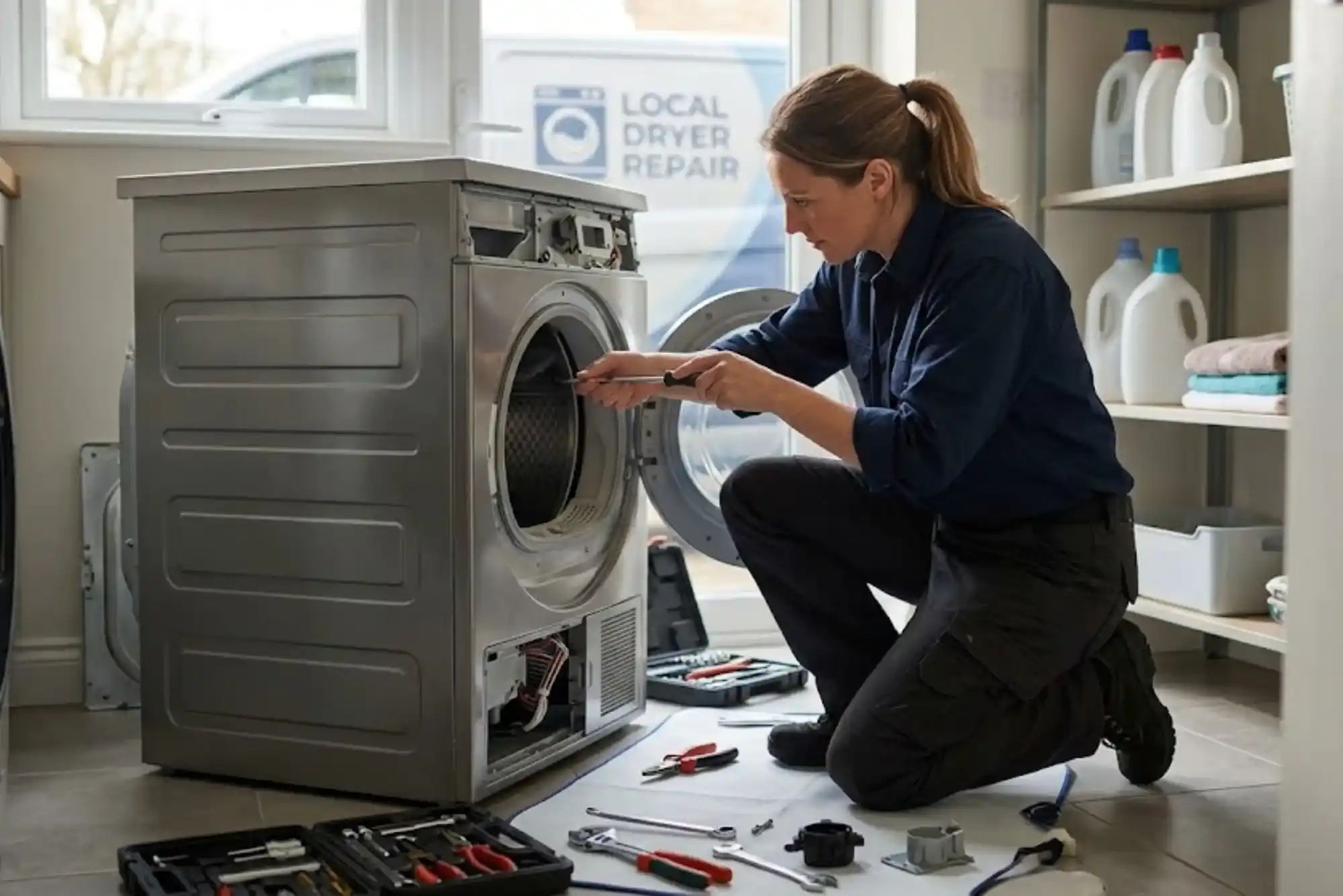
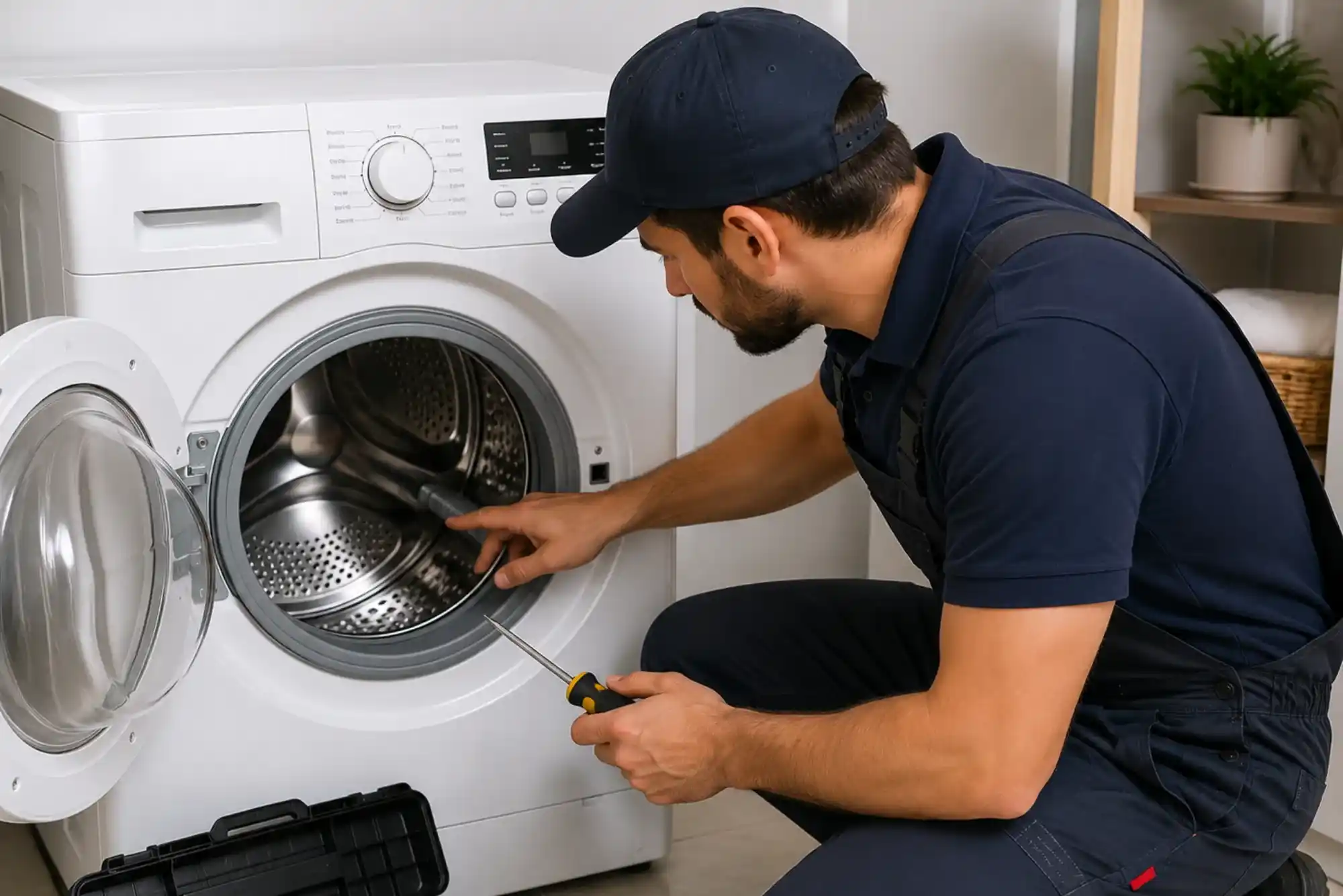
The process of washing machine motor repair begins with a comprehensive inspection of the appliance. Technicians evaluate the washing machine’s performance and analyze the symptoms reported by the user. This helps them determine whether the problem is related to the motor or another component.
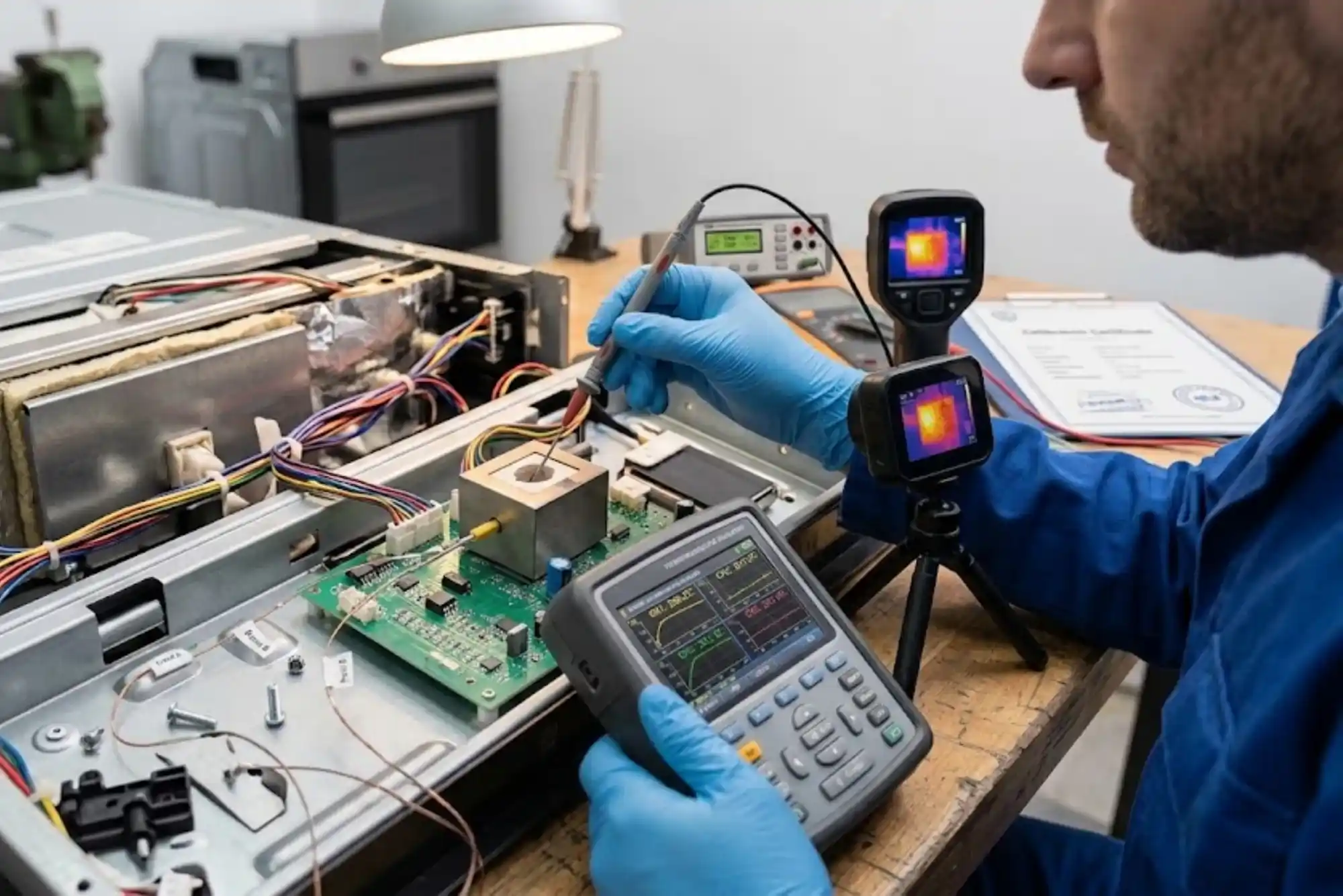
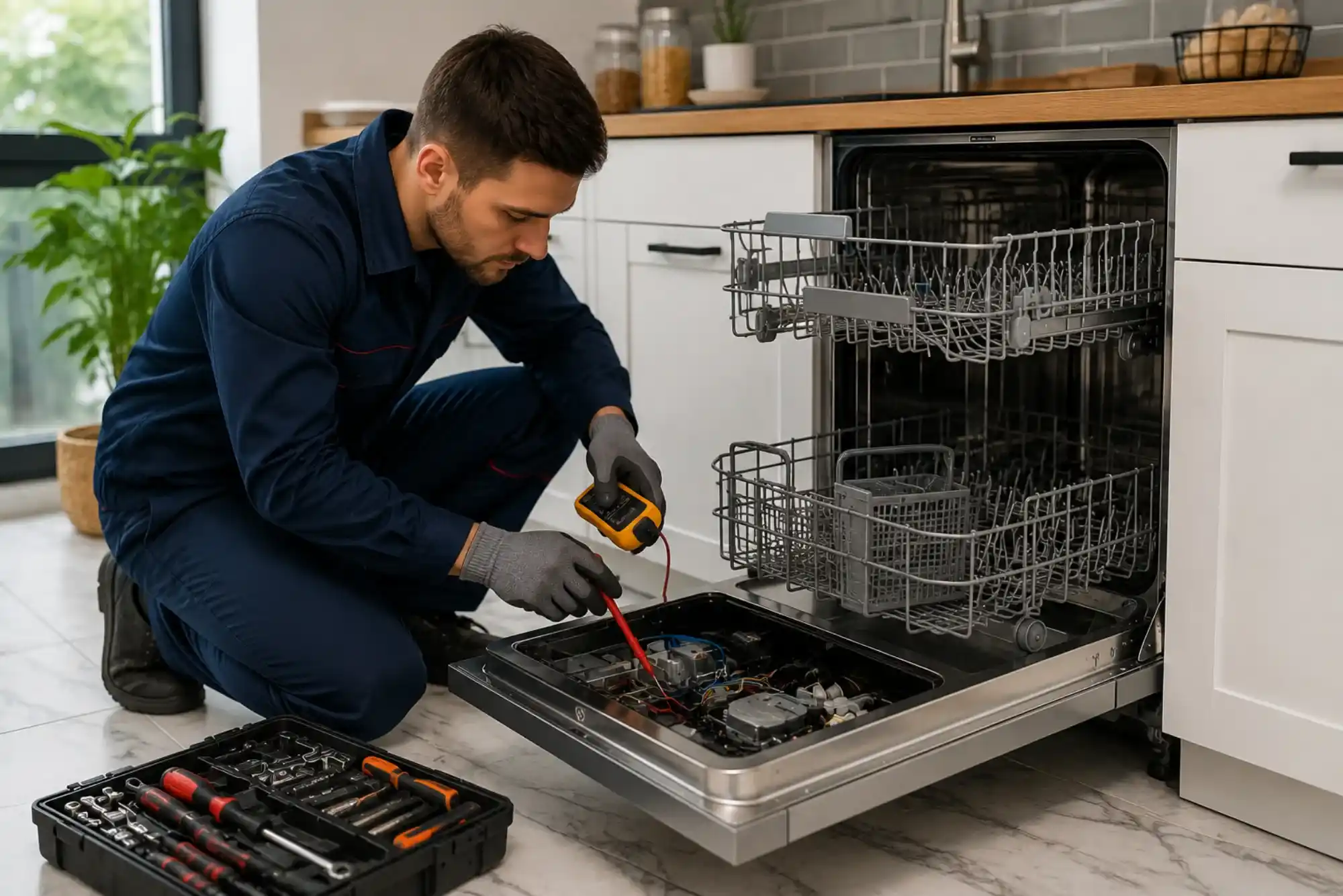
After the initial assessment, technicians inspect the motor assembly, electrical connections, and control systems. They may check the condition of internal motor components such as coils, brushes, and bearings. If any of these components are damaged or worn out, they are repaired or replaced.
Once the repair work is completed, the washing machine undergoes a series of operational tests. These tests confirm that the motor is functioning correctly and that the washing machine can perform its washing and spinning cycles effectively.
A professional washing machine repair service ensures that the repaired motor operates efficiently and safely. This careful repair process helps restore the appliance to its original performance level.
Benefits of Timely Motor Repair
Timely washing machine motor repair offers numerous advantages for homeowners and businesses. One of the most significant benefits is cost savings. Repairing a motor early can prevent more severe damage that might require complete motor replacement or even purchasing a new washing machine.
Another benefit is improved appliance performance. A properly repaired motor ensures smooth drum rotation and efficient washing cycles. This leads to better cleaning results and faster drying during the spin cycle.
Timely repairs also increase the lifespan of the washing machine. When motor issues are addressed promptly, other components connected to the motor are less likely to experience additional strain or damage.
Professional washing machine repair service providers also ensure that repairs are completed using reliable methods and high-quality replacement parts. This guarantees long-term reliability and consistent performance.
Preventive Maintenance for Washing Machine Motors
Preventive maintenance plays a crucial role in reducing the likelihood of motor problems. Simple maintenance practices can significantly extend the life of the washing machine motor and improve overall appliance efficiency.
One of the most effective preventive measures is avoiding overloading the washing machine. Following the manufacturer’s recommended load capacity prevents excessive strain on the motor and ensures smooth operation.
Maintaining a stable electrical supply is also important. Using voltage stabilizers can protect the washing machine motor from sudden voltage fluctuations that may damage internal electrical components.
Regular cleaning and inspection of the washing machine can also help prevent moisture buildup and dust accumulation inside the appliance. Scheduling routine inspections with a professional washing machine repair service allows technicians to identify minor issues before they become major problems.
Proper maintenance ensures that the washing machine motor continues to operate efficiently and reduces the need for frequent repairs.
Choosing the Right Washing Machine Repair Service
Selecting the right repair service is essential for successful washing machine motor repair. Experienced technicians possess the knowledge required to diagnose complex motor issues accurately and provide effective repair solutions.
A reliable washing machine repair service uses professional tools and follows industry-standard repair procedures. This ensures that the repair process is safe, efficient, and long lasting.
Professional repair companies also prioritize customer satisfaction by providing clear explanations of the problem and the repair process. Transparency helps homeowners understand the condition of their appliance and the steps taken to restore it.
Choosing a trusted repair service ensures that washing machine motor repair is performed correctly and that the appliance continues to operate smoothly.
Long-Term Reliability After Motor Repair
Once washing machine motor repair has been completed successfully, the appliance can continue functioning reliably for many years. However, maintaining this reliability requires responsible usage and periodic maintenance.
Users should follow recommended load limits, maintain stable electrical connections, and ensure the washing machine remains clean and dry. These simple practices help protect the motor and other internal components from unnecessary strain.
Professional washing machine repair service providers may also offer maintenance inspections that help keep the appliance in optimal condition. Regular servicing ensures that minor issues are detected early and resolved before they affect the motor’s performance.
Long-term reliability after motor repair depends on both professional repair quality and responsible appliance usage.
The washing machine motor is the central component that powers the entire washing process. When the motor experiences problems, the washing machine cannot perform its essential functions effectively. Washing machine motor repair becomes necessary to restore the appliance’s performance and prevent further damage.
Understanding the causes, warning signs, and repair process of motor problems helps homeowners take timely action when issues arise. Professional washing machine repair service providers play a vital role in diagnosing and repairing motor faults safely and efficiently.
Related Reading: Washing Machine Motor Repair Dubai — full guide