In a city like Dubai, where the food and hospitality industry thrives, restaurant kitchens rely heavily on their cooking equipment to deliver consistency and quality. Among all the essential kitchen appliances, the oven holds a central place. It is the heart of any professional kitchen, whether in a fine-dining restaurant, a bakery, or a fast-food outlet. Ovens handle continuous workloads, long operational hours, and exposure to high heat. Because of this, they require constant attention and regular maintenance to operate efficiently and safely.
Maintaining commercial ovens is not simply about keeping them clean. It is a strategic process that ensures optimal performance, energy efficiency, food safety, and compliance with Dubai’s strict health and safety regulations. In the highly competitive restaurant industry, where downtime can affect reputation and revenue, preventive oven maintenance becomes a vital practice.
The Importance of Regular Oven Maintenance
Restaurant kitchens in Dubai are some of the busiest in the world. With diverse cuisines, high customer turnover, and round-the-clock service, ovens endure extreme conditions. Over time, constant exposure to heat, grease, and moisture can lead to wear and tear. Burners may become clogged, heating elements can degrade, and temperature accuracy can decline.
When ovens are not properly maintained, they consume more energy, cook food unevenly, and risk breakdowns during peak business hours. Such issues not only reduce operational efficiency but also create safety hazards. In a professional kitchen, even a few hours of downtime can lead to financial losses, delayed orders, and customer dissatisfaction.
For restaurant owners, scheduled oven maintenance is an investment that prevents major breakdowns and ensures continuous, reliable performance. Regular servicing helps identify potential issues early, allowing for timely repair and replacement of worn-out parts before they cause operational failures.
How Maintenance Enhances Food Quality
The quality of food served in a restaurant is directly connected to the consistency of oven performance. In Dubai’s dining culture, where presentation and taste are equally valued, even small inconsistencies can affect customer experience. A well-maintained oven ensures stable temperature control, uniform heat distribution, and accurate cooking times.

When ovens are not maintained, temperature fluctuations can cause undercooked or overcooked food. This affects not only the taste but also food safety, as certain ingredients require precise heat levels to eliminate bacteria and pathogens. Grease buildup, carbon deposits, or faulty burners can also emit unpleasant odors that compromise food quality.
Consistent oven maintenance guarantees that every dish meets the restaurant’s standards. It also helps chefs maintain timing accuracy during busy hours, reducing stress in the kitchen and ensuring that customers receive meals promptly.
Energy Efficiency and Cost Savings
Energy efficiency is another key reason why restaurants in Dubai must prioritize oven maintenance. Commercial ovens consume significant amounts of electricity or gas. When components are dirty or malfunctioning, the oven has to work harder to maintain the desired temperature, which increases energy consumption.
Regular maintenance ensures that all parts, from thermostats to fans, function properly, allowing the oven to operate efficiently. This not only reduces energy bills but also minimizes environmental impact. In a market where sustainability is becoming increasingly important, efficient energy usage aligns with modern hospitality standards.
Furthermore, consistent maintenance prevents costly repairs or replacements. A neglected oven may require major overhauls after continuous use without servicing. Timely cleaning and calibration, on the other hand, extend the lifespan of the appliance and reduce the overall cost of ownership.
Safety in the Commercial Kitchen
Safety is a top priority in every restaurant kitchen. Gas leaks, electrical malfunctions, and overheating are serious risks associated with poorly maintained ovens. Regular inspections help identify such hazards before they lead to accidents. In Dubai, compliance with safety regulations is mandatory for all commercial establishments, and negligence can result in fines or license suspension.
A professional maintenance schedule ensures that ovens meet safety standards. Technicians inspect gas lines, connections, thermostats, and ignition systems to ensure that everything operates securely. They also verify ventilation and exhaust systems to prevent the buildup of harmful fumes or excessive heat within the kitchen.
Restaurant owners who prioritize maintenance not only protect their staff and customers but also maintain a positive reputation for reliability and professionalism. In an industry where trust and consistency are everything, safety maintenance is a fundamental responsibility.
The Role of Professional Oven Technicians
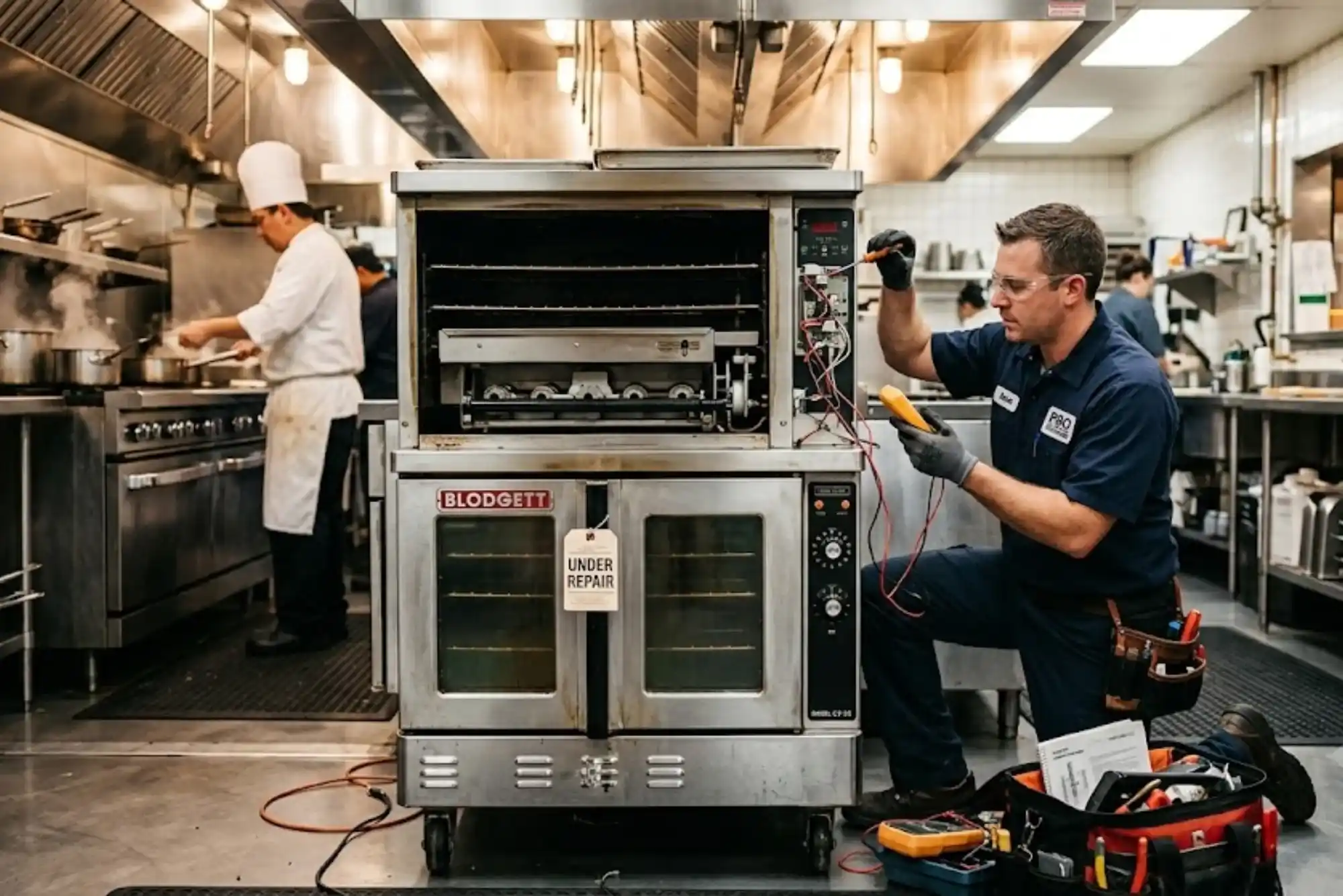
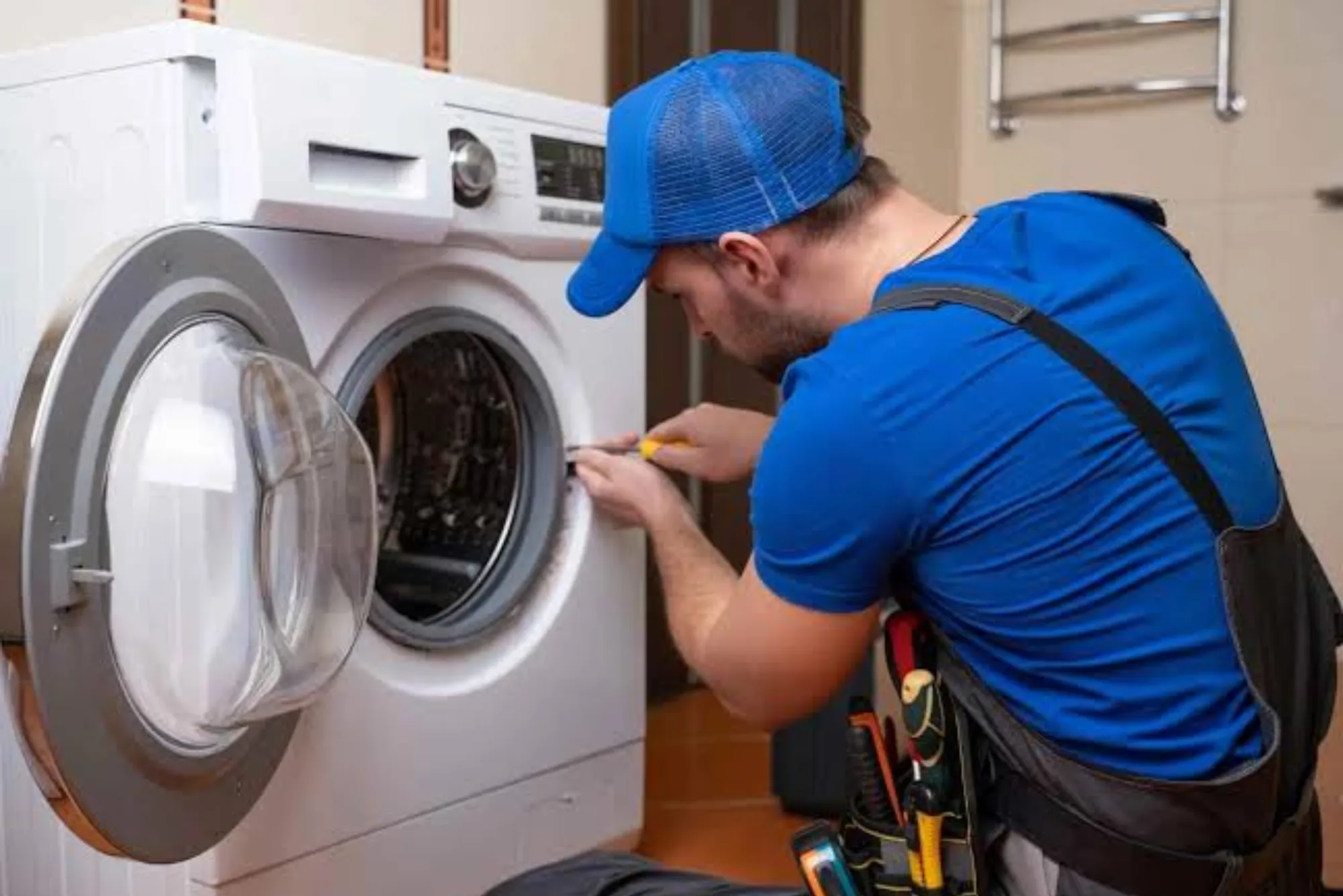
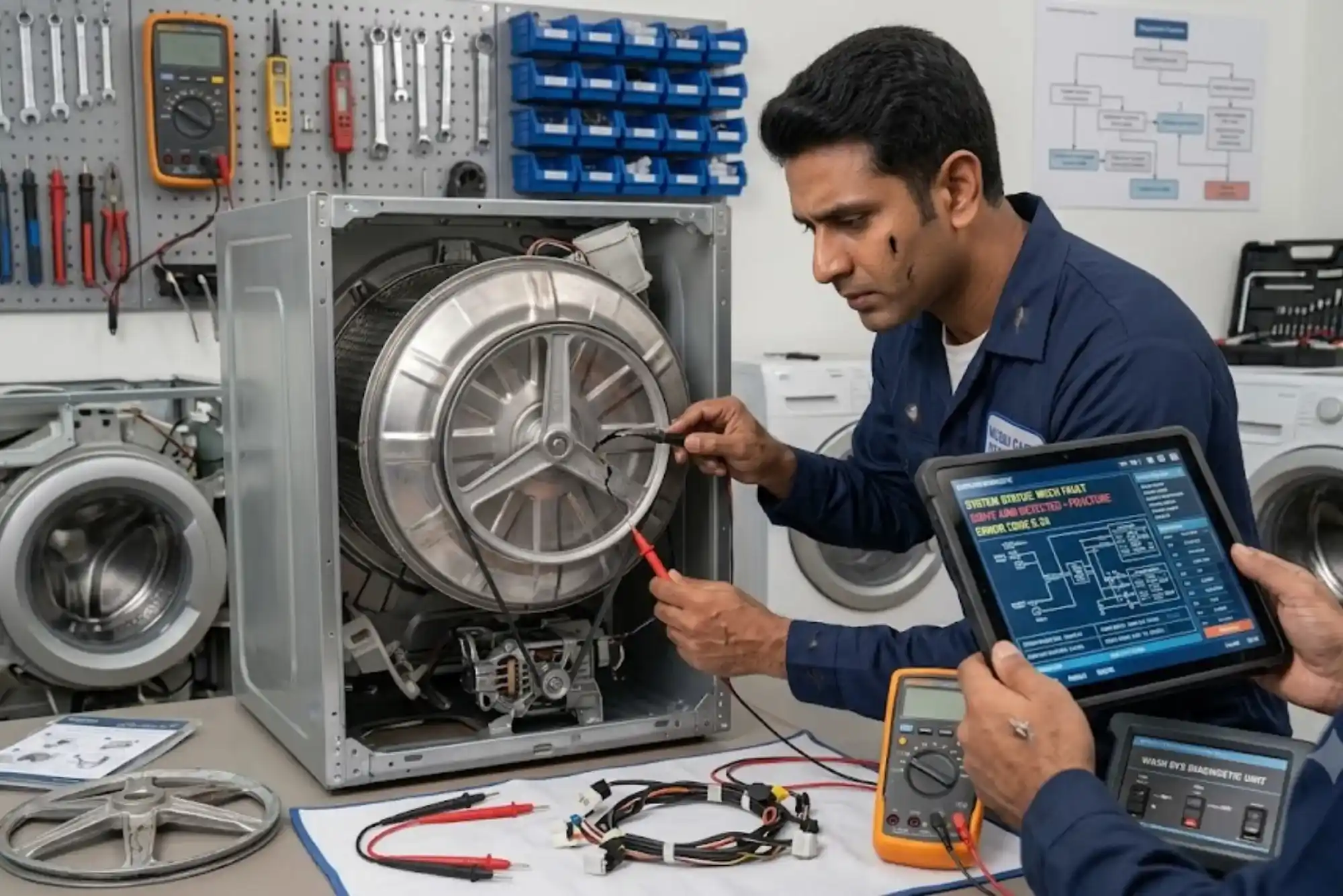
While daily cleaning can be handled by the kitchen staff, deeper maintenance and inspection require professional expertise. Commercial ovens are complex machines with multiple components that demand technical knowledge for calibration and repair. Professional technicians use specialized tools to assess performance, identify potential issues, and restore the oven to its best condition.
Dubai’s food industry operates at an international standard, and many restaurants use advanced or imported ovens that require certified technicians for service. Working with experienced oven repair specialists ensures that every maintenance task, from gas pressure adjustment to electrical testing, is performed according to manufacturer specifications.
Professional maintenance services also help restaurants keep accurate service records. These records are important for warranty claims, insurance coverage, and health inspections. By partnering with reliable service providers, restaurant owners gain peace of mind knowing that their ovens are being cared for by experts.
Preventive Care for Long-Term Efficiency
Preventive maintenance is the best way to avoid sudden breakdowns and unexpected costs. Restaurants that schedule regular inspections enjoy continuous operation, consistent food quality, and fewer emergencies. Preventive care typically includes cleaning of burners, calibrating thermostats, checking seals, and ensuring that airflow systems are unobstructed.
When ovens are maintained regularly, their components last longer, and performance remains consistent even under heavy use. Preventive maintenance also improves hygiene, as grease and residue buildup can lead to contamination if ignored. In Dubai’s competitive food market, where inspection standards are strict, maintaining a clean and efficient oven is a mark of professionalism.
The Impact of Climate and Usage in Dubai
Dubai’s climate and high operational demands place additional stress on commercial ovens. The city’s heat and humidity can affect appliance performance and accelerate the accumulation of grease and residue. Restaurants in Dubai also operate longer hours due to tourism, delivery services, and catering businesses. This constant usage means ovens rarely get sufficient rest, increasing the need for consistent maintenance.
Additionally, Dubai’s strict health regulations require restaurants to maintain equipment in top condition. Failing to comply can lead to penalties or even temporary closure. Regular oven maintenance ensures that restaurants meet these standards while delivering reliable service to customers every day.
Building a Maintenance Culture
For long-term success, restaurant owners and kitchen managers must foster a maintenance culture among their teams. Chefs and kitchen staff should understand the importance of keeping ovens clean, monitoring performance, and reporting irregularities immediately. Establishing maintenance routines after every shift helps keep equipment in optimal condition.
When combined with periodic professional servicing, these habits create a strong foundation for reliable operations. Many successful restaurants in Dubai treat maintenance as a core part of their business strategy rather than an afterthought. They understand that well-maintained equipment not only improves efficiency but also reflects the overall professionalism of the establishment.
Conclusion
Oven maintenance for restaurants in Dubai is more than just a technical necessity; it is a key element of running a successful food business. A well-maintained oven supports consistent food quality, energy efficiency, safety, and customer satisfaction. In a city that sets global standards for hospitality, ensuring that your ovens perform flawlessly is an investment in reputation and reliability.
Restaurants that take maintenance seriously enjoy smoother operations, lower costs, and fewer emergencies. Regular inspections and professional servicing keep equipment safe, efficient, and compliant with regulations. Ultimately, the effort put into maintaining ovens directly translates into better performance in the kitchen and a stronger reputation with customers.
In Dubai’s dynamic and demanding food industry, oven maintenance is not just about keeping an appliance running. It is about sustaining excellence, ensuring safety, and protecting the reputation that every successful restaurant depends on.