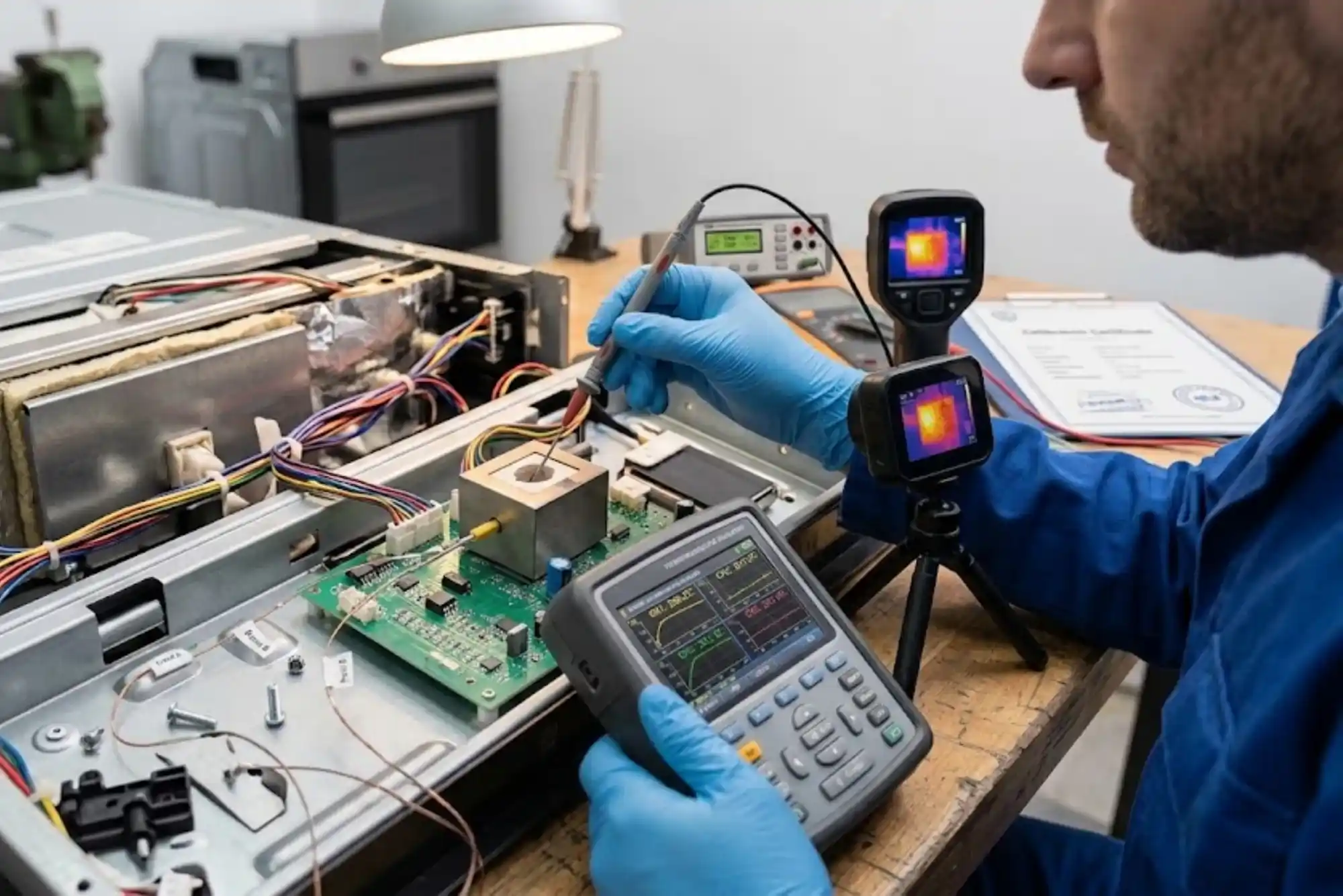
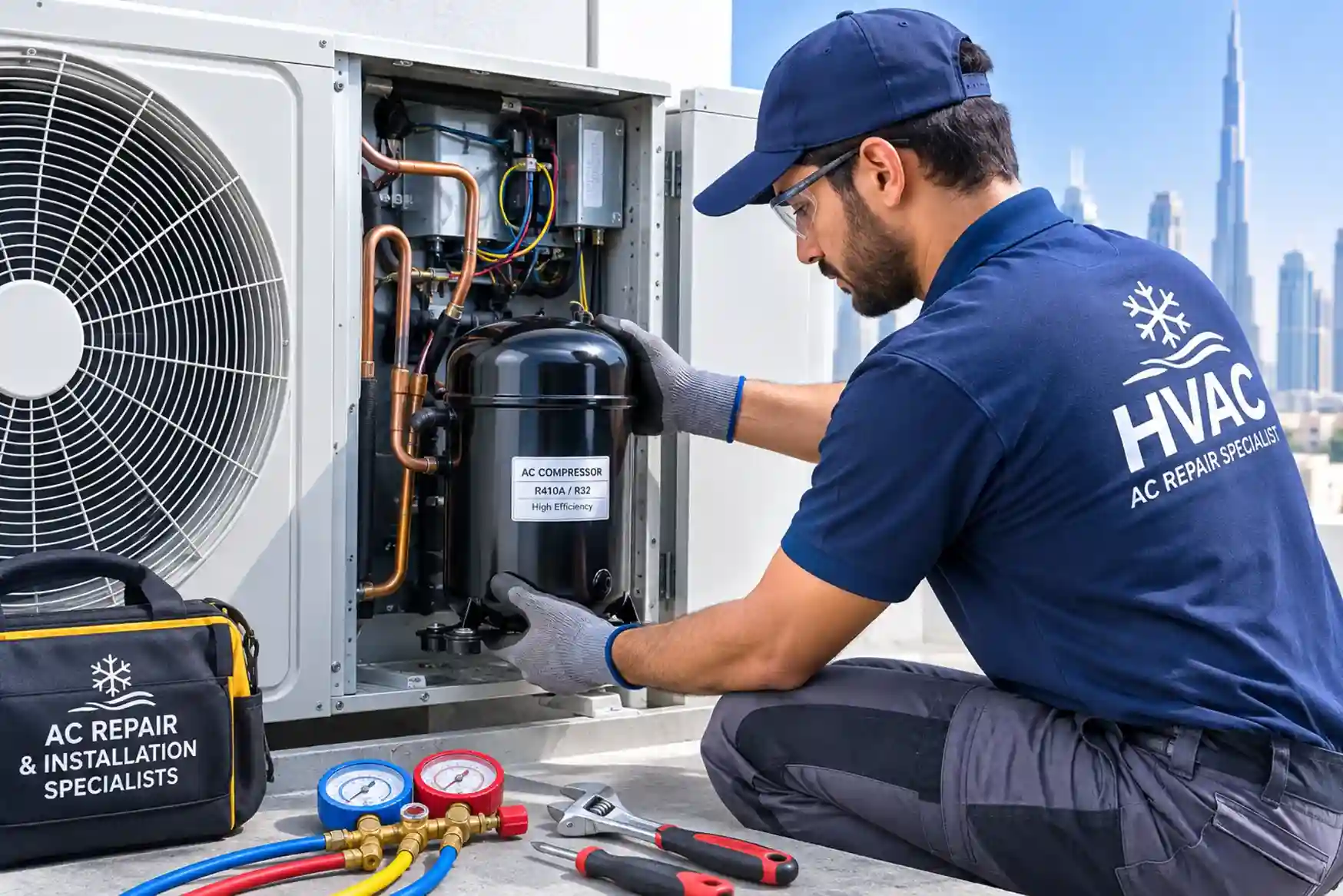
Industrial ovens, commercial baking ovens, and even laboratory ovens are integral to operations in many industries. Whether producing food products, manufacturing precision components, or conducting research experiments, the performance of ovens directly impacts output quality, energy efficiency, and safety. For this reason, routine oven performance testing is not just a recommended best practice but a vital necessity. Understanding the benefits of such testing can help organizations prevent costly downtime, maintain consistent standards, and safeguard both people and processes.
Ensuring Consistent Product Quality
One of the most immediate benefits of regular oven performance testing is the assurance of consistent product quality. In industries such as food production, pharmaceuticals, and electronics, even small deviations in oven temperature or airflow can lead to significant variations in product outcome. A batch of baked goods might emerge undercooked in the center, or a medical device coating might not cure properly.
By conducting regular testing, operators can verify that the oven maintains the correct temperatures throughout the chamber, delivers uniform heat distribution, and responds accurately to control settings. This consistency ensures that every batch meets the expected standards, minimizing waste and avoiding product recalls. For businesses that rely on brand reputation, maintaining reliable quality is crucial to customer trust and long-term profitability.
Enhancing Energy Efficiency
Ovens are among the most energy-intensive equipment in many facilities. A poorly performing oven consumes more energy than necessary due to inefficient heating elements, damaged insulation, or faulty sensors. Regular performance tests reveal these inefficiencies before they escalate into higher operational costs.
By monitoring energy consumption against performance benchmarks, organizations can identify areas where energy use is excessive. This allows them to recalibrate the oven, replace faulty components, or adjust operational practices to reduce energy waste. Over time, the cumulative savings from optimized energy efficiency can be substantial, lowering utility bills and contributing to sustainability goals. In an era when energy conservation is both an economic and environmental priority, this benefit alone justifies the investment in routine testing.
Improving Workplace Safety
Ovens operate at high temperatures and often involve combustible materials, making them potential safety hazards when not properly maintained. Regular testing plays a vital role in identifying issues such as malfunctioning thermostats, overheating elements, or compromised ventilation systems. Left unaddressed, these issues can lead to fires, explosions, or exposure to harmful fumes.

Testing ensures that safety controls such as automatic shutoff systems, over-temperature alarms, and exhaust mechanisms function properly. It also provides an opportunity to inspect the physical integrity of the oven, ensuring there are no leaks or structural weaknesses that could pose risks. By addressing these concerns proactively, organizations create a safer environment for employees and reduce liability risks associated with workplace accidents.
Meeting Regulatory and Industry Standards
In many industries, ovens are subject to strict regulatory requirements. For example, pharmaceutical manufacturers must adhere to Good Manufacturing Practices (GMP), while food producers must comply with food safety standards set by agencies such as the FDA or EFSA. These regulations often include specifications for temperature uniformity, calibration, and operational reliability.
Regular performance testing provides documented evidence of compliance, which is essential during audits or inspections. It demonstrates that the organization takes regulatory requirements seriously and follows systematic procedures to ensure product safety and consistency. Beyond avoiding penalties or shutdowns, this compliance strengthens customer confidence and positions the organization as a responsible and reliable partner in its industry.
Extending Equipment Lifespan
Like any complex machinery, ovens experience wear and tear over time. Heating elements degrade, seals deteriorate, and control systems lose precision. Without regular testing, these small issues may go unnoticed until they cause major equipment failure. The result is often unplanned downtime, costly repairs, or the need for complete replacement.
Routine testing helps detect these early signs of wear, allowing for timely maintenance or component replacement. This proactive approach extends the lifespan of the oven, ensuring that it continues to deliver reliable performance over many years. By investing in performance tests, organizations avoid the high capital costs associated with premature equipment replacement, while also maintaining continuous operations without disruption.
Supporting Process Optimization
Performance testing provides valuable data that can be used to optimize processes. For instance, understanding how quickly an oven reaches its set temperature, how evenly it distributes heat, and how it responds to different loads can help operators fine-tune production schedules and batch sizes.
This data-driven approach not only improves productivity but also allows for experimentation with new processes or products. By knowing exactly how the oven performs under different conditions, businesses can innovate with confidence, reducing trial-and-error costs and accelerating time to market. In highly competitive sectors, the ability to optimize processes and introduce new products efficiently can provide a significant strategic advantage.
Reducing Downtime and Unplanned Interruptions
Unplanned downtime is one of the most costly challenges in industrial and commercial operations. When an oven fails unexpectedly, production halts, delivery schedules are disrupted, and customer relationships may be damaged. The costs extend beyond repairs to include lost revenue and reputational harm.
Regular performance testing acts as a preventive measure against such downtime. By identifying issues before they lead to breakdowns, organizations can schedule maintenance during planned shutdowns, minimizing disruption. The reliability gained through this proactive approach allows companies to operate with greater confidence and predictability, ensuring that commitments to customers and stakeholders are consistently met.
Strengthening Sustainability Efforts
Sustainability has become a central priority for many organizations, driven by both regulatory pressures and consumer expectations. Regular oven performance tests contribute directly to sustainability by reducing energy consumption, minimizing waste, and extending the useful life of equipment.
When ovens operate efficiently, less energy is required to achieve the same production output. When product quality is consistent, fewer defective batches end up as waste. And when ovens last longer due to proactive maintenance, fewer resources are consumed in manufacturing and disposing of new equipment. In this way, oven performance testing supports broader corporate social responsibility goals while also delivering tangible financial benefits.
Building a Culture of Continuous Improvement
Finally, implementing regular oven performance tests contributes to a culture of continuous improvement within an organization. It signals to employees, regulators, and customers that the company prioritizes quality, safety, and efficiency. It encourages teams to adopt a proactive mindset, looking for opportunities to enhance processes rather than waiting for problems to arise.
This cultural shift not only improves oven performance but also spills over into other aspects of operations. Employees trained to think in terms of preventive action and data-driven decisions are more likely to identify efficiencies in other equipment and workflows. Over time, this fosters an organizational identity centered around excellence and innovation.
Regular oven performance tests are far more than routine maintenance tasks. They are strategic practices that safeguard product quality, ensure compliance, improve energy efficiency, and enhance workplace safety. They extend the lifespan of equipment, reduce unplanned downtime, and contribute to sustainability goals. Most importantly, they foster a proactive culture of continuous improvement that benefits every aspect of operations.
In industries where ovens are essential to production or research, overlooking performance testing can result in costly inefficiencies, regulatory penalties, and safety hazards. By contrast, embracing a systematic approach to testing delivers long-term savings, reliability, and competitive advantage. For any organization relying on ovens as a cornerstone of its operations, regular performance testing is not simply a benefit—it is a necessity.