A dishwasher is one of the most convenient appliances in any modern kitchen, helping homeowners save time, water, and energy while ensuring dishes come out sparkling clean. However, like any other appliance, dishwashers can develop issues over time. One of the most frustrating problems is when a dishwasher refuses to turn on at all.
This issue can leave you standing in the kitchen, pressing the power button with no response and wondering whether it is a minor glitch or a major failure. Fortunately, understanding the common causes behind this problem and knowing how to approach troubleshooting can help you determine whether it is something you can resolve yourself or if you need professional repair services.
Understanding the Basics of Dishwasher Power Issues
Before diving into solutions, it is important to recognize how a dishwasher powers on. A typical dishwasher relies on several electrical and mechanical components to start the cycle. The appliance is connected to your home’s power supply, and when you press the start button, the control panel signals the machine to begin its wash sequence. If any part of this process fails—whether due to an electrical problem, faulty switch, or malfunctioning internal component—the dishwasher may remain unresponsive.
When your dishwasher does not turn on, it does not necessarily mean the appliance has completely failed. In many cases, the issue could be as simple as a tripped breaker, a loose connection, or a faulty door latch. By methodically working through potential causes, you can often narrow down the problem and take the appropriate steps to resolve it.
Common Reasons a Dishwasher Won’t Turn On
Several factors can contribute to your dishwasher refusing to power up. Electrical supply issues are often at the top of the list. For example, a tripped circuit breaker or a blown fuse in your home’s electrical system can prevent power from reaching the dishwasher. Another common cause is a faulty power cord or a loose plug that interrupts the electrical connection.
In addition to power-related issues, internal components can also be responsible. A defective door latch or door switch can stop the machine from starting, since dishwashers are designed not to operate unless the door is securely closed. Problems with the control panel, thermal fuse, or electronic control board can also interfere with the startup process. Sometimes the problem may even be as simple as a delay start feature being activated without the user realizing it.

Steps to Diagnose the Problem
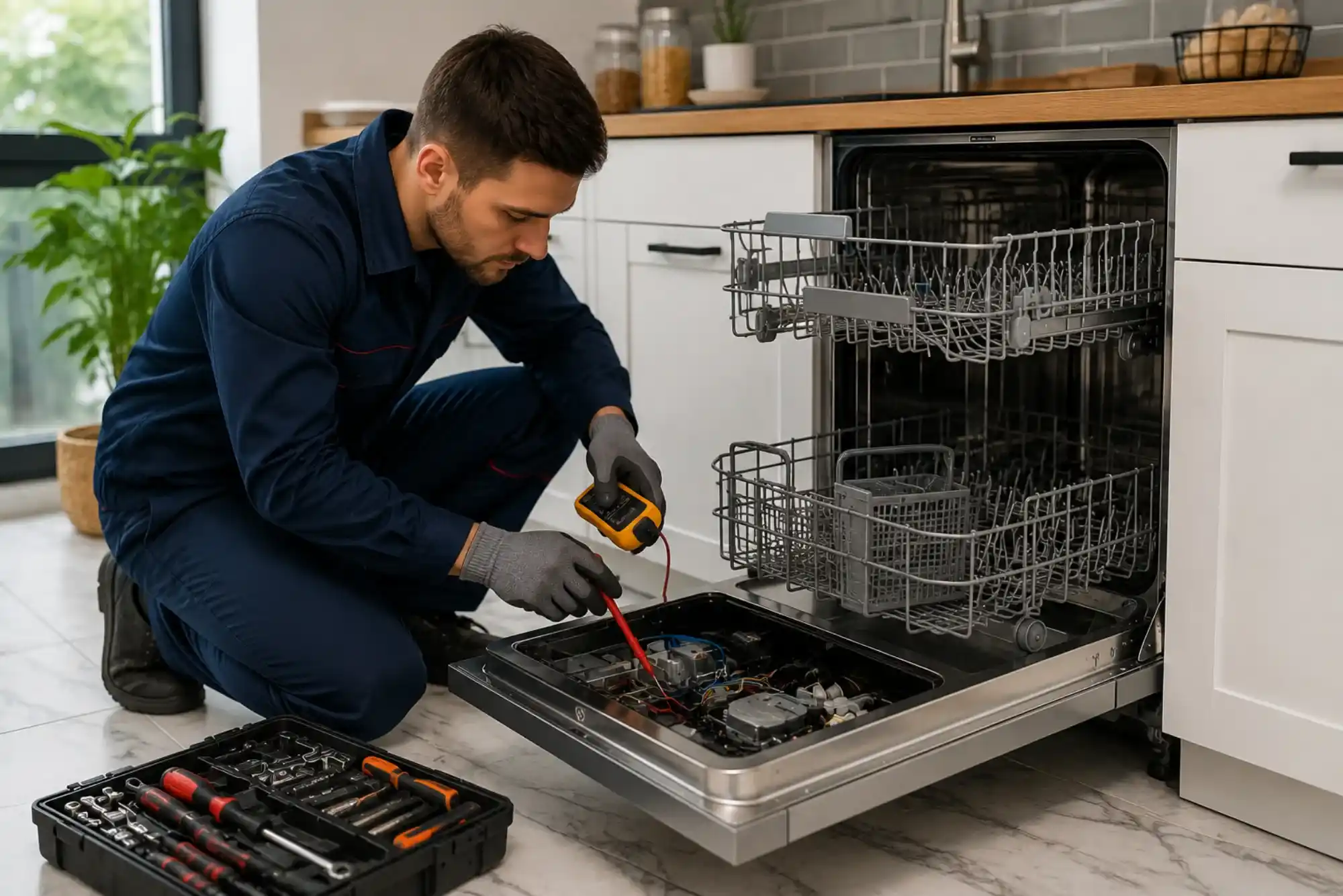
When faced with a dishwasher that will not turn on, the first step is to ensure it is receiving power. Check nearby outlets by plugging in another appliance, and inspect your circuit breaker panel for any tripped switches. If power is reaching the appliance but it still does not respond, the next area to examine is the door latch. The latch not only secures the door but also triggers the switch that allows the machine to start. If the latch is broken or misaligned, the dishwasher may remain inactive.
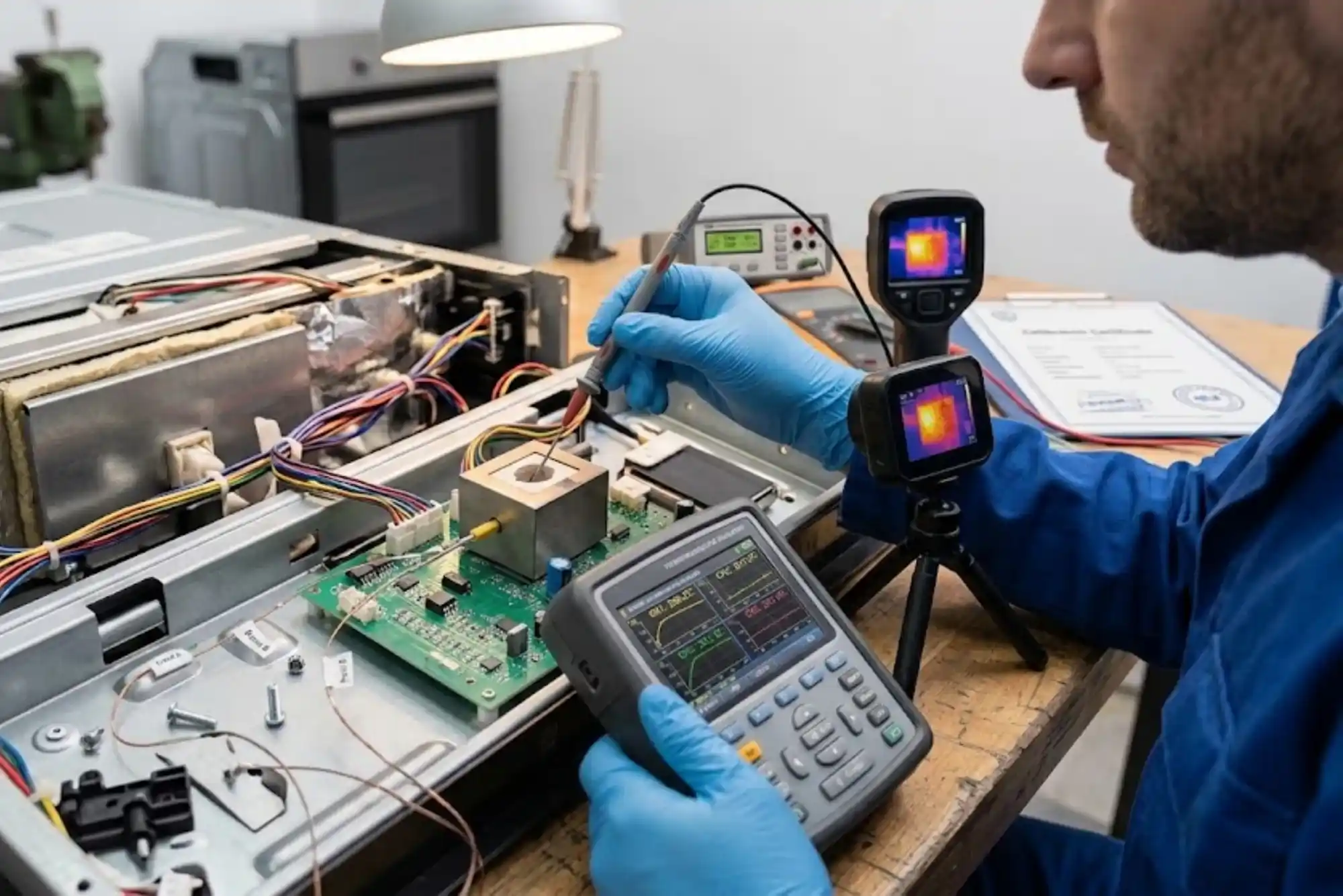
From there, attention should be given to the control panel and electronic components. A malfunctioning control board can prevent the dishwasher from responding to input. Similarly, a blown thermal fuse can cut off the power supply inside the machine, leaving it unresponsive. Diagnosing these issues often requires the use of a multimeter or the expertise of a professional technician.
When to Attempt DIY Fixes
Some problems with a non-starting dishwasher can be addressed by homeowners with basic troubleshooting skills. Resetting the circuit breaker, ensuring the power cord is properly connected, or cleaning the door latch can sometimes resolve the issue. Additionally, checking the settings on the control panel to ensure that a delayed start or child lock has not been activated can save you from unnecessary worry.
However, not all issues should be handled without professional knowledge. If the problem involves internal wiring, control boards, or thermal fuses, attempting a repair without proper expertise can be unsafe and may worsen the damage. For such cases, calling a licensed technician is the best course of action.
Professional Repair Services for Dishwasher Issues
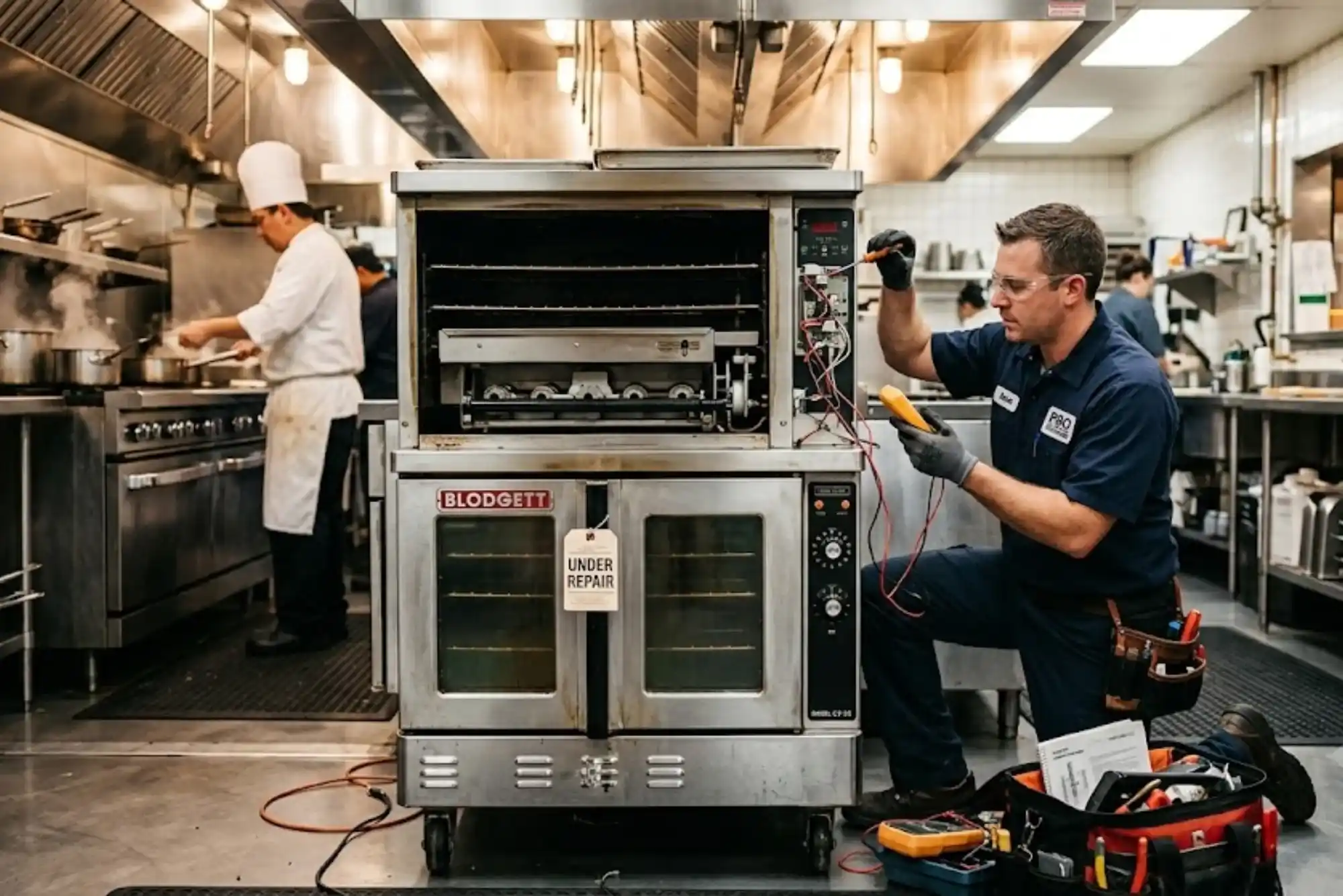
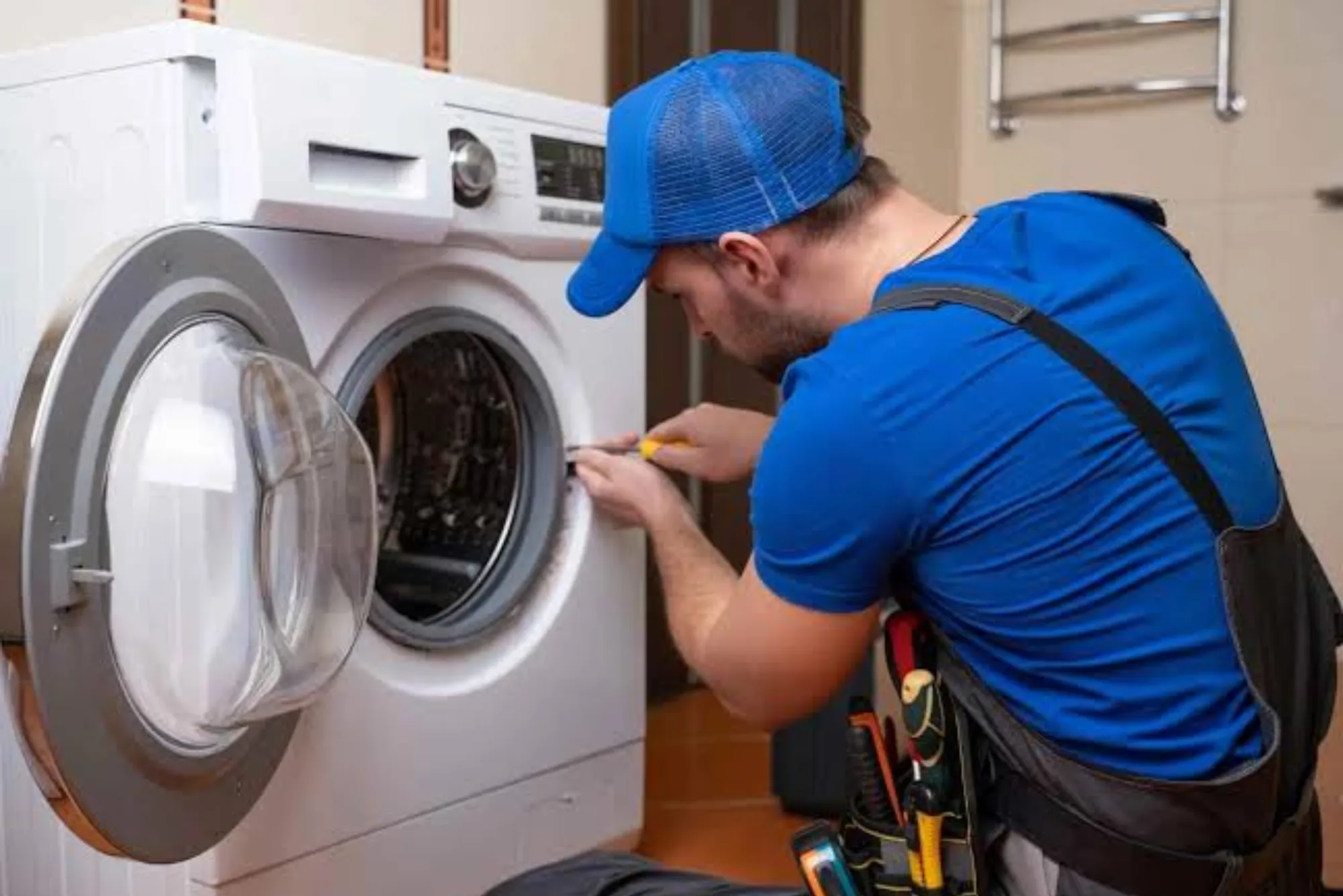
When basic troubleshooting does not restore power to your dishwasher, professional repair services become essential. Experienced appliance technicians are trained to identify and resolve electrical faults, replace defective components, and ensure the appliance operates safely and efficiently. By hiring a repair service, you gain peace of mind knowing the problem will be accurately diagnosed and resolved without risking further damage to your dishwasher.
Professional technicians also have access to manufacturer-approved replacement parts, ensuring long-lasting repairs. In many cases, what may appear to be a major failure can be fixed with a relatively quick and affordable repair, such as replacing a faulty door switch or control panel.
Preventive Maintenance to Avoid Future Problems
Once your dishwasher is repaired and functioning again, preventive maintenance becomes key to avoiding similar problems in the future. Regularly cleaning the appliance, checking for loose connections, and inspecting the door latch can help keep your dishwasher in top working condition. It is also wise to schedule periodic maintenance checks with a professional service, especially if your appliance is several years old.
Avoid overloading the dishwasher, as excessive strain on the door and latch can eventually cause malfunctions. Additionally, keeping the control panel and buttons clean and dry helps prevent moisture-related issues with the electronics.
The Value of Timely Repairs
Delaying repairs when your dishwasher refuses to turn on can lead to more extensive damage over time. What starts as a simple electrical issue could evolve into a more complex repair if left unattended. Furthermore, living without a dishwasher can quickly become inconvenient, particularly for households that rely heavily on this appliance for daily cleaning tasks.
By addressing the problem early, either through DIY troubleshooting or professional intervention, you can restore convenience to your kitchen and extend the lifespan of your dishwasher.
Choosing the Right Repair Service
Selecting a reliable repair company is an important step when your dishwasher will not turn on. Look for service providers with strong reputations, certified technicians, and clear warranty policies on both labor and replacement parts. Reading customer reviews and seeking recommendations can also help you make an informed choice.
A trustworthy repair company will provide transparent pricing, professional communication, and timely service, ensuring that your dishwasher is back in working order as quickly as possible.
A dishwasher that will not turn on can be frustrating, but it does not always mean the appliance is beyond repair. From simple power supply checks to professional repairs for more complex internal issues, there are solutions available to restore your dishwasher’s performance. By understanding the common causes, attempting safe troubleshooting steps, and knowing when to call a professional, you can handle this situation effectively and with confidence.
Preventive maintenance and timely attention to minor issues are equally important in avoiding repeated breakdowns. Whether the problem lies with the door latch, control panel, or electrical system, a systematic approach to diagnosing and fixing the issue will help ensure your dishwasher continues to serve your household efficiently for years to come.