A dishwasher is one of the most valuable appliances in any modern household. It saves time, ensures dishes are hygienically cleaned, and adds convenience to daily life. However, when your dishwasher begins to show signs of water temperature issues, it can affect its ability to perform at its best. Many homeowners experience problems where the water does not heat properly, stays too cold, or sometimes gets excessively hot. Understanding these issues, their causes, and how to fix them is crucial for ensuring that your dishwasher continues to operate effectively and efficiently.
Why Water Temperature Matters in Dishwashers
The efficiency of a dishwasher largely depends on the water temperature inside the machine. For optimal cleaning, dishwashers typically require water temperatures between 120°F to 150°F (around 49°C to 65°C). Water that is too cold may fail to dissolve detergent completely, leaving residues on dishes and glassware. On the other hand, water that is too hot may damage delicate dishes, warp plastic items, and create excessive steam that affects the appliance’s interior components.
Maintaining the right temperature is also important for hygiene. Hot water plays a key role in sanitizing dishes, killing germs, and ensuring your kitchenware is safe for use. If your dishwasher is not heating water correctly, it not only affects cleaning results but also poses health risks by leaving harmful bacteria behind.
Common Symptoms of Dishwasher Temperature Problems
When a dishwasher develops water temperature issues, the signs are usually easy to spot. Dishes may come out greasy, cloudy, or still soiled after a complete cycle. In some cases, detergent pods may not dissolve completely, leaving white or chalky marks. You may also notice that the machine runs longer than usual, as many dishwashers extend the cycle when they fail to reach the right temperature. Excessive steam, burning smells, or very hot dishes at the end of the cycle can also indicate overheating issues.
Recognizing these symptoms early helps you address the problem before it leads to major damage to the dishwasher’s internal components or results in costly repairs.
Causes of Dishwasher Water Temperature Issues
Several factors can lead to water heating problems in dishwashers. A common cause is a malfunctioning heating element, which is responsible for raising the water temperature during wash and rinse cycles. If the heating element is faulty or burned out, the water will remain cold throughout the cycle. Another cause may be a defective thermostat, which regulates and monitors water temperature inside the dishwasher.

In some cases, the issue may not be with the appliance itself but rather with your home’s hot water supply. Dishwashers typically draw hot water from the household line, so if the supply is inadequate or the water heater is set too low, the dishwasher cannot perform effectively. Faulty wiring, control board failures, or mineral buildup from hard water can also interfere with the appliance’s ability to heat water properly.
Step-by-Step Troubleshooting Guide
To troubleshoot dishwasher water temperature issues, start by checking your home’s hot water supply. Run the tap nearest to your dishwasher and measure the temperature. If it is below 120°F, adjust your water heater accordingly. Once you confirm that the household supply is adequate, move on to the appliance itself.
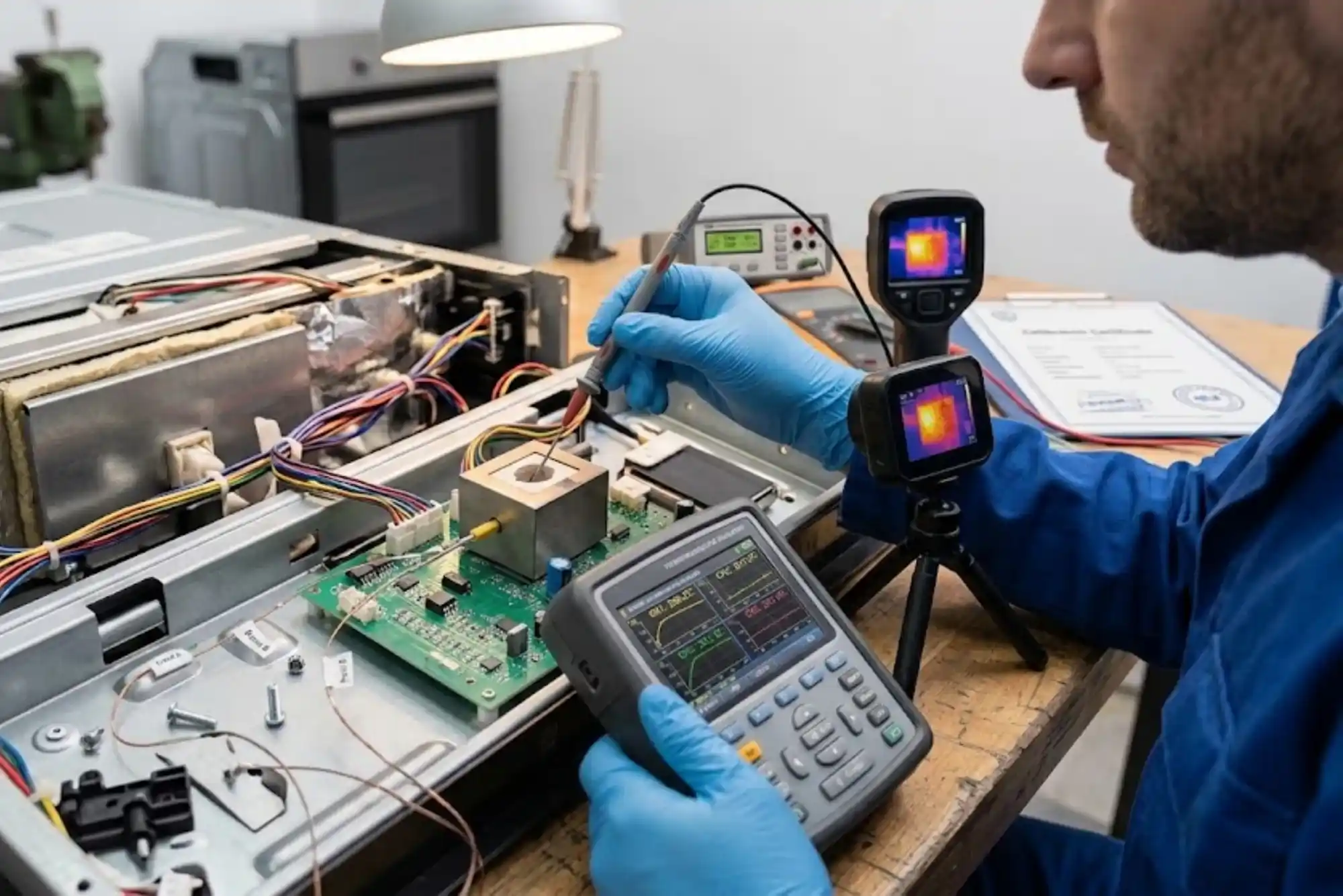
Inspect the heating element for visible signs of damage such as cracks, breaks, or discoloration. A multimeter test can help determine if the element is functioning correctly. If the element is defective, it will need replacement. Next, check the thermostat, which may be located near the heating element. A faulty thermostat can send incorrect signals to the control board, preventing proper heating.
If both components are in good condition, the issue may lie with the control board or wiring connections. Electrical faults should always be handled with caution, and if you are not experienced in appliance repair, contacting a professional service is strongly recommended.
Professional Repair and Maintenance Services
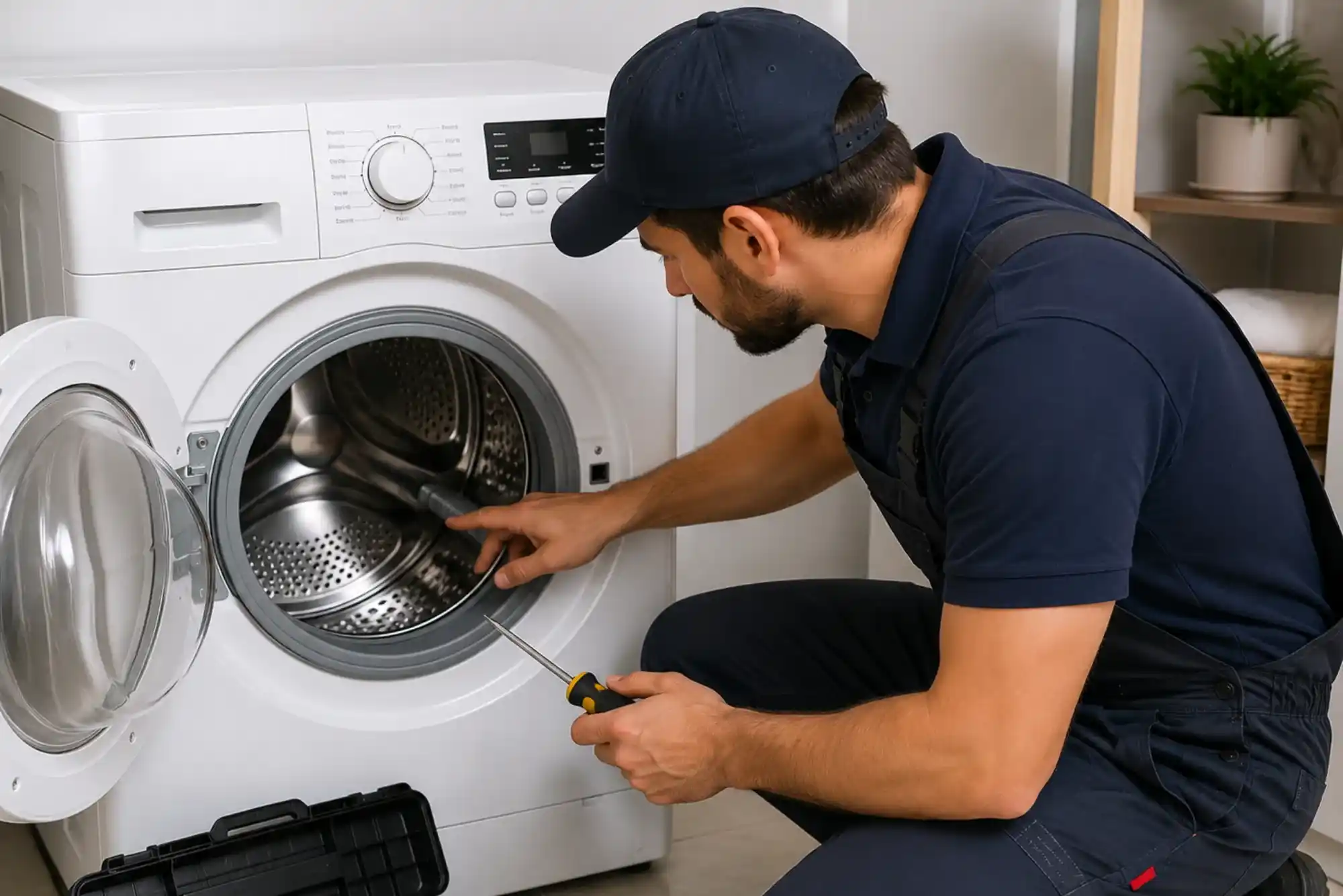
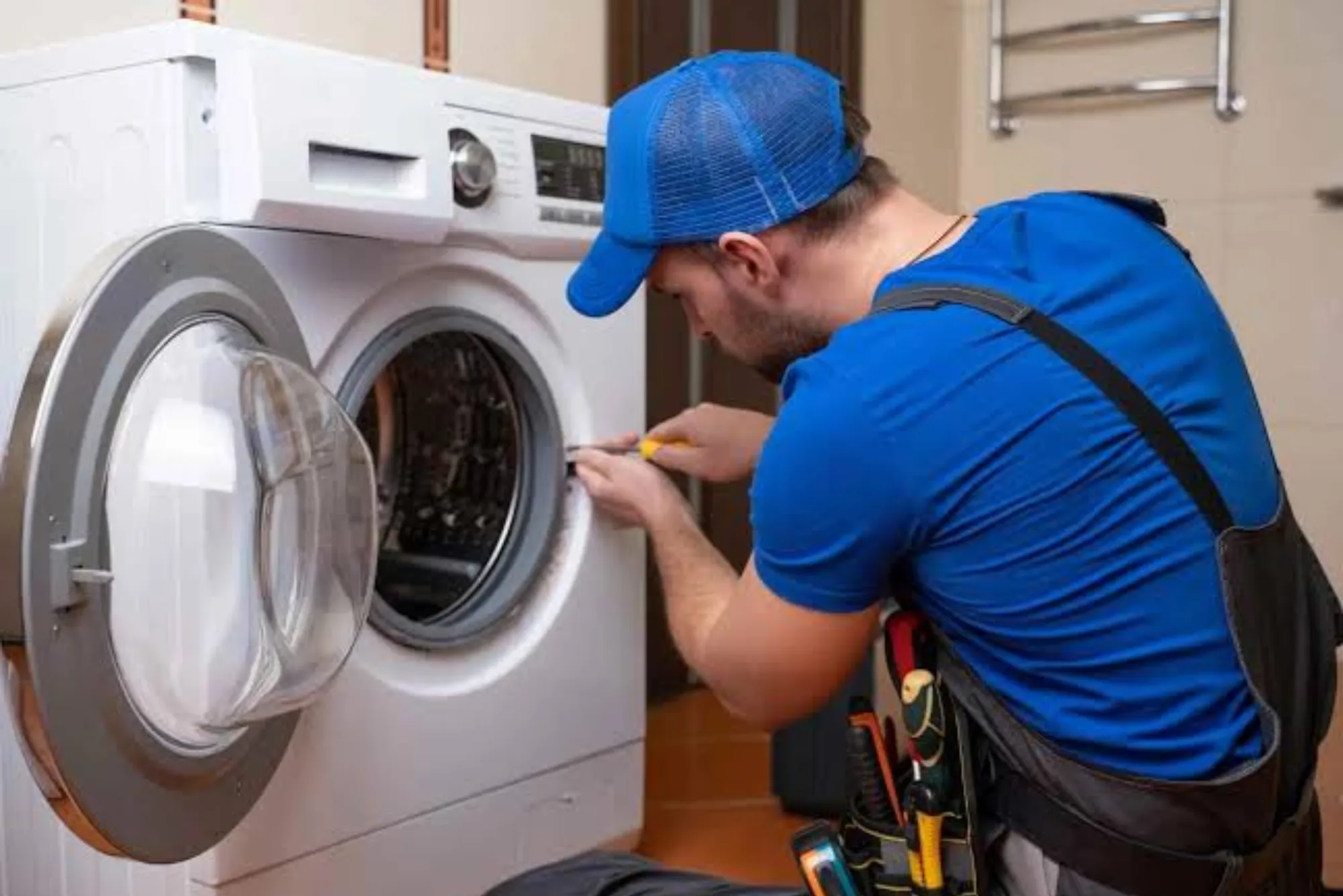
While some troubleshooting steps can be performed at home, complex repairs involving electrical components require expertise. Professional appliance repair services specialize in diagnosing and fixing dishwasher heating issues. A skilled technician can test the heating element, thermostat, and control board, ensuring accurate identification of the problem. They can also clean or replace parts affected by mineral deposits, ensuring the dishwasher runs efficiently again.
Regular maintenance is also essential in preventing water temperature problems. Professional services often include deep cleaning to remove scale buildup, inspection of seals and valves, and overall performance checks. By scheduling periodic maintenance, homeowners can extend the life of their dishwashers and avoid sudden breakdowns.
Importance of Timely Repairs
Delaying repairs when your dishwasher has temperature issues can result in further complications. A faulty heating element may cause incomplete cleaning cycles, leading to repeated washes and higher energy bills. Persistent overheating can damage delicate components such as seals, gaskets, and plastic racks. Worse still, electrical faults in the heating system can pose serious safety hazards if ignored for too long.
Addressing these problems promptly ensures not only cleaner dishes but also a safer and more efficient appliance. Timely repairs also save you from the cost of replacing the entire dishwasher, which can be significantly more expensive than fixing a single component.
Tips to Prevent Dishwasher Heating Problems
Although water temperature issues are common, there are simple steps homeowners can take to minimize the chances of encountering them. Always ensure your water heater is set to the recommended level and run the hot tap before starting the dishwasher to ensure warm water enters the machine immediately. Avoid overloading the dishwasher, as this can restrict water circulation and prevent consistent heating throughout the cycle.
Regularly cleaning the filter, spray arms, and heating element area helps prevent clogs and buildup that could interfere with water flow and temperature regulation. Using the right detergent and avoiding hard water without a softener can also protect internal components from mineral deposits that affect heating performance.
When to Replace Your Dishwasher
Even with timely repairs, some dishwashers may continue to experience temperature issues due to age or extensive wear. If your dishwasher is more than 10 years old, repeated breakdowns may indicate that replacement is a more cost-effective solution. Modern dishwashers come with advanced heating systems, energy-efficient designs, and smart technology that ensures optimal water temperature during every cycle.
If you find yourself frequently repairing your appliance or experiencing poor cleaning results despite professional servicing, investing in a new dishwasher may be the best long-term option.
Troubleshooting dishwasher water temperature issues requires an understanding of how the appliance works, the role of heating elements and thermostats, and the importance of hot water supply. From spotting the early signs of malfunction to conducting at-home checks and seeking professional repair services, homeowners have several options to ensure their dishwasher runs efficiently. Regular maintenance, timely repairs, and attention to your water supply settings can significantly reduce the risk of recurring problems.