Understanding the difference between heat pumps and central air conditioning systems is essential for homeowners who want to achieve maximum comfort and energy efficiency. Both systems are designed to regulate indoor temperatures, yet they operate using different scientific principles and serve unique purposes. By diving into the technical aspects and comparing their functionalities, it becomes easier to determine which system is ideal for specific needs and climate conditions.
Understanding the Core Function of Central Air Conditioning
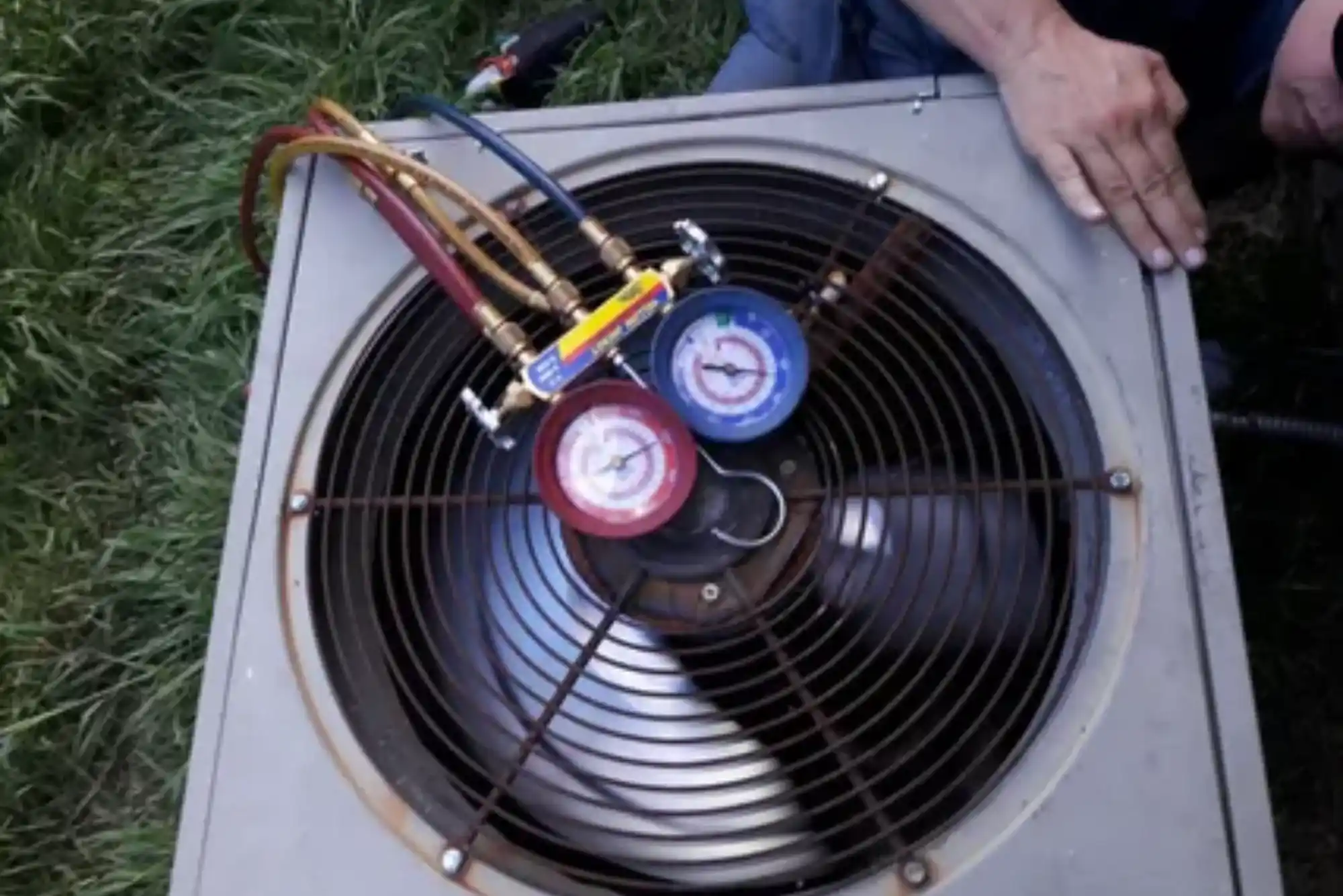
Central air conditioning systems have been a staple in residential and commercial buildings for decades. Their primary function is to remove heat from indoor spaces and release it outside, leaving the interior cool and comfortable. The system typically consists of a compressor, condenser coil, evaporator coil, and an air handler that distributes the cooled air throughout the building using ductwork.
The science behind central AC revolves around the refrigeration cycle. The evaporator coil absorbs heat from the indoor air, while the refrigerant inside the system transfers this heat to the outdoor condenser. The condenser then releases the heat into the surrounding air. This continuous cycle ensures a steady reduction of indoor temperature, maintaining comfort during hot weather. However, central AC systems are primarily designed for cooling, which means that homeowners in colder climates require a separate heating solution during winter months.
The Scientific Operation of Heat Pumps
Heat pumps operate on the same basic refrigeration principles as central air conditioners but with one major difference: they can reverse their cycle. This means that a heat pump can cool your home during the summer and heat it during the winter, making it a versatile year-round climate control solution.
In cooling mode, the heat pump functions just like a central AC, extracting heat from the indoors and expelling it outside. In heating mode, the cycle reverses using a component called a reversing valve. Instead of removing heat from inside the home, the system absorbs heat from the outdoor air—even in cold weather—and transfers it indoors. This process is possible because heat exists in the air at almost all temperatures, and the refrigerant is capable of extracting it efficiently.
The dual-function nature of heat pumps is what makes them highly energy-efficient. Instead of generating heat by burning fuel, they transfer heat from one place to another, consuming less electricity than traditional heating systems.
Key Differences in Energy Efficiency
One of the most significant factors that influence the choice between heat pumps and central AC systems is energy efficiency. Central air conditioners are typically rated using the Seasonal Energy Efficiency Ratio (SEER), which measures cooling efficiency. Heat pumps are rated using both SEER for cooling and Heating Seasonal Performance Factor (HSPF) for heating.
Heat pumps generally offer higher efficiency in moderate climates because they provide both heating and cooling without the need for a separate furnace. By moving heat rather than creating it, heat pumps can deliver up to three times more energy than the electricity they consume. On the other hand, central AC systems paired with traditional furnaces can become less efficient, especially when heating requires significant fuel consumption.
Climate Considerations in Choosing the Right System
Climate plays a crucial role in determining whether a heat pump or central AC system is more suitable. Heat pumps are highly effective in regions with mild to moderate winters because they can extract heat from the outdoor air without excessive strain. However, in extremely cold climates, heat pumps may struggle to maintain indoor comfort without supplemental heating.
Central AC systems are ideal for areas where summers are hot and winters are severe because they work in conjunction with furnaces. This combination allows homeowners to enjoy reliable cooling in summer and powerful heating in winter without overloading a single system.
Maintenance and Longevity Factors
Maintenance is another factor that impacts the choice between the two systems. Both central AC units and heat pumps require regular inspections, filter changes, and coil cleaning to maintain peak performance. However, heat pumps tend to operate year-round, which can lead to more frequent maintenance needs compared to central AC units that only run during the summer months.
Longevity can vary depending on usage and climate conditions. Central AC systems often last longer because they are not in use during winter. Heat pumps, due to their dual-purpose operation,Post Category, might have slightly shorter lifespans if not maintained properly. Still, with regular professional care, both systems can provide over a decade of reliable service.
Environmental Impact of Heat Pumps vs. Central AC
Environmental sustainability has become an important consideration for many homeowners. Heat pumps are generally considered more eco-friendly than central AC systems because they rely on heat transfer rather than combustion. By using less energy to provide heating and cooling, heat pumps reduce overall carbon emissions, particularly when paired with renewable energy sources.
Central AC systems, while efficient at cooling, require pairing with a furnace for heating in colder months. If the furnace uses fossil fuels, it can contribute to higher greenhouse gas emissions. Therefore, from a sustainability perspective, heat pumps are often the preferred choice for those aiming to minimize environmental impact.
Installation and Operational Costs
The initial cost of installing a heat pump can be higher than that of a central AC system, especially if it is replacing an existing setup that already includes a furnace. However, the operational costs may be lower in the long run because heat pumps provide both heating and cooling without relying heavily on additional energy sources.
Central AC systems generally have lower upfront costs, but when combined with the expenses of running a separate furnace, long-term operational costs may be higher. Homeowners considering budget and efficiency should factor in both installation and energy expenses to make an informed decision.
Comfort and Indoor Air Quality
Comfort goes beyond temperature control. Heat pumps provide steady and uniform heating and cooling, which can enhance overall indoor comfort. They also help with humidity control, which is beneficial in both summer and winter months. Central AC systems, on the other hand, are effective in removing humidity during cooling but do not contribute to indoor comfort during colder months without a furnace.
Additionally, both systems can be paired with advanced filtration and ventilation solutions to improve indoor air quality. However, because heat pumps circulate air continuously in both seasons, they may contribute to better year-round air quality if maintained correctly.
Long-Term Value and Home Efficiency
Investing in the right climate control system can increase the overall value and efficiency of a home. Heat pumps appeal to energy-conscious buyers because they offer both heating and cooling in a single system. Their efficiency ratings and lower environmental impact can be a strong selling point.
Central AC systems remain a reliable choice for homes in areas with extreme seasonal variations. When paired with a modern high-efficiency furnace, they offer strong performance and long-term dependability. The decision between the two ultimately depends on balancing cost, climate, and efficiency priorities.
Final Thoughts on Heat Pumps vs. Central AC
The science behind heat pumps and central AC systems highlights the strengths and limitations of each technology. Heat pumps excel in providing year-round comfort with high efficiency, especially in moderate climates. They rely on the principle of heat transfer to move energy rather than generating it, which makes them an eco-friendly option. Central AC systems remain a strong contender for homes that require powerful cooling and have an existing heating system to handle cold winters.
Choosing between the two requires evaluating climate conditions, energy efficiency goals, maintenance preferences, and budget considerations. By understanding the scientific principles that drive these systems, homeowners can make informed decisions that enhance comfort, save on energy bills, and support long-term home value.