Air conditioning systems are designed to deliver comfort and maintain indoor air quality by cooling and circulating air effectively. Every component of an AC system works in harmony to ensure efficiency, but unrestricted airflow is at the heart of its performance. When airflow is restricted, the system works harder, consumes more energy, and experiences increased wear on its components. Over time, this can significantly reduce the lifespan of the entire system.
Airflow restrictions may seem like a minor inconvenience, but the effects are far-reaching. Restricted airflow causes mechanical stress, thermal imbalance, higher utility costs, and premature equipment failure. Understanding how airflow restrictions occur, their consequences, and how to prevent them is essential for anyone who wants to protect the longevity of their air conditioning system.
How Airflow Determines the Health of an AC System
An air conditioning system relies on a continuous flow of air across its evaporator coil to absorb heat from indoor spaces. This heat is then transferred outdoors through the condenser. If the airflow is inadequate, the coil cannot absorb heat effectively. The system will continue to operate longer to reach the desired temperature, leading to higher energy consumption and more strain on components.
Blower motors, compressors, and fan assemblies are all affected by airflow restrictions. A well-maintained system with proper airflow will operate efficiently, maintain comfort, and experience less wear. On the other hand, a system struggling with poor airflow operates under stress, which accelerates the aging process of its components.
Why Airflow Restrictions Occur in Air Conditioning Systems
Airflow problems can develop from several factors that often accumulate over time. Even a small obstruction or design flaw can disrupt airflow and start damaging the system.
One of the most common reasons is a clogged air filter. Filters trap dust, pollen, and debris, preventing them from entering the system. Over time, these filters become dirty, reducing the volume of air passing through.

Dirty evaporator coils are another leading cause. When dust and contaminants coat the coil, the space for air to flow freely narrows, which directly affects cooling efficiency.
Ductwork issues also play a major role. Leaky, bent, or undersized ducts restrict the free movement of air. Similarly, blocked vents or registers—whether due to furniture placement or dirt accumulation—can create localized restrictions that impact the entire system.
Environmental conditions like high dust levels, pet hair, or construction debris can also contribute to persistent airflow restrictions if the system is not regularly maintained.
Mechanical Stress Caused by Poor Airflow
When an air conditioning system encounters Airflow Restrictions, it does not simply underperform—it actively harms itself.
The blower motor is forced to push against resistance, often leading to overheating. Over time, this can damage the motor windings, bearings, or belts.
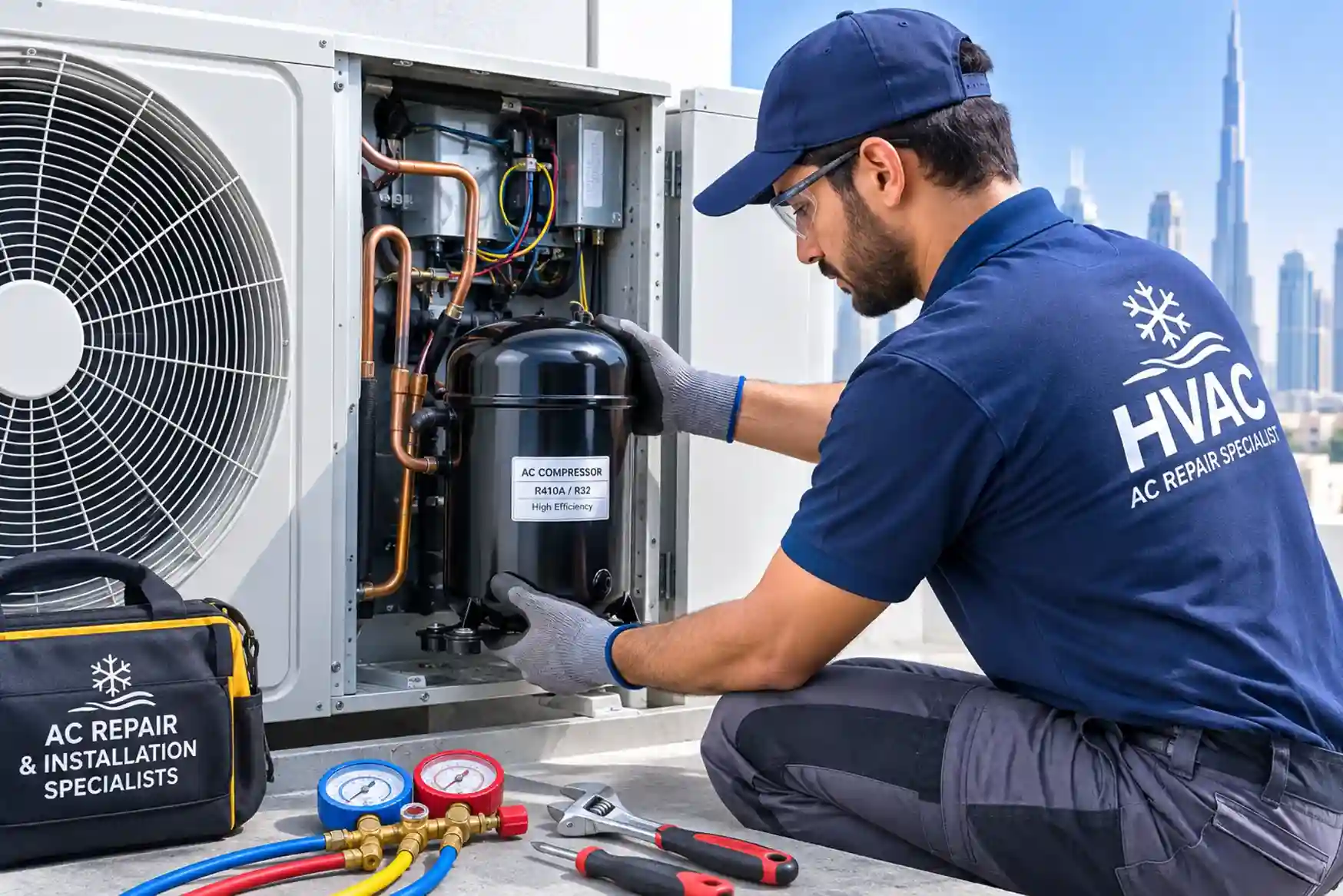
The compressor, the most expensive part of an AC system, is especially vulnerable. Restricted airflow causes the evaporator coil to become too cold, often leading to ice buildup. Once ice forms, airflow is restricted even more, creating a cycle that can cause liquid refrigerant to return to the compressor, leading to failure.
Fans and belts also endure additional strain. Any component that has to compensate for poor airflow will wear out faster, shortening the overall lifespan of the unit.
Energy Efficiency and Operational Costs
Airflow restrictions do not just reduce comfort; they make the system work much harder to achieve the same result. This directly affects energy efficiency.
A restricted AC system can consume 20% to 30% more energy than a properly maintained one. This means higher electricity bills for the property owner and a heavier environmental impact.
Frequent short cycling, where the system turns on and off more often, is another side effect. This cycling increases wear on electrical components and relays, which can lead to expensive breakdowns. In the long run, the cost of ignoring airflow issues far exceeds the cost of preventive maintenance.
Signs That Airflow Restrictions Are Damaging Your AC
Early detection of airflow problems can save an air conditioning system from severe damage. There are several clear operational signals that indicate poor airflow is present.
One of the most common is uneven cooling. Rooms farthest from the air handler often feel warmer, indicating that air is not reaching them efficiently.
Ice formation on the evaporator coil or refrigerant lines is another visual warning sign. This ice can eventually lead to complete airflow blockage if left unresolved.
Unusual noises or whistling sounds from vents or ductwork can also point to air struggling to pass through restricted spaces.
If the AC seems to run longer than normal or short cycle frequently, airflow problems may be at the root of the issue. Each of these signs is a signal to investigate before permanent damage occurs.
Long-Term Consequences for AC Lifespan
The most significant effect of ignoring airflow restrictions is the shortened lifespan of the system.
A central AC unit is typically designed to last 10 to 15 years, but when airflow is compromised, critical components face constant stress. The compressor, blower motor, and fans all wear out faster than expected.
Over time, minor airflow problems become major failures. Coils corrode, motors burn out, and ducts may develop leaks under pressure. In severe cases, a system that could have lasted a decade may fail in as little as five to seven years under constant stress from restricted airflow.
Preventing Airflow Restrictions with Proactive Care
The most effective way to protect an AC system from airflow-related damage is preventive maintenance.
Regular filter replacement is the simplest and most impactful step. Clean filters maintain smooth airflow and prevent dust buildup in other components.
Professional coil cleaning keeps evaporator and condenser coils free of obstructions. Technicians can also inspect and seal ductwork, ensuring that air moves efficiently through the system.
Property owners should keep vents and registers unobstructed, avoid closing too many supply vents, and maintain a clean indoor environment to reduce airborne particles.
Scheduling annual professional inspections ensures airflow is measured, problems are detected early, and the system is adjusted for peak performance.
The Role of Professional HVAC Services
While property owners can manage basic tasks like replacing filters,Post Category, addressing deeper airflow restrictions requires professional expertise.
Certified technicians use tools like manometers and airflow meters to measure pressure and flow, detect duct leaks, and identify hidden blockages. They can make precise adjustments to ensure the system operates under ideal conditions, extending its lifespan and reducing energy costs.
Professional services also provide long-term maintenance plans, ensuring airflow remains optimal year-round and preventing the gradual damage that leads to premature system replacement.
Protecting Your Investment Through Airflow Management
Airflow restrictions may start as a minor performance issue, but over time, they become the leading cause of premature AC system failure. Poor airflow increases mechanical stress, reduces energy efficiency, and can shorten the system’s lifespan by several years.
By recognizing the signs of restricted airflow and committing to regular maintenance, property owners protect their investment and enjoy reliable, long-term cooling performance. Preventive care is not only more affordable than emergency repairs but also ensures that an air conditioning system operates efficiently for its full intended lifespan.