Air conditioning systems rely on several critical components to provide consistent cooling, and the compressor is the heart of the entire system. It is responsible for circulating refrigerant between the indoor and outdoor units, creating the pressure needed for effective heat exchange. When the AC compressor begins to fail, the entire system’s efficiency declines, leading to poor cooling performance, higher energy bills, and potential system breakdowns. Recognizing the early signs of AC compressor failure is essential for homeowners and facility managers who want to avoid costly repairs and ensure uninterrupted comfort.
The early indicators of compressor trouble often start subtly but can escalate if ignored. Understanding these signs and responding promptly can save significant time and money. It also prevents damage to related components such as the condenser, evaporator, and fan motors.
Understanding the Role of the AC Compressor
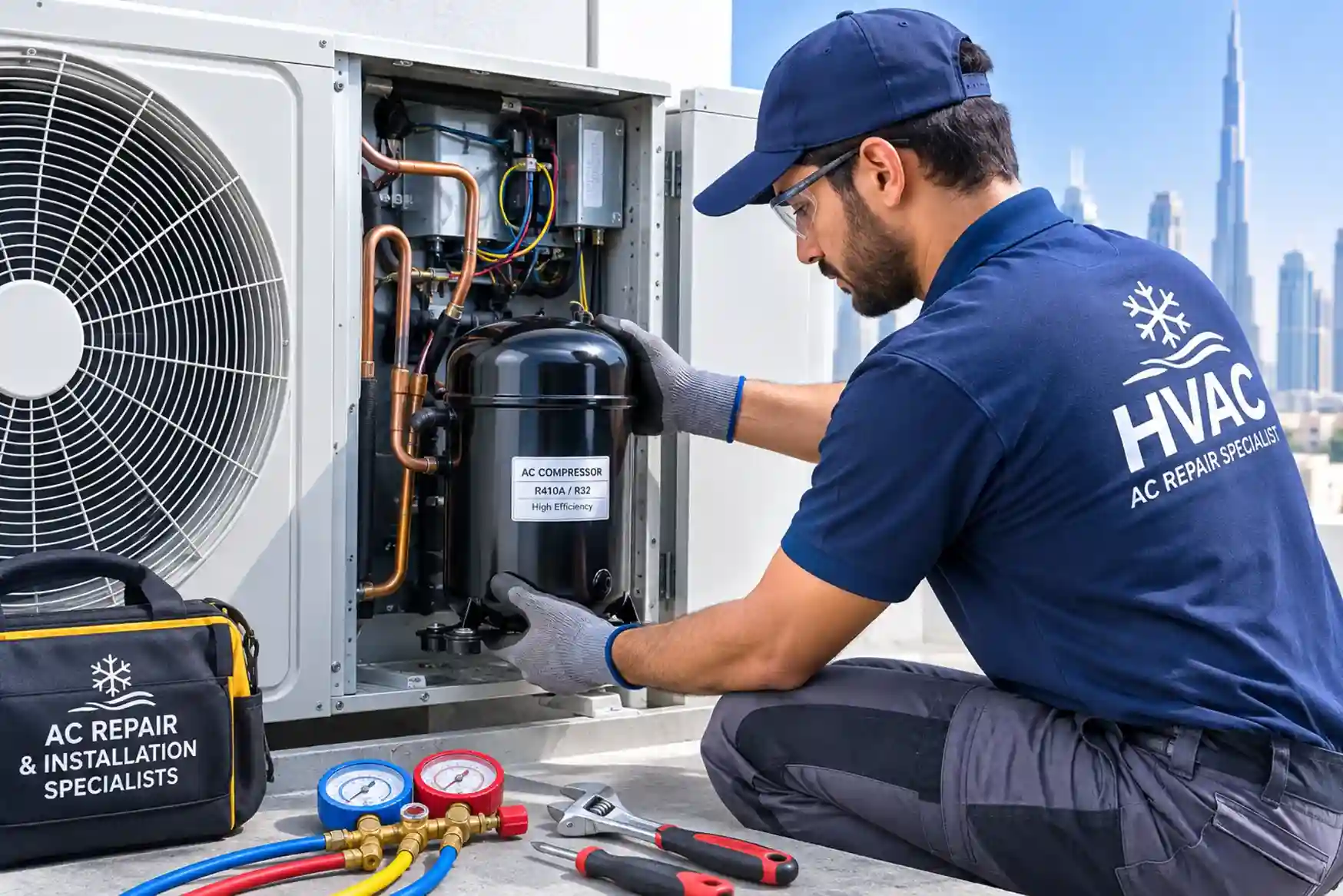
The compressor is the driving force behind an air conditioning system. It compresses the refrigerant, transforming it from a low-pressure gas to a high-pressure, high-temperature gas before it enters the condenser coil. This process allows heat to be released outdoors, enabling the cooled air to circulate indoors.
Because the compressor operates under high pressure and continuous load, it is vulnerable to wear over time. Issues like lack of lubrication, refrigerant leaks, or electrical faults can compromise its functionality. By knowing how the compressor works, it becomes easier to identify when it is not performing at its optimal level.
Reduced Cooling Performance as a Warning Signal
One of the most noticeable early signs of AC compressor failure is reduced cooling performance. If your air conditioner runs continuously without adequately lowering indoor temperatures, the compressor may be struggling to circulate refrigerant properly. This reduced performance can be due to failing internal components, decreased compression power, or refrigerant loss.
In many cases, the system may still produce some cooling, but it will take longer to reach the desired temperature. Ignoring this warning sign can lead to increased energy consumption as the system works harder to compensate for the compressor’s inefficiency.

Unusual Noises Indicating Mechanical Issues
A healthy AC compressor generally operates quietly with a steady humming sound. However, unusual noises such as rattling, clanking, or grinding can indicate mechanical issues within the compressor. These sounds often stem from internal parts wearing out or components coming loose under vibration and pressure.
Clicking noises during startup or shutdown can also point to electrical issues affecting the compressor motor. These early acoustic warnings should not be ignored, as mechanical damage can escalate quickly, leading to complete compressor failure.
Electrical Problems Affecting Compressor Function
Electrical irregularities are another early sign of AC compressor trouble. Faulty wiring, burnt fuses, or malfunctioning capacitors can prevent the compressor from starting or cause it to short cycle. Short cycling is when the compressor repeatedly starts and stops in rapid succession, leading to excessive wear and higher energy usage.
If left unchecked, electrical issues can permanently damage the compressor motor or the entire air conditioning unit. Regular inspections and immediate attention to tripped breakers or burnt smells from the outdoor unit can prevent these failures.
Warm Air from Vents and Inconsistent Cooling
When the compressor cannot maintain proper refrigerant pressure, the air circulating through your vents may feel warmer than usual. This symptom is especially concerning if the system is set to a low temperature but still delivers lukewarm or uneven airflow.
Inconsistent cooling, with certain rooms staying warmer than others, may also indicate that the compressor is struggling to maintain consistent refrigerant flow. This is often an early stage of failure that, if addressed promptly, can prevent total system shutdown.
Refrigerant Leaks and Compressor Strain
Refrigerant leaks can cause a chain reaction that leads to compressor failure. As refrigerant levels drop, the compressor works harder to maintain pressure, resulting in overheating and premature wear. Early signs of refrigerant-related strain include ice buildup on refrigerant lines, hissing noises, and reduced cooling efficiency.
While the compressor itself may not be the initial source of the leak,Post Category, prolonged operation under low refrigerant conditions will eventually damage the compressor. Detecting leaks early and repairing them promptly can save the compressor from catastrophic failure.
System Overheating and Tripped Breakers
Overheating is a critical early warning sign of compressor failure. If the compressor draws excessive electrical current due to internal friction or mechanical problems, it can cause circuit breakers to trip. Frequent breaker trips are not just a nuisance but a clear signal that the system is under stress.
Physical overheating can also be detected if the outdoor unit feels excessively hot to the touch or emits a burning odor. These signs indicate that the compressor is overworking, and immediate maintenance is required to avoid further damage.
Increased Energy Consumption as an Indicator
A failing AC compressor will often consume more electricity than usual because it has to work harder to achieve the same cooling results. This leads to sudden spikes in energy bills without any increase in cooling demand.
Early recognition of this trend can prompt a professional inspection to confirm if the compressor is the source of inefficiency. Addressing this issue early can prevent not only costly utility bills but also complete system breakdowns.
Importance of Timely Maintenance and Professional Inspection
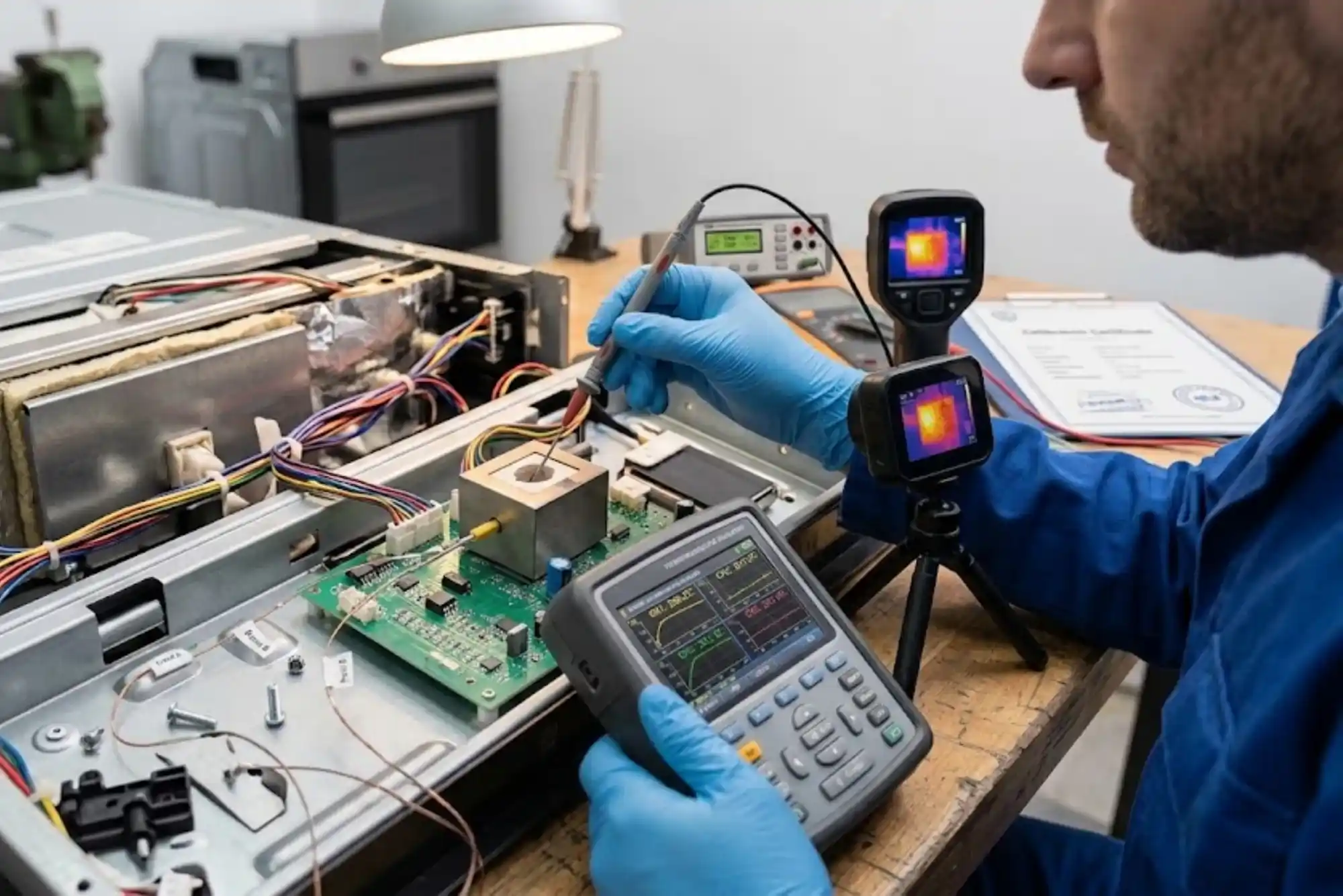
Recognizing the early signs of compressor failure is only the first step; timely professional maintenance is crucial to prevent further damage. Certified technicians can perform diagnostic tests to measure refrigerant pressure, check for electrical faults, and assess mechanical integrity.
Routine preventive maintenance, such as cleaning condenser coils, ensuring proper airflow, and replacing filters, can also extend the life of your AC compressor. By taking early symptoms seriously and scheduling inspections promptly, property owners can avoid expensive repairs or the need for a full system replacement.
Extending the Life of Your AC Compressor
While no AC compressor lasts forever, proactive care significantly extends its lifespan. Avoiding system overwork, ensuring proper refrigerant levels, and keeping electrical components in check all contribute to longevity.
Investing in professional tune-ups and addressing early warning signs quickly reduces the risk of emergency breakdowns during peak cooling seasons. A well-maintained compressor not only delivers reliable cooling but also operates more efficiently, lowering overall operating costs.
Early Detection Saves Time and Money
Recognizing the early signs of AC compressor failure is essential for protecting your investment and maintaining consistent comfort. Symptoms such as reduced cooling, unusual noises, electrical irregularities, warm airflow, and rising energy consumption all indicate that your compressor needs attention.
By acting on these early warnings and scheduling professional inspections, you can prevent small problems from escalating into major system failures. Early detection and maintenance ultimately save both time and money while ensuring that your air conditioning system delivers optimal performance for years to come.