If your air conditioner has suddenly started cooling erratically, shutting down unexpectedly, or displaying strange error codes, there’s a good chance the problem lies with a small but critical component—the thermistor. As someone who has spent years repairing and maintaining HVAC systems, I’ve seen firsthand how a faulty thermistor can throw an otherwise perfectly functioning AC into chaos.
The thermistor’s job might sound simple—it senses temperature and communicates that data to the control board—but when it fails, your system starts making decisions based on incorrect information. This can lead to inefficient cooling, excessive energy use, or even complete shutdown. The good news? Troubleshooting AC thermistor failures is possible with the right approach, a bit of patience, and a basic understanding of how this part works.
Understanding the Role of the Thermistor
A thermistor is a type of temperature sensor whose electrical resistance changes based on temperature. In an air conditioner, thermistors are typically found in locations such as the evaporator coil, condenser coil, and sometimes near the indoor air inlet.
When the thermistor senses a temperature change, it sends a corresponding electrical signal to the AC’s main control board. The control board then decides whether to run or stop the compressor, adjust fan speeds, or initiate defrost cycles based on this input.
If the thermistor reads inaccurately or fails completely, it’s like giving your AC “bad directions.” This can cause symptoms such as:
- The AC not cooling properly even though it’s running
- Sudden or frequent shut-offs
- The fan running continuously
- Error codes specific to thermistor failure
Common Causes of Thermistor Failure
From my field experience, thermistor issues are rarely random. Most failures can be traced back to a few common causes. One of the biggest culprits is dirt and debris buildup. Over time, dust or moisture can coat the thermistor, causing it to sense incorrect temperatures. Another common reason is physical damage—either from mishandling during cleaning or installation or from pests chewing on wiring.

Electrical surges can also damage thermistors. Although they don’t have moving parts, the sensitive electronics inside can be destroyed by sudden spikes in voltage. And in some cases, Post Category, thermistors simply fail due to age and prolonged exposure to extreme temperature fluctuations.
Signs Your AC Thermistor May Be Faulty
If your AC is showing performance issues, narrowing down the cause can be tricky because many symptoms overlap with other failures. However, there are certain signs that point strongly toward thermistor trouble. For instance, if the unit turns on but shuts off within seconds and then restarts repeatedly, that’s often due to the thermistor misreading the coil temperature.
Inconsistent cooling—where some days the AC works fine and other days it struggles—can also indicate a failing thermistor. And if your system’s display or diagnostic tool shows a thermistor-related error code, that’s as close to a direct confirmation as you can get without testing the part.
Step-by-Step Approach to Troubleshooting
When troubleshooting AC thermistor failures, I always follow a logical sequence. The goal is to confirm the problem before replacing any components.
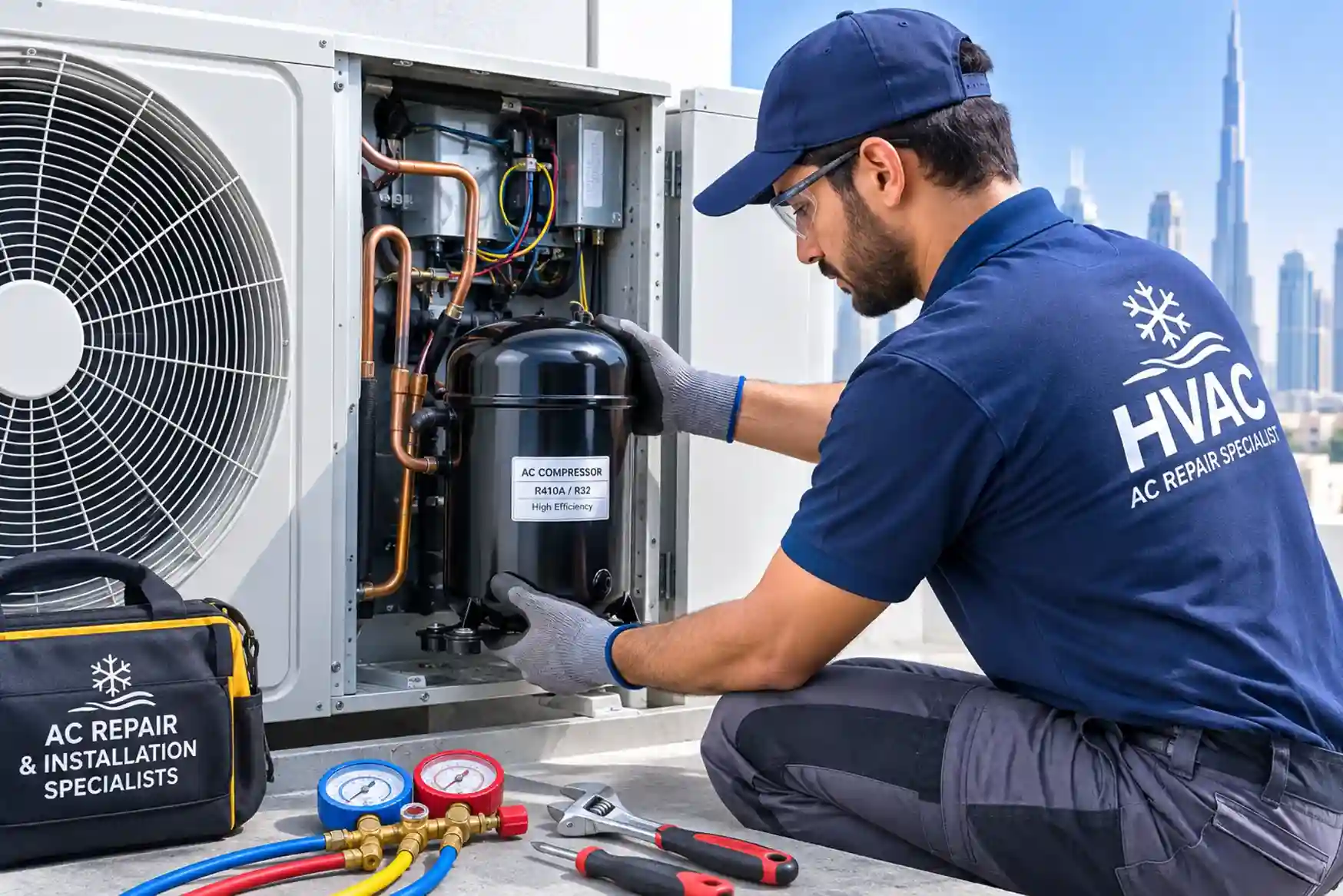
The first step is a visual inspection. Power off the unit, remove the panel, and locate the thermistor. Look for signs of physical damage, corrosion, or dirt buildup. If the thermistor is dirty, cleaning it carefully with a soft brush or compressed air can sometimes restore proper function.
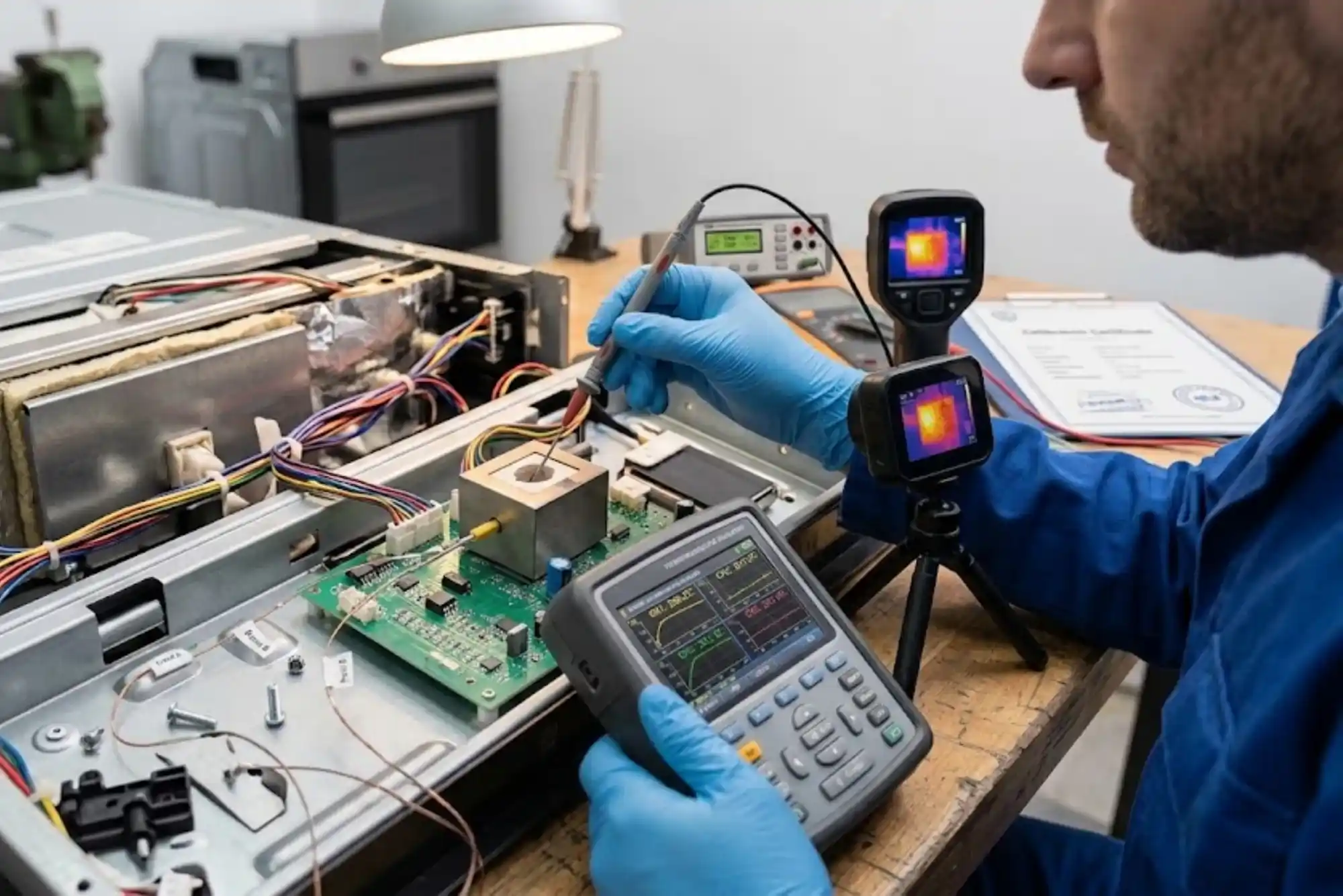
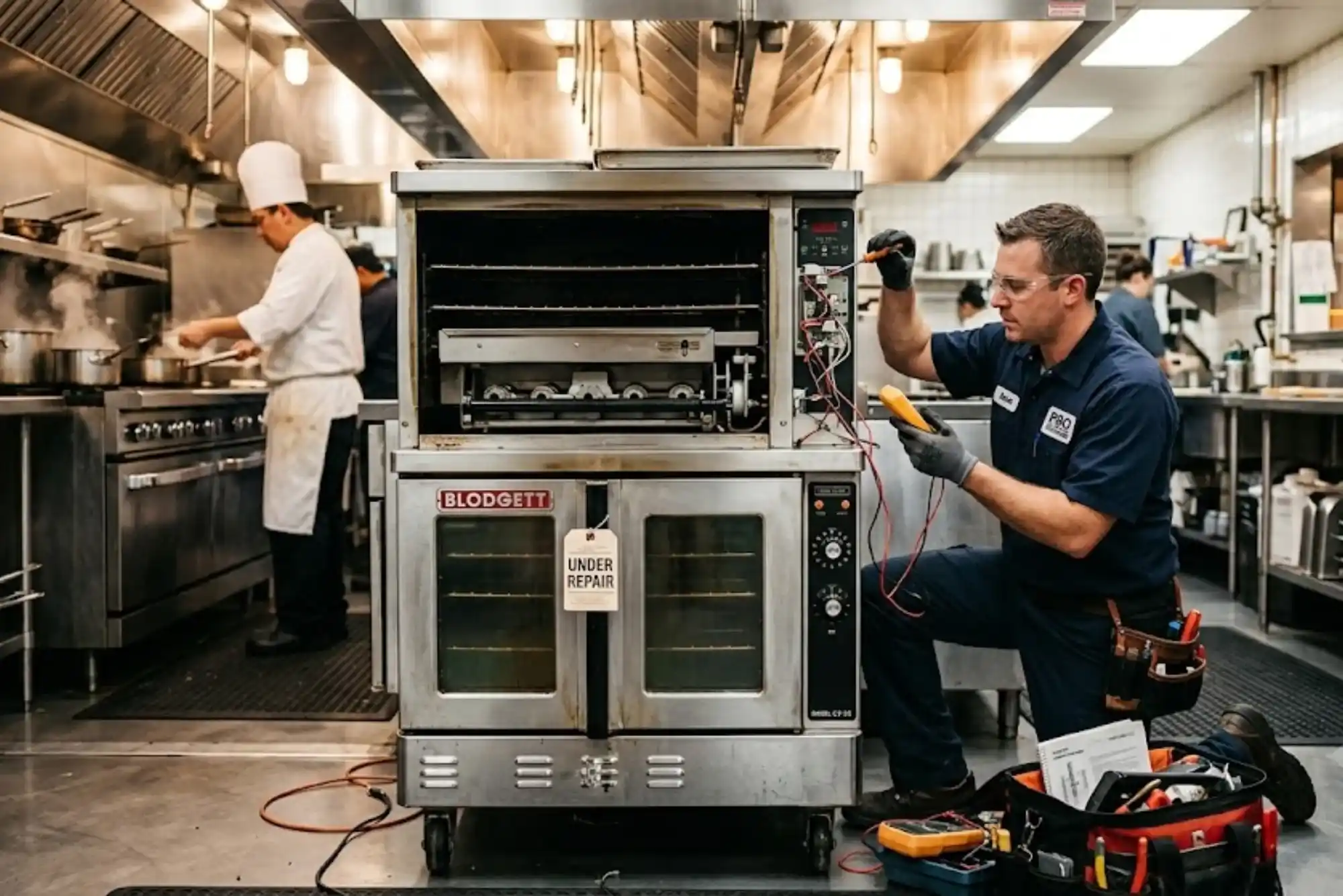
Next, I move on to electrical testing. Using a multimeter set to measure resistance (ohms), I disconnect the thermistor from the circuit and check its resistance at room temperature. You’ll need to compare this reading to the manufacturer’s specifications—these can often be found in the service manual. If the resistance is way off, the thermistor is faulty.
If the reading is correct at room temperature, I test it under different conditions. For example, placing the thermistor in a sealed bag with ice water should significantly change the resistance reading. A healthy thermistor will show a smooth and predictable change in resistance as the temperature changes. If the resistance jumps erratically or doesn’t change at all, it’s defective.
Real-World Example from the Field
I once worked on a split AC system in the middle of summer where the indoor unit kept shutting off after only a few minutes of cooling. The homeowner had already replaced the capacitor and fan motor, thinking those were the culprits, but the problem persisted.
Upon inspection, I found the evaporator thermistor was covered in a thick layer of dust mixed with sticky kitchen grease. This caused it to detect a “false high” temperature, tricking the control board into shutting down the compressor prematurely. A thorough cleaning restored the sensor’s accuracy, and the AC worked perfectly afterward—no replacement required.
When to Replace the Thermistor
While cleaning or reconnecting loose wiring can solve minor issues, a damaged or electrically faulty thermistor must be replaced. Thankfully, this is one of the more affordable AC repairs. Replacement involves disconnecting the faulty thermistor, installing the new one in the exact same location, and reconnecting the wires.
It’s important to use an OEM part or an exact match in terms of resistance and temperature range. An incompatible thermistor can cause even more performance issues.
Preventing Future Failures
Preventive maintenance is key to extending the life of your AC thermistor. Keeping your unit clean—especially the coils and surrounding components—will reduce dust and debris buildup. Regular inspections during seasonal tune-ups can catch early signs of wear, and installing a surge protector can guard against electrical damage.
From an operational standpoint, avoid forcing your AC to run at extreme settings for prolonged periods, as excessive heat or cold can stress the thermistor over time.
Final Thoughts
Troubleshooting AC thermistor failures isn’t just about fixing the immediate problem—it’s about understanding how this small sensor impacts the entire cooling system. By knowing the signs, following a systematic diagnostic approach, and taking preventive measures, you can save both time and money while keeping your air conditioner running efficiently.In my years as an HVAC professional, I’ve learned that small parts like thermistors often make the biggest difference in performance. With the right care and timely action, you can ensure your AC stays reliable even during the hottest days of the year.