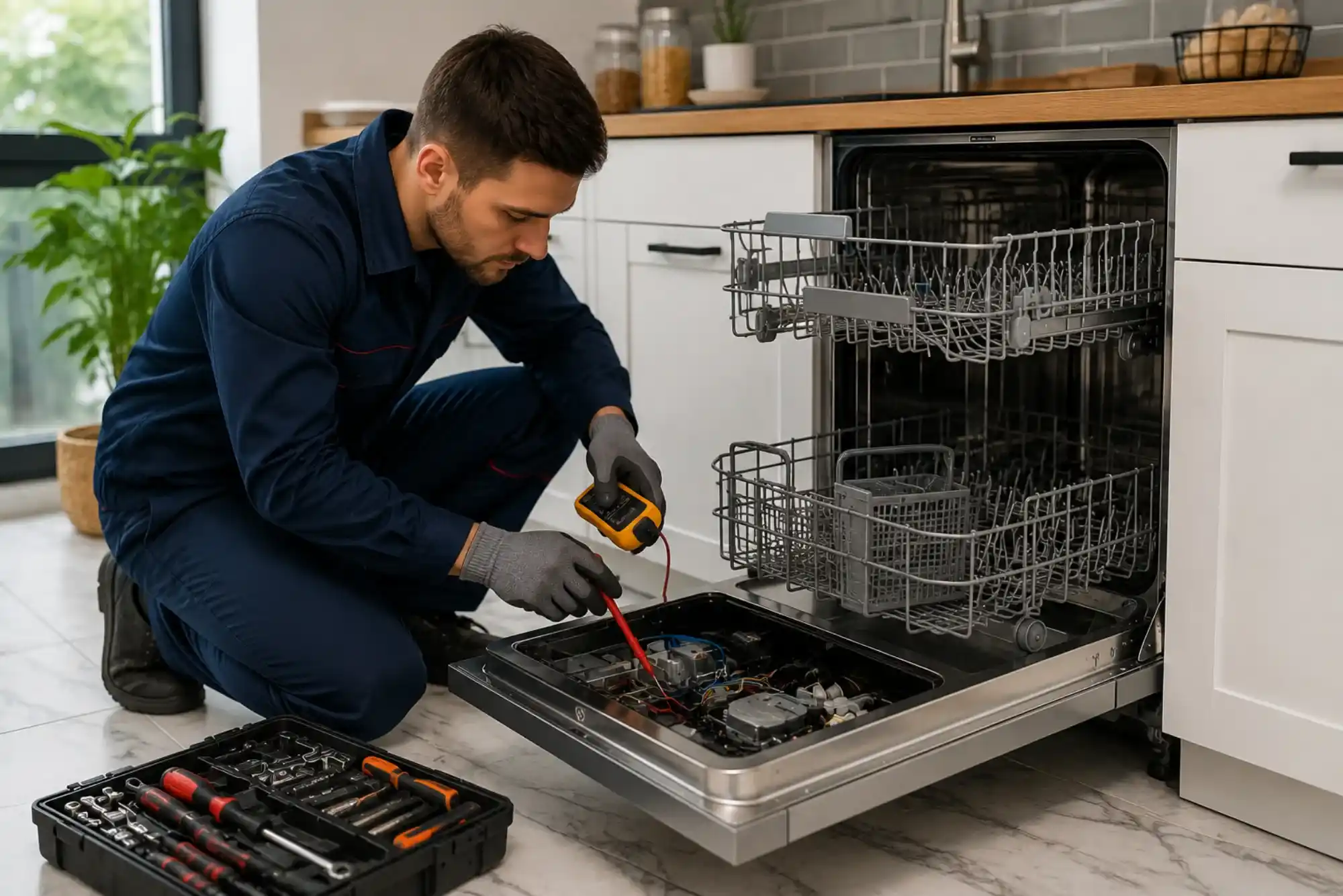
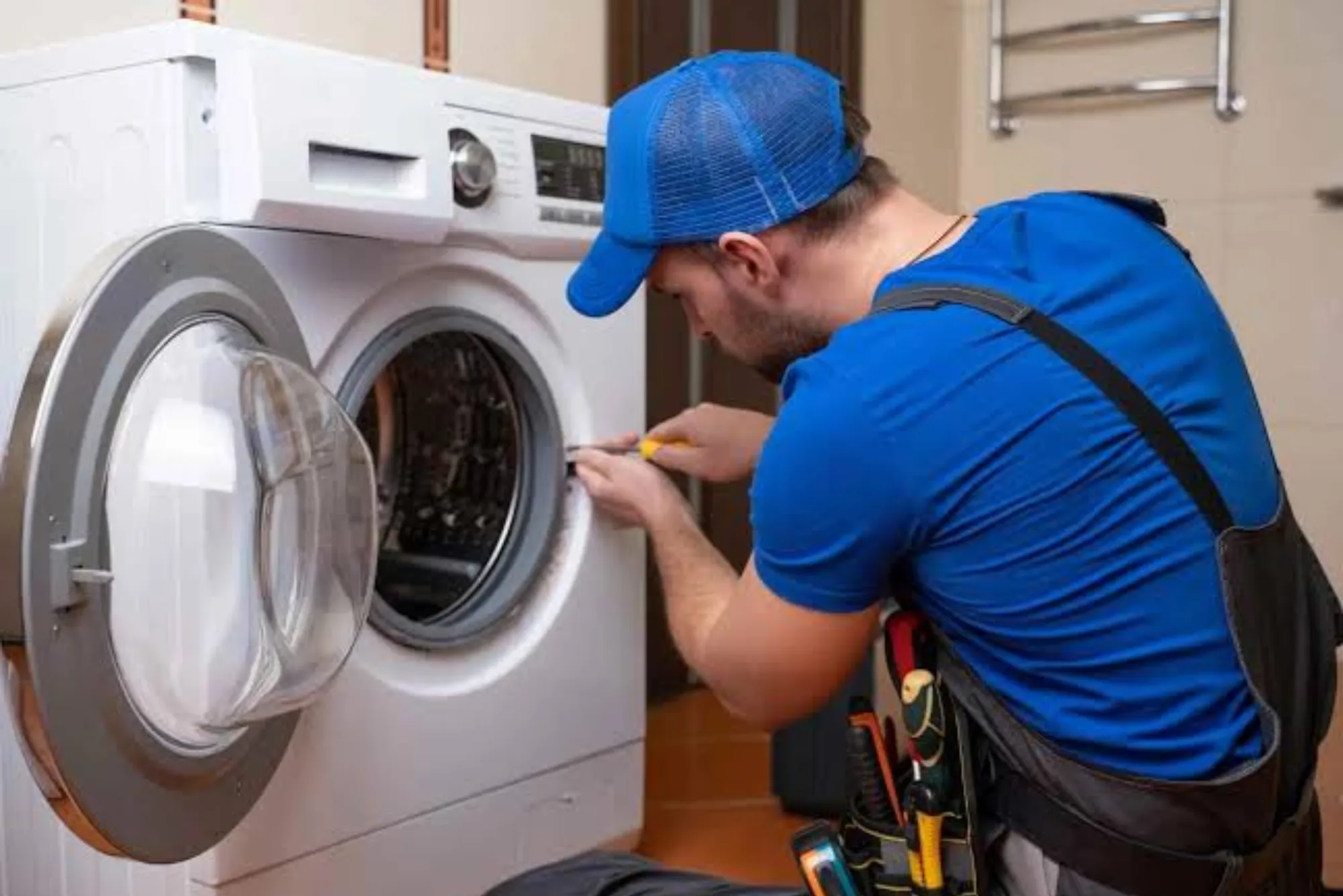
A dishwasher is one of the most convenient appliances in a modern kitchen, helping to save time, water, and energy. However, like all household appliances, it can develop problems over time, and one of the most common is water leaking from the door. This problem often comes down to a faulty, damaged, or worn-out door seal. The door seal, sometimes called a gasket, is the flexible strip that runs around the inside edge of the dishwasher door. It plays a vital role in keeping water inside the unit while it is running. When it becomes worn or damaged, even a small gap can allow water to escape, creating puddles on your floor and potentially causing costly water damage.
Fixing a leaking dishwasher door seal is not as complicated as it might sound. With the right knowledge, basic tools, and a methodical approach, most homeowners can repair or replace the seal themselves. Doing so not only stops the leak but also restores the dishwasher’s efficiency and extends its lifespan.
Why the Door Seal is Important
The dishwasher door seal works by creating a watertight barrier between the door and the tub. When you close the dishwasher, the seal is compressed, blocking water from leaking out during wash and rinse cycles. Because it is constantly exposed to hot water, steam, detergents, and the pressure of the door closing, it undergoes a lot of wear and tear. Over the years, the seal can lose its elasticity, become brittle, or crack.
Once the seal starts to degrade, the watertight barrier is compromised, and water can find its way out during operation. Sometimes the leak starts small, with just a few drops, but it often worsens over time. Left unaddressed, it can damage your kitchen floor, lead to mold growth, and even cause electrical hazards if water reaches wiring.
Common Reasons for Door Seal Leaks
Although natural aging is the main reason for seal failure, other factors can accelerate the problem. Frequent use of harsh detergents can dry out the rubber or silicone, making it less flexible. Food particles, grease, or soap scum can build up along the seal, preventing it from seating properly when the door is closed. If you live in a hard water area, mineral deposits can also form on the gasket, making it stiff and less effective.
Another cause of seal problems is improper loading of the dishwasher. Overloading or placing large dishes that press against the door can put extra pressure on the seal, eventually deforming it. A misaligned door due to worn hinges or a faulty latch can also prevent even compression along the seal, allowing leaks to occur in certain spots.

Getting Ready to Fix the Problem
Before you start repairing or replacing the door seal, it is important to prepare your workspace and take safety precautions. First, disconnect the dishwasher from its power source. This is essential when working with any appliance, especially one that involves water and electricity. Then, turn off the water supply to the dishwasher to prevent accidental flooding while you work.
You will need a replacement door seal that matches your dishwasher model, which can usually be found through the manufacturer or an appliance parts supplier. You will also need a clean cloth, a mild detergent, a small brush for cleaning, and possibly a flathead screwdriver to help remove the old seal. Having everything ready before you start will make the process smoother.
Removing the Old Seal
Opening the dishwasher door fully will give you access to the existing seal. In most dishwashers, the door seal is simply pressed into a channel around the inner edge of the tub. Starting from one corner, gently pull the seal out of the groove, working your way around the perimeter. If the seal is stubborn, you can use a flathead screwdriver to carefully pry it out, but be sure not to scratch or damage the surrounding surface.
Once removed, examine the old seal closely. You might notice visible cracks, splits, or hard, flat spots where the gasket no longer compresses properly. This confirms that the seal was no longer doing its job effectively.
Cleaning the Seal Area Thoroughly
Before installing the new seal, it is essential to clean the groove where it will sit. Over time, dirt, grease, detergent residue, and mineral deposits can collect here. If left in place, they can prevent the new gasket from seating properly, leading to leaks even after replacement.
Using a mild detergent mixed with warm water, scrub the channel with a small brush, making sure to remove all buildup. Pay extra attention to the corners, as debris tends to accumulate there. After scrubbing, wipe the area with a damp cloth to remove soap residue, then dry it completely with a clean towel. The surface should be perfectly clean and dry before the new seal is installed.
Installing the New Door Seal
Most dishwasher door seals do not require adhesive; they are designed to fit snugly into the channel. Start by locating the center of the new seal and aligning it with the top center of the dishwasher’s tub. Press the seal into the groove, working your way evenly down both sides toward the bottom. This ensures the seal is evenly distributed and not stretched more on one side than the other.
As you install the seal, check that it sits flat in the channel without twists, kinks, or folds. The corners can be a bit tricky, so make sure to press firmly to ensure they are fully seated. When you have gone all the way around, gently press along the entire length to confirm it is secure.
Checking the Door Alignment
Once the new seal is installed, close the dishwasher door slowly. You should feel a slight resistance as the seal compresses, indicating that it is making a proper watertight fit. If the door closes too easily or feels uneven, the seal may not be installed correctly, or the door itself might need adjustment. A misaligned door can cause leaks even with a brand-new seal, so if you suspect alignment issues, check the hinges and latch before running the dishwasher.
Testing the Repair
With the new seal in place, reconnect the dishwasher to the power supply and turn the water back on. Run a short cycle while closely watching the door area for any signs of water escaping. In most cases, the leak will be resolved immediately. However, keep in mind that some seals may take one or two cycles to fully soften and conform to the shape of the door.
If you still notice leaks, double-check that the seal is fully seated and that no debris is preventing the door from closing completely. If the problem persists, it may be caused by another component, such as the latch mechanism, the door’s interior panel, or even a crack in the tub.
Maintaining the New Door Seal
Replacing the door seal is only the first step — keeping it in good condition will prevent future leaks and save you from repeating the process too soon. After each wash cycle, wipe the gasket dry to prevent mold growth and reduce mineral buildup. Once a month, inspect the seal for food particles or soap residue and clean it with a damp cloth.
Avoid using harsh chemicals or abrasive pads, as they can damage the rubber. Be mindful when loading the dishwasher so dishes do not press directly against the door. Also, avoid slamming the door shut, as repeated force can loosen or damage the seal.
If you live in a hard water area, using a dishwasher cleaner or descaling solution periodically can help prevent mineral deposits from stiffening the seal.
When to Call a Professional
While replacing a dishwasher door seal is a manageable DIY task, there are times when professional help is the better choice. If you replace the seal and the leak continues, the problem might lie in the door hinges, latch, or internal components. Professional technicians have the tools to test the door alignment, check for hidden cracks, and repair other parts that could be causing the leak.
It’s also wise to call a technician if your dishwasher is still under warranty, as performing repairs yourself might void certain coverage. Balancing the cost of professional service against the potential damage from ongoing leaks is an important consideration.
A leaking dishwasher door seal is a common problem, but it doesn’t have to mean the end of your appliance’s usefulness. By understanding how the seal works, recognizing the signs of wear, and following the correct replacement steps, you can restore your dishwasher to full functionality and prevent costly water damage.
This repair is a practical skill for any homeowner, saving both money and the hassle of arranging professional service for something that can often be fixed in less than an hour. Regular maintenance, mindful usage, and prompt attention to any leaks will ensure your dishwasher runs efficiently for years to come.