A refrigerator is one of the most valuable appliances in every home, keeping your food, drinks, and daily essentials fresh and safe. However, when a power cut occurs, this essential appliance can be affected. One of the most common problems homeowners face after an outage is that the fridge is not cooling properly once the electricity returns. This issue often causes stress and confusion, especially when the food inside starts to warm up. Understanding why this happens and how to fix it through professional fridge repair can help you prevent spoilage and ensure your refrigerator functions at its best.
Why Power Cuts Affect Refrigerator Cooling
A refrigerator works continuously to maintain a steady temperature inside. During a power cut, the cooling system shuts down immediately because there’s no electrical supply to power the compressor, condenser, and evaporator fan. When electricity returns, the fridge doesn’t always start cooling right away.
This happens because modern refrigerators have sensitive electronic control boards that take a few minutes to stabilize before restarting the compressor. In many cases, a small delay is normal. However, if the fridge continues to stay warm after a long time, it indicates that the power cut has caused a deeper issue.
Power cuts are often followed by voltage fluctuations or sudden surges of electricity when power is restored. These surges can damage critical electrical components like the compressor relay, thermostat, or main control board. The result is a refrigerator that turns on but fails to cool effectively.
Common Causes of Poor Cooling After a Power Cut
When your fridge stops cooling after an outage, it’s essential to understand the root cause before taking any action. The issue might be mechanical, electrical, or even environmental.
One of the most frequent reasons is compressor delay. After power returns, refrigerators have a built-in safety mechanism that prevents the compressor from starting immediately. This delay protects the compressor from damage caused by unstable voltage. However, if cooling doesn’t begin even after 30 minutes, the compressor might have failed or entered a protection mode due to internal damage.

Another possible reason is a faulty thermostat or temperature control sensor. If this sensor malfunctions because of a power surge, it fails to send the correct signal to the compressor. The fridge then remains on standby without producing cold air.
In many cases, the start relay or overload protector may have burned out during the voltage fluctuation. These small components help the compressor start properly, and once damaged, they prevent cooling.
A damaged control board can also be the culprit. Modern fridges rely heavily on electronic circuits that control temperature, compressor cycles, and fan operations. If these circuits are disrupted or shorted during a power surge, the fridge may appear to run but not cool effectively.
Lastly, dirty condenser coils or blocked air vents can worsen the problem. After power returns, poor airflow inside the refrigerator can delay or restrict cooling. Although this is not a direct effect of the outage, it can become more noticeable afterward.
Immediate Actions to Take
When your fridge doesn’t cool properly after a power cut, avoid panicking. The first thing you should do is ensure that the refrigerator is plugged in securely and that electricity is reaching the socket. Sometimes, a tripped circuit breaker or blown fuse can interrupt power flow.
If the fridge light turns on but cooling does not resume, leave the appliance undisturbed for at least 30 minutes. Many refrigerators have built-in compressors that need this time to reset after a power interruption.
Avoid opening the fridge door frequently during this period, as doing so will let warm air in and make it harder to assess the cooling status. If, after waiting, you still notice no cold air, or the motor is running continuously without cooling, it’s best to call a professional fridge repair technician.
The Role of Voltage Fluctuations and Power Surges
Voltage fluctuations are among the most damaging consequences of power outages. When electricity returns suddenly, the surge can send excess current through the appliance’s electrical system. Refrigerators, especially newer models with electronic components, are highly sensitive to such fluctuations.
A strong surge can damage the compressor windings, fry the relay, or disrupt the main control board’s circuitry. Even if the fridge continues to run, cooling efficiency drops significantly. That’s why it’s recommended to use a voltage stabilizer or surge protector with your refrigerator. These devices act as a shield, maintaining a consistent power flow and preventing damage during unpredictable voltage changes.
When to Call a Professional Fridge Repair Service
If your refrigerator doesn’t cool properly after an hour or more, it’s a sign that internal components may have been affected by the power outage. Attempting to fix such issues without proper tools or experience can be risky and may cause further damage.
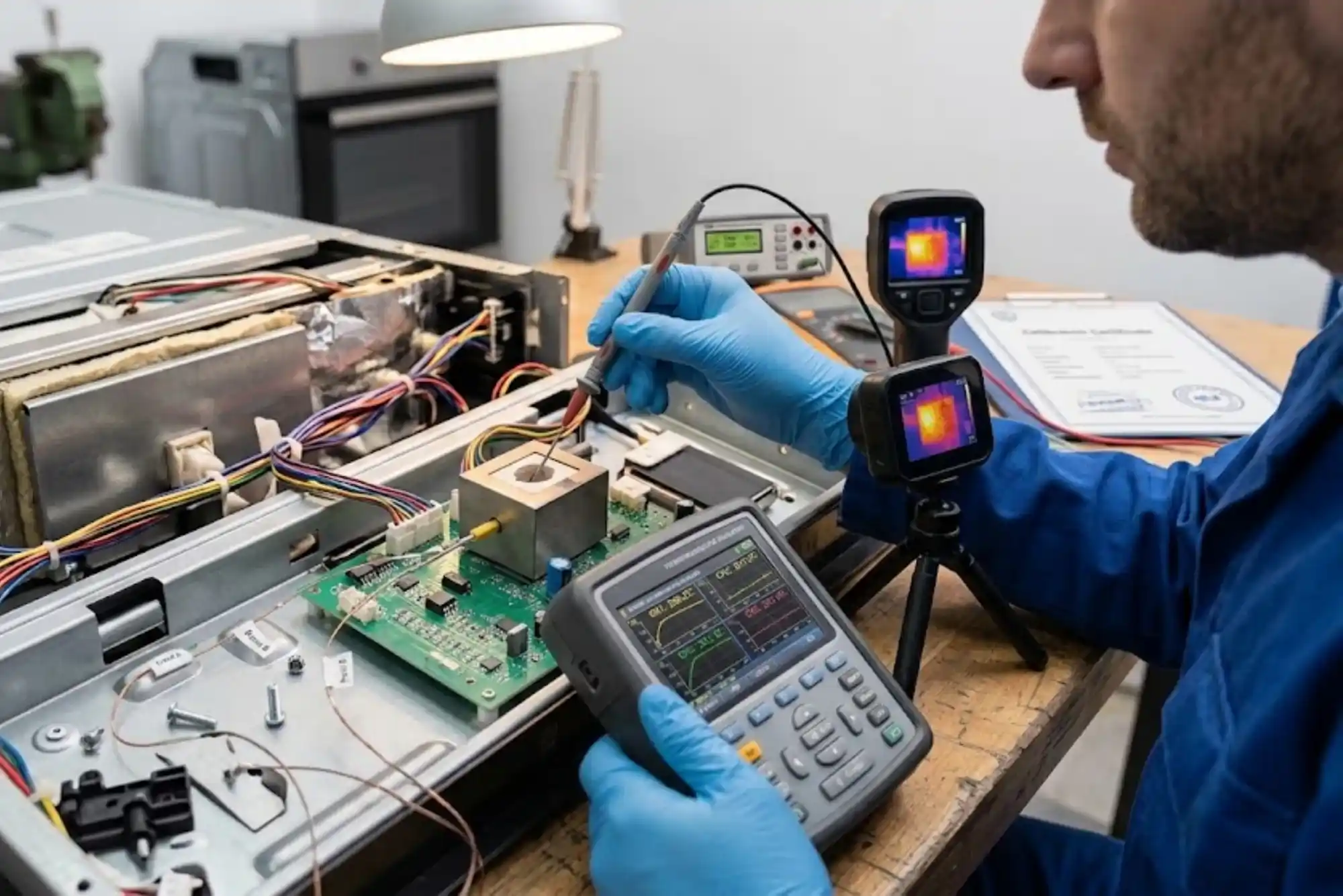
A professional fridge repair technician can accurately diagnose the problem. They use specialized instruments to test the compressor, thermostat, relay, and control board for faults. If a specific component has failed, the technician will replace it with a compatible part to restore full cooling function.
In addition to repairs, professionals check the refrigerant levels and ensure there are no leaks. Sometimes, the problem lies not with the electrical system but with the cooling gas or airflow. A trained repair specialist can detect and fix these issues safely and efficiently.
Preventive Measures to Avoid Cooling Problems
While power cuts cannot always be prevented, you can take certain precautions to minimize the damage they cause to your refrigerator. Always plug your fridge into a dedicated socket connected to a surge protector or stabilizer. This helps maintain consistent voltage levels and protects internal components.
It’s also helpful to keep your fridge clean and well-ventilated. The back of the fridge should have enough space for air to circulate, and condenser coils should be cleaned regularly. This allows the refrigerator to run more efficiently and prevents overheating after power restoration.
During prolonged power cuts, it’s advisable to unplug the fridge until the power supply stabilizes. Once power returns, wait at least 10 to 15 minutes before plugging it back in. This small step prevents electrical shocks and gives the compressor time to reset.
Regular maintenance from a professional service provider also goes a long way in keeping your appliance in top condition. Routine inspection helps identify early signs of damage and prevents expensive repairs in the future.
Understanding Compressor Behavior After Power Cuts
The compressor is the heart of your refrigerator, responsible for maintaining the desired temperature by circulating refrigerant. After a power outage, the compressor may not start immediately. This is a built-in delay that prevents motor burnout due to unstable voltage.
If the compressor does not start even after the delay, there might be an issue with its capacitor or start relay. In such cases, you may hear clicking sounds coming from the back of the fridge. These sounds indicate the compressor is trying to start but failing.
Professional fridge repair experts can check the electrical resistance and current flow to confirm whether the compressor is still functional. If it’s damaged, they will recommend a suitable replacement to restore cooling performance.
Long-Term Benefits of Timely Repairs
Delaying fridge repairs after a power-related malfunction can lead to higher electricity bills and possible food waste. A poorly functioning refrigerator consumes more energy because it runs continuously without achieving the desired cooling temperature. Over time, this constant strain can lead to compressor failure, which is one of the most expensive repairs.
Timely professional fridge repair ensures your appliance operates efficiently and prolongs its lifespan. It also helps maintain consistent temperature levels, preventing bacterial growth in food. Regular servicing not only saves energy but also adds years to the life of your refrigerator.
When to Consider Replacing the Fridge
In some cases, especially if your refrigerator is more than a decade old, repeated issues after power cuts may indicate that the appliance is nearing the end of its life. Older fridges are more vulnerable to voltage damage because their electrical systems lack modern surge protection.
If you find yourself scheduling frequent repairs, or if the cost of fixing the compressor or control board is too high, replacement may be a more economical choice. Newer models are more energy-efficient and come with built-in voltage protection, making them a smart investment for long-term use.
Final Thoughts
A fridge not cooling properly after a power cut can be a frustrating experience, but it’s usually a problem that can be resolved with the right steps and professional help. Whether it’s a compressor delay, a thermostat malfunction, or control board damage, expert fridge repair services can diagnose and fix the issue efficiently.
Power fluctuations are beyond your control, but protecting your refrigerator with a voltage stabilizer, performing regular maintenance, and calling for timely repairs can help you avoid future problems. With proper care and prompt attention, your fridge can continue to keep your food fresh and your home running smoothly, even after unexpected power interruptions.