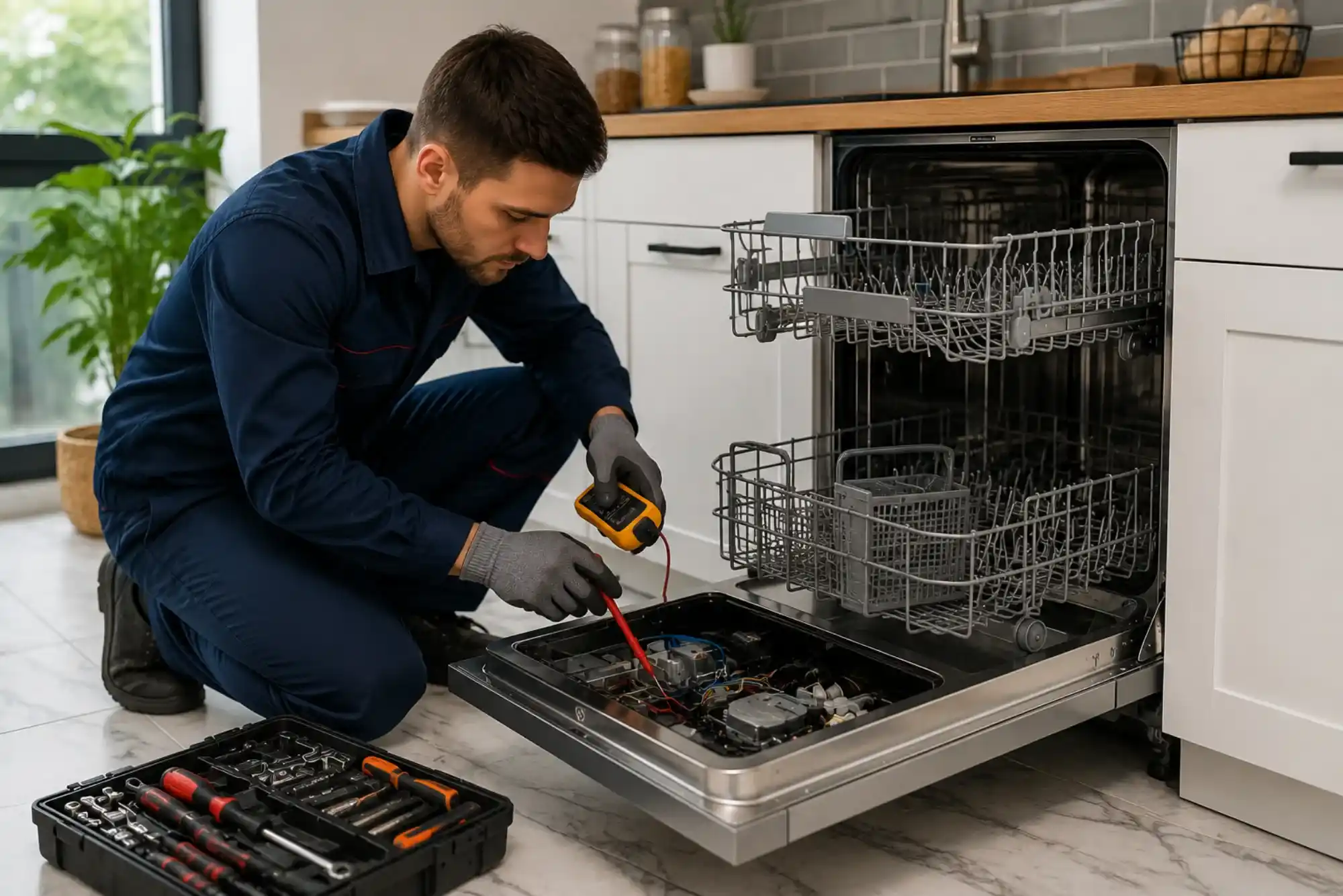
Modern dishwashers have transformed kitchen routines by providing convenience, efficiency, and consistent cleaning performance. However, like any complex household appliance, dishwashers can develop faults over time. While some issues are minor and easily resolved, others can lead to expensive repairs or complete appliance failure if not diagnosed early. Understanding expert dishwasher fault diagnosis techniques helps homeowners identify warning signs, make informed decisions, and maintain optimal appliance performance.
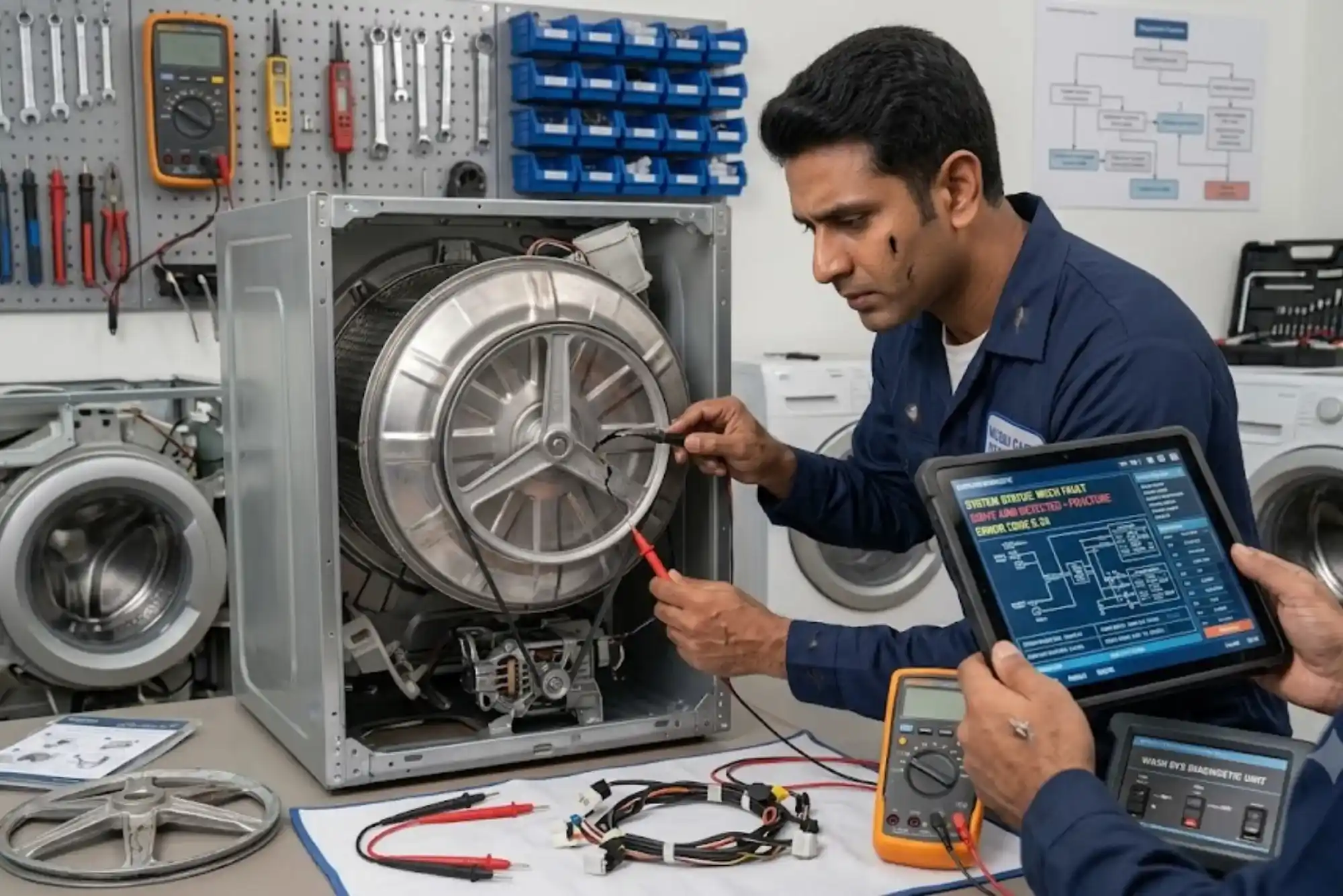
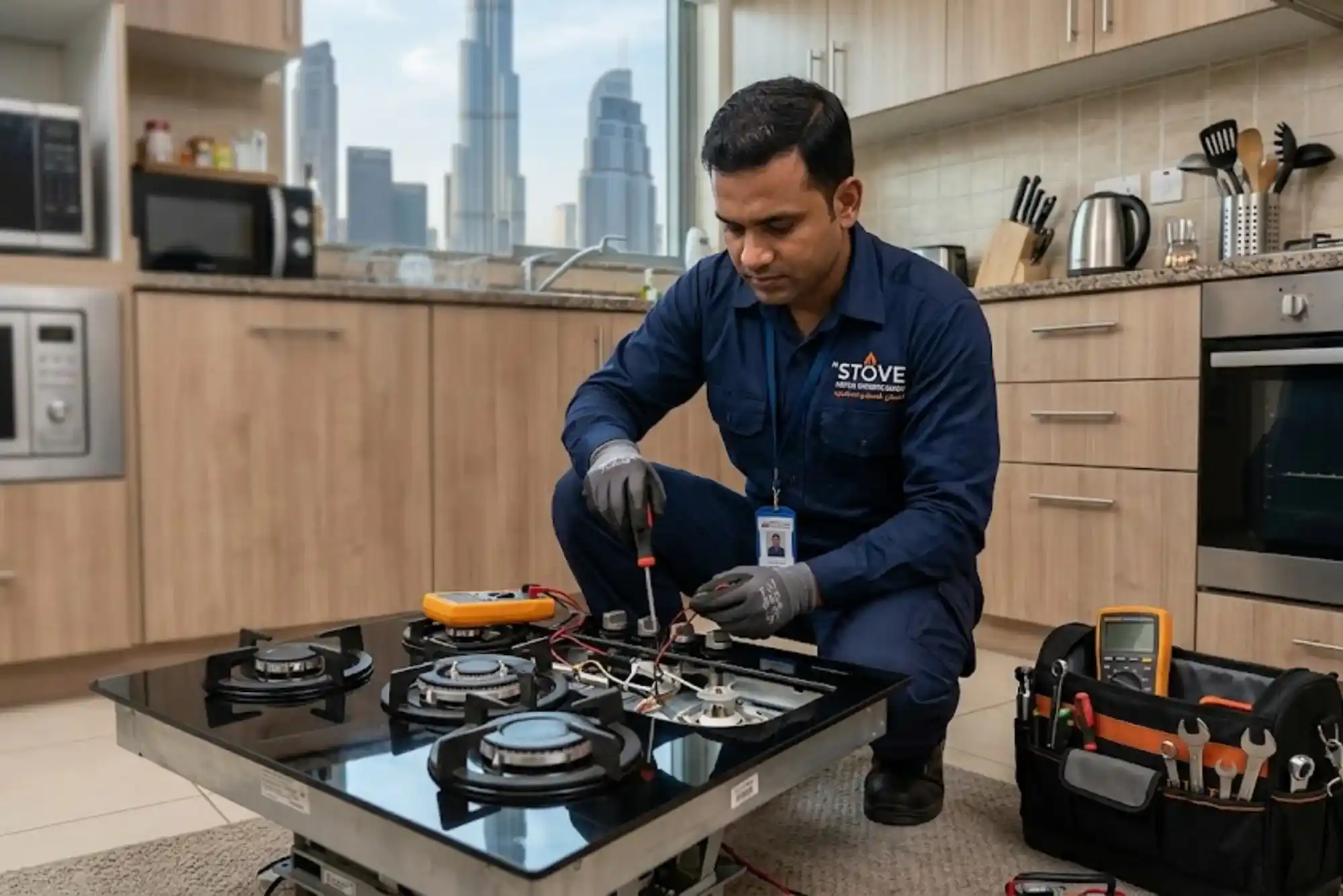
Professional technicians rely on systematic diagnostic procedures rather than guesswork. From electrical components and water supply systems to pumps, sensors, and control boards, every dishwasher component plays a critical role in overall functionality. Early fault detection not only extends appliance lifespan but also improves efficiency and reduces repair costs.
Why Accurate Dishwasher Fault Diagnosis Matters
Dishwasher problems rarely appear without warning. Most faults develop gradually, presenting subtle symptoms before progressing into significant failures. Accurate diagnosis allows homeowners and technicians to identify the root cause rather than merely treating symptoms.
Professional diagnosis provides several benefits:
- Prevents unnecessary component replacement
- Reduces overall repair expenses
- Improves appliance energy efficiency
- Extends dishwasher lifespan
- Minimizes unexpected breakdowns
- Ensures safe appliance operation
Many dishwasher issues share similar symptoms. For example, poor cleaning performance may result from blocked spray arms, low water temperature, circulation pump problems, or water pressure issues. Understanding these distinctions is essential for effective repair planning.
Common Signs Your Dishwasher Requires Professional Diagnosis
Several warning signs indicate that a dishwasher requires immediate inspection and troubleshooting. Ignoring these indicators often leads to more extensive and expensive repairs.

1. Dishwasher Stops During the Wash Cycle
Unexpected cycle interruptions often indicate electrical faults, control board issues, defective door latches, or sensor malfunctions. Homeowners experiencing repeated interruptions should investigate the cause promptly. Understanding why your dishwasher stops mid-cycle can help identify early warning signs before major component failure occurs.
2. Poor Cleaning Performance
When dishes remain dirty after washing, the problem may involve:
Blocked spray arms
Low water pressure
Faulty circulation pumps
Heating element problems
Incorrect detergent usage
Water inlet restrictions
3. Water Leakage
Dishwasher leaks can originate from door seals, internal hoses, drain pumps, or water inlet valves. Even small leaks can cause significant water damage over time. Professional diagnosis helps locate hidden leaks before structural damage occurs.
4. Unusual Noises
Grinding, rattling, buzzing, or humming sounds often indicate mechanical wear, foreign object obstruction, or motor-related issues requiring immediate inspection.
The Professional Dishwasher Diagnostic Process
Expert technicians follow a structured diagnostic process to identify faults accurately and efficiently.
| Diagnostic Area | Components Checked | Common Faults Found |
|---|---|---|
| Electrical System | Control board, wiring, switches | Power failures, short circuits |
| Water Supply | Inlet valve, pressure sensor | Low water flow, valve failure |
| Drainage System | Pump, filter, drain hose | Blockages, pump malfunction |
| Cleaning System | Spray arms, circulation pump | Poor cleaning performance |
| Safety Features | Flood switch, sensors | False safety shutdowns |
Diagnosing Water Supply Problems
Water supply issues represent one of the most common dishwasher faults. Insufficient water intake affects cleaning performance, detergent activation, and cycle completion.
Technicians typically inspect:
- Water inlet valves
- Water pressure levels
- Supply hoses
- Flow meters
- Pressure sensors
In many cases, replacing a faulty valve restores proper operation. Understanding procedures such as dishwasher water inlet valve replacement highlights the importance of proper component diagnosis.
Evaluating Dishwasher Safety Systems
Modern dishwashers contain multiple safety mechanisms designed to prevent flooding, electrical hazards, and mechanical failures. While these systems improve safety, they can also trigger false shutdowns when components malfunction.
Key safety components include:
- Flood switches
- Door lock sensors
- Pressure monitoring systems
- Water overflow protection devices
- Temperature sensors
Understanding the operation of anti-flood protection systems in dishwashers helps explain why some units unexpectedly stop operating despite having no visible leaks.
Diagnosing Drainage System Failures
Drainage problems frequently cause dishwasher malfunction complaints. Standing water at the bottom of the appliance usually indicates drainage system issues.
Common drainage faults include:
- Blocked drain filters
- Faulty drain pumps
- Clogged drain hoses
- Electrical pump failures
- Control board communication errors
Professional technicians use voltage testing equipment, resistance measurements, and visual inspections to isolate drainage faults accurately.
Motor and Pump Fault Diagnosis
The circulation motor and pump assembly represent the core operating mechanism of any dishwasher. These components are responsible for delivering water pressure throughout the cleaning cycle.
Symptoms of motor-related problems include:
Weak spray pressure
Incomplete cleaning cycles
Unusual operating sounds
Failure to start
Overheating shutdowns
Advanced diagnostic procedures often involve motor winding resistance testing, amperage measurements, and operational performance analysis.
Electronic Control Board Troubleshooting
Modern dishwashers rely heavily on electronic control boards that coordinate every stage of operation. Control board failures can produce confusing symptoms that mimic mechanical faults.
Common indicators of electronic problems include:
- Random cycle interruptions
- Error codes
- Buttons not responding
- Incorrect cycle sequencing
- Display malfunctions
Professional diagnosis typically requires specialized equipment and manufacturer service documentation to identify electronic component failures accurately.
Identifying Spray Arm and Water Distribution Problems
Effective cleaning depends on proper water distribution throughout the dishwasher interior. Spray arm faults often develop gradually and remain unnoticed until cleaning performance declines significantly.
Common spray system issues include:
- Blocked spray arm openings
- Cracked spray assemblies
- Low circulation pressure
- Improper arm rotation
- Mineral deposit accumulation
Regular inspections and maintenance help prevent these performance issues from developing into larger repair problems.
When Should Homeowners Call a Professional?
While basic maintenance tasks can be performed safely by homeowners, several symptoms require professional assessment:
- Electrical burning smells
- Repeated circuit breaker trips
- Persistent water leakage
- Control panel malfunctions
- Motor failure symptoms
- Repeated cycle interruptions
- Flood protection activation
Attempting complex repairs without proper training can create safety hazards and increase repair costs significantly.
Homeowners seeking professional assistance may benefit from consulting specialized dishwasher repair services that offer comprehensive diagnostics and repair solutions.
Preventive Maintenance and Early Fault Detection
Preventive maintenance remains one of the most effective strategies for avoiding expensive dishwasher repairs. Regular inspections and maintenance routines help identify developing issues before they become major failures.
Recommended maintenance practices include:
Cleaning filters monthly
Inspecting spray arms regularly
Checking door seals
Monitoring drainage performance
Inspecting water connections
Removing mineral deposits
Scheduling periodic professional inspections
Preventive care not only reduces repair costs but also improves energy efficiency and cleaning performance throughout the appliance’s service life.
Conclusion
Expert dishwasher fault diagnosis combines technical knowledge, systematic testing procedures, and practical experience to identify appliance problems accurately. Understanding common warning signs, system components, and diagnostic methods allows homeowners to respond proactively when issues arise.
Whether dealing with water supply problems, drainage failures, electrical faults, or control system errors, early diagnosis remains the key to preventing costly repairs and extending appliance lifespan. Professional troubleshooting ensures that underlying problems are identified correctly, helping households maintain reliable and efficient dishwasher performance for years to come.