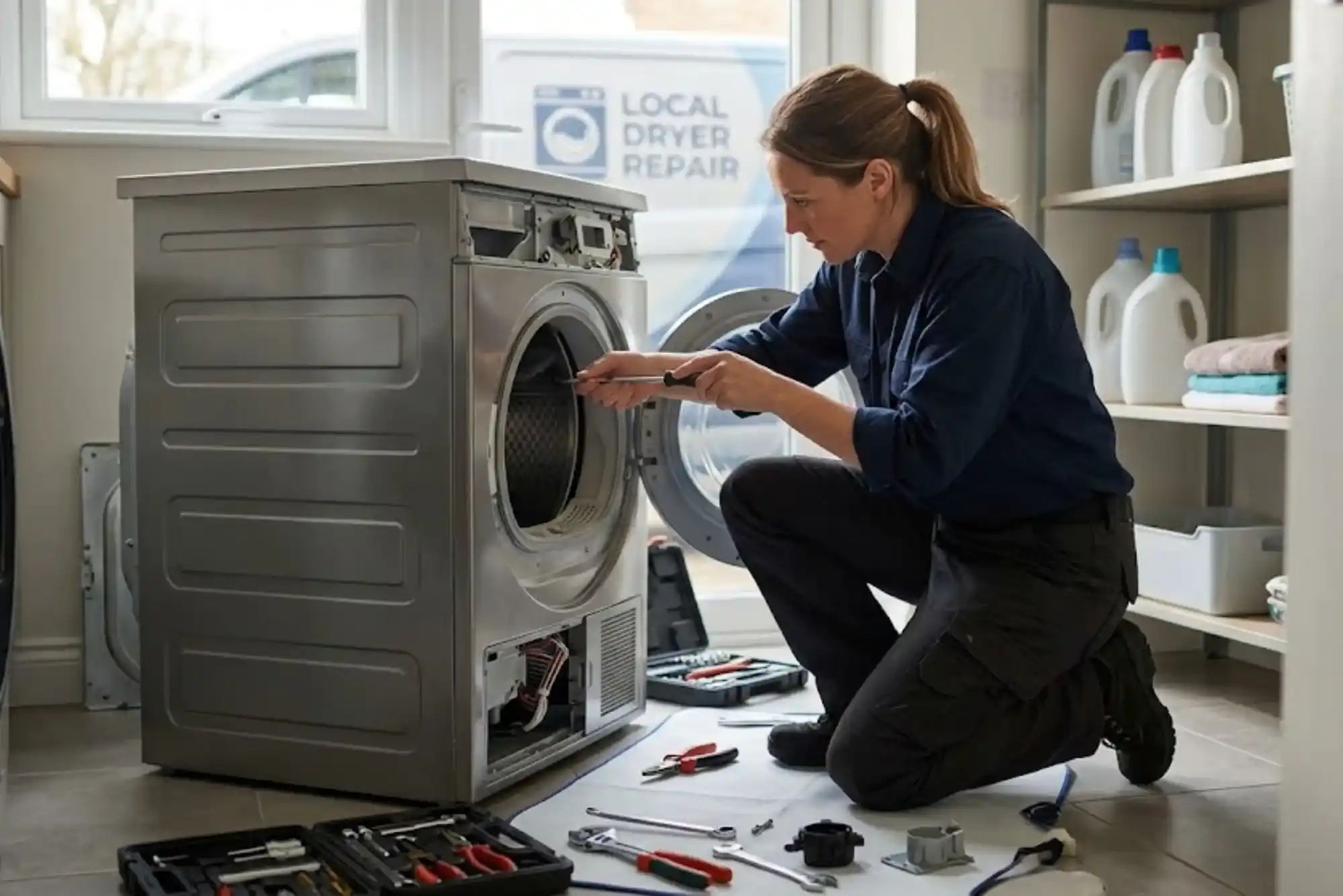
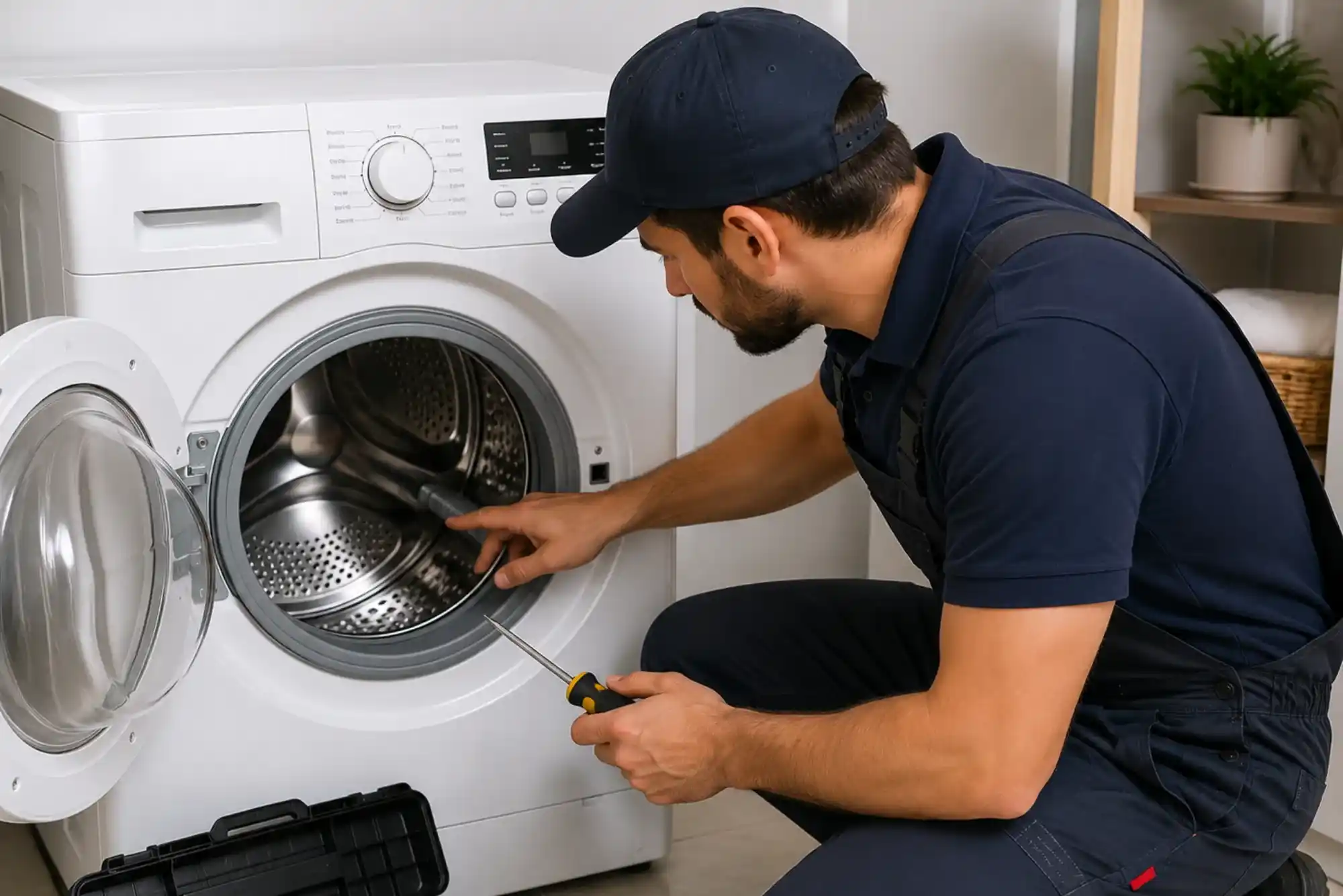
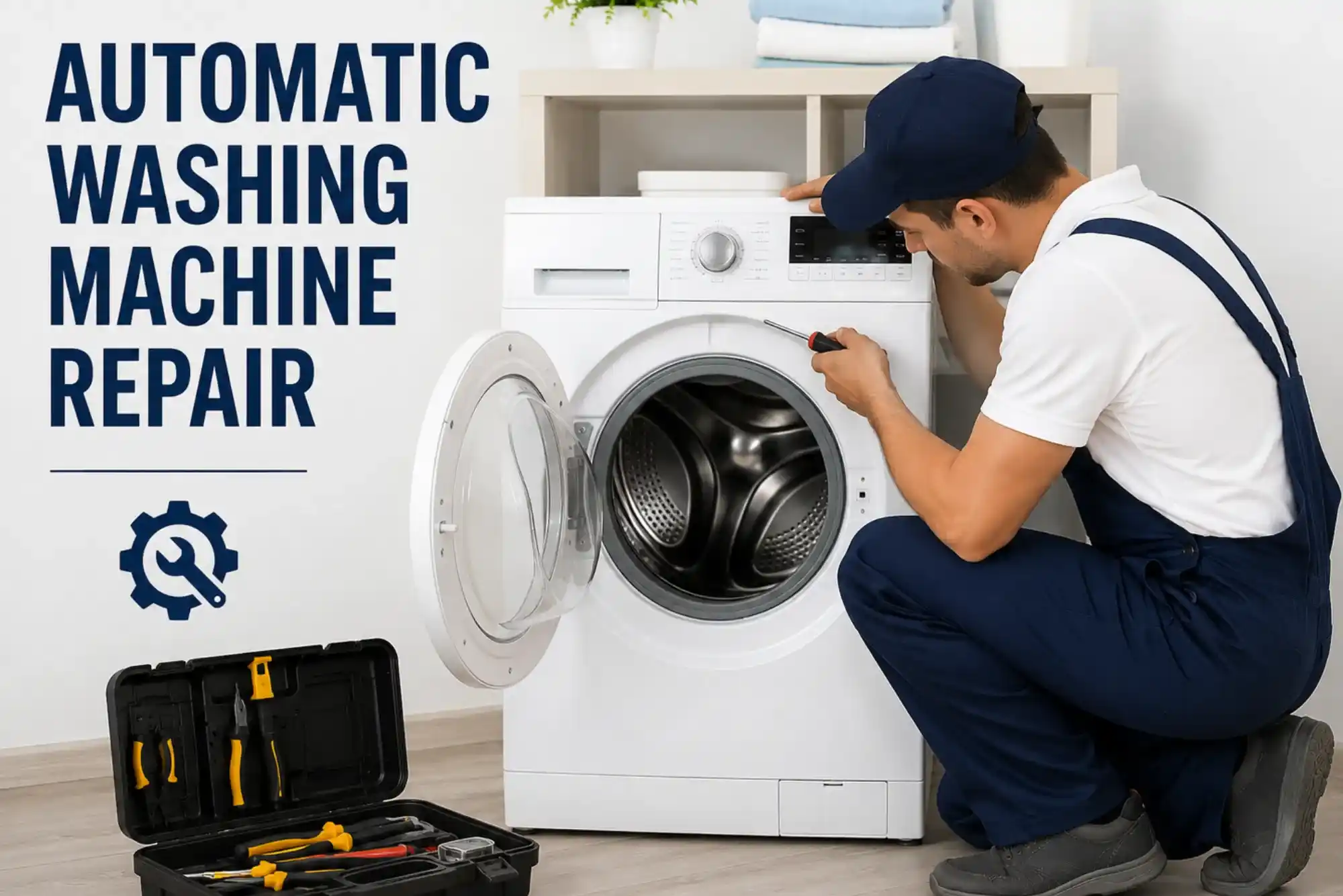
A washing machine that finishes its wash cycle but leaves water sitting inside the drum can quickly become frustrating. Besides delaying your laundry routine, standing water may create unpleasant odors, encourage mold growth, and even damage internal components if ignored for too long.
Fortunately, a draining problem does not always mean your appliance needs a replacement. Many drainage issues result from simple blockages, clogged filters, or minor maintenance concerns that homeowners can identify before calling a technician.
This guide explains the most common reasons a washing machine fails to drain, practical troubleshooting steps, preventive maintenance, and situations where professional repair becomes the safest solution.
Why Is Your Washing Machine Not Draining?
A washing machine removes dirty water using a drain pump, drain hose, and electronic control system. If any of these components become blocked or malfunction, water remains inside the drum.
The most common causes include:
- Blocked drain pump filter
- Kinked or clogged drain hose
- Foreign objects stuck inside the pump
- Faulty drain pump motor
- Broken lid switch or door lock
- Control board malfunction
- Incorrect installation
Quick Troubleshooting Checklist
| Problem | Possible Cause | Recommended Solution |
|---|---|---|
| Water remains in drum | Blocked drain filter | Clean filter thoroughly |
| Machine hums but won’t drain | Drain pump obstruction | Inspect and remove debris |
| Slow draining | Partially clogged drain hose | Flush or replace hose |
| No draining at all | Faulty drain pump | Professional diagnosis recommended |
| Error code appears | Electronic fault | Check manufacturer manual or technician |
Check the Drain Hose
The drain hose carries wastewater from the washer to your home’s plumbing system. Over time it can become twisted, crushed, or blocked by lint and detergent buildup.

Disconnect the machine safely and inspect the hose for visible bends or obstructions. Flush water through the hose if necessary to verify proper flow.
Clean the Drain Pump Filter
Most front-load washing machines include an accessible drain filter near the bottom front panel. Coins, hairpins, lint, fabric fibers, and buttons commonly collect here.
Before opening the filter:
- Turn off electrical power.
- Place towels beneath the access panel.
- Keep a shallow container nearby to collect remaining water.
Clean all debris before reinstalling the filter securely.
Routine maintenance like this helps prevent recurring drainage issues. Homeowners looking for additional maintenance advice can also read washing machine care recommendations for long-term appliance performance.
Inspect the Drain Pump
If cleaning the filter does not solve the issue, inspect the drain pump.
Small objects including:
- Coins
- Socks
- Hair clips
- Jewelry
- Fabric pieces
may jam the impeller and prevent water from draining efficiently.
If the pump produces loud grinding noises or fails to operate completely, replacement may be required.
Look for Error Codes
Modern washing machines use digital displays to identify drainage faults. Depending on the manufacturer, codes often indicate blocked pumps, water level sensor issues, or electronic control failures.
If your appliance displays an error, reviewing a dedicated guide such as common washing machine error codes can help narrow down the problem before repairs begin.
Check the Door Lock
Front-loading machines rely on a functioning door lock before beginning the drain and spin cycles.
If the lock mechanism fails, the control board may stop the cycle for safety reasons, leaving water inside the drum.
Symptoms include:
- Door remains locked
- Cycle stops unexpectedly
- Machine refuses to spin
- Water stays inside
Can You Fix It Yourself?
Some drainage issues are perfectly suitable for DIY maintenance.
Safe DIY Repairs
- Cleaning the drain filter
- Removing hose blockages
- Checking drain height
- Removing trapped debris
Professional Repairs
- Pump replacement
- Motor failure
- Electronic control board issues
- Wiring faults
- Pressure sensor replacement
If the problem continues after basic troubleshooting, scheduling a professional washing machine repair service can prevent further damage and ensure accurate diagnosis.
Common Mistakes That Cause Drain Problems
- Overloading the machine
- Using excessive detergent
- Ignoring routine filter cleaning
- Washing items without checking pockets
- Installing the drain hose incorrectly
- Skipping regular maintenance
Preventive Maintenance Tips
Simple maintenance habits greatly reduce the risk of drainage failures.
- Clean the drain filter every month.
- Inspect hoses every few months.
- Use the correct detergent type.
- Avoid washing overloaded loads.
- Leave the door open after each wash.
- Run a drum cleaning cycle periodically.
These small steps improve washing performance while extending the appliance’s lifespan.
When Should You Call a Technician?
Professional assistance becomes necessary when:
- The pump makes unusual noises.
- The washer repeatedly displays drain errors.
- Electrical components appear damaged.
- Water leaks from underneath the appliance.
- The machine still won’t drain after cleaning the filter and hose.
If your washer repeatedly experiences drainage failures, consulting specialists experienced in washing machine drainage problems can help identify deeper mechanical or electrical faults before they become more expensive repairs.
Final Thoughts
A washing machine that fails to drain is one of the most common household appliance issues, but it is often easier to diagnose than many homeowners expect. In many cases, cleaning a clogged filter or removing a blocked drain hose restores normal operation without major repairs.
However, persistent drainage problems should never be ignored. Timely troubleshooting and proper maintenance protect the drain pump, motor, and electronic controls while extending the overall life of your appliance. By following the steps outlined above and addressing small issues early, homeowners can avoid costly breakdowns and keep their laundry routine running efficiently.“`