Cooling systems operate under continuous pressure, especially during hot seasons. Over time, dust accumulation, airflow blockage, and refrigerant imbalance can reduce efficiency. Many users do not notice these small changes until the system starts performing poorly.
Regular maintenance ensures that filters are clean, coils are functioning properly, and airflow remains smooth. When all components are maintained correctly, the system consumes less energy and provides better cooling output. Cooling system maintenance experts focus on identifying early signs of wear and fixing them before they turn into major issues.
Preventive maintenance also helps extend the lifespan of the system, reducing the need for expensive replacements.
Common Problems in Cooling Systems
Cooling systems can develop several issues depending on usage and environmental conditions. One of the most common problems is weak cooling performance, where the system runs continuously but fails to reach the desired temperature. This is often caused by dirty filters or low refrigerant levels.
Another frequent issue is unusual noise from the unit. This may indicate loose mechanical parts or fan problems. Water leakage is also common, usually caused by clogged drainage lines or frozen coils.
Electrical issues such as sudden shutdowns or tripping breakers are more serious and require professional attention. Cooling system maintenance experts are trained to diagnose these problems accurately and provide effective solutions.

Causes Behind Cooling System Failures
Most cooling system failures develop gradually due to lack of maintenance. Dust and dirt buildup is one of the main causes of reduced airflow and efficiency. When filters and coils are blocked, the system has to work harder, increasing energy consumption and wear.
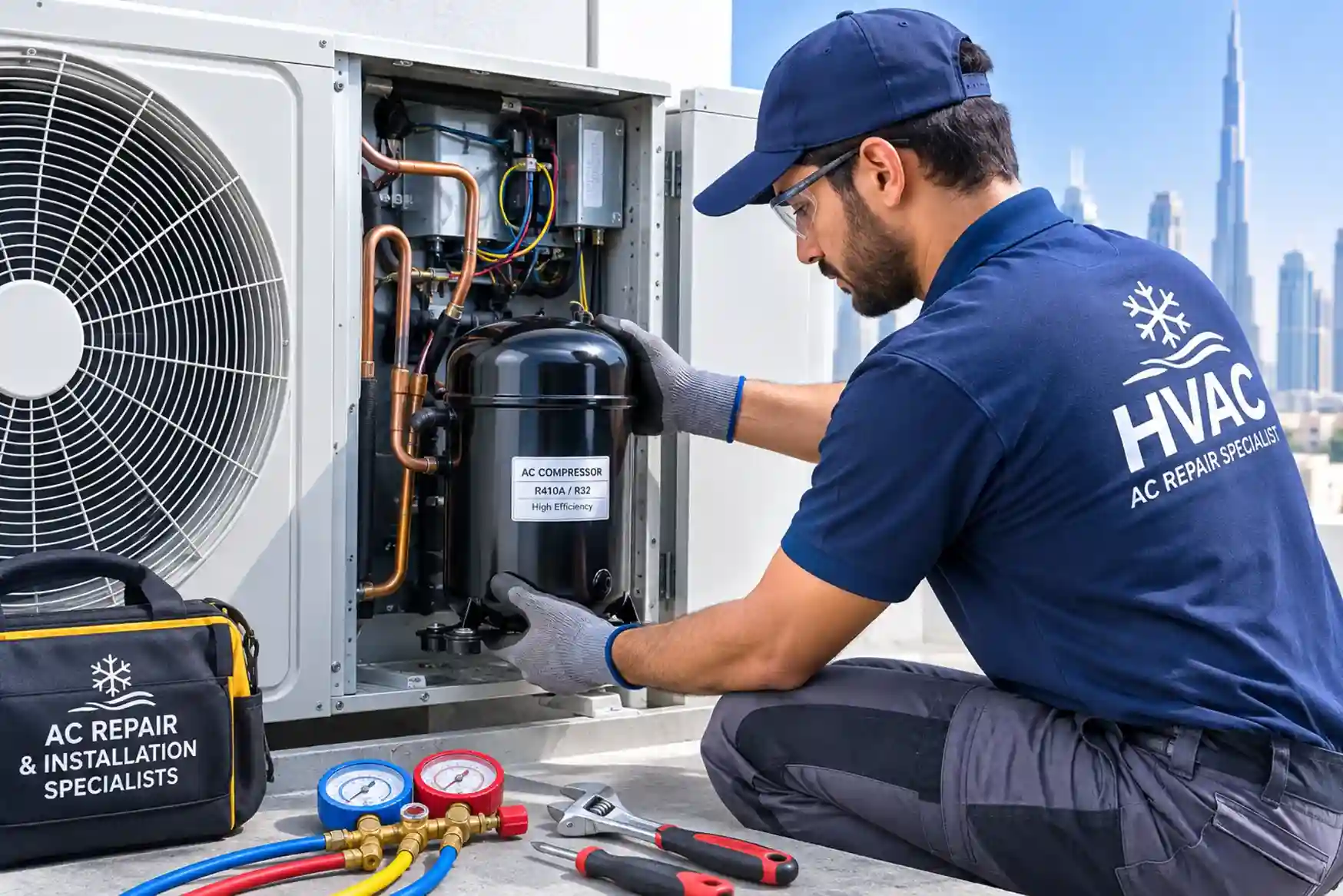
Refrigerant leaks also play a major role in system failure. Low refrigerant reduces cooling capacity and can damage the compressor if ignored. Electrical fluctuations can harm sensitive components like sensors and control boards.
Humidity and moisture exposure can lead to corrosion, affecting long-term performance. Regular servicing helps prevent these issues and ensures smooth operation.
Cooling System Repair and Maintenance Cost Overview
The cost of cooling system maintenance depends on the type of service, system size, and severity of the issue. Basic inspection and cleaning are usually affordable and help prevent larger problems.
Service Type | Estimated Cost
Basic Inspection and Cleaning | Low to Moderate
Filter and Coil Cleaning | Moderate
Refrigerant Refill | Moderate to High
Electrical Repairs | Moderate to High
Compressor Repair | High
Costs vary depending on brand, system age, and urgency. Emergency repairs may cost more due to immediate technician availability. In some cases, replacing parts may be more cost-effective than repeated repairs.
When to Repair vs Replace Cooling Systems
Deciding whether to repair or replace a cooling system depends on its age and condition. If the system is relatively new and the issue is minor, repair is usually the best option. However, older systems that require frequent repairs may be better replaced.
Systems older than 8–10 years often consume more energy and deliver lower efficiency. In such cases, replacement with a modern energy-efficient unit can save money in the long run.
Cooling system maintenance experts evaluate performance, repair history, and energy usage before recommending the best solution.
Professional Cooling System Maintenance Services
Professional maintenance involves a complete inspection of the system, including filters, coils, refrigerant levels, and electrical connections. Technicians also test airflow and calibrate thermostats for accurate temperature control.
Preventive maintenance plans help reduce unexpected breakdowns and ensure consistent performance. Unlike temporary fixes, professional services focus on long-term reliability.
Cooling system maintenance experts ensure that every component is working efficiently and safely, reducing the chances of future failures.
At https://albarouda.ae/, professional HVAC services are designed to improve system performance and extend lifespan.
DIY Maintenance Tips for Homeowners
While professional servicing is essential, homeowners can also perform simple maintenance tasks. Cleaning or replacing air filters regularly helps maintain airflow and reduces strain on the system.
Keeping outdoor units free from dust, leaves, and debris ensures proper ventilation. Indoor vents should also remain unblocked for smooth air circulation.
However, technical repairs such as refrigerant handling or electrical work should always be left to professionals to avoid safety risks.
Benefits of Regular Cooling System Maintenance
Regular maintenance provides long-term benefits that go beyond cooling performance. It improves energy efficiency, reduces electricity bills, and prevents unexpected breakdowns.
A well-maintained system also improves indoor air quality by reducing dust and allergens. This creates a healthier and more comfortable environment.
Benefits include improved cooling efficiency, lower energy consumption, longer system lifespan, reduced repair costs, and better air quality. Preventive maintenance is always more cost-effective than emergency repairs.
Choosing the Right Cooling System Experts
Selecting the right service provider is important for ensuring quality results. Experienced cooling system maintenance experts provide accurate diagnosis, transparent service, and long-term solutions.
They not only fix existing issues but also help prevent future problems through regular inspections. This ensures maximum efficiency and reliability.
At https://albarouda.ae/, customers can access professional HVAC services designed for both residential and commercial needs. Skilled technicians ensure that systems remain in top condition throughout the year.
Conclusion
Cooling systems are essential for maintaining comfort in hot climates, but they require regular care to function efficiently. Without proper maintenance, performance declines and energy costs increase.
Cooling system maintenance experts play a crucial role in ensuring systems operate smoothly, efficiently, and safely. Through preventive maintenance and professional repair, they help extend system lifespan and improve performance.
Related Reading: Washer Maintenance Experts
Related Reading: Residential Air Conditioning Repair And Maintenance Experts