Refrigerators are one of the most essential appliances in modern homes and commercial kitchens. They play a critical role in preserving food, maintaining hygiene, and ensuring daily convenience. However, when a refrigerator begins to show temperature-related problems, it can quickly become a major concern. A common issue faced by many households is the Hitachi fridge temperature problem, where the appliance fails to maintain the correct cooling level. This issue can lead to spoiled food, increased electricity consumption, and reduced appliance efficiency.
Temperature fluctuations in refrigerators can occur due to several mechanical, electrical, or environmental reasons. While some issues may appear minor at first, they can quickly escalate if not addressed properly. Professional fridge repair services are usually required to identify the root cause and restore optimal cooling performance. Understanding the possible causes behind temperature problems can help homeowners recognize early warning signs and seek timely repair solutions.
This article provides a comprehensive overview of Hitachi fridge temperature problems, their causes, and how professional fridge repair technicians resolve these issues effectively.
Understanding the Importance of Proper Refrigerator Temperature
Maintaining the correct temperature inside a refrigerator is essential for food safety and appliance performance. Refrigerators are designed to keep food fresh by maintaining a stable internal temperature that prevents bacterial growth and preserves ingredients for longer periods.
When a refrigerator fails to maintain consistent cooling, the entire food preservation process is compromised. Food items such as dairy products, meat, and vegetables may spoil quickly. In addition, fluctuating temperatures can cause condensation, frost buildup, and unpleasant odors inside the fridge compartment.
A properly functioning refrigerator relies on a complex system of compressors, sensors, fans, and cooling coils. If any component fails or operates inefficiently, the temperature balance can be disrupted. This is why professional fridge repair services are essential when dealing with persistent temperature problems.

Common Signs of Hitachi Fridge Temperature Problems
Many users notice temperature issues only after food begins to spoil or the refrigerator stops cooling effectively. However, several warning signs can indicate a developing problem. For instance, the refrigerator may feel warmer than usual even when the temperature setting remains unchanged. In other cases, the freezer may continue working while the refrigerator compartment loses cooling.
Another common symptom is uneven cooling, where some areas of the fridge become extremely cold while others remain warm. Ice buildup around vents or the freezer section can also signal airflow problems affecting temperature distribution.
Some refrigerators may also produce unusual sounds or run continuously without reaching the desired cooling level. These symptoms often indicate underlying mechanical or electrical faults that require professional fridge repair intervention.
Faulty Thermostat and Temperature Control System
One of the most common reasons behind a Hitachi fridge temperature problem is a malfunctioning thermostat or temperature control system. The thermostat is responsible for monitoring the internal temperature and signaling the compressor when cooling is required.
If the thermostat fails to detect temperature changes accurately, the compressor may not activate when necessary. As a result, the refrigerator may remain warmer than normal, even when the temperature setting appears correct.
In modern refrigerators, digital control boards and sensors regulate the cooling cycle. If these electronic components malfunction, the refrigerator may experience irregular cooling patterns. Professional fridge repair technicians typically perform diagnostic tests to determine whether the thermostat or control board needs calibration or replacement.
Compressor Performance Issues
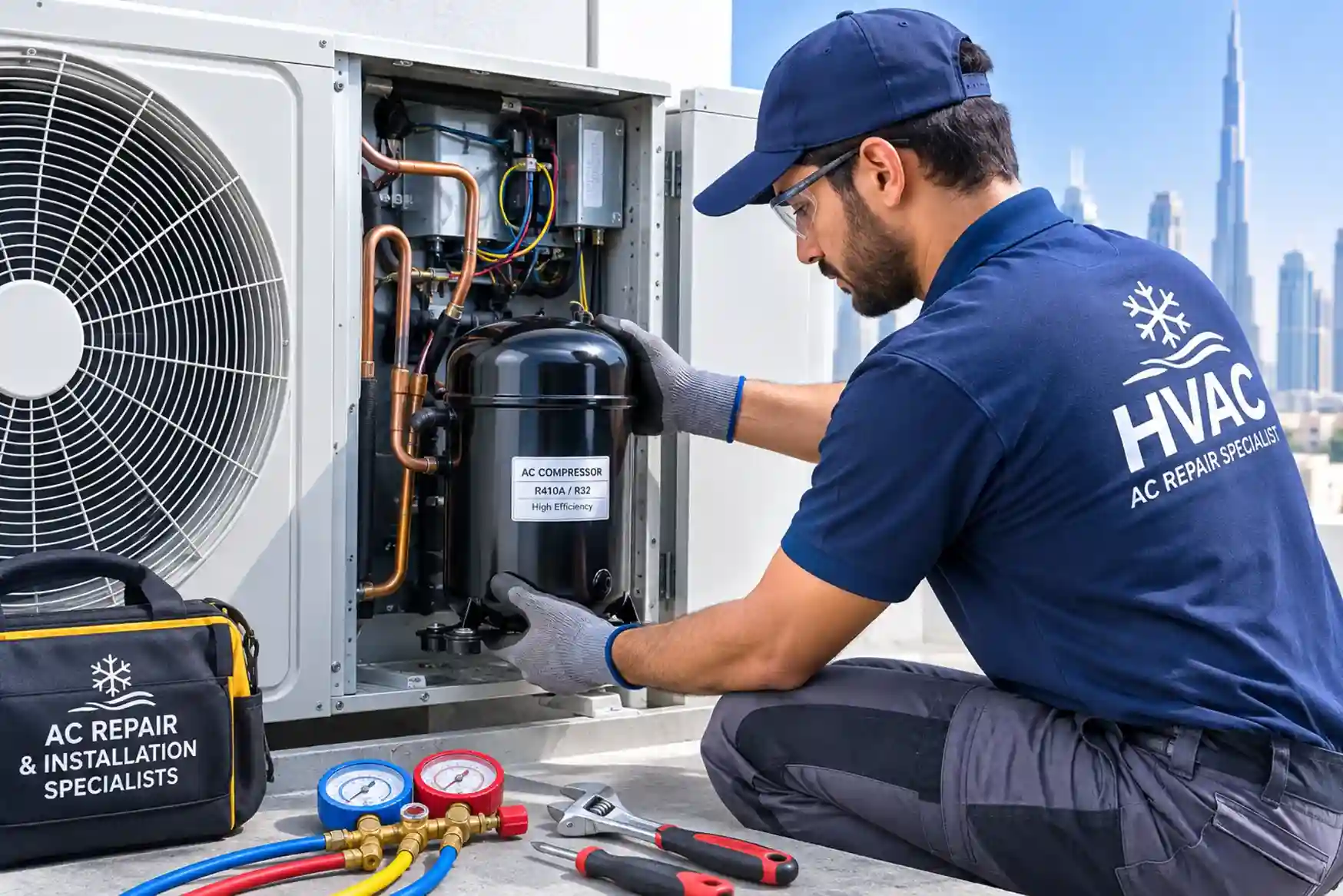
The compressor is the heart of a refrigerator’s cooling system. It circulates refrigerant through the cooling coils and maintains the internal temperature by compressing and expanding the refrigerant gas.
If the compressor becomes weak or fails to operate efficiently, the refrigerator may struggle to maintain proper cooling levels. A failing compressor may run continuously without achieving the desired temperature, causing both cooling problems and higher electricity consumption.
In some cases, compressor overheating or internal mechanical damage may also occur. These situations require immediate attention from experienced fridge repair professionals who can assess the compressor condition and determine whether repair or replacement is necessary.
Blocked Airflow and Cooling Circulation Problems
Air circulation plays a crucial role in maintaining balanced cooling throughout the refrigerator. Cold air generated in the freezer compartment is distributed to the refrigerator section through air vents and circulation fans.
If these vents become blocked by food items, ice buildup, or debris, airflow may become restricted. This can result in uneven cooling, where certain areas of the fridge remain warm while others become excessively cold.
Similarly, a faulty evaporator fan can disrupt air circulation within the appliance. When the fan stops working properly, cold air may not reach the refrigerator compartment effectively.
Professional fridge repair technicians typically inspect airflow channels, clean vents, and test fan motors to restore proper cooling distribution.
Defrost System Malfunctions
The defrost system in a refrigerator prevents ice accumulation on the evaporator coils. It consists of components such as the defrost heater, defrost thermostat, and defrost timer or control board.
If the defrost system fails, ice may gradually build up around the cooling coils. This ice layer restricts airflow and prevents efficient heat exchange, leading to temperature problems in the refrigerator compartment.
Over time, excessive frost buildup can severely impact cooling performance. Professional fridge repair specialists identify the faulty defrost component and replace it to restore the normal defrost cycle.
Refrigerant Leakage and Cooling Efficiency
Refrigerant is the chemical compound responsible for absorbing and releasing heat inside the refrigerator cooling system. If the refrigerant level drops due to leakage or system damage, the refrigerator may lose its cooling ability.
Refrigerant leaks often develop slowly, making them difficult to detect without professional inspection. Symptoms may include weak cooling, longer compressor running cycles, and gradually rising temperatures inside the fridge.
Handling refrigerant requires specialized equipment and technical expertise. Professional fridge repair services use advanced tools to detect leaks, seal damaged sections, and recharge the system with the correct refrigerant amount.
Environmental and Installation Factors
Sometimes refrigerator temperature problems are not caused by internal mechanical faults but by environmental conditions or improper installation. For example, placing a refrigerator in a location with high ambient temperature can reduce its cooling efficiency.
Similarly, inadequate ventilation around the appliance may cause the compressor to overheat, affecting its ability to maintain stable cooling. Refrigerators require sufficient space around the sides and back to allow proper airflow for heat dissipation.
Incorrect temperature settings or frequent door openings can also contribute to cooling problems. Professional fridge repair technicians often evaluate installation conditions and recommend adjustments that improve appliance performance.
Importance of Professional Fridge Repair Services
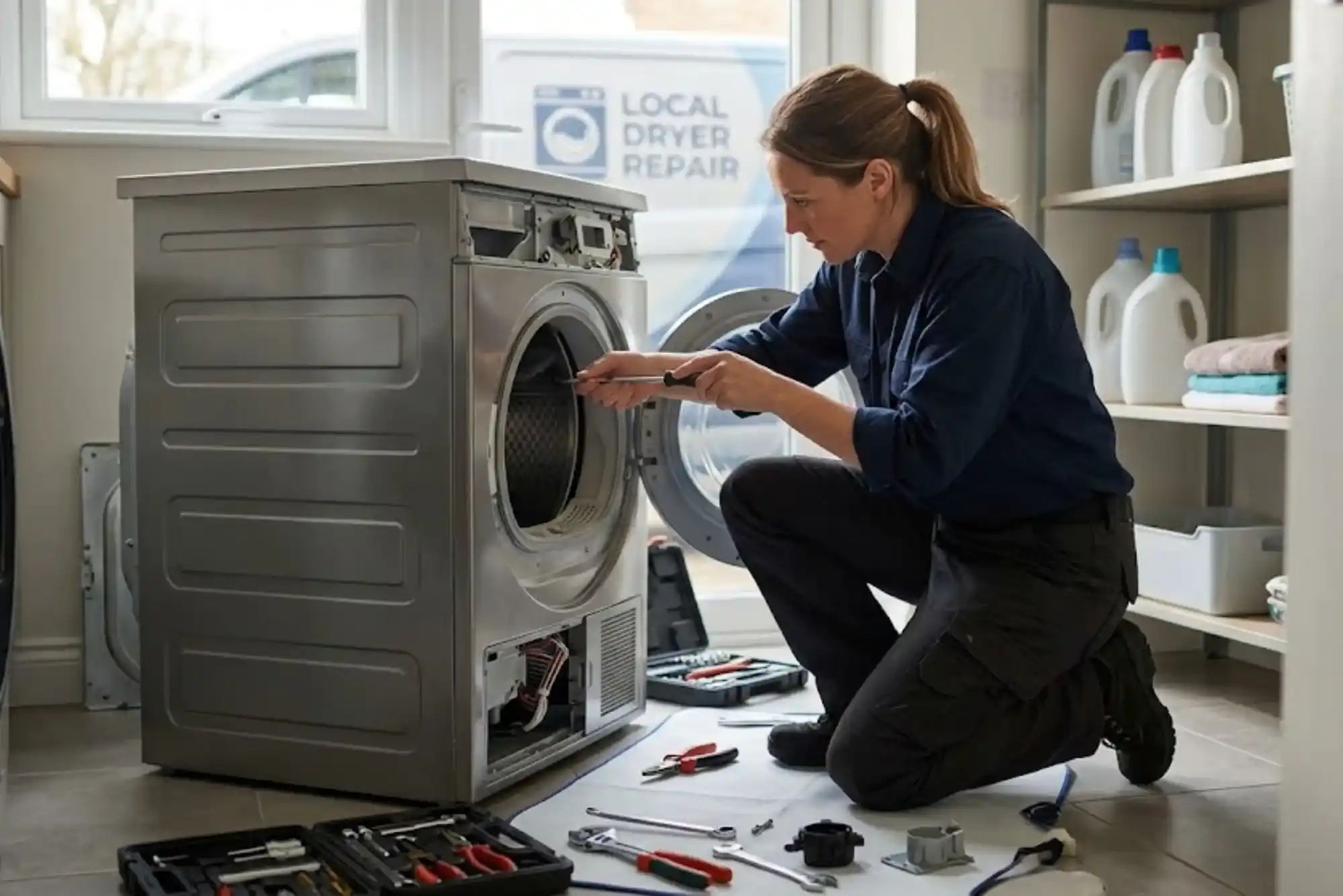
When dealing with refrigerator temperature problems, professional assistance is essential. Modern refrigerators contain complex electronic systems and sealed cooling components that require specialized knowledge to diagnose and repair.
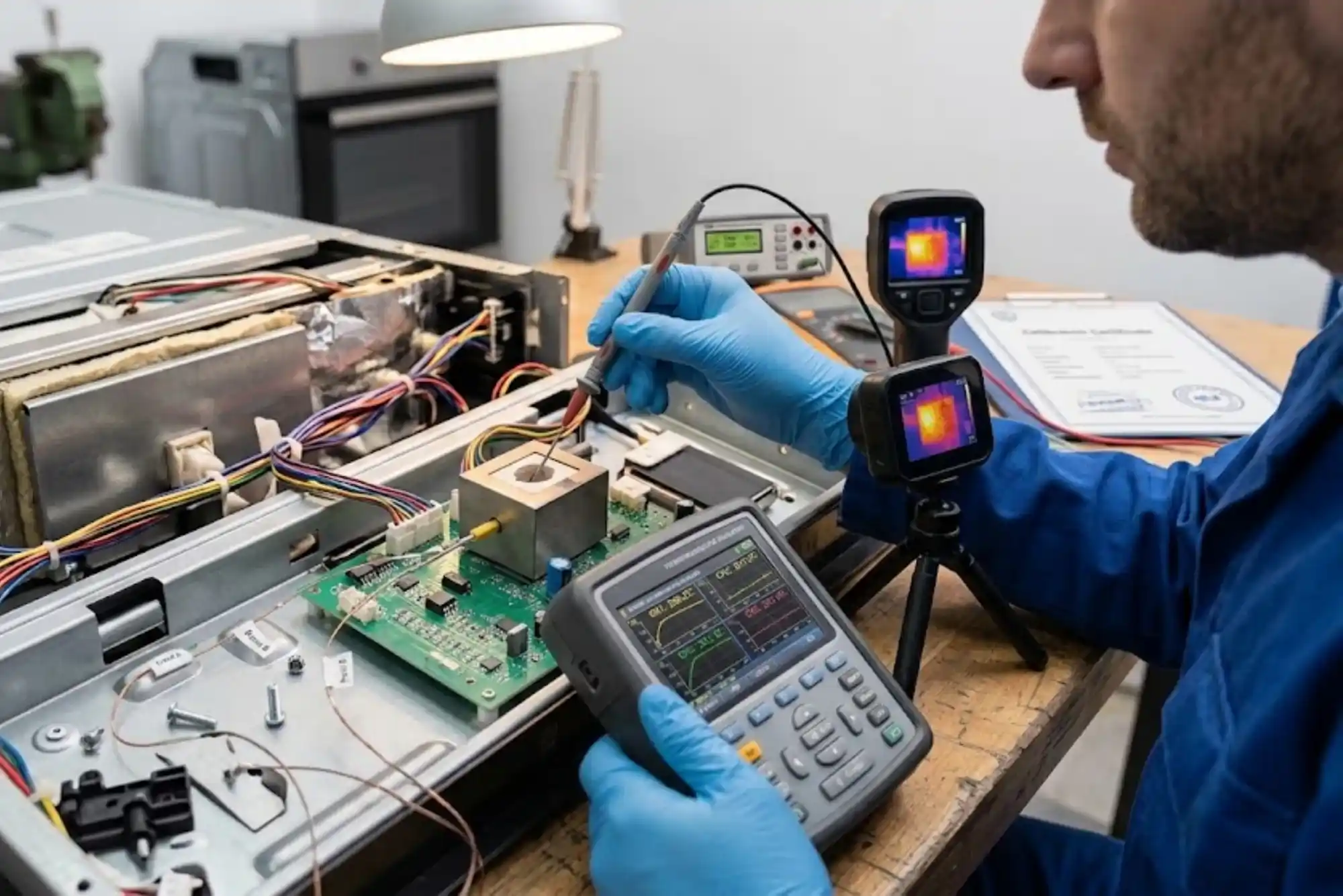
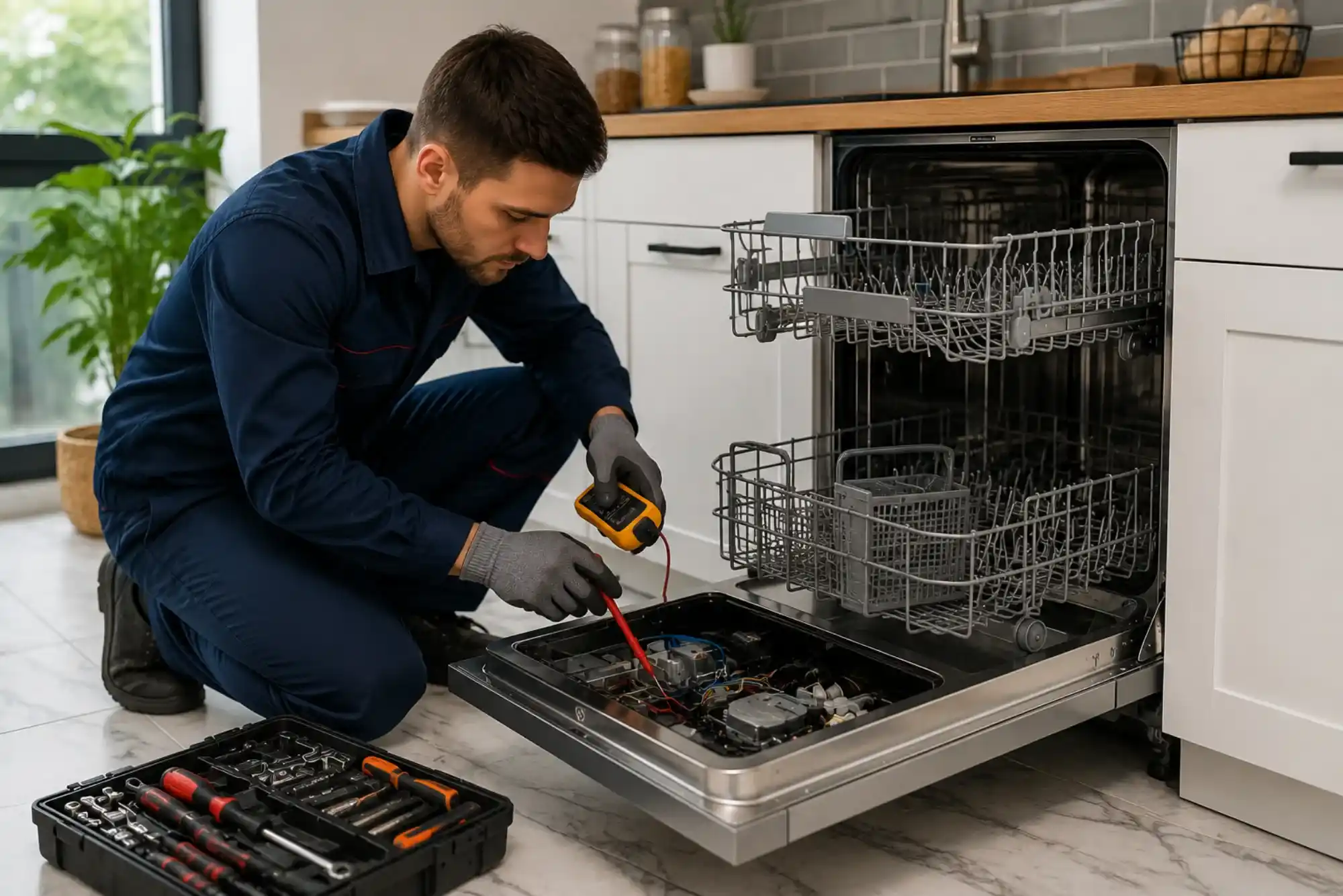
Professional fridge repair technicians use advanced diagnostic tools to identify faults accurately. They can test electrical components, inspect cooling circuits, and analyze compressor performance without causing further damage to the appliance.
Another advantage of professional repair services is long-term reliability. Proper repairs not only resolve the current temperature issue but also help prevent future breakdowns. Skilled technicians ensure that all components operate correctly and that the refrigerator maintains stable cooling conditions.
Preventive Maintenance for Refrigerator Efficiency
Preventive maintenance plays a significant role in avoiding refrigerator temperature problems. Regular cleaning of condenser coils, checking door seals, and ensuring proper ventilation can significantly improve appliance performance.
Homeowners should also avoid overloading the refrigerator with food items, as this can restrict airflow and reduce cooling efficiency. Maintaining the correct temperature settings and ensuring that doors close properly are simple practices that contribute to long-term reliability.
Professional fridge repair technicians often recommend periodic inspections to identify potential issues before they become serious problems. Preventive maintenance helps extend the lifespan of the appliance and ensures consistent cooling performance.
A Hitachi fridge temperature problem can disrupt daily life and lead to food spoilage if not addressed promptly. These issues may arise from faulty thermostats, compressor malfunctions, airflow restrictions, defrost system failures, or refrigerant leaks. Environmental conditions and installation factors can also influence refrigerator performance.
Because refrigerators rely on complex mechanical and electronic systems, professional fridge repair services are the most reliable way to diagnose and resolve temperature-related problems. Experienced technicians can identify the root cause, perform precise repairs, and restore the appliance’s cooling efficiency.