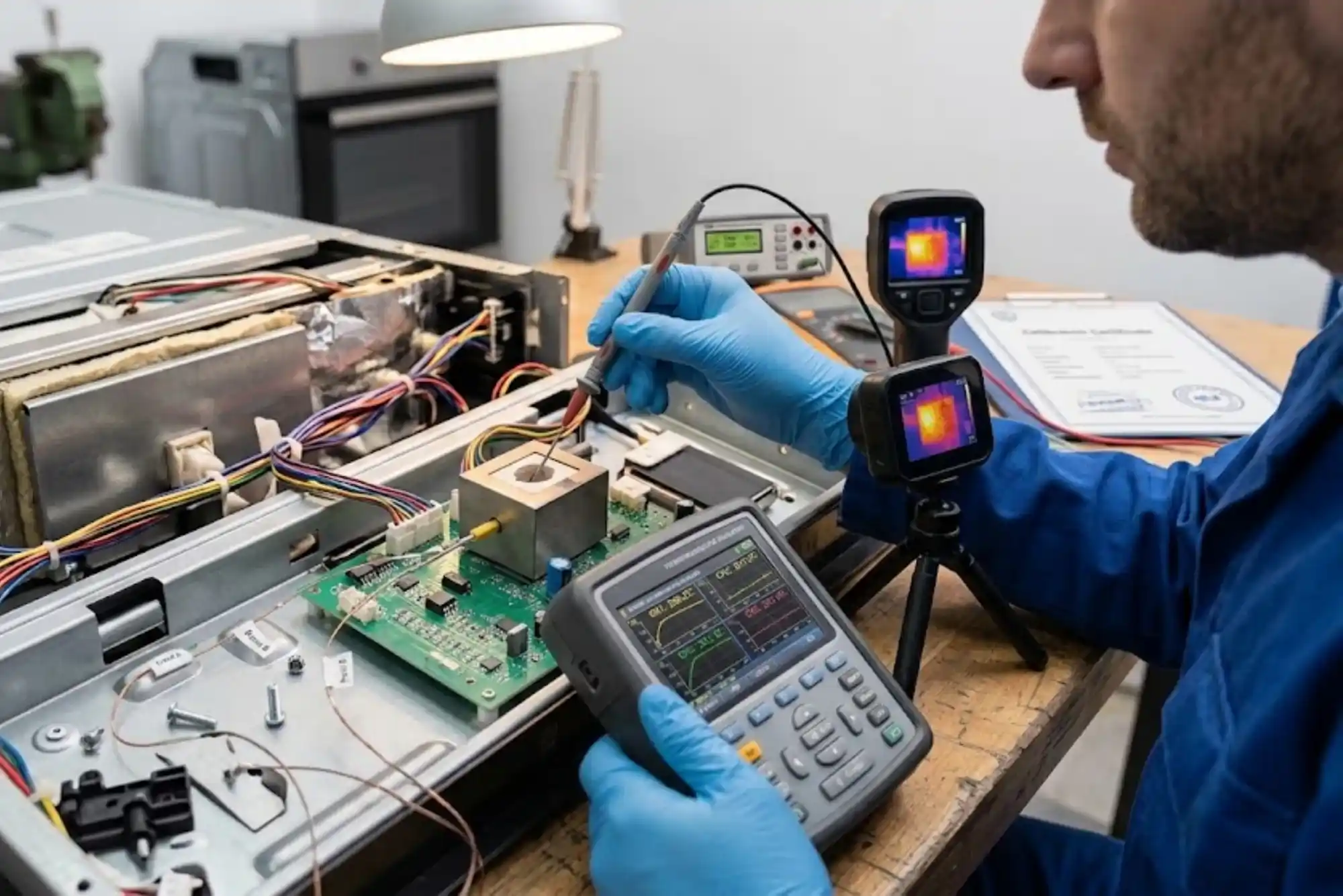
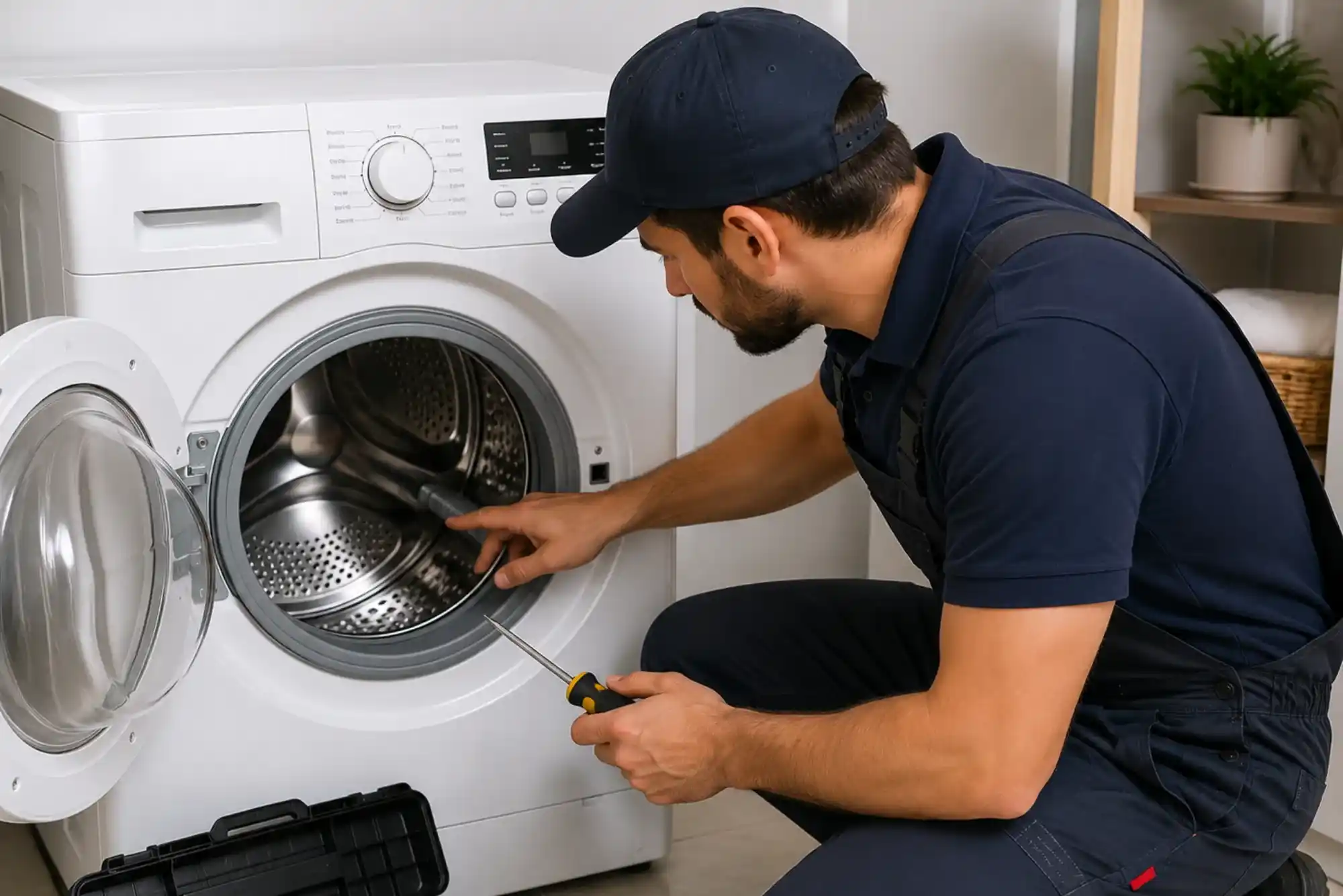
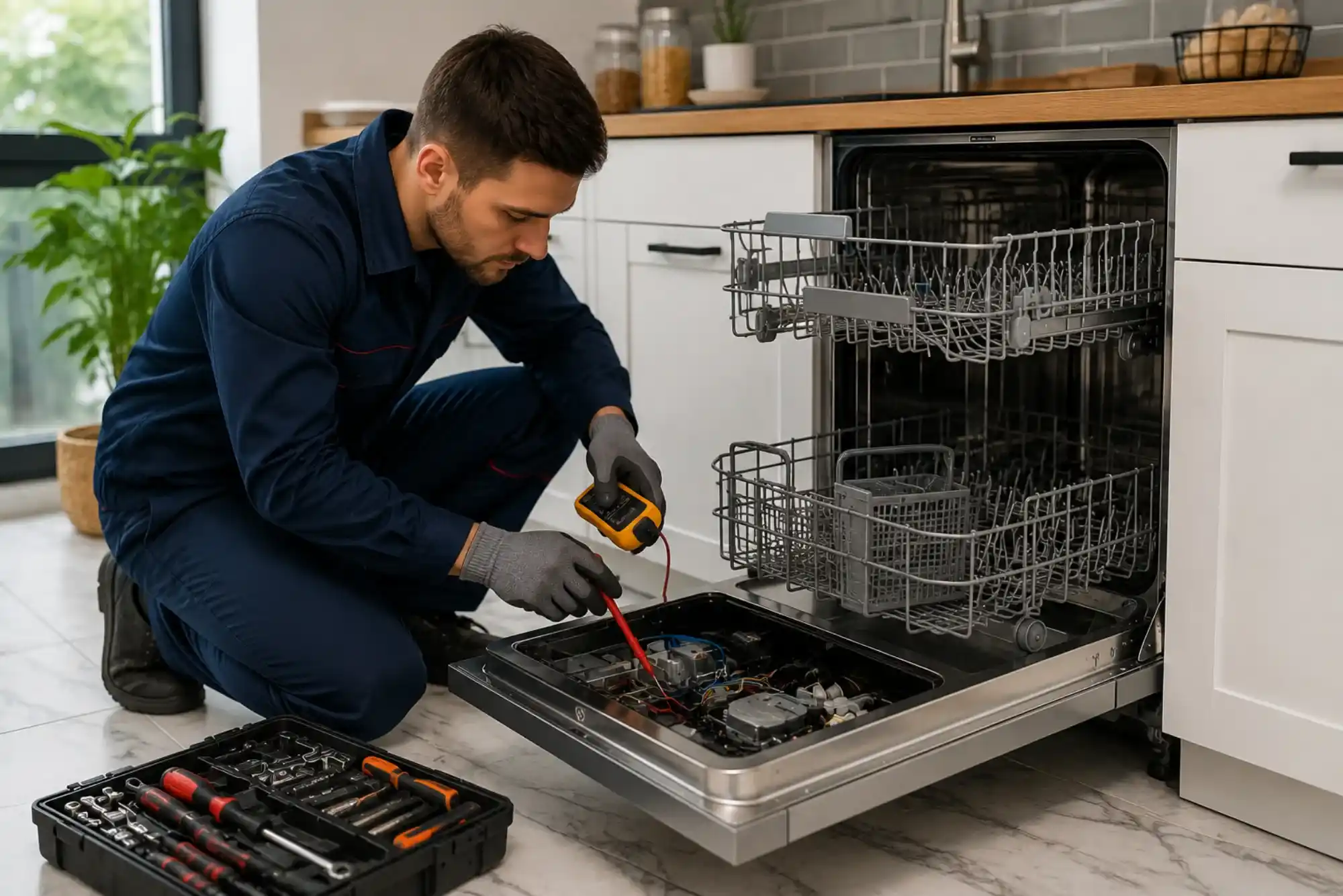
Dryers are essential appliances in modern homes and commercial laundries. They provide convenience and efficiency by quickly drying clothes after washing. However, like any mechanical appliance, dryers can develop technical issues over time. When problems arise, professional technicians often need to access the internal components of the machine. One of the most common procedures during dryer repair is the removal of the dryer cabinet panel.
Dryer cabinet panel removal allows technicians to inspect, diagnose, and repair critical internal parts such as heating elements, belts, motors, thermostats, sensors, and drum assemblies. Without removing the cabinet panel, accessing these components would be impossible. For this reason, understanding how the cabinet structure works is an important part of professional appliance servicing.
In modern dryer designs, manufacturers construct cabinets to protect internal components while still allowing service technicians controlled access. The cabinet panels act as protective shells that keep internal parts safe from dust, damage, and accidental contact. When dryer repair becomes necessary, removing these panels carefully ensures the appliance can be serviced without causing further damage.
Structure and Design of a Dryer Cabinet
A dryer cabinet is designed with multiple panels that create the outer body of the appliance. These panels include the front panel, rear panel, top panel, and side panels. Each section is connected through screws, clips, or locking mechanisms depending on the manufacturer and model design.
The cabinet structure is engineered to provide durability and stability during the dryer’s operation. Since dryers generate heat, vibration, and airflow during the drying cycle, the cabinet panels must remain firmly secured. At the same time, manufacturers design these panels in a way that trained technicians can remove them when performing dryer repair.
Inside the cabinet, important components such as the drum, blower housing, heating system, and electrical wiring are installed. The cabinet not only protects these parts but also directs airflow through the drying system. Proper airflow is essential because it allows heat to circulate efficiently and remove moisture from clothing.

Because the cabinet structure plays an important role in the dryer’s operation, technicians must handle panel removal carefully during service procedures.
Common Situations Requiring Dryer Cabinet Panel Removal
Dryer cabinet panel removal is not performed randomly. Professional technicians open the cabinet only when a detailed inspection or repair is required. Many common dryer issues require internal access, which means the cabinet must be opened.
For example, when a dryer stops producing heat, the technician may need to inspect the heating element or thermostat. When the drum stops rotating, internal components such as the drive belt or motor may require examination. Unusual noises during operation can also indicate worn rollers or damaged drum supports, which are located inside the cabinet.
Airflow problems are another reason for cabinet access. Blocked lint pathways or damaged blower components can reduce dryer efficiency and even create safety risks. In such cases, dryer repair technicians open the cabinet to inspect airflow channels and remove lint buildup.
Electrical problems may also require cabinet removal. Internal wiring, control boards, and sensors are often hidden behind cabinet panels. Accessing these components allows technicians to test connections and restore proper functionality.
Safety Considerations Before Cabinet Removal
Safety is one of the most important aspects of any dryer repair procedure. Before removing a cabinet panel, technicians take several precautions to ensure the appliance can be serviced safely.
First, the dryer must be completely disconnected from its power source. Electric dryers are unplugged from the electrical outlet, while gas dryers require both electrical disconnection and gas supply shutdown. This step prevents accidental electric shock or gas leakage during the repair process.
Technicians also ensure the dryer has cooled down completely before opening the cabinet. Dryers operate at high temperatures, and internal parts can remain hot for some time after the cycle ends. Allowing the appliance to cool reduces the risk of burns or equipment damage.
Another safety consideration involves proper handling of sharp metal edges. Dryer cabinets are usually made of sheet metal, and panel edges can sometimes be sharp. Professional technicians use proper tools and protective equipment to safely remove panels without injury.
These safety practices ensure that the dryer repair process is completed without unnecessary risks.
Professional Approach to Dryer Cabinet Panel Removal
Removing the cabinet panel of a dryer requires technical knowledge and an understanding of the appliance’s design. Each dryer model may have a slightly different cabinet structure, which means technicians must follow the correct procedure for that specific appliance.
In many dryers, the top panel is the first section removed. This panel often provides access to screws or clips that hold the front panel in place. Once the top is lifted or detached, the technician can proceed with removing additional panels.
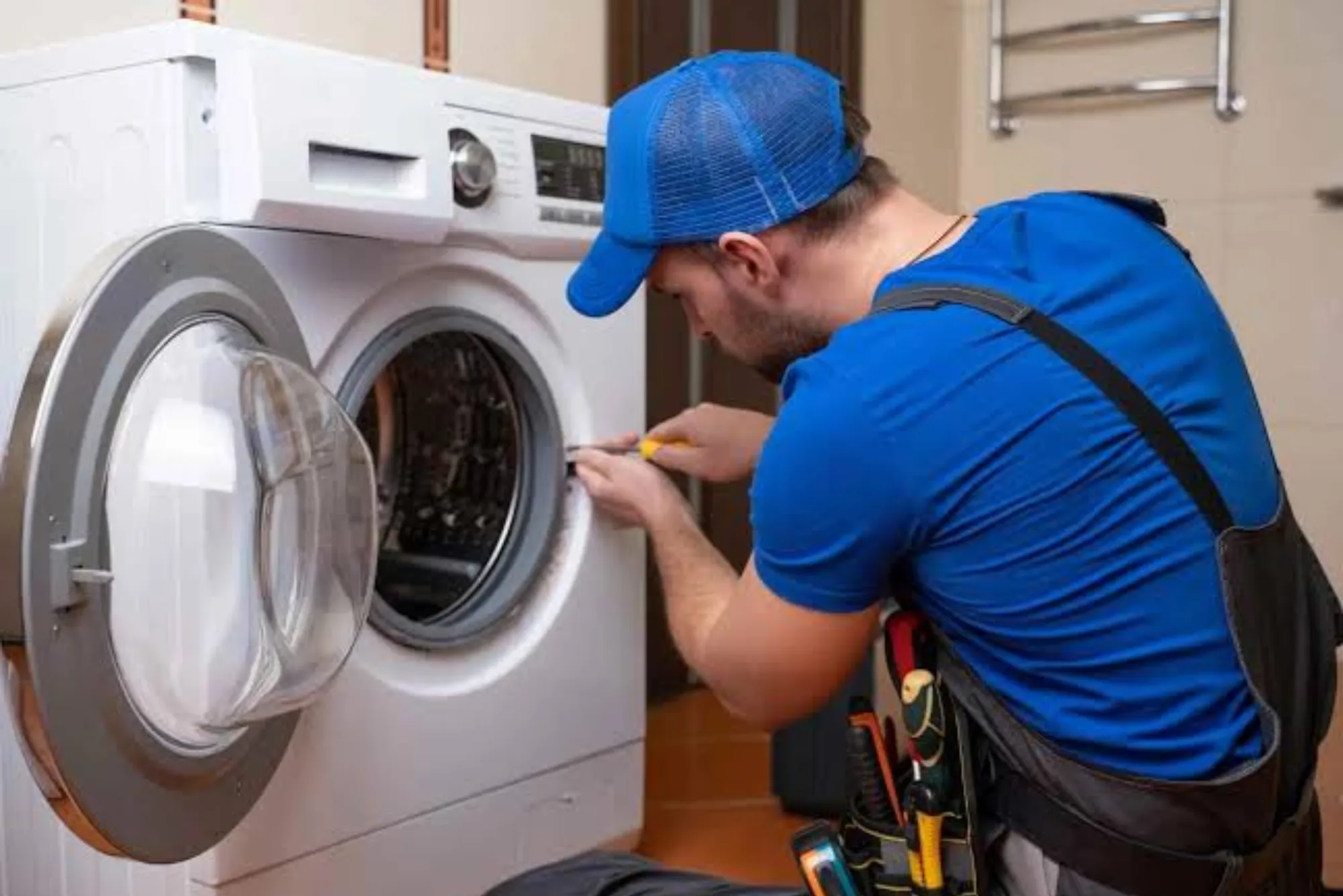
The front panel typically houses the dryer door and door switch assembly. After removing the necessary fasteners, technicians carefully detach this panel to expose the drum and internal mechanical components. This stage of dryer repair allows access to belts, rollers, and motor systems.
Side panels or rear panels may also be removed depending on the repair requirement. Some internal components are easier to reach from the back of the machine, especially in certain dryer models. Technicians determine the best access point based on the repair task they need to perform.
Throughout this process, all screws and fasteners are carefully stored so they can be reinstalled during reassembly.
Inspecting Internal Dryer Components
Once the cabinet panel has been removed, technicians can inspect the internal structure of the dryer. This inspection phase is critical for identifying the root cause of the appliance malfunction.
The drum assembly is one of the first components examined. The drum must rotate smoothly and remain properly supported by rollers or glides. If these parts show signs of wear, they can cause noise or inefficient drying.
The drive belt is another key component inside the cabinet. This belt connects the drum to the motor, allowing the drum to spin during operation. A damaged or broken belt will prevent the dryer from tumbling clothes effectively.
Heating components are also inspected during dryer repair. Electric dryers contain heating elements, while gas dryers use burners and ignition systems. If these components fail, the dryer will not produce enough heat to dry clothing properly.
Technicians also examine the blower housing, which moves hot air through the drum and out through the vent system. Proper airflow is necessary for efficient drying and preventing overheating.
Reassembling the Dryer Cabinet After Repair
After the necessary repair work has been completed, technicians begin the reassembly process. This stage is just as important as the panel removal process because the cabinet must be restored to its original secure condition.
Each panel is carefully repositioned and aligned with the dryer’s frame. Screws and fasteners are reinstalled in their original positions to ensure the cabinet remains stable during operation. Proper alignment also ensures that the dryer door closes correctly and seals tightly.
During reassembly, technicians verify that internal wires and components are not obstructed or pinched by cabinet panels. Careful inspection ensures that the dryer will operate safely once power is restored.
After the cabinet is fully reassembled, the dryer is tested to confirm that the repair was successful. The appliance is powered on, and technicians observe the drum rotation, heating function, and airflow performance.
Importance of Professional Dryer Repair Services
Although dryer cabinet panel removal may appear straightforward, it requires professional expertise. Modern dryers include complex electrical systems, heating elements, sensors, and mechanical components that must be handled correctly.
Improper panel removal can damage internal wiring, misalign the drum, or create airflow problems that reduce dryer efficiency. For this reason, professional dryer repair technicians follow manufacturer guidelines and use specialized tools to complete the repair safely.
Professional servicing also ensures that potential issues are identified early. During cabinet inspection, technicians can detect worn parts before they lead to larger mechanical failures. This proactive approach helps extend the lifespan of the appliance.
Homeowners and businesses benefit from professional dryer repair because it restores performance, improves safety, and prevents costly replacements.
Dryer cabinet panel removal is a critical step in professional dryer repair. It provides technicians with access to the internal components responsible for heating, airflow, and drum movement. By carefully removing and reinstalling cabinet panels, repair specialists can diagnose problems accurately and restore the appliance to proper working condition.
Understanding the structure and purpose of dryer cabinet panels highlights the importance of proper servicing techniques. Dryers are complex machines, and accessing their internal systems requires skill, attention to safety, and technical expertise.
Related Reading: Dryer Exhaust Vent Flap — full guide
Related Reading: Buying a Launderette Business in the UAE: What Buyers Should Check Before Making an Offer