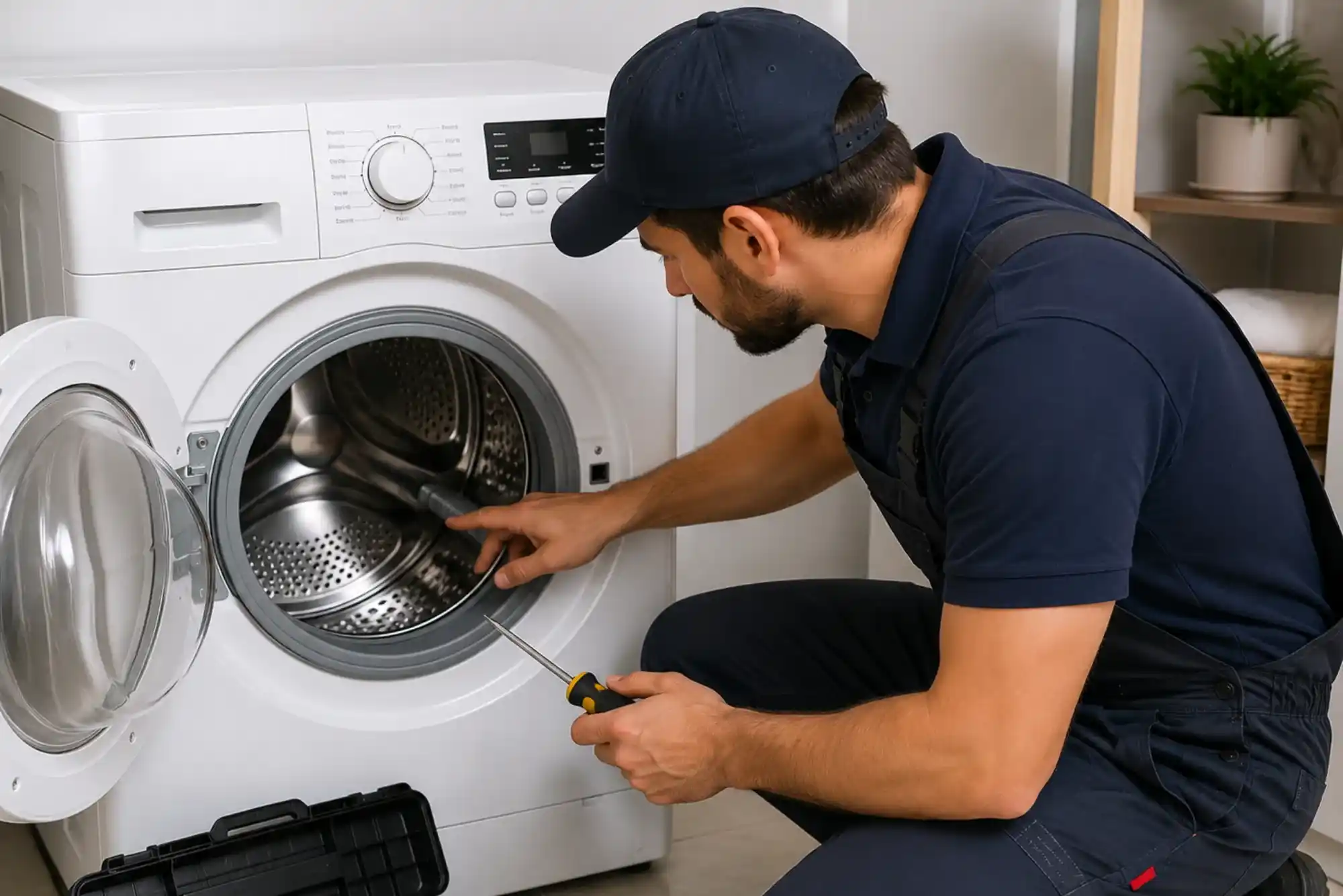
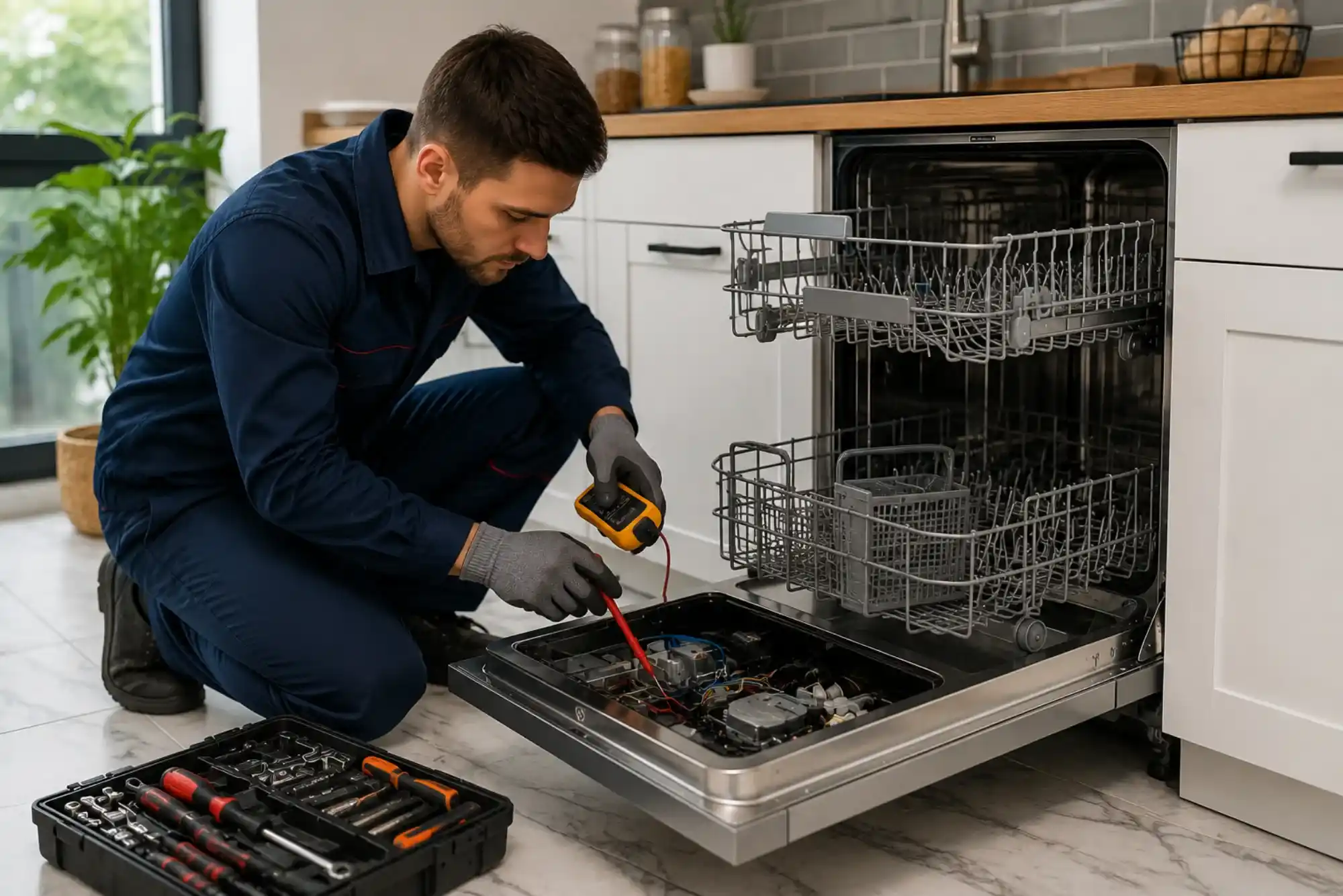
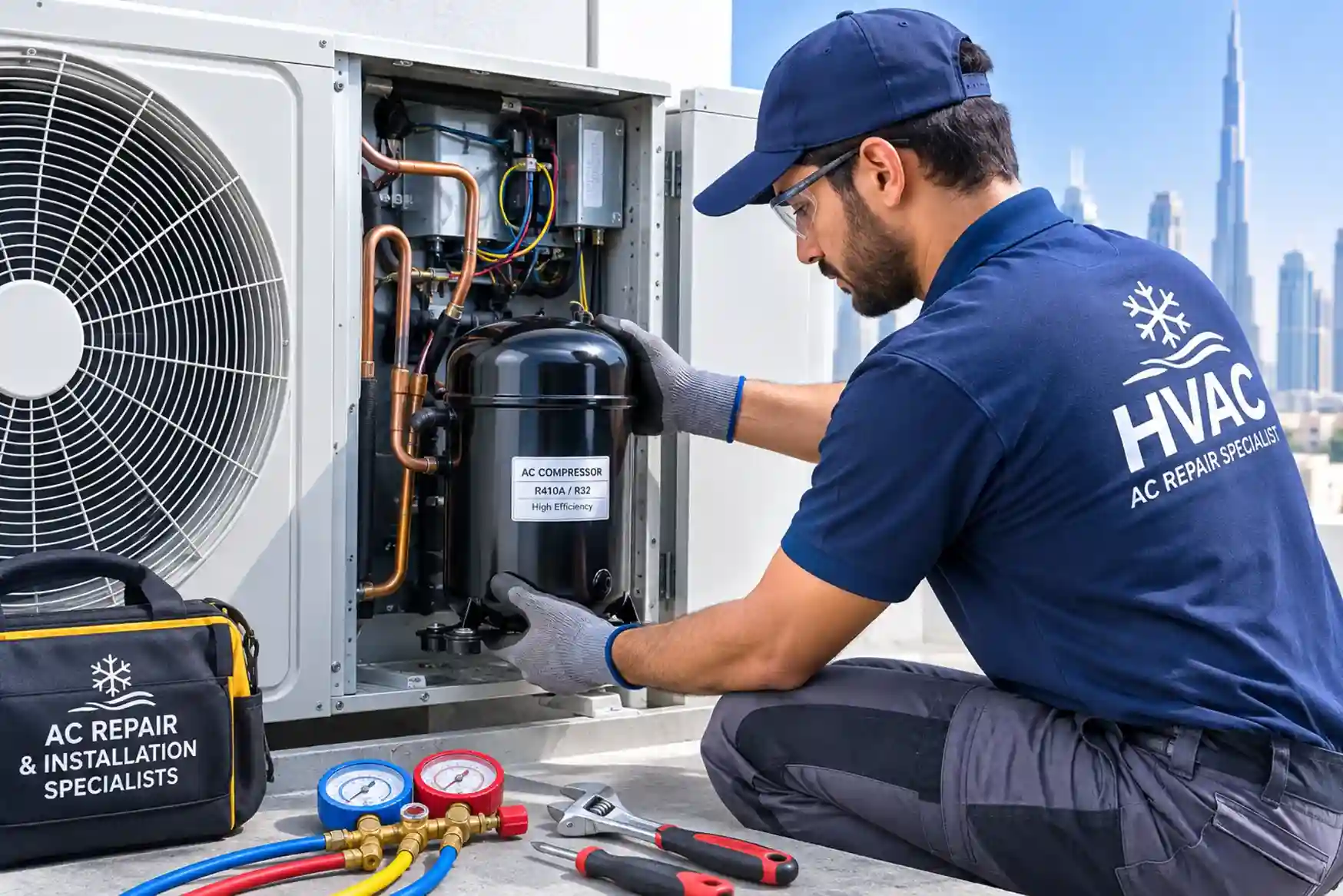
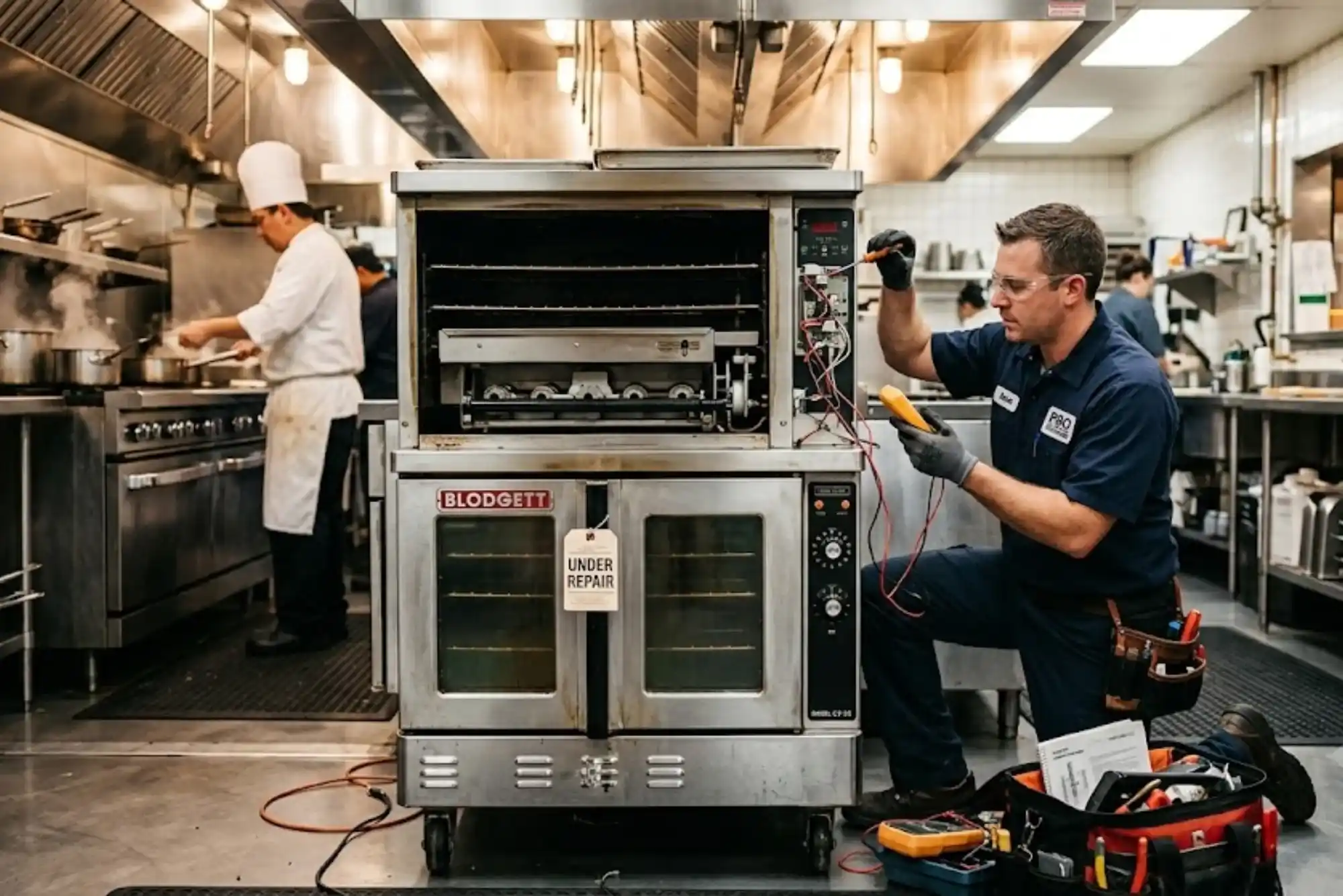
Gas stoves are essential in most households, providing efficient and fast cooking. However, they can also pose serious safety hazards if gas leaks occur. Detecting and repairing gas leaks promptly is crucial to prevent potential fires, explosions, or health issues caused by gas inhalation. Understanding how stove gas leakage detection and repair works is key to maintaining a safe kitchen environment. This detailed guide explains the causes of gas leaks, signs to look out for, professional repair procedures, and preventive maintenance tips to keep your stove operating safely and efficiently.
Understanding Gas Leakage in Stoves
A gas leak occurs when natural gas or liquefied petroleum gas (LPG) escapes from the stove or connecting pipeline before it reaches the burner. Gas leaks are extremely dangerous because they can lead to poisoning or explosions if the leaked gas accumulates and encounters a flame or spark. Gas used for cooking is odorless in its pure form, but suppliers add a chemical called mercaptan to give it a distinct smell similar to rotten eggs, helping people detect leaks early.
Over time, gas stoves can develop leaks due to worn-out seals, faulty connections, or poor installation. Recognizing the importance of early detection is essential because even a small leak can lead to significant danger if ignored.
Common Causes of Stove Gas Leakage
Several factors can cause gas leakage in a stove. One of the most frequent reasons is loose pipe connections. Over time, the constant movement of the stove or vibration during cooking can loosen the fittings, allowing gas to escape. Another common cause is damage to the gas hose, which can crack or deteriorate due to heat exposure or aging.
Improper installation is also a leading factor in gas leakage. If the stove is not connected correctly to the gas supply, leaks can develop around the joints or regulator. Additionally, malfunctioning burners, worn-out seals, or corrosion in the internal components can create small openings that release gas. In some cases, users may accidentally leave the burner knob slightly open, allowing gas to escape silently into the air.
Signs of a Gas Leak in a Stove
Detecting a gas leak early can save lives and prevent property damage. The most obvious sign of a gas leak is the strong smell of gas in the kitchen. If you notice this odor, it is important to act immediately by turning off the gas supply and avoiding the use of open flames or electrical switches.

Another sign of a gas leak is a hissing sound near the gas connection or hose, indicating gas is escaping under pressure. You may also observe a weak or uneven flame on the burner, which can suggest that gas flow is being disrupted by a leak. In severe cases, gas leaks can cause physical symptoms such as dizziness, headaches, or nausea due to the inhalation of gas fumes. These are warning signs that immediate attention is required from a professional stove repair technician.
Professional Gas Leakage Detection Methods
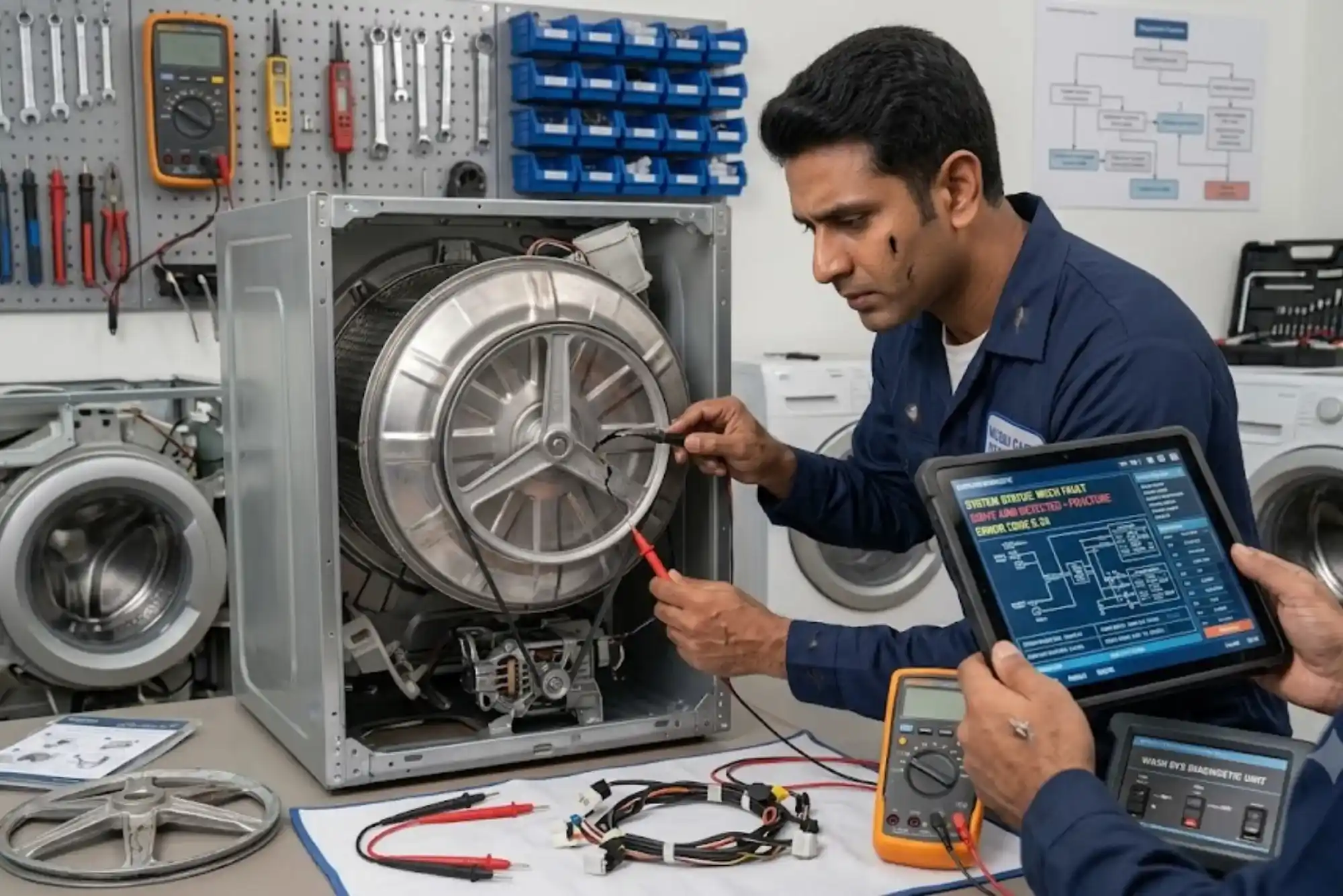
Professional technicians use specialized tools and methods to detect gas leaks safely and accurately. One of the most common techniques involves using a gas leak detector, a handheld device that senses the presence of gas in the air. When the device detects even a small concentration of gas, it emits a visual or audible alert.
Technicians may also apply a soap solution to the suspected area. If bubbles form, it indicates the presence of a leak. Advanced service providers use electronic detectors and pressure testing equipment to locate hidden leaks within pipelines or stove fittings. These professional methods ensure that even the smallest leaks are identified and repaired before they can cause any harm.
Steps Involved in Stove Gas Leak Repair
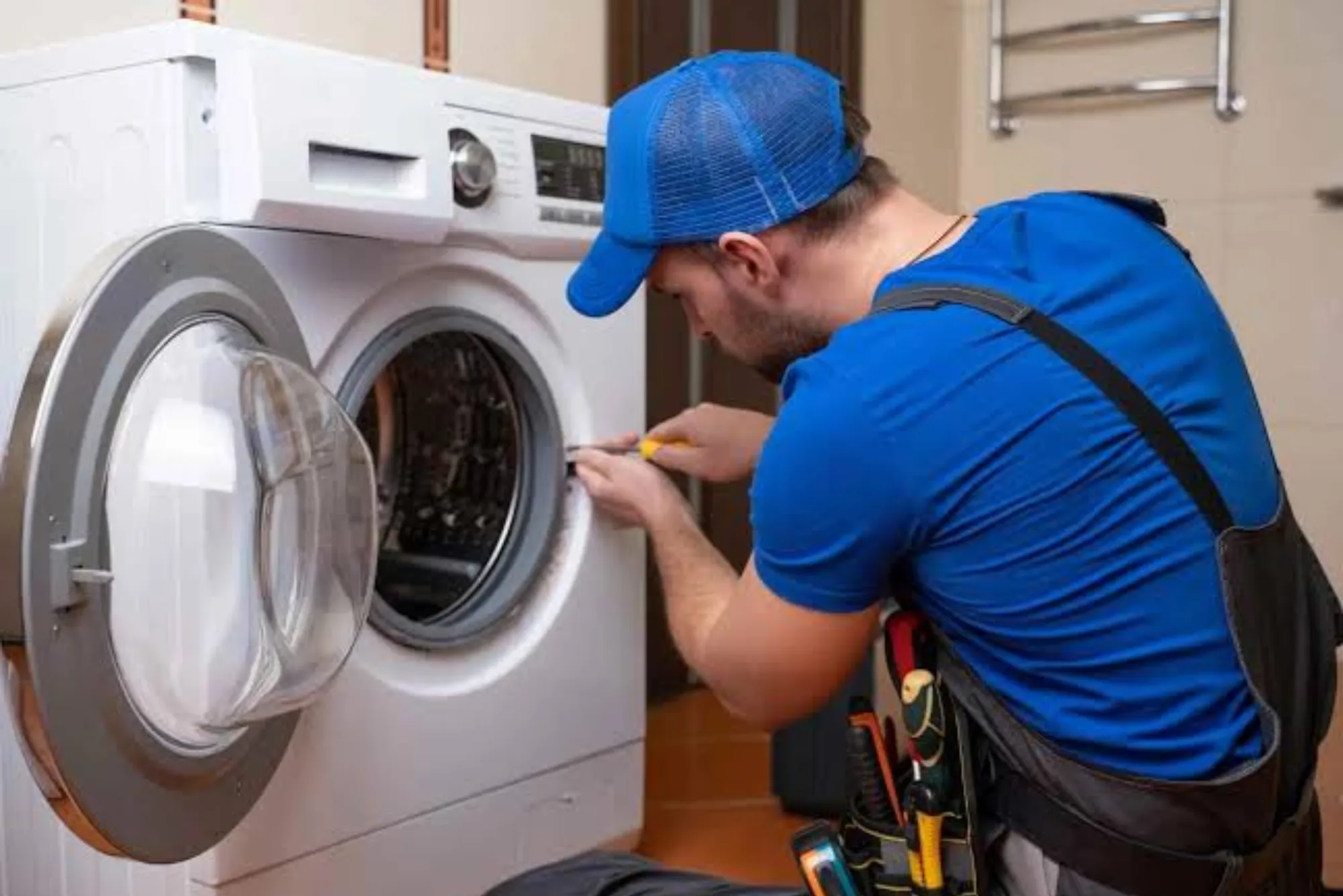
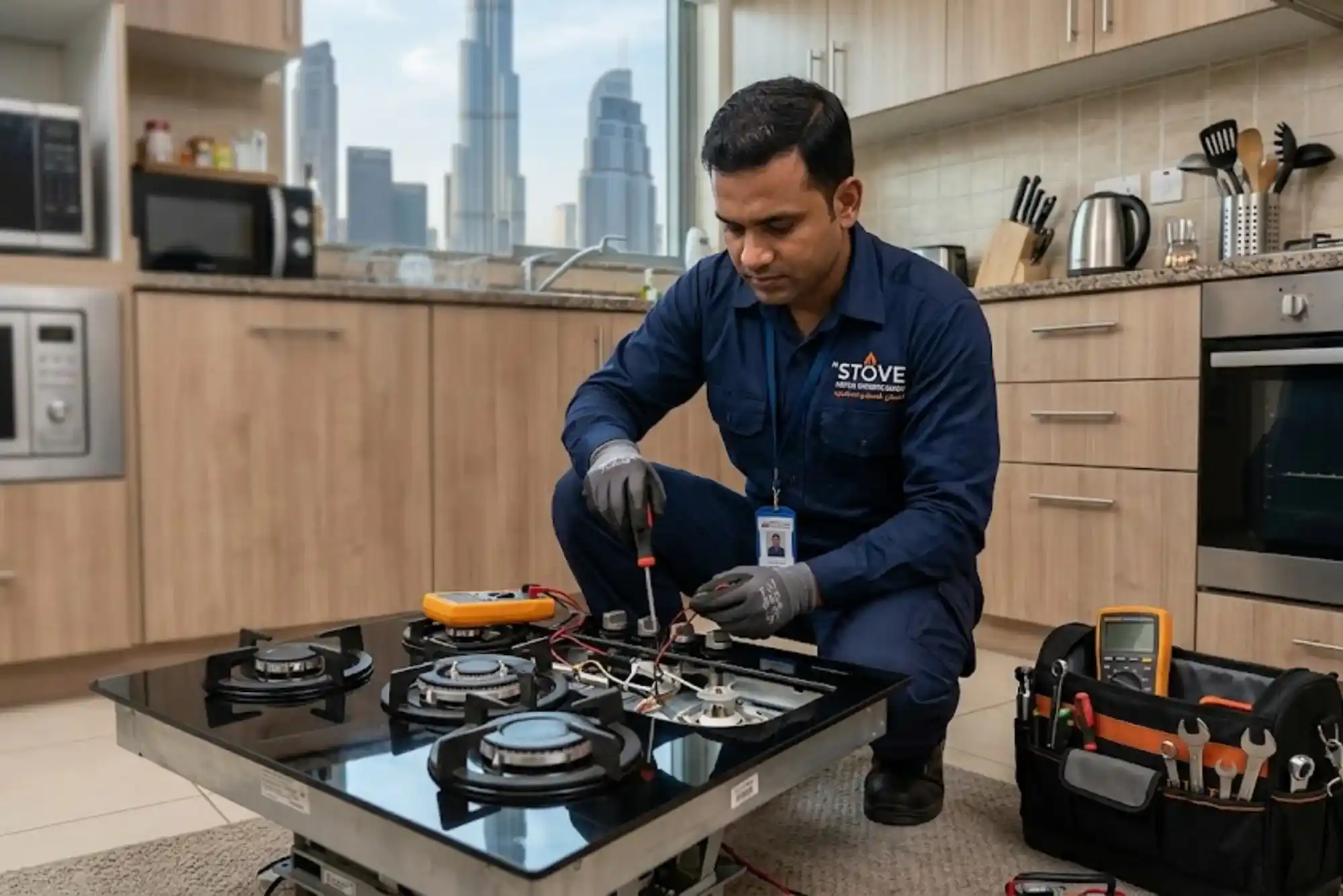
Repairing a gas leak should always be handled by trained professionals, as working with gas connections is dangerous. The repair process begins with shutting off the main gas supply to prevent further leakage. The technician then carefully inspects the stove, hose, and regulator to identify the exact source of the leak.
Once the leak is located, the damaged part is either tightened, sealed, or replaced. In cases where the gas hose or connector is worn out, it is replaced with a new, certified component that meets safety standards. After the repair, the technician tests the entire system again to ensure no further leaks remain. Finally, the gas supply is turned back on, and the stove is checked for proper flame performance and gas pressure.
Safety Precautions During Gas Leak Repair
Safety is the top priority during any gas leak repair. Both the technician and the homeowner must follow strict safety protocols. Before beginning any repair work, the gas supply should be turned off immediately, and the kitchen should be well-ventilated to disperse any accumulated gas. It is important not to light matches, smoke, or use electrical switches during this time.
Professional repair experts wear protective gear and use spark-free tools to minimize risk. They also ensure that all connections are sealed securely after the repair to prevent future leaks. Homeowners should never attempt to repair a gas leak on their own because even a small mistake can lead to serious consequences.
Importance of Regular Stove Maintenance
Regular maintenance is the best way to prevent gas leaks and extend the lifespan of your stove. Professional technicians recommend scheduling periodic inspections of the gas lines, regulators, and burners. Routine checks help identify potential problems early, such as loose fittings or minor cracks that could lead to leaks.
Cleaning the burners regularly and keeping the area around the stove free of debris also helps maintain efficiency and safety. Technicians can also check the gas pressure, test the flame quality, and ensure the ventilation system is functioning properly. With regular care, your stove will continue to provide safe and efficient performance for many years.
When to Call a Professional Stove Repair Service
If you suspect a gas leak, the best action is to call a professional stove repair service immediately. Do not attempt to fix the issue yourself or use temporary solutions such as tape or sealants. Certified technicians have the right tools, experience, and knowledge to handle gas-related repairs safely.
Professional stove repair services not only detect and fix leaks but also provide valuable advice on maintaining your gas system. They ensure that your stove operates at optimal efficiency while keeping your home safe from potential hazards. Whether it is a minor leak or a major repair, calling an expert is always the safest and most reliable choice.
Preventive Tips to Avoid Gas Leaks
While professional repairs are essential, homeowners can also take preventive steps to reduce the risk of gas leaks. Always ensure that the burner knobs are turned off completely after cooking. Periodically check the gas hose for signs of wear, cracks, or corrosion. Keep the stove area clean and avoid pushing or moving the stove frequently, as this can loosen gas connections.
If your stove is old or showing signs of wear, consider replacing it with a modern model equipped with safety features such as flame failure devices that automatically cut off gas supply if the flame goes out. These small precautions can make a significant difference in preventing gas leaks and maintaining a safe home.
Stove gas leakage detection and repair are critical to ensuring safety in your kitchen. Gas leaks are dangerous and can lead to severe health and fire hazards if ignored. Understanding the signs, causes, and professional repair procedures helps you take quick and effective action when needed. Regular maintenance and timely professional inspections are the most effective ways to prevent leaks and keep your stove functioning safely. A well-maintained stove not only ensures efficient cooking but also provides peace of mind knowing your home is safe from gas-related dangers.