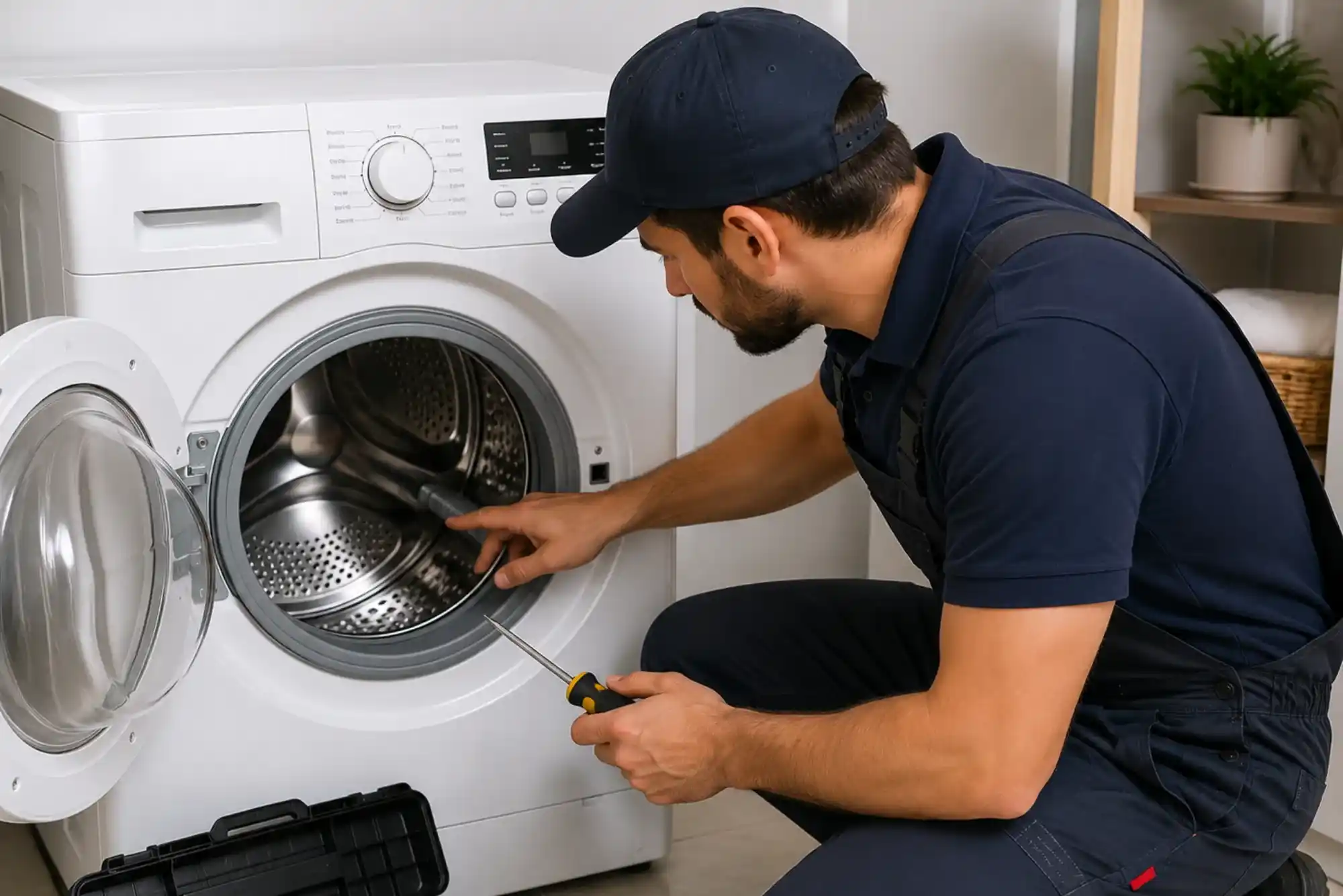
Modern washing machines are designed with advanced technologies to ensure energy efficiency, smooth operation, and longer lifespan. Among these innovations, the inverter board plays a crucial role. It controls the motor’s speed, direction, and performance according to the wash cycle’s demand. However, when the inverter board starts malfunctioning, your washing machine can display several issues such as spinning problems, no power, or unusual noise. Troubleshooting washing machine inverter boards requires both technical understanding and a systematic approach to identify the exact cause.
This article will explore in-depth the common symptoms of inverter board failure, diagnostic methods, and the importance of professional repair services for washing machines.
Understanding the Function of a Washing Machine Inverter Board
An inverter board in a washing machine serves as the control center for the motor. Unlike traditional washing machines that use fixed-speed motors, inverter models use variable frequency drives. The inverter board regulates the power supply and frequency to the motor, allowing it to adjust speed according to the load and wash program.
This technology helps save energy, reduces vibration, and improves washing performance. However, due to continuous use and exposure to voltage fluctuations, the inverter board can develop faults. When that happens, the entire washing machine’s performance may decline significantly, affecting washing cycles and energy efficiency.
Signs of a Faulty Inverter Board
A faulty inverter board can show various warning signs. Understanding these symptoms helps in early diagnosis and prevents further damage to other components. One of the first symptoms is when the washing machine does not start or respond after pressing the power button. This can indicate that the inverter board is not sending the correct voltage to the motor or control panel.
Another common symptom is when the drum stops spinning or rotates irregularly. The inverter board is responsible for controlling the motor speed, and any malfunction can cause the motor to stall or spin inconsistently. You may also notice the washing machine suddenly stopping in the middle of a wash cycle.

In some cases, the machine may display an error code on the control panel, indicating a communication issue between the motor and the control unit. Unusual humming sounds, burning smells, or overheating are also potential signs that the inverter board is struggling to operate effectively.
Common Causes of Inverter Board Failure
Several factors can lead to inverter board failure. One of the most common reasons is voltage fluctuation. A sudden surge or drop in voltage can damage the delicate electronic components of the inverter board. This is especially common in regions where power instability is frequent.
Moisture and humidity can also play a role in damaging the board. Washing machines are often placed in laundry rooms or bathrooms, where exposure to moisture is common. Over time, this can lead to corrosion or short-circuiting.
Another reason could be the accumulation of dirt or dust on the circuit board, which can interfere with electrical connections. Overheating is another major cause, usually resulting from blocked ventilation or overuse. In some cases, manufacturing defects or aging components can also contribute to inverter board malfunction.
Diagnosing Inverter Board Issues
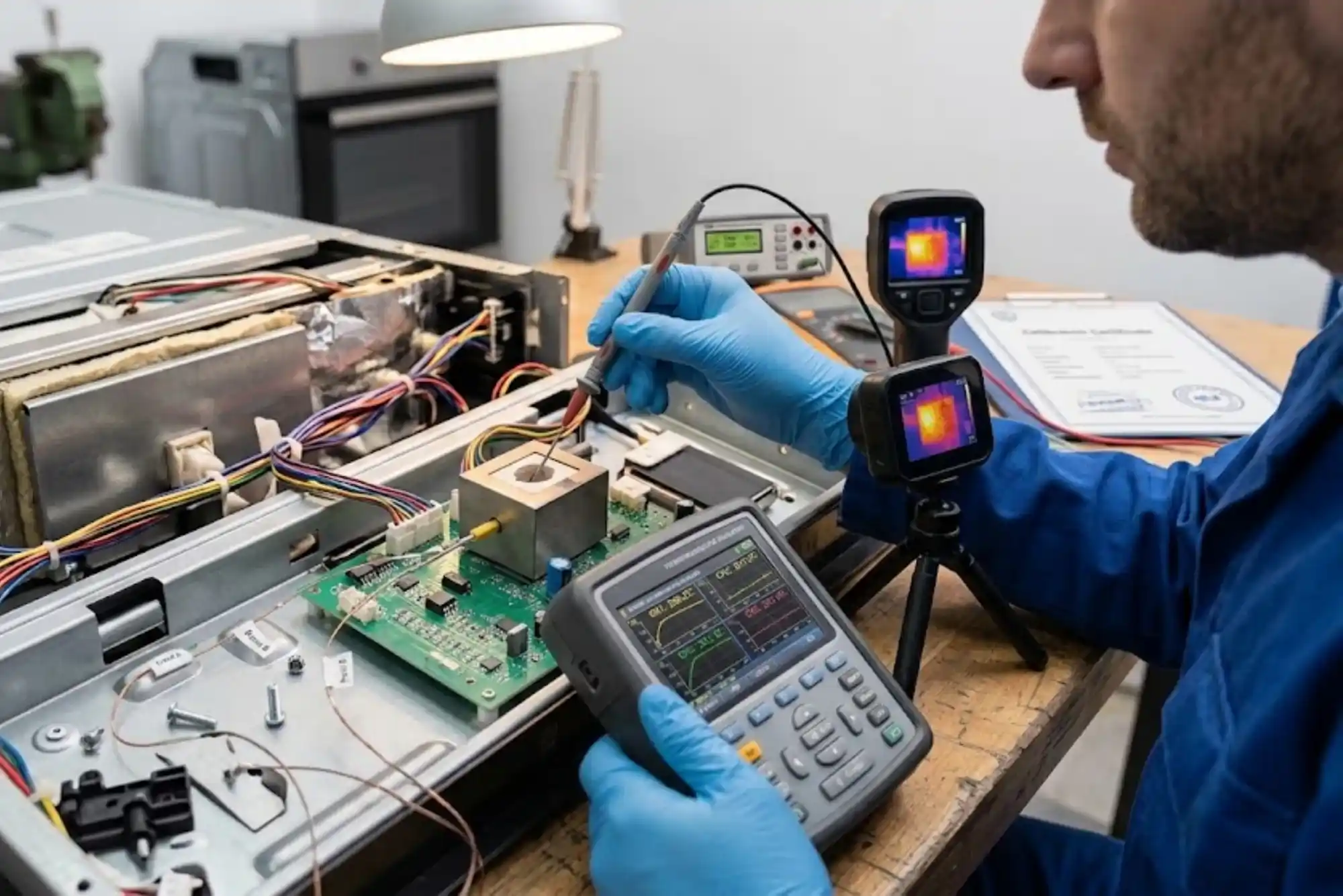
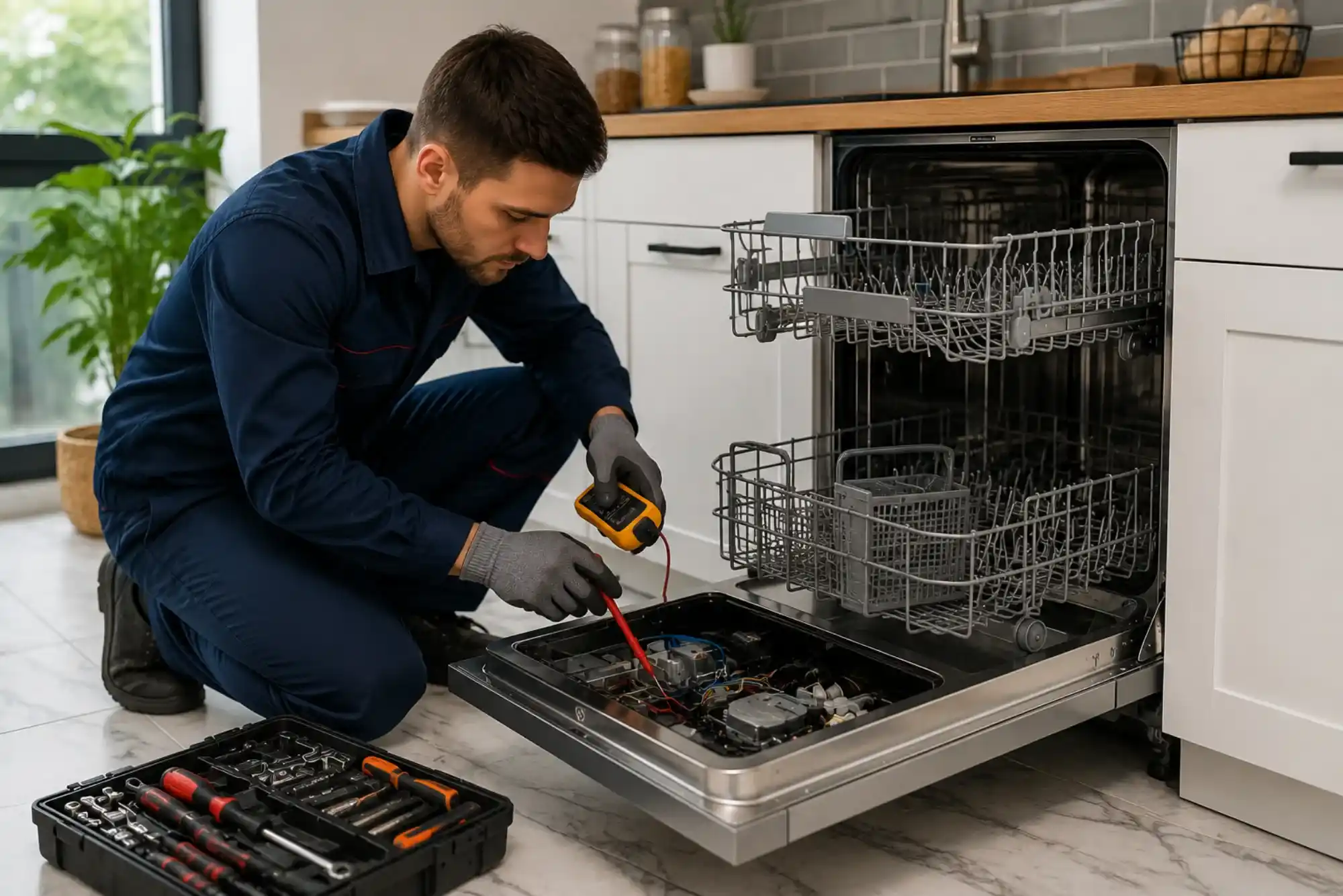
Diagnosing problems with an inverter board requires both experience and the right tools. The first step is to ensure that the washing machine repair is properly connected to a power source and that there are no issues with the outlet or plug. Once that is confirmed, technicians often use a multimeter to check voltage and current flow across the board.
Testing the input and output terminals helps determine whether the board is delivering the correct voltage to the motor. If irregularities are detected, the issue is likely within the board itself. In advanced diagnostics, technicians may also check for short circuits, burnt components, or damaged capacitors.
Modern washing machines also feature diagnostic modes that display error codes related to inverter board problems. Each code corresponds to a specific issue, helping professionals pinpoint the fault more accurately.
The Importance of Professional Troubleshooting
While some homeowners may attempt to repair inverter boards themselves, it’s not advisable unless they have proper technical expertise. The inverter board is a sensitive and expensive component, and incorrect handling can cause more damage or even pose a risk of electric shock.
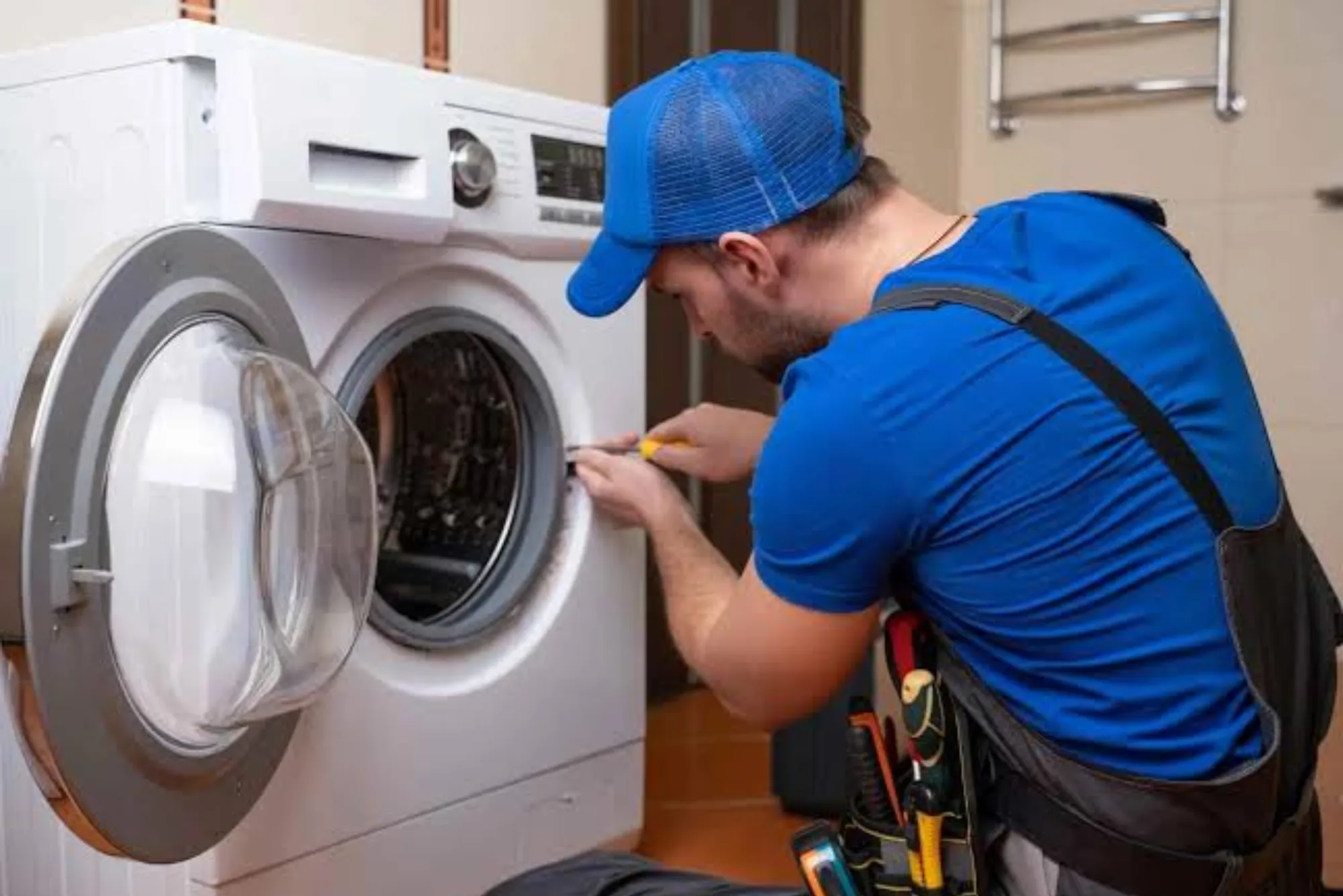
Professional appliance repair experts have the right tools, experience, and knowledge to handle inverter-related issues safely. They can accurately assess the board, test its components, and repair or replace parts as necessary. Choosing a qualified technician also ensures that the washing machine retains its warranty and continues to operate efficiently.
Steps Professionals Follow During Inverter Board Troubleshooting
When professionals troubleshoot inverter boards, they follow a systematic process. First, they conduct a visual inspection to identify any burnt marks, swollen capacitors, or broken wires. They then perform voltage and resistance tests to evaluate the board’s performance under different conditions.
If necessary, the board is removed from the washing machine for a deeper inspection. Technicians may clean the board, replace damaged components, or resolder weak connections. Once repaired, the board is tested again before being reinstalled into the washing machine.
This detailed process ensures that every fault is addressed and the appliance operates at its best. In some cases, if the inverter board is severely damaged or burnt, replacing it entirely may be more cost-effective than repairing it.
Preventive Maintenance Tips
Preventing inverter board issues is possible with regular maintenance and proper usage. Always ensure that your washing machine is connected to a stable power supply, preferably with a surge protector to safeguard against voltage spikes.
Keeping the machine dry and clean also helps prevent moisture-related damage. Avoid overloading the washer, as this can strain the motor and the inverter board. Scheduling periodic inspections by professional technicians can also help identify minor issues before they become major problems.
Cost and Replacement Considerations
The cost of repairing or replacing a washing machine inverter board depends on the brand, model, and severity of the damage. In general, inverter board replacement can be relatively expensive because of its vital role in the appliance’s operation.
However, timely repair can save costs in the long run by extending the life of the washing machine. Instead of replacing the entire appliance, repairing the inverter board often restores full functionality. Always ensure that genuine parts are used for replacement to maintain performance and reliability.
When to Call Professional Help
If your washing machine shows consistent performance issues like stopping mid-cycle, displaying unusual error codes, or refusing to start, it’s time to contact a professional technician. Ignoring these signs can lead to complete inverter board failure and more costly repairs.
Professional repair services such as in Dubai offer reliable washing machine repair solutions. Their skilled technicians specialize in diagnosing and fixing inverter board issues efficiently. They ensure every repair meets quality standards and restore your washing machine’s original performance.
The inverter board is the heart of a modern washing machine, controlling its motor speed and efficiency. When this component malfunctions, it affects every wash cycle. Understanding how to troubleshoot inverter board issues helps in recognizing symptoms early and taking prompt action.