The oven is one of the most frequently used appliances in any modern household. From everyday meals to special occasions, it plays a vital role in preparing food with accuracy, safety, and convenience. However, like all mechanical components, ovens experience gradual wear and tear. One of the most overlooked yet essential parts of the oven is its door hinges. These hinges are responsible for ensuring that the oven door closes securely, maintains the right seal, and retains the heat necessary for efficient cooking. When the hinges begin to show signs of wear, it can lead to a range of performance issues that affect both your cooking experience and the long-term condition of the appliance.
Understanding the early signs of wear on oven door hinges is crucial for homeowners and businesses alike. By identifying problems at the right time, you can prevent costly damage, ensure energy efficiency, and maintain the safety of your kitchen environment.
Why Oven Door Hinges Are So Important
The hinges on an oven door may seem like small mechanical parts, but they serve a critical function. Their main role is to support the oven door and allow it to open and close smoothly. More importantly, they create the necessary tension to keep the door firmly shut, ensuring the oven maintains a consistent internal temperature.
If the door is even slightly misaligned because of worn hinges, the oven may lose heat, causing food to cook unevenly or requiring longer cooking times. This not only wastes energy but also places additional strain on the heating elements. Over time, such issues can escalate into costly repairs. Additionally, poorly functioning hinges can compromise kitchen safety, as an unstable or loosely fitted oven door poses the risk of sudden opening or even physical injury.
Common Causes of Hinge Wear
Oven door hinges are built to be durable, but they are not immune to wear. Several factors contribute to their gradual decline:
- Frequent usage: Regular opening and closing of the oven puts pressure on the springs and joints within the hinges.
- Excessive weight: Resting heavy dishes or leaning on the open oven door can strain the hinges.
- Heat exposure: Constant high temperatures can cause metal fatigue over time, weakening the hinge mechanism.
- Lack of maintenance: Dust, grease, and food particles can accumulate in the hinge system, leading to stiffness or reduced performance.
By being aware of these causes, you can adopt better practices to extend the life of your oven door hinges.

Recognizing the Signs of Wear on Oven Door Hinges
One of the most effective ways to keep your oven functioning properly is to pay attention to changes in how the door operates. Worn hinges rarely fail all at once; instead, they display progressive symptoms.
The first sign homeowners often notice is that the oven door no longer closes flush with the oven frame. This small gap may seem harmless, but it allows heat to escape, making your appliance less efficient. You may also observe that the door feels looser or more difficult to maneuver. In some cases, the hinges may make unusual noises such as squeaking or grinding when the door is opened or closed.
Another common sign of hinge wear is uneven door alignment. If one side of the door appears higher or lower than the other, it suggests that one hinge is under more strain than the other. This imbalance not only reduces cooking efficiency but also increases the risk of damaging the oven seal.
Over time, you may find that food is not cooking as it should, even when following the same recipes and temperature settings. Inconsistent heating is often linked to hinge problems, as the oven is unable to maintain a stable internal environment.
The Impact of Ignoring Worn Hinges
While it may be tempting to overlook hinge issues, doing so can have significant consequences. One of the immediate impacts is energy loss. An oven with a poorly sealed door requires more power to maintain temperature, leading to higher utility bills.
Cooking performance also suffers. Food may emerge undercooked, overcooked, or unevenly baked, which can be frustrating, particularly for households that rely heavily on the oven. In a commercial kitchen, such issues can damage reputation and result in wasted ingredients.
From a safety perspective, worn hinges can be dangerous. A door that does not stay securely shut may swing open unexpectedly, exposing users to hot air or direct contact with heating elements. In extreme cases, a loose oven door could detach completely, creating a serious hazard.
Finally, unresolved hinge problems can lead to secondary damage within the oven itself. Heating elements, seals, and even the oven’s control systems may deteriorate faster due to the constant fluctuations in temperature. This often results in costly repairs or even the need for a full replacement of the appliance.
Repairing and Replacing Oven Door Hinges
When signs of wear become evident, timely action is essential. In some cases, minor adjustments or lubrication may restore hinge functionality, particularly if the issue stems from stiffness or debris buildup. However, if the hinges are bent, cracked, or significantly weakened, replacement is usually the best solution.
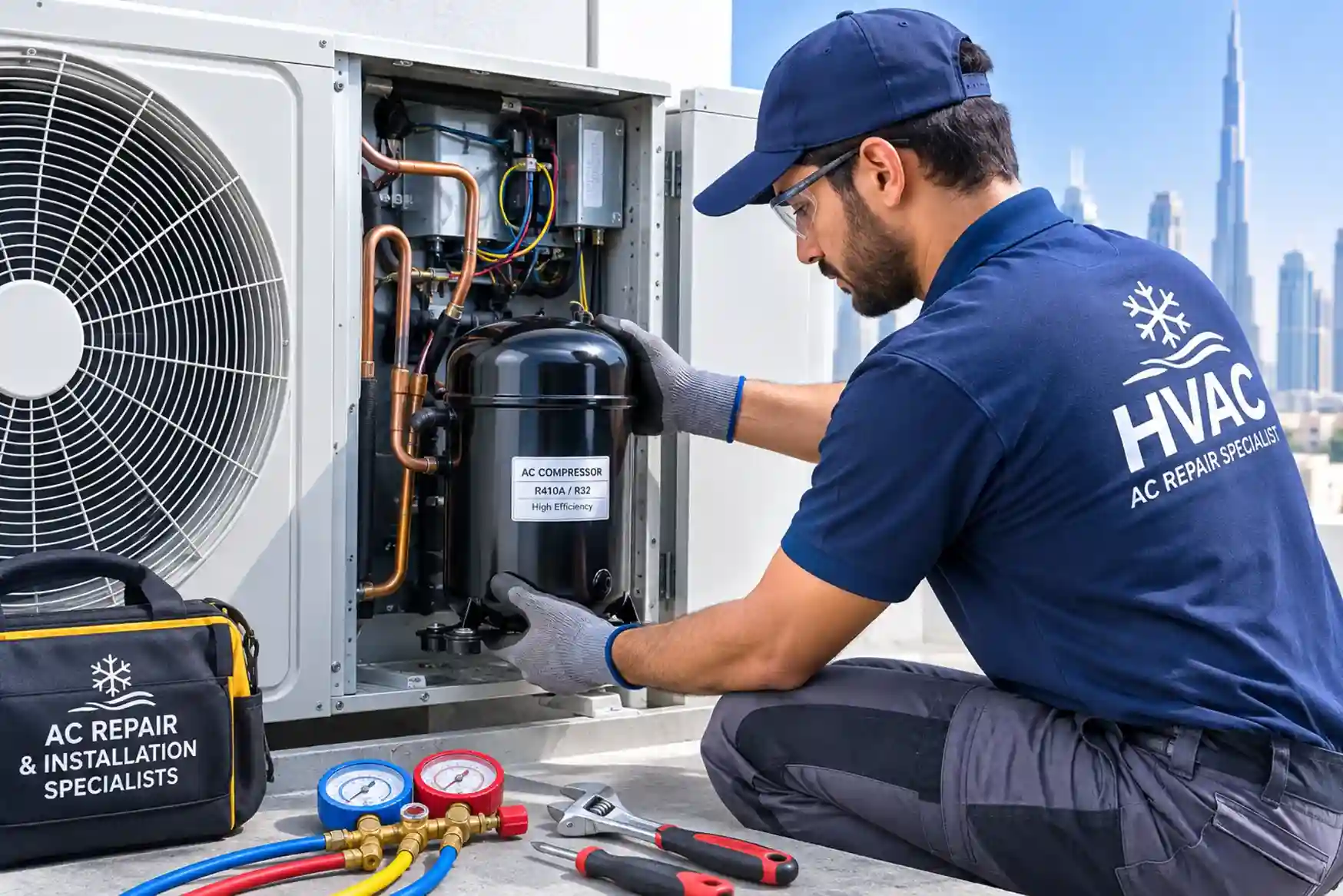
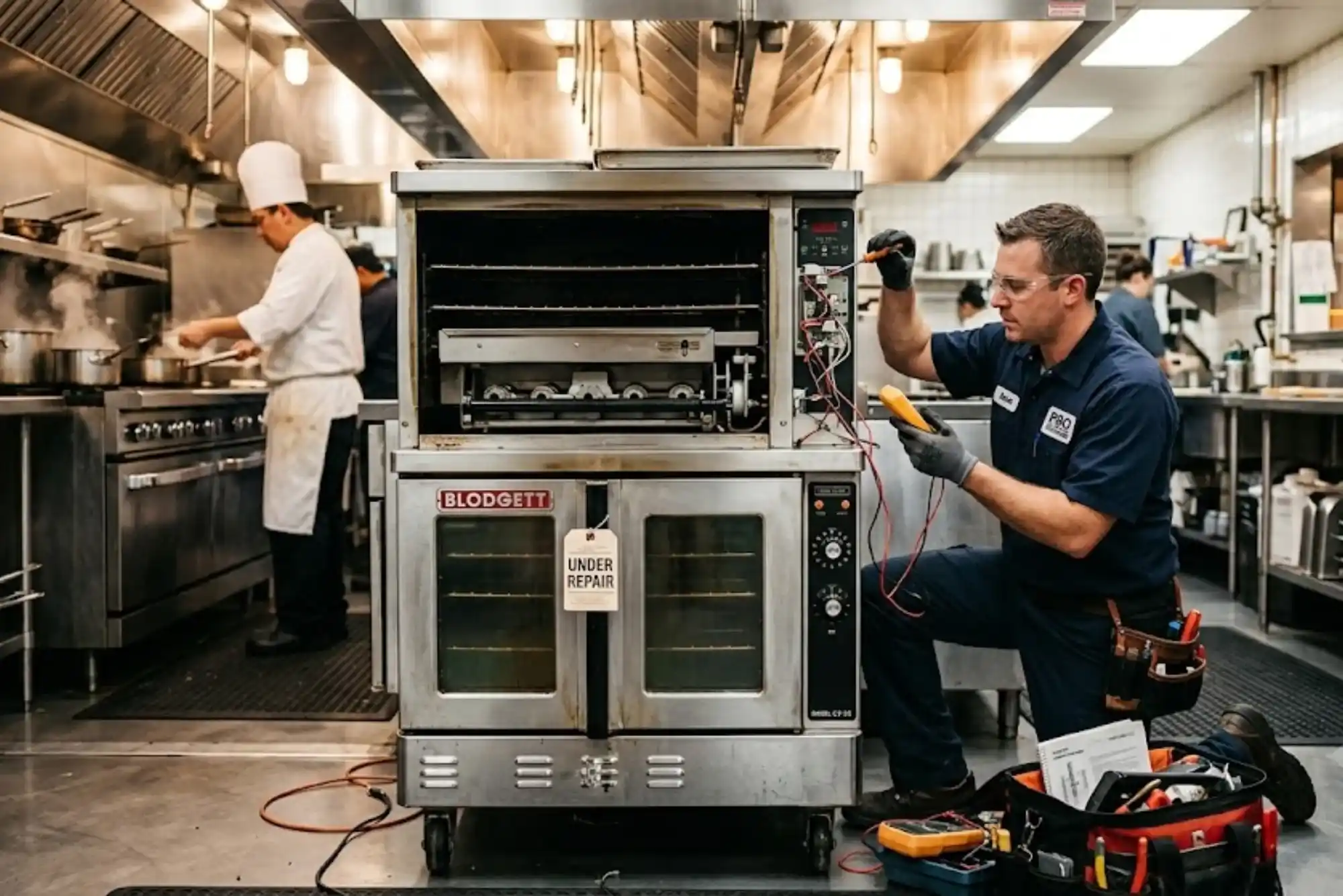
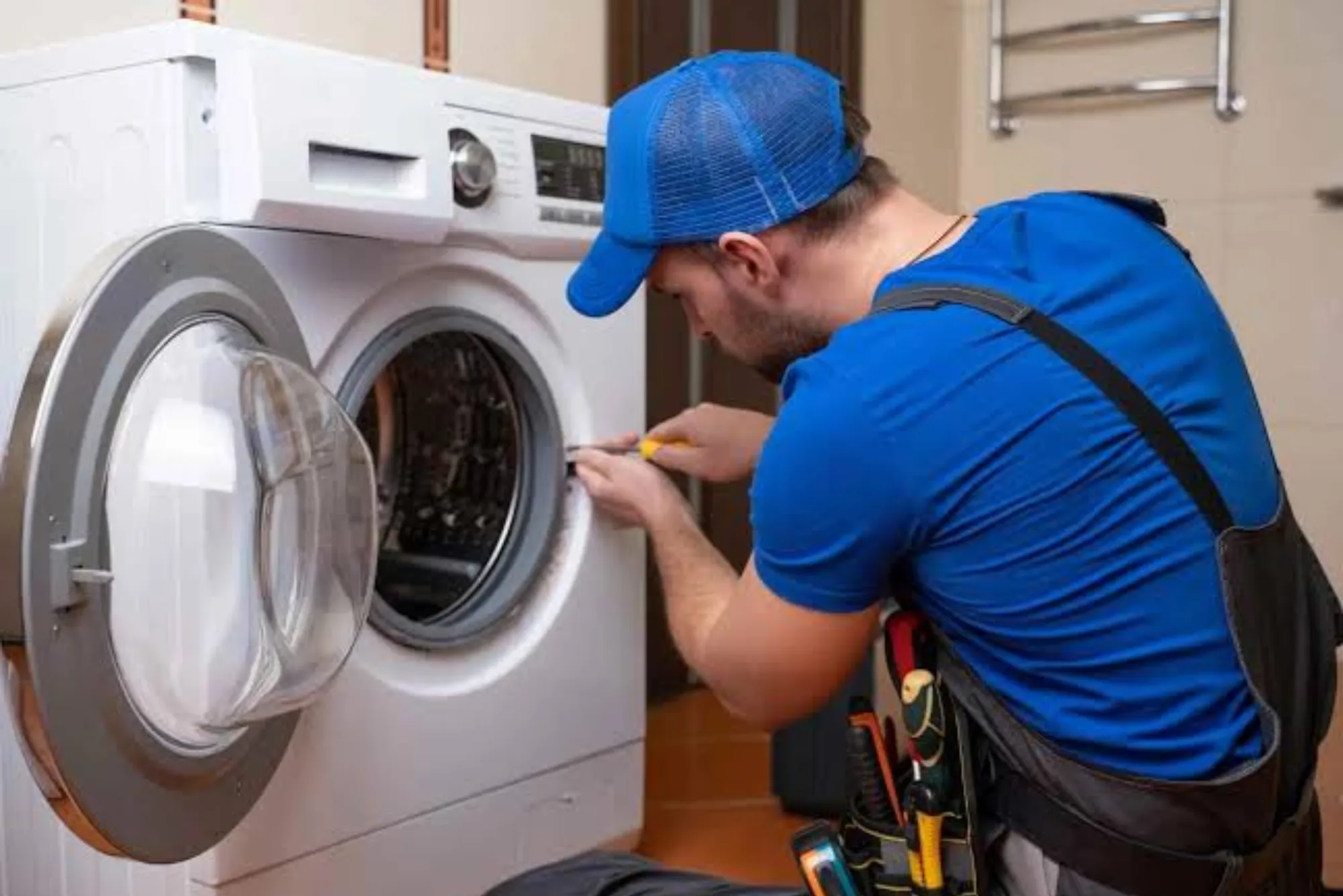
Professional appliance repair services can quickly assess the condition of your oven door hinges and recommend the most appropriate course of action. Experts not only have the right tools but also the experience to ensure that new hinges are installed correctly, restoring the oven to its original performance. Attempting to fix or replace hinges without proper knowledge can result in further damage or misalignment.
Preventing Hinge Problems
Prevention is always better than cure, and the same applies to oven door hinges. Simple practices can extend their lifespan and reduce the likelihood of unexpected problems. Avoid placing heavy items on the open oven door, as this places unnecessary strain on the hinges. Clean the hinges periodically to prevent grease and debris buildup, which can interfere with smooth operation.
It is also advisable to schedule routine maintenance with a professional appliance repair service. During inspections, technicians can identify early signs of hinge wear and address them before they escalate into major problems.
Professional Appliance Repair Services
While many homeowners attempt DIY solutions, professional services provide the most reliable results. Appliance repair specialists not only replace worn hinges but also check the overall health of the oven. They can inspect seals, thermostats, and heating elements to ensure the appliance is operating safely and efficiently.
Companies like Hafixer Home Appliances Repair in Dubai specialize in diagnosing and repairing oven problems, including hinge replacements. By relying on skilled professionals, you gain peace of mind knowing that your appliance will continue to deliver consistent performance without compromising safety.
Oven door hinges may seem like a small detail, but they play a vital role in the overall functionality, efficiency, and safety of your appliance. Recognizing the signs of wear—such as misalignment, loose movement, or poor sealing—allows you to take timely action. Ignoring these signs can lead to higher energy bills, unsafe cooking conditions, and costly damage to your oven.
Whether through professional repair or replacement, addressing hinge problems ensures that your oven continues to serve you reliably for years to come. For households and businesses that depend on precise and efficient cooking, investing in proper maintenance and timely service is a step toward long-term appliance health.