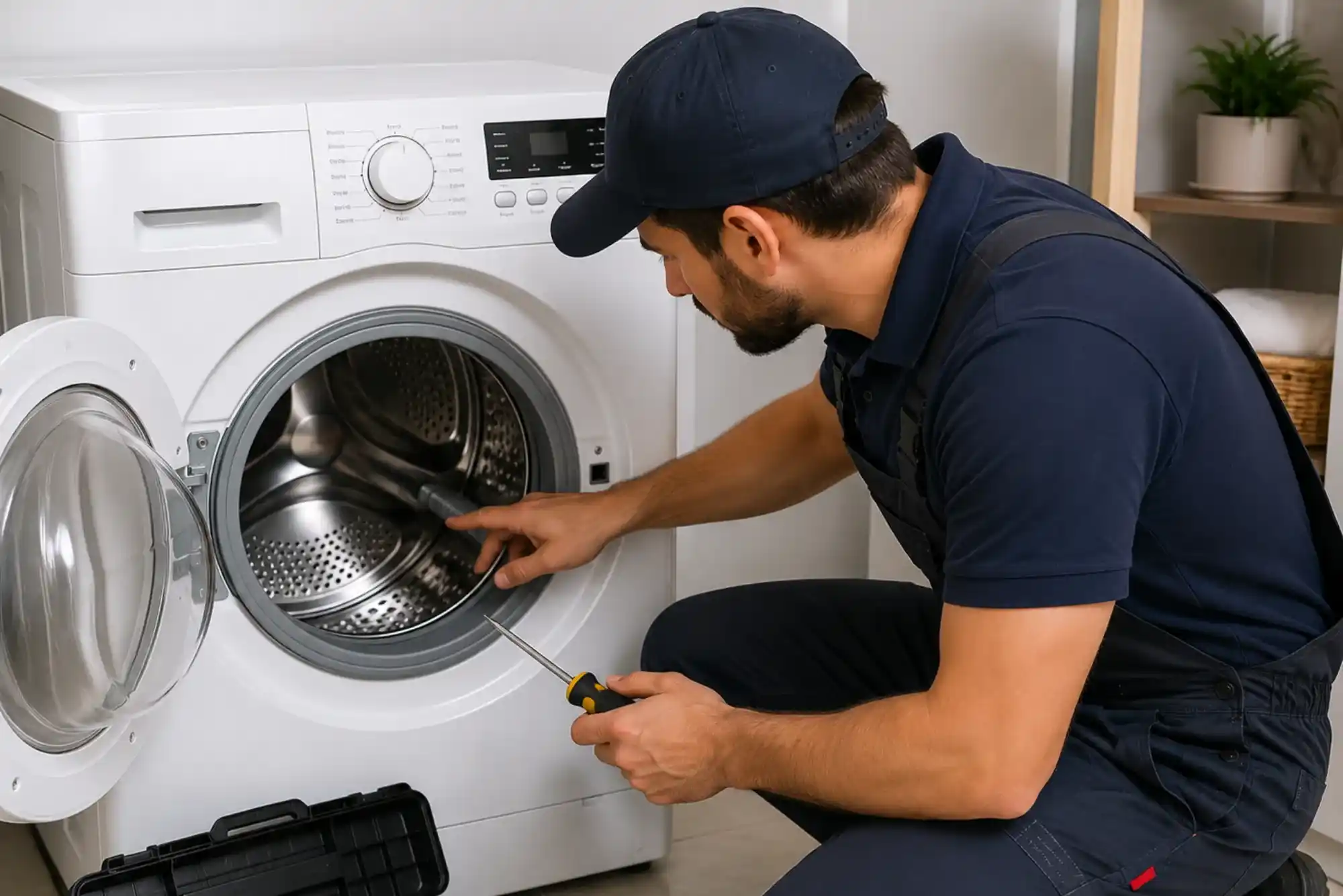
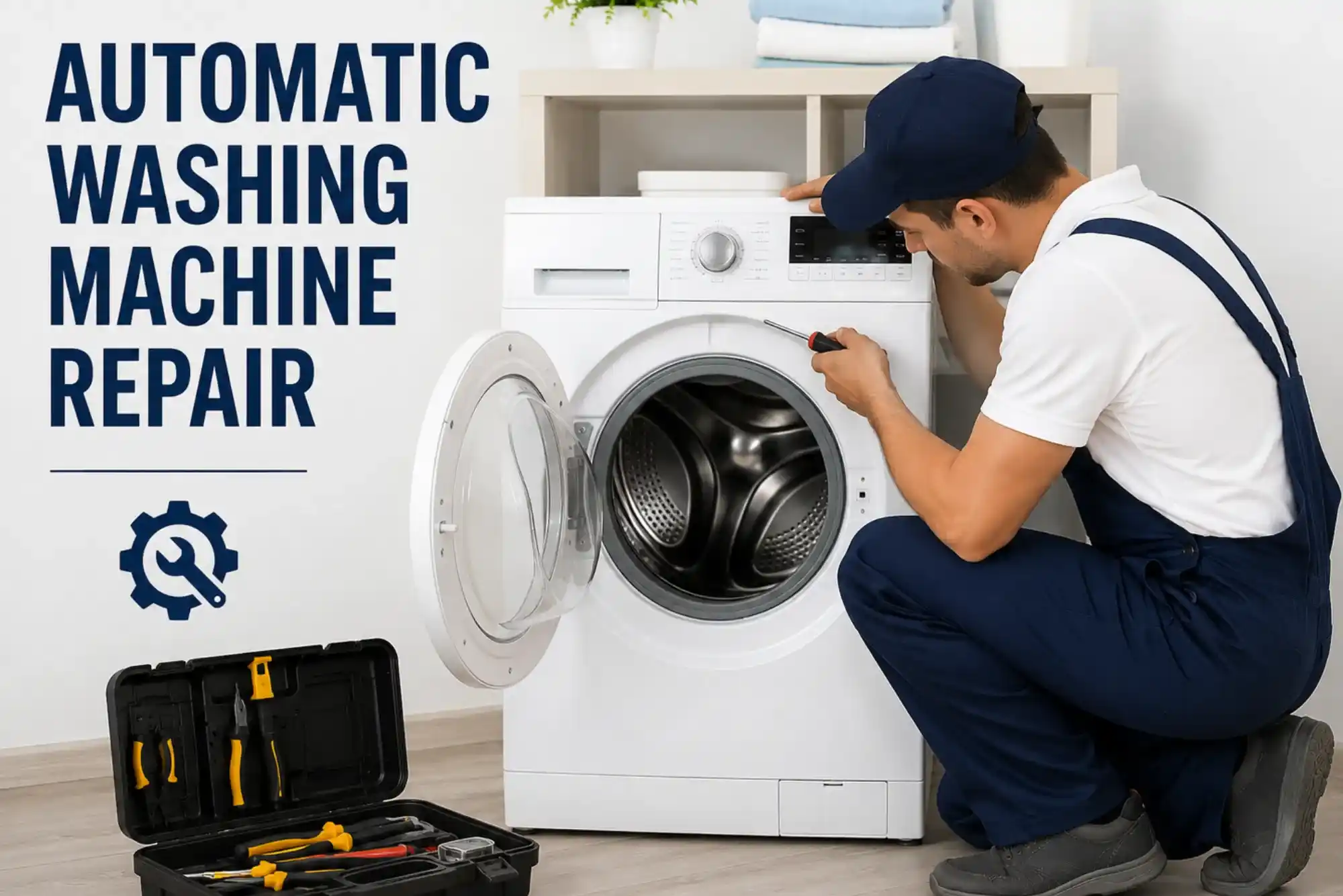
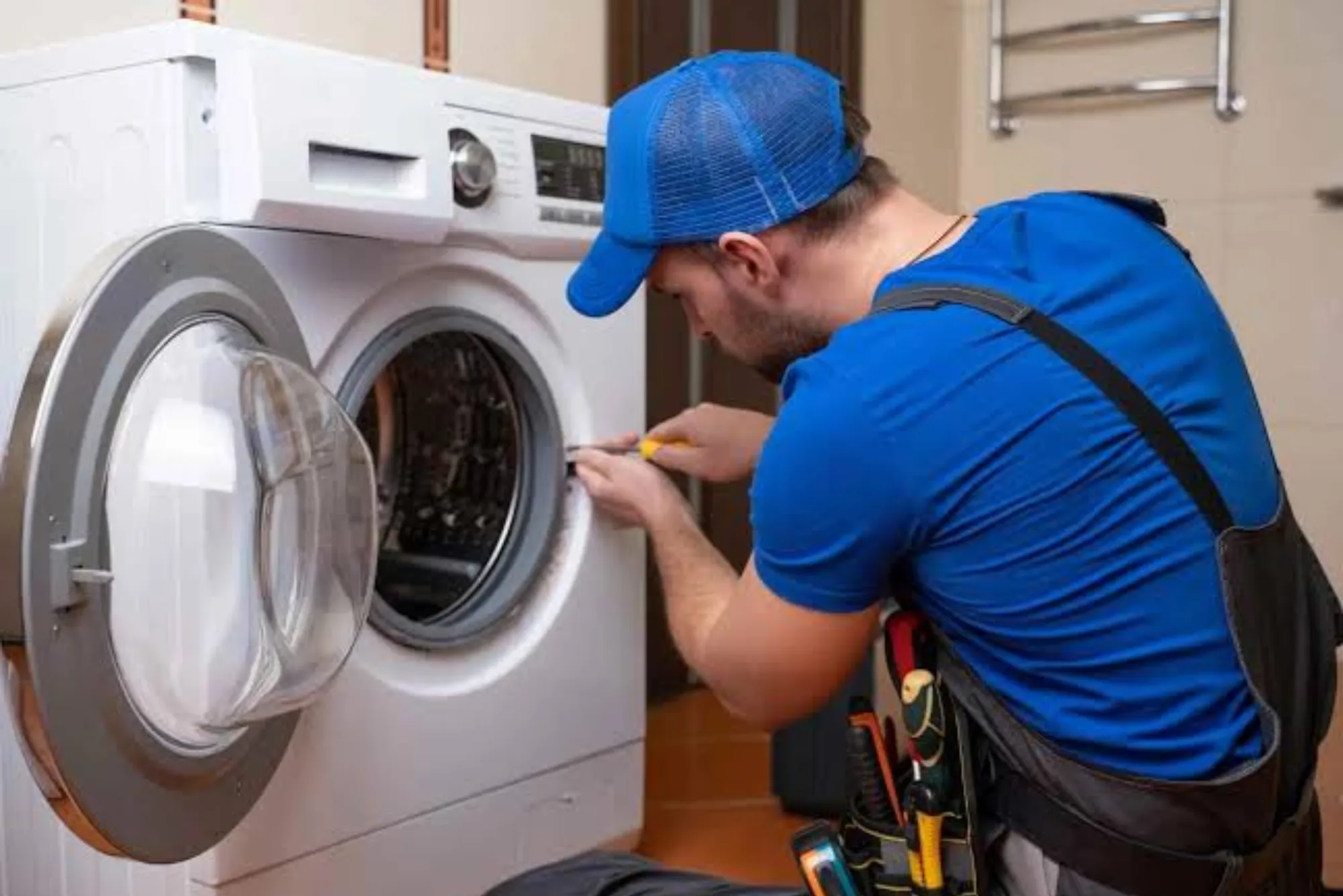
A washing machine is one of the hardest-working appliances in any home, handling multiple loads of laundry every week. At the center of every wash cycle is the drum, which rotates, agitates, and rinses clothes efficiently. When this essential component develops a fault, the entire appliance can become noisy, unstable, or stop functioning altogether.
A professional Washing Machine Drum Repair Service focuses on identifying the exact cause of drum-related problems instead of replacing the entire appliance unnecessarily. In many cases, timely repairs can restore performance, improve washing quality, and extend the life of the machine.
This guide explains how washing machine drums work, common problems homeowners encounter, warning signs to watch for, repair options, and maintenance practices that help prevent future breakdowns.
Understanding the Role of the Washing Machine Drum
The drum is responsible for holding laundry while rotating at different speeds during washing and spinning cycles. It works alongside bearings, suspension springs, shock absorbers, seals, belts, motors, and electronic controls to ensure smooth operation.
Whether you own a front-load or top-load washer, every component supporting the drum must remain properly aligned. Even a minor issue with bearings or suspension can affect washing performance and eventually lead to expensive repairs if ignored.
Routine servicing, such as a professional washing machine repair service, helps identify wear before it develops into a major mechanical failure.

Common Washing Machine Drum Problems
1. Worn Drum Bearings
Bearings allow the drum to rotate smoothly. Over time they naturally wear due to continuous spinning and exposure to moisture. Common symptoms include:
- Loud grinding noises
- Metal scraping sounds
- Drum movement from side to side
- Excessive vibration
2. Broken Drum Spider
Many front-loading washing machines use an aluminum spider bracket behind the drum. Corrosion or fatigue may weaken this component, resulting in poor balance, unusual movement, and severe vibration during high-speed spinning.
3. Damaged Suspension System
Shock absorbers and suspension springs keep the drum stable during operation. If these components weaken, the machine may shake violently or move across the floor.
4. Loose Drum Pulleys or Drive Belt
A worn drive belt or loose pulley can prevent proper drum rotation. The drum may struggle to spin, stop midway through a cycle, or rotate unevenly.
5. Internal Drum Damage
Coins, bra wires, screws, or other foreign objects can become trapped between the inner and outer drums. Besides creating noise, they may scratch surfaces or damage seals.
Signs You Need Washing Machine Drum Repair
Ignoring early warning signs often leads to more extensive repairs. Contact a qualified technician if you notice:
- Strong knocking sounds during spinning
- Excessive vibration despite balanced loads
- Clothes coming out wetter than usual
- Water leaking near the drum
- The drum feels loose when pushed by hand
- Burning smells during operation
- The machine repeatedly stops mid-cycle
Homeowners experiencing these symptoms often benefit from a home washing machine repair service, allowing technicians to inspect the appliance without moving heavy equipment.
Professional Drum Repair Process
Experienced appliance technicians typically follow a structured repair procedure to ensure accurate diagnosis and long-lasting repairs.
Initial Inspection
The technician checks drum movement, listens for abnormal noises, and performs operational testing.
Mechanical Diagnosis
Critical components including bearings, suspension springs, seals, motor couplings, and drive systems are carefully inspected.
Component Replacement
Only worn or damaged parts are replaced whenever possible, reducing unnecessary repair costs.
Performance Testing
After repairs are completed, the machine undergoes multiple test cycles to confirm smooth spinning, proper drainage, and balanced operation.
Repair or Replace? Making the Right Decision
Not every drum issue requires replacing the washing machine. Factors that influence the decision include:
- Age of the appliance
- Availability of replacement parts
- Overall condition of electrical and mechanical components
- Cost of repair compared to replacement
Machines with isolated bearing, belt, or suspension problems are often excellent candidates for repair. A professional evaluation helps homeowners avoid unnecessary replacement expenses.
How Regular Maintenance Prevents Drum Problems
Preventive maintenance significantly reduces wear on drum components and improves appliance efficiency.
- Avoid consistently overloading the machine.
- Wash heavy blankets separately.
- Use the recommended detergent quantity.
- Inspect clothing pockets before washing.
- Clean the drum regularly.
- Leave the door open after washing to reduce moisture buildup.
- Schedule periodic inspections for older appliances.
Households using their washing machines frequently may also benefit from a same-day washing machine repair service when unexpected drum issues interrupt daily routines.
Common Causes and Recommended Solutions
| Problem | Possible Cause | Recommended Solution |
|---|---|---|
| Loud grinding noise | Worn bearings | Replace drum bearings |
| Machine shakes excessively | Faulty suspension or springs | Replace suspension components |
| Drum won’t spin | Broken belt or pulley | Inspect and replace drive parts |
| Water leaking | Damaged drum seal | Install new seal |
| Metal scraping sound | Foreign object inside drum | Remove obstruction safely |
| Loose drum movement | Broken drum spider or bearings | Professional mechanical repair |
Why Professional Drum Repairs Matter
Modern washing machines combine mechanical systems with sophisticated electronics. Attempting major drum repairs without proper tools or technical knowledge can lead to further damage, electrical hazards, or costly replacement parts.
Qualified technicians understand manufacturer specifications, use appropriate diagnostic methods, and ensure every repaired component operates safely and efficiently.
If your appliance is showing additional symptoms beyond drum issues, consulting a complete washing machine service specialist can help identify related mechanical or electrical faults before they become more serious.
Final Thoughts
The drum is the heart of every washing machine, and even minor issues can quickly affect cleaning performance, energy efficiency, and appliance reliability. Recognizing early warning signs, scheduling timely inspections, and investing in professional repairs can often extend the life of your washer by several years.
Rather than waiting until a complete breakdown occurs, addressing unusual noises, vibration, leaks, or poor spinning performance early helps prevent secondary damage and reduces long-term repair costs. With regular maintenance and expert servicing when required, your washing machine can continue delivering dependable performance for years to come.
Related Reading: Best Washing Machine Repair Service Near Me
Related Reading: Washing Machine Motor Repair Dubai
Related Reading: Gas Stove Repair Near Me Dubai — full guide
Related Reading: Washing Machine Repair Cost Dubai
Related Reading: Washing Machine Repair Company and Pump Repair Service
Related Reading: Whirlpool Washing Machine Repair Service
Related Reading: Oven Installation Service Dubai — full guide
Related Reading: Samsung Washing Machine Repair — full guide
Related Reading: Residential AC Repair Service Dubai