Laundry is a daily necessity, and a functioning washing machine is central to keeping your home running smoothly. However, one of the most common and frustrating problems homeowners face is when the washer door won’t latch. This seemingly simple issue can halt your entire laundry routine, prevent the machine from starting, and sometimes even lead to water leakage or damage to other components. Understanding why this problem occurs, how it can be resolved, and when to seek professional washer repair service is essential for any washer owner.
The issue of a washer door not latching can stem from several causes, ranging from minor obstructions to serious mechanical or electrical failures. Identifying the underlying reason is the first step toward fixing it. Sometimes, the problem is visible and easy to correct, but in other cases, expert intervention is required to prevent further damage.
Common Reasons Your Washer Door Won’t Latch
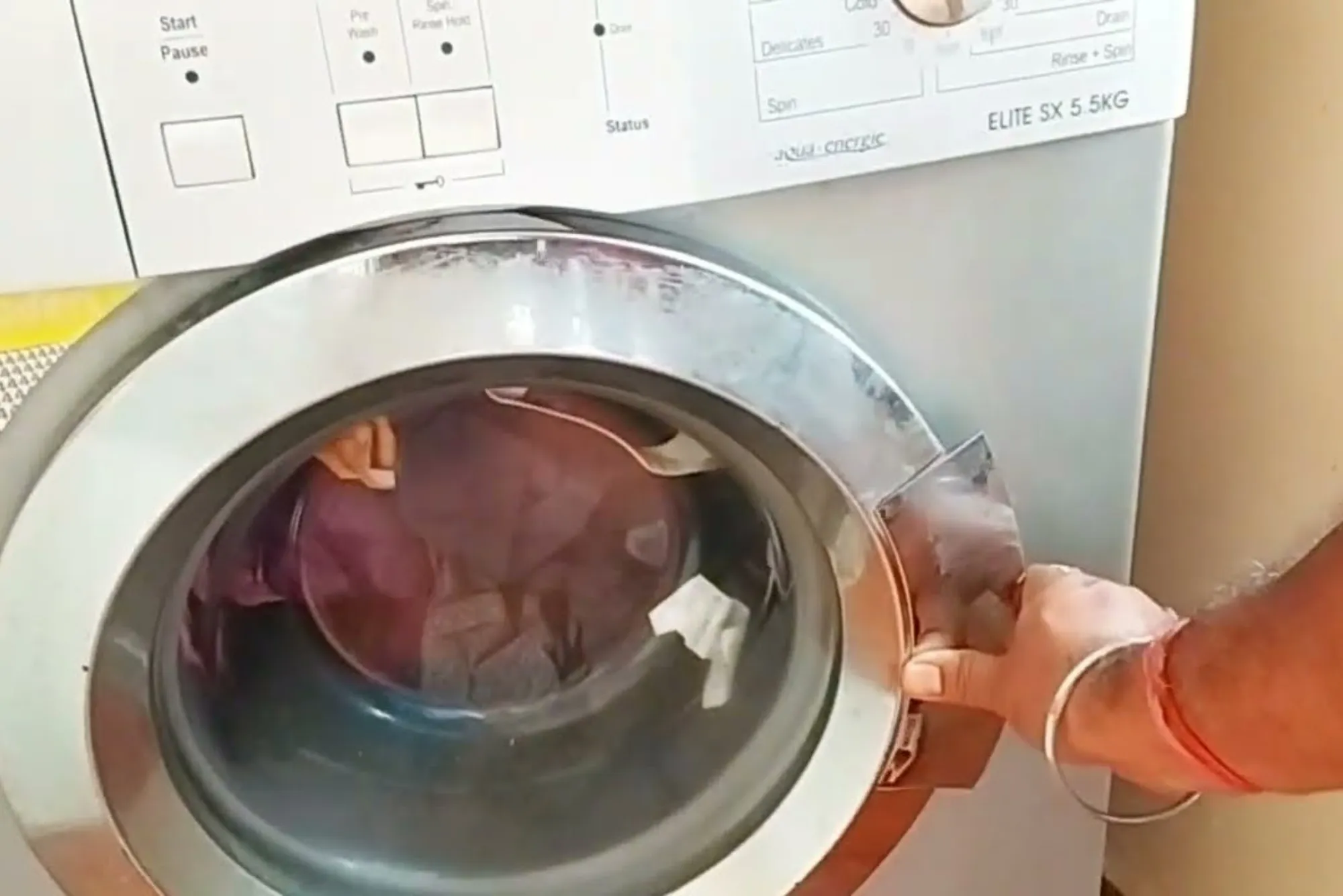
One of the primary reasons a washer door fails to latch is an obstruction in the door mechanism. Over time, lint, small clothing items, or other debris can accumulate around the latch, preventing it from closing securely. Even the tiniest object can interfere with the mechanism, making it impossible for the washer to start. Such blockages are often the easiest to resolve, but they require careful inspection to ensure that nothing remains trapped inside the latch assembly.
Another frequent cause of a door that won’t latch is a worn or faulty latch or lock. The latch is designed to keep the door closed during washing cycles, and repeated use can lead to wear and tear. In some cases, the locking mechanism may fail entirely, leaving the washer door unable to engage properly. If the latch is broken, replacement is generally necessary to restore proper function and ensure safety during operation.
Misalignment of the door can also prevent it from latching correctly. Door hinges may become loose or bent due to frequent use or accidental force applied to the door. Even slight misalignment can make it impossible for the latch to engage. Correcting this often requires adjustment or realignment of the door, which may be beyond the skill of most homeowners and better handled by professional technicians.
In modern washing machines, sensors play a crucial role in detecting whether the door is properly closed. When these sensors fail, they may prevent the machine from starting even if the door appears to be securely closed. Electrical or sensor issues can result from water damage, worn wiring, or problems with the machine’s control board. Identifying these problems without professional knowledge can be challenging, which is why a reliable washer repair service is often the best solution.
Troubleshooting a Washer Door That Won’t Latch
Before contacting a professional, there are steps homeowners can take to identify and potentially resolve the issue themselves. It begins with inspecting the door and latch for any visible obstructions. Carefully examining the frame and latch mechanism for lint, dirt, or clothing fragments may reveal the reason the door is not closing properly. Removing these obstructions can sometimes restore full functionality without additional repairs.
Ensuring that the door is properly aligned is another critical step. A door that sits unevenly on the washer frame may prevent the latch from engaging. Homeowners can gently adjust the door to ensure it closes evenly, although more significant misalignment or hinge damage often requires professional attention.
Testing the latch mechanism itself can also help diagnose the problem. When closing the washer door, a functioning latch usually produces a distinct clicking sound that indicates it has engaged. If this sound is absent, the latch may be broken or stuck. Replacing a faulty latch can restore the door’s ability to close securely, but doing so safely may require specialized tools and knowledge.
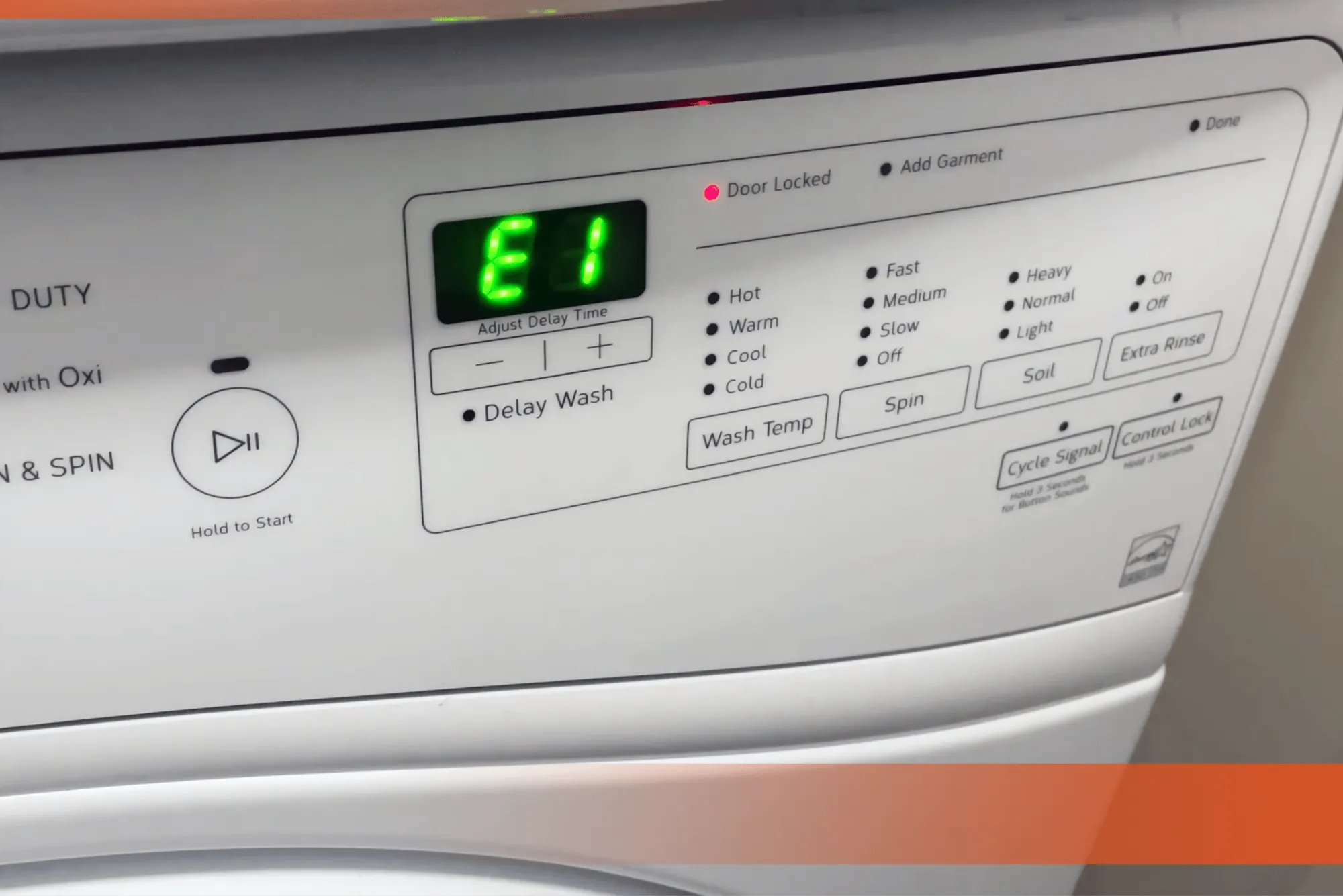
Some washers include a reset function that can recalibrate the door lock mechanism. Consulting the washer’s user manual to perform a reset may resolve the issue if the problem is sensor-related rather than mechanical. If a reset does not work, or if there are signs of electrical faults such as a control panel error, it is best to contact a certified washer repair service. Attempting complex electrical repairs without experience can be dangerous and may void the warranty of the machine.
The Importance of Professional Washer Repair Service
While minor issues can sometimes be resolved at home, a washer door repair that won’t latch often requires the attention of experienced technicians. Professional washer repair service ensures that repairs are carried out safely and effectively, minimizing the risk of further damage to the appliance.
Certified repair technicians have the knowledge and expertise to quickly identify the root cause of a door latch problem. Their experience allows them to determine whether the issue is mechanical, such as a broken latch or hinge, or electrical, such as a faulty sensor or wiring problem. This expertise ensures the repair is done correctly the first time, avoiding recurring problems that could arise from improper DIY fixes.
Safety is another critical advantage of professional repair service. Washing machines involve both water and electricity, and tampering with electrical components without proper knowledge can be hazardous. Technicians follow strict safety protocols, protecting both the homeowner and the appliance during the repair process.
In addition, professional repair services use high-quality replacement parts that are compatible with the washer’s make and model. This guarantees that the repair is long-lasting and that the washer operates efficiently after the service. Attempting to fix a broken latch with inferior or incompatible parts may result in further damage or reduced functionality.
Time and convenience are also major considerations. Troubleshooting and repairing a washer door yourself can be time-consuming, particularly if the problem involves electrical components or complex mechanisms. A professional service saves valuable time by quickly diagnosing the issue and completing the repair efficiently.
Preventing Washer Door Problems
Regular maintenance and careful use can prevent many issues that lead to a washer door not latching. Consistently cleaning the door frame and latch area prevents buildup of lint, detergent residue, or small debris. Avoiding overloading the washer reduces stress on the door and latch mechanism, decreasing the likelihood of misalignment or breakage.
Closing the door gently, rather than slamming it, helps maintain proper alignment and prevents damage to the hinge or latch. Scheduling periodic checkups with a professional washer repair service can also catch minor problems before they escalate into major issues. These routine inspections help ensure that both mechanical and electrical components are functioning correctly and safely.
Taking preventive measures not only reduces the chances of a washer door refusing to latch but also extends the overall lifespan of the appliance. Regular maintenance, careful usage, and timely professional assistance combine to keep the washer performing reliably for years.
When to Contact Washer Repair Service
Even with preventive care and basic troubleshooting, some problems require professional intervention. If the washer door continues to refuse to latch despite careful inspection, or if the latch appears broken or damaged, it is time to call a certified washer repair service.
Electrical or sensor issues are particularly challenging for homeowners to address. If the machine’s control panel displays errors, or if the washer fails to start despite the door appearing closed, these issues often stem from malfunctioning electronics. Attempting to repair electrical faults without proper training can be dangerous and may worsen the problem. Certified technicians have the skills and tools to diagnose these issues accurately and perform safe, effective repairs.
Persistent water leaks or unusual noises during operation also indicate that professional assistance is required. These symptoms often accompany a door that won’t latch and may signify additional mechanical problems. Addressing these issues promptly prevents further damage and ensures the washer remains safe to use.
How Professional Technicians Ensure Reliable Repairs
When a professional technician is called, the repair process typically begins with a thorough inspection of the washer, including both mechanical and electrical components. The technician assesses the door, latch, hinges, sensors, and wiring to determine the root cause of the problem.
Once identified, the technician performs precise repairs using high-quality replacement parts. This may involve replacing a broken latch, adjusting door alignment, repairing or replacing sensors, or fixing electrical connections. Throughout the repair process, safety protocols are strictly followed to prevent accidents and protect the integrity of the appliance.
After completing the repair, the technician tests the washer thoroughly to ensure that the door latches correctly and that the machine operates efficiently. This guarantees that the washer is safe to use and that the problem will not recur in the near future.
A washer door that won’t latch can disrupt daily life and lead to more serious mechanical or electrical issues if not addressed promptly. Understanding the common causes of this problem, performing safe troubleshooting, and knowing when to engage a professional washer repair service can save homeowners time, money, and frustration.
Preventive care, including gentle use, regular cleaning, and periodic maintenance, plays a crucial role in avoiding door latch problems. However, for persistent or complex issues, professional repair is the most reliable solution. Certified technicians provide the expertise, safety, and quality needed to restore your washer to full functionality.