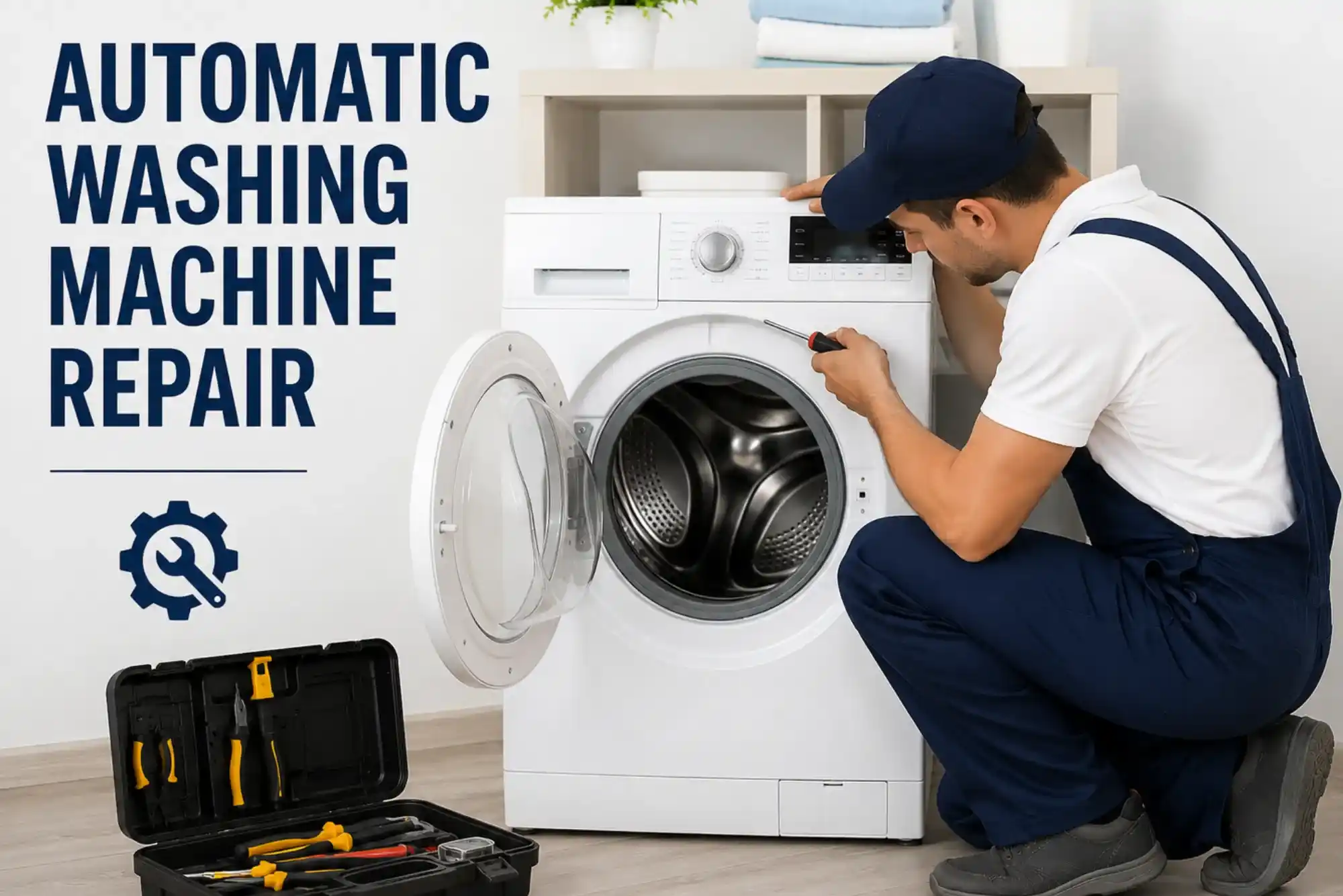
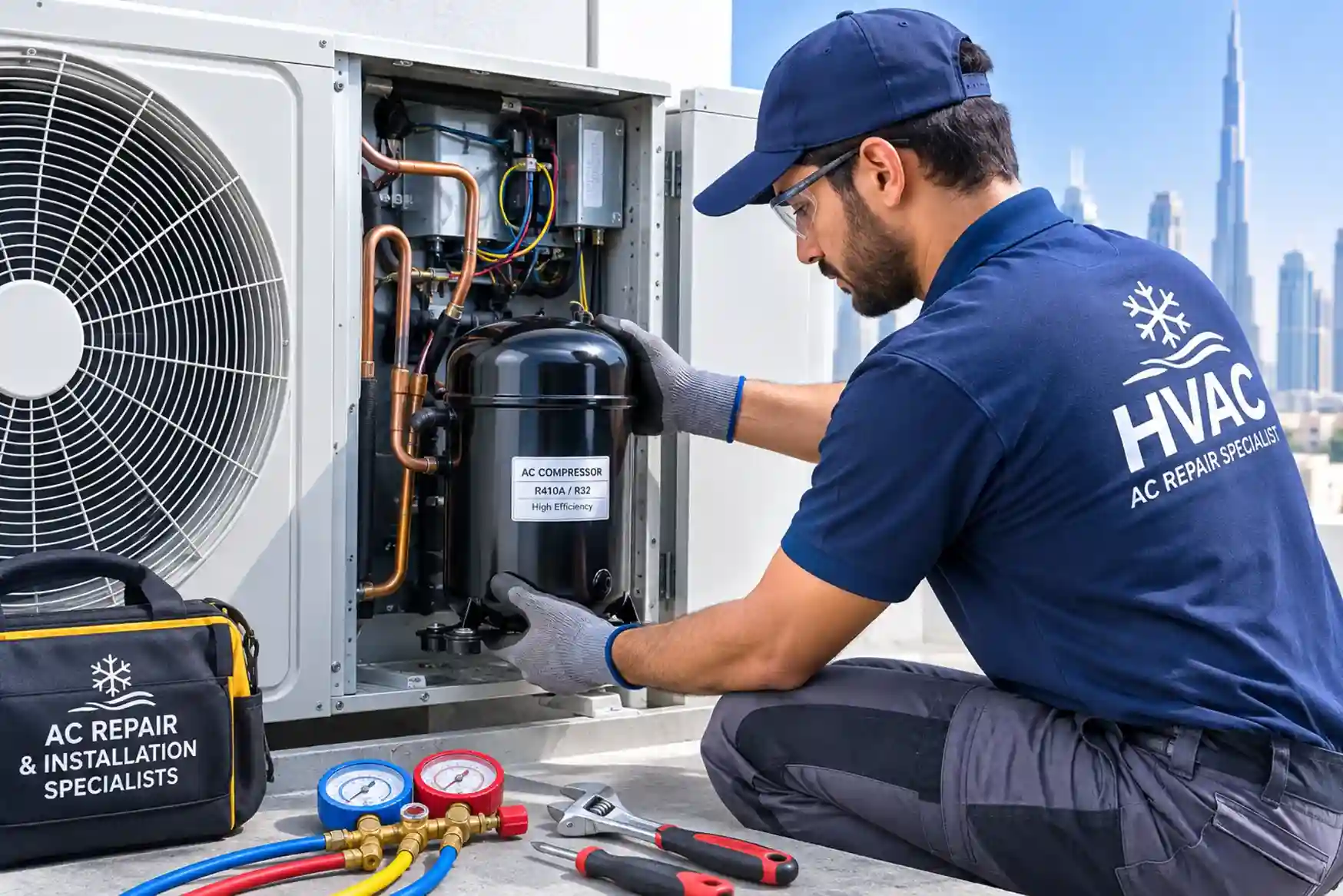
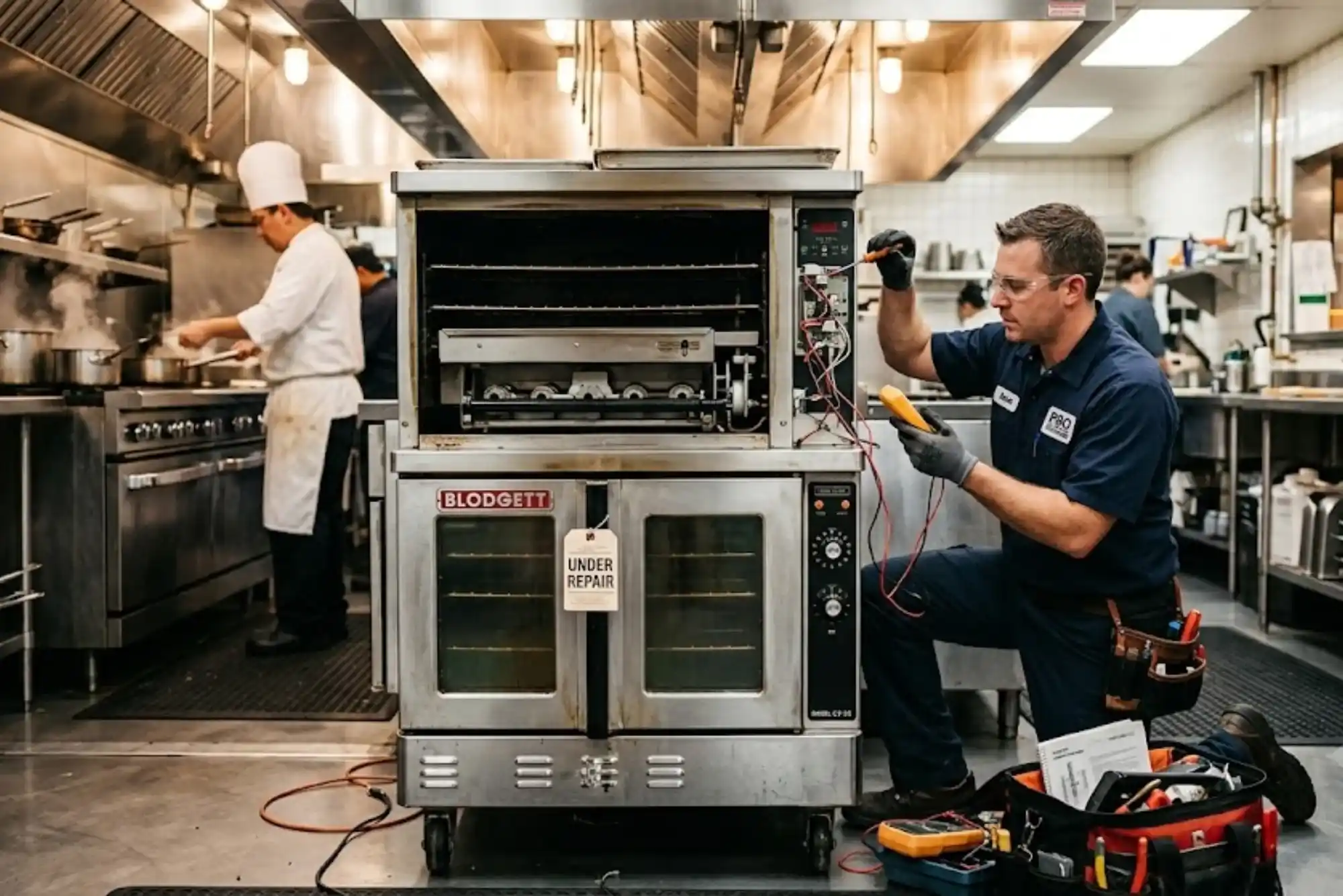
A top load washing machine is a dependable household appliance that simplifies laundry by combining efficiency with convenience. However, like any mechanical device, it depends heavily on its internal components—especially the motor—to function effectively. The motor is the heart of the washing machine, driving the drum during the wash and spin cycles. When this motor begins to fail, the appliance’s performance deteriorates, leading to poor washing results or complete breakdown. Understanding how and why to replace a washing machine motor is essential for maintaining your appliance and ensuring longevity.
Professional washing machine repair services focus on diagnosing and fixing such critical issues efficiently. Let’s explore the process, signs of motor failure, and why hiring professionals for motor replacement ensures better performance and safety.
Understanding the Role of the Motor in a Top Load Washing Machine
The motor in a top load washing machine is responsible for generating the rotational force that agitates and spins the drum. It connects to the transmission and the drive belt, controlling both the agitation during the wash cycle and the spinning motion during the rinse cycle. A well-functioning motor ensures balanced drum rotation, proper cleaning, and effective water extraction.
Over time, continuous usage, overloading, and poor maintenance can strain the motor, leading to overheating or burnout. When the motor fails, it affects the entire operation, and your washing machine may stop spinning, agitating, or even starting.
Common Signs Your Washing Machine Motor Needs Replacement
A faulty washing machine motor rarely stops working without warning. Several symptoms indicate potential motor failure. The most noticeable sign is when the washing machine stops mid-cycle or fails to spin even though power is supplied. Another common indication is when you hear a humming or buzzing noise during the wash or spin process, suggesting that the motor is trying to start but lacks sufficient torque.
Additionally, the motor may emit a burning smell due to overheated coils or internal short circuits. The drum might not rotate properly, or it could spin irregularly, signaling an imbalance between the motor and the drive system. In some cases, the machine may trip the electrical circuit, pointing to electrical issues within the motor assembly. When such symptoms appear, professional washing machine repair should be your next step before further damage occurs.

Why Professional Motor Replacement Is Essential
Replacing a washing machine motor is not as simple as swapping out a small component. The process requires technical skill, proper tools, and an understanding of electrical systems. Attempting a motor replacement without training can cause serious damage to your appliance or even result in electrical hazards.
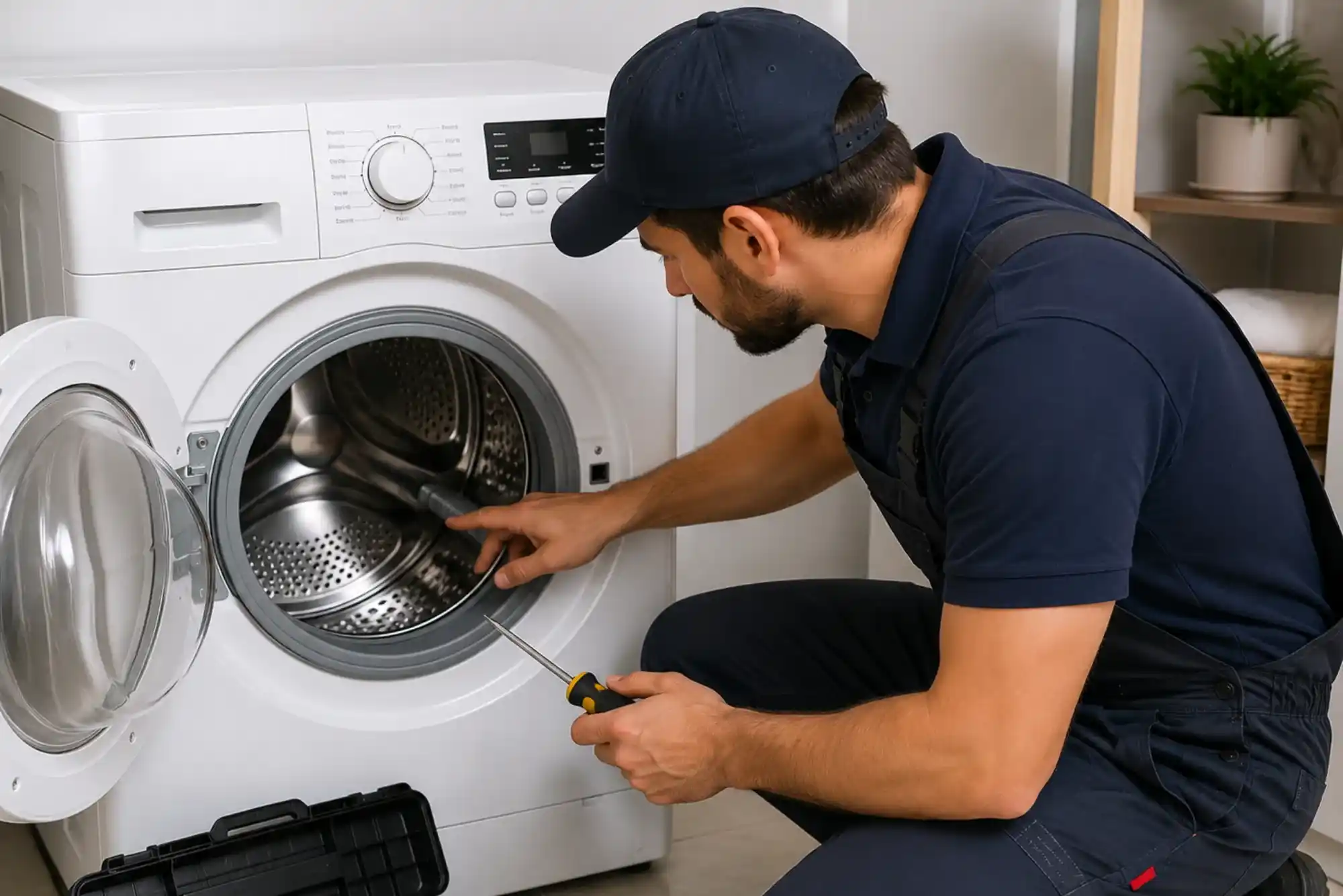
Professional technicians have the expertise to diagnose whether the issue truly lies with the motor or another connected part like the capacitor, belt, or transmission. They ensure that the replacement motor is compatible with your specific washing machine model and that it is installed correctly to avoid vibration or misalignment.
Another major advantage of hiring professionals is warranty protection. Many washing machines come with warranties that become void if an unqualified individual tampers with the internal components. By using certified technicians, you maintain your warranty and ensure your machine receives genuine parts.
The Process of Motor Replacement
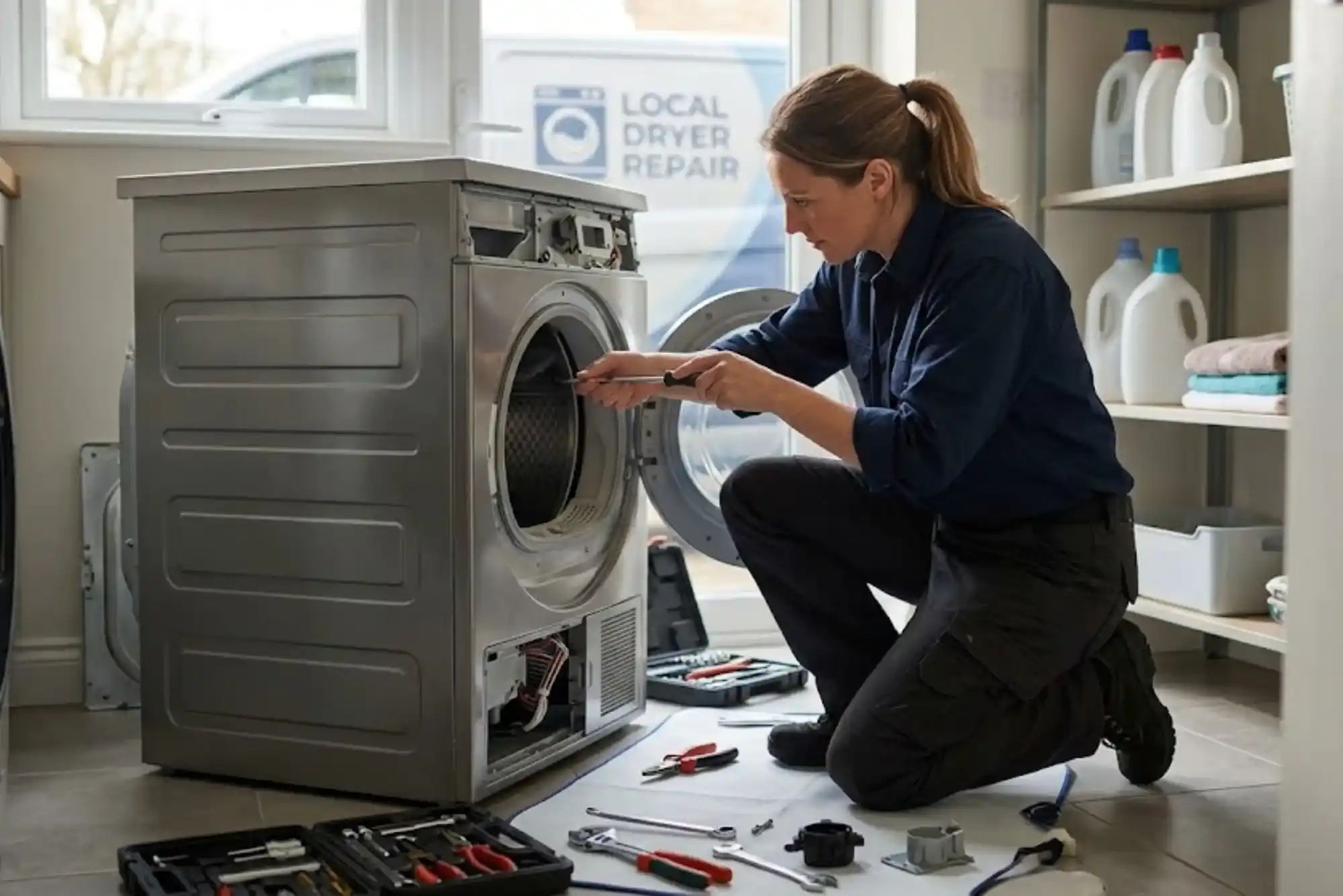
The procedure for replacing a top load washing machine motor involves several detailed steps that must be handled carefully. First, the technician disconnects the washing machine from the power source to ensure safety. The appliance is then positioned for access to the bottom or rear panel where the motor is mounted.
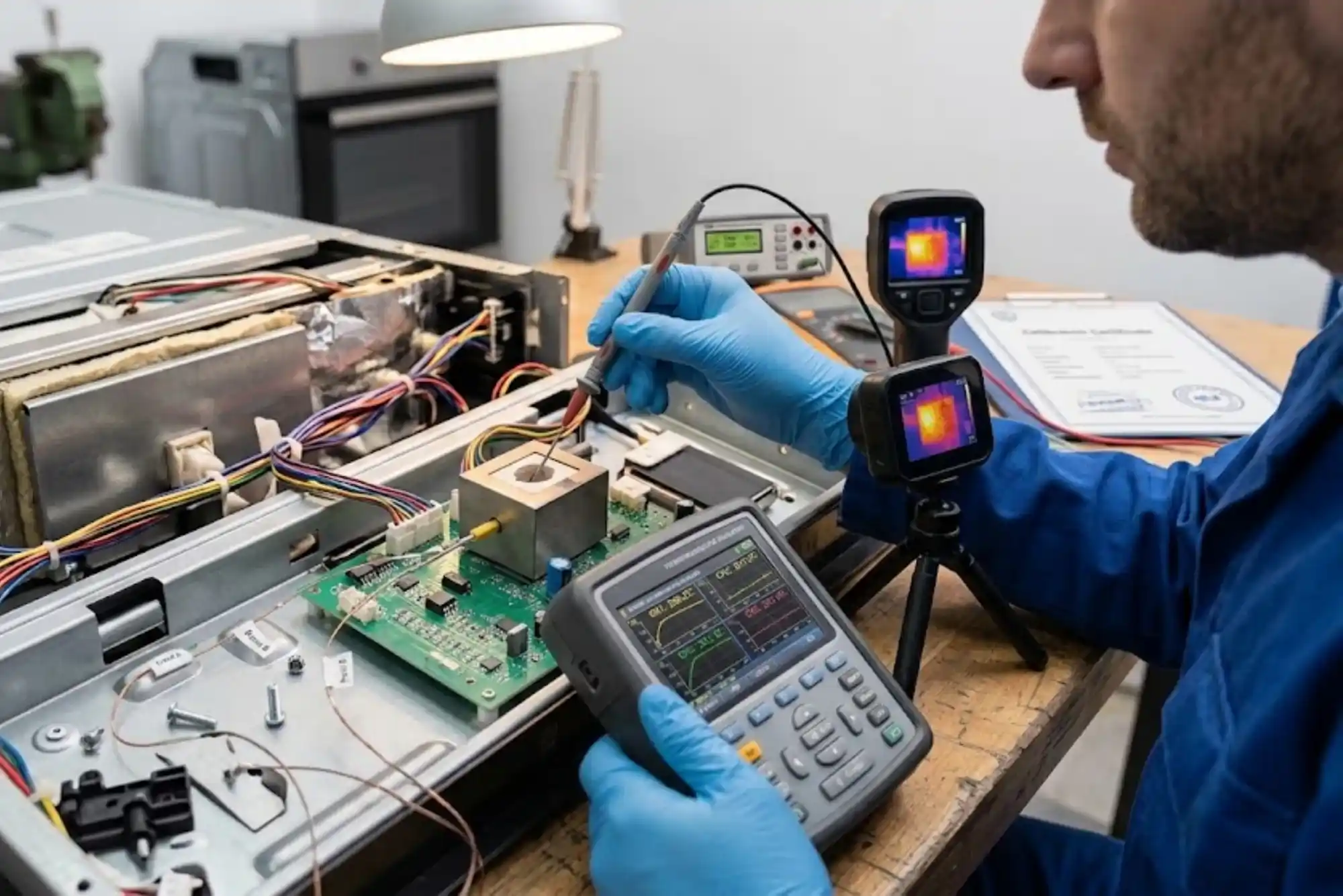
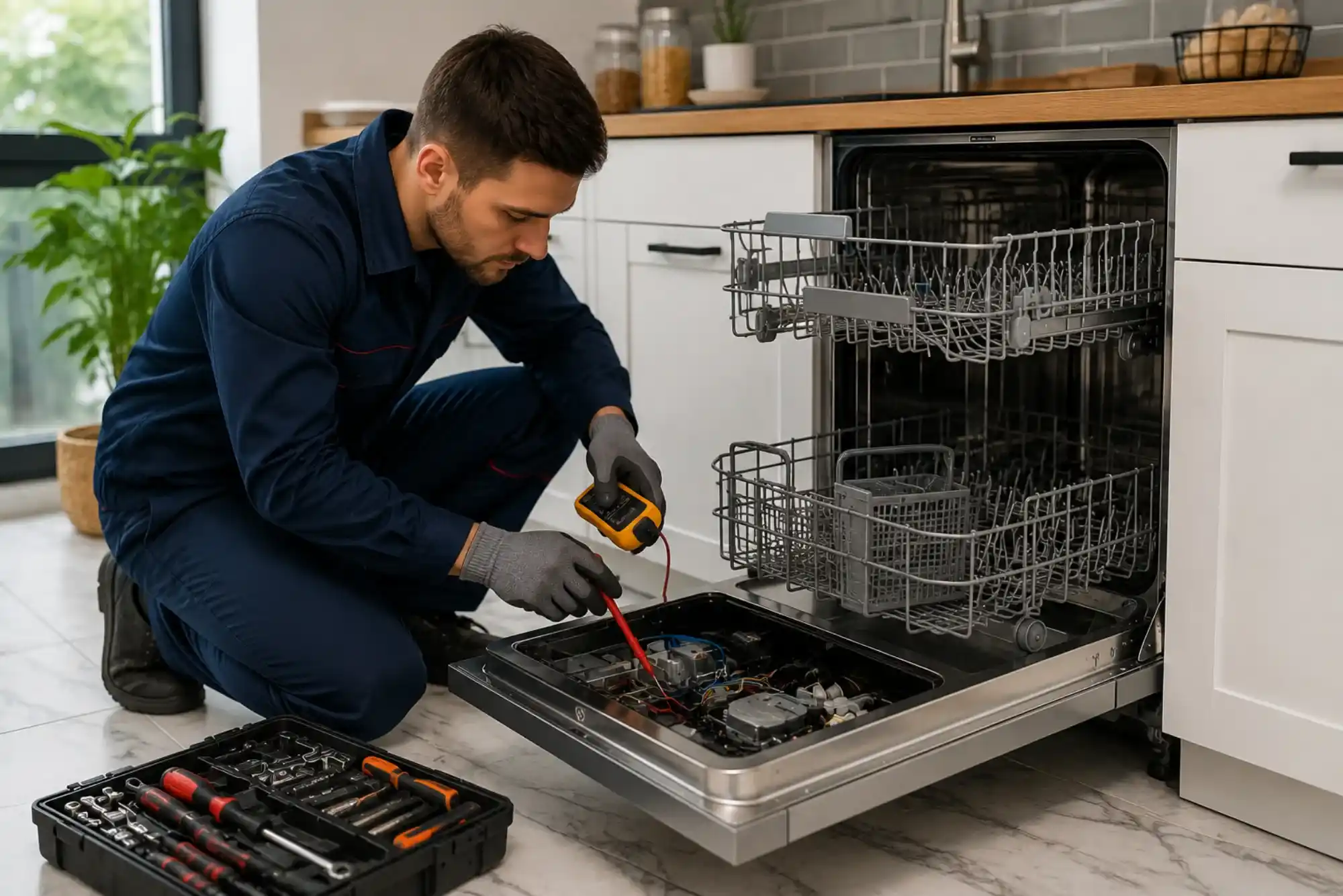
After removing the protective cover, the technician detaches the belt or coupling that connects the motor to the transmission. The old motor is then tested with a multimeter to confirm failure before being completely removed. Wiring connections are carefully labeled or photographed for accurate reinstallation. Once the new motor is positioned and secured, all electrical connectors and belts are reattached, ensuring proper alignment.
Finally, the machine is tested through a full cycle to verify that the new motor runs smoothly without excessive noise or vibration. This step ensures that your washing machine operates efficiently and safely once again.
Benefits of Replacing a Faulty Motor
Replacing a damaged motor revitalizes your washing machine’s performance. It restores the proper spin speed, improves wash quality, and reduces energy consumption. A new motor also operates more quietly, eliminating the loud noises often associated with worn-out bearings or burnt coils.
In addition, a well-functioning motor extends the overall life of your appliance. Instead of spending a significant amount on a brand-new washing machine, motor replacement offers a cost-effective solution. Professional washing machine repair ensures that all internal parts work harmoniously, providing optimal performance for years to come.
Importance of Using Genuine Replacement Parts
Using genuine manufacturer-approved replacement parts is a critical aspect of any repair service. Authentic motors are designed specifically for your washing machine model and meet the manufacturer’s quality standards. These parts ensure durability, compatibility, and safety.
Counterfeit or low-quality motors may seem affordable initially but often result in additional problems such as overheating, excessive vibration, or premature burnout. Professional service providers source genuine parts from authorized suppliers, giving you peace of mind that your appliance will perform as intended.
How Regular Maintenance Prevents Motor Damage
Regular maintenance plays a major role in preventing motor-related failures. Avoid overloading your washing machine, as it puts excessive strain on the motor and belts. Keeping the machine balanced during operation helps prevent uneven wear. Periodic cleaning of lint filters and checking for water leaks also reduces internal corrosion and mechanical resistance.
Professional servicing once or twice a year can help detect early signs of wear before they lead to a complete breakdown. A technician can test the motor’s electrical resistance, inspect the bearings, and ensure proper lubrication of moving parts. This proactive approach saves time and money while maintaining washing efficiency.
Safety Considerations During Motor Replacement
Safety is paramount during any electrical repair. Motor replacement involves dealing with live wires, capacitors, and high-voltage connections. Only qualified technicians should handle such repairs to prevent electrical shock or short circuits.
Professionals follow safety protocols, including disconnecting the appliance from power, using insulated tools, and testing for residual voltage. They also ensure that grounding connections are intact to protect both the user and the appliance. When handled correctly, motor replacement restores the washing machine’s performance without compromising safety.
Choosing the Right Washing Machine Repair Service
Selecting a reliable washing machine repair company is crucial for quality motor replacement. Look for technicians who are trained, experienced, and authorized by appliance brands. A professional service provider will offer transparent pricing, genuine parts, and a workmanship warranty.
Customer reviews, certifications, and response time are good indicators of reliability. A professional repair team values customer satisfaction and ensures that your appliance receives prompt attention and precise repairs. With the right experts, your washing machine will return to its optimal working condition in no time.
The motor is the powerhouse of a top load washing machine, and when it fails, your entire laundry routine is disrupted. Understanding the signs of motor failure and opting for professional washing machine repair services ensures that your appliance continues to operate efficiently and safely.
Replacing the motor is not merely about fixing a single part—it’s about restoring balance, performance, and longevity to your washing machine. With genuine parts, expert installation, and regular maintenance, your appliance can serve you effectively for many more years. Trust professionals to handle the job with precision and care, ensuring your washing machine runs smoothly, quietly, and reliably once again.