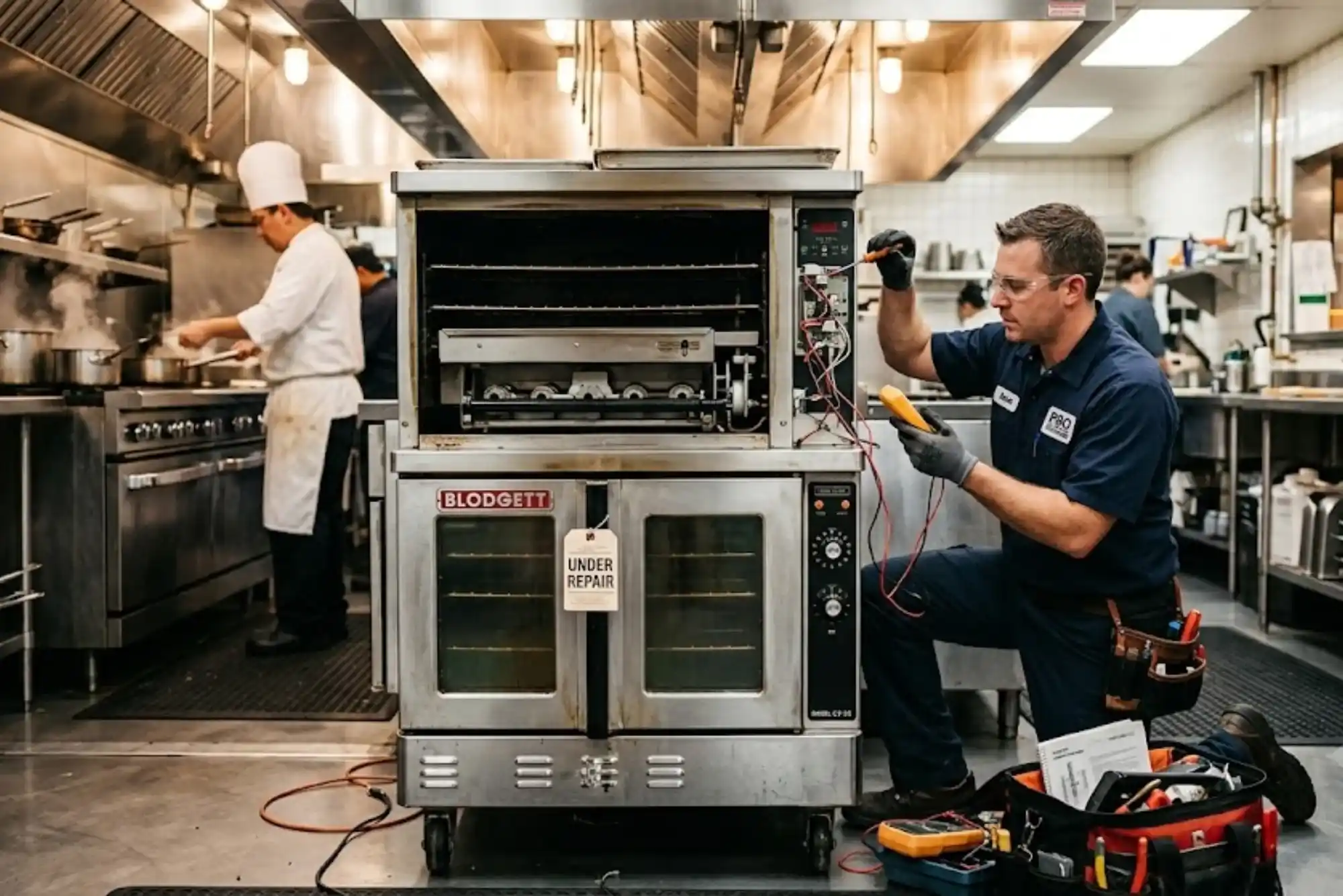
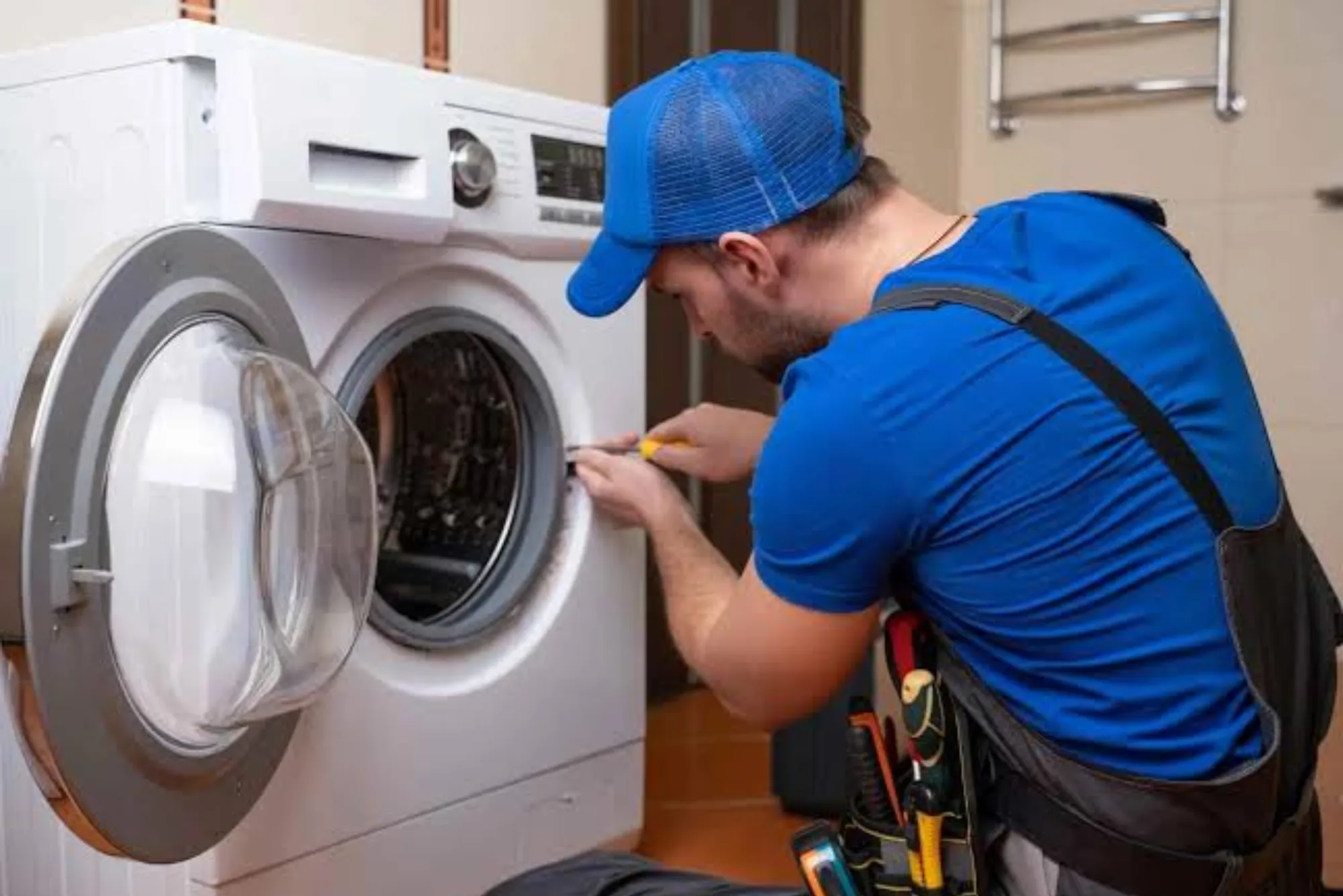
Modern kitchens are designed for efficiency, comfort, and safety. Among the many essential appliances in a home, the stove stands out as one of the most frequently used and potentially hazardous devices. While homeowners often focus on cleaning, maintenance, and Stove repair when issues arise, one critical safety component is frequently overlooked: the anti-tip bracket. Stove anti-tip bracket installation is not just a technical procedure; it is a vital safety measure that prevents serious accidents and ensures long-term appliance stability.
A stove may appear heavy and stable, but without proper anchoring, it can tip forward if excessive weight is placed on the open oven door. This risk becomes especially dangerous in homes with children, elderly individuals, or high kitchen activity. Professional Stove anti-tip bracket installation provides the necessary reinforcement to keep the appliance securely anchored to the floor or wall, significantly reducing the risk of injury and property damage.
Understanding the Purpose of an Anti-Tip Bracket
An anti-tip bracket is a small but highly important metal device designed to anchor the stove firmly in place. It prevents the range from tipping forward when downward pressure is applied to the oven door. Without this bracket, the stove’s center of gravity can shift when the door is open and weighted, causing the entire appliance to fall forward.
The consequences of a tipping stove can be severe. Hot food, boiling liquids, and heavy cookware can spill, leading to burns, fires, or structural damage. Stove anti-tip bracket installation is therefore a proactive safety solution rather than a reactive Stove repair service. It addresses a hidden risk before it turns into a costly and dangerous incident.
Many modern stoves are manufactured with anti-tip brackets included, but improper installation or relocation during kitchen remodeling may leave the bracket disengaged. Over time, even minor movements during cleaning or Stove repair can cause the appliance to shift away from its bracket.
Why Stove Anti-Tip Bracket Installation Is Essential
Kitchen safety is a priority for homeowners and property managers alike. Stove anti-tip bracket installation is often recommended by appliance manufacturers and safety authorities because it prevents one of the most common household appliance accidents.

When an oven door is opened and weight is applied, such as when a child climbs on it or a heavy dish is placed on it, the stove can pivot forward. The anti-tip bracket works as a stabilizing anchor, holding one of the rear legs of the stove firmly in place. This mechanical restraint ensures the appliance remains upright even under stress.
In addition to safety, proper installation also supports appliance longevity. A stove that shifts or rocks can experience strain on gas lines, electrical connections, and internal components. Over time, this instability may require professional Stove repair due to damaged connections or uneven wear. By securing the stove properly, homeowners reduce the likelihood of these mechanical issues.
The Relationship Between Stove Anti-Tip Bracket Installation and Stove Repair
While Stove anti-tip bracket installation is primarily a safety measure, it also plays a significant role in preventing future Stove repair needs. A stove that is not properly secured may move slightly each time it is used. These small shifts can loosen gas fittings, electrical wiring, and internal mounting hardware.
Gas leaks are among the most dangerous outcomes of an unsecured stove. Even a minor displacement can create stress on the gas supply line. Professional Stove repair technicians often discover that loose connections are linked to improper anchoring. By ensuring the anti-tip bracket is correctly installed, homeowners minimize stress on critical components.
Electrical stoves also benefit from secure installation. Movement can strain power cords or internal wiring, leading to intermittent performance issues. Over time, this may result in heating inconsistencies or complete malfunction, requiring costly Stove repair services. Stability, therefore, directly contributes to operational reliability.
Professional Installation Versus DIY Attempts
Although Stove anti-tip bracket installation may seem straightforward, professional installation is strongly recommended. Proper alignment, secure anchoring, and accurate measurement are essential for effective performance. Incorrect installation can create a false sense of security, leaving the stove vulnerable to tipping despite the presence of a bracket.
Professional technicians understand the structural variations of flooring materials such as tile, wood, or concrete. Each surface requires specific anchoring techniques to ensure the bracket holds firmly. Additionally, installers confirm that the stove leg fully engages with the bracket after placement.
Many homeowners call for Stove repair services when they notice rocking or instability. In many cases, the issue is not a mechanical failure but an improperly installed or disengaged anti-tip bracket. A trained technician can inspect both the bracket and the overall stove condition, addressing safety and performance concerns simultaneously.
The Installation Process Explained
Stove anti-tip bracket installation begins with identifying the correct bracket placement according to the manufacturer’s specifications. The technician measures the position of the rear leg of the stove to ensure precise alignment. The bracket is then anchored securely to the floor or wall using appropriate hardware.
After installation, the stove is carefully moved back into position, ensuring one of the rear legs slides directly into the bracket. The technician tests the stability by gently applying forward pressure to confirm the appliance does not tip.
In some cases, Stove repair professionals may also inspect gas or electrical connections during installation. This integrated approach ensures both safety and functionality are addressed in a single service visit.
Common Signs Your Stove May Not Be Properly Secured
Homeowners often assume their stove is stable simply because it appears steady during normal use. However, subtle signs may indicate the anti-tip bracket is missing or disengaged. If the stove shifts slightly when pressure is applied to the oven door, this may signal improper anchoring.
Another indication is visible movement during cleaning. If the stove slides forward easily when pulled, it may not be locked into its bracket. During routine Stove repair inspections, technicians often check for bracket engagement to prevent safety hazards.
Ignoring these signs can lead to serious consequences. Even minor instability can escalate into a dangerous tipping event under the right conditions.
Compliance and Safety Standards
Many building codes and appliance safety guidelines require Stove anti-tip bracket installation for new stove installations. Manufacturers include anti-tip devices with modern ranges to comply with safety standards. However, compliance depends entirely on correct installation.
Property owners, landlords, and commercial kitchen operators must ensure their appliances meet safety regulations. Failure to install or maintain anti-tip brackets can expose them to liability in case of injury. Regular Stove repair and maintenance inspections should include verification of bracket engagement.
Ensuring compliance not only protects residents and customers but also demonstrates a commitment to responsible property management.
Protecting Children and Vulnerable Individuals
One of the most compelling reasons for Stove anti-tip bracket installation is child safety. Children may unknowingly place weight on an open oven door or attempt to climb onto it. Without proper anchoring, the stove can tip forward with devastating consequences.
Burn injuries caused by spilled hot liquids are among the most severe kitchen-related accidents. An anti-tip bracket acts as a silent safeguard, preventing such incidents before they occur. Families with young children should prioritize this installation as highly as smoke detectors and fire extinguishers.
Elderly individuals may also lean on the oven door for support. Proper installation ensures the appliance remains stable under unexpected weight, reducing the risk of falls or burns.
Long-Term Benefits of Proper Installation
Stove anti-tip bracket installation provides lasting peace of mind. Once correctly installed, the bracket functions continuously without requiring frequent adjustments. Combined with regular Stove repair and maintenance services, it forms part of a comprehensive kitchen safety strategy.
Stable appliances operate more efficiently. Reduced movement minimizes stress on internal components, supporting consistent heating performance. This stability can extend the lifespan of the stove and lower long-term repair costs.
Furthermore, homeowners who invest in safety upgrades often increase the overall value of their property. Prospective buyers appreciate visible safety measures and properly maintained appliances.
The Role of Regular Maintenance
Even after proper Stove anti-tip bracket installation, periodic inspection remains important. Kitchen renovations, flooring replacements, or appliance relocation can disrupt bracket alignment. During any Stove repair service, technicians should confirm that the bracket remains engaged.
Routine maintenance ensures both safety and efficiency. By integrating bracket inspection into regular Stove repair visits, homeowners maintain optimal appliance performance while minimizing risk.
A proactive approach prevents emergencies. Instead of reacting to accidents or breakdowns, homeowners create a safer environment through consistent professional oversight.
Choosing a Reliable Stove Repair Professional
Selecting an experienced Stove repair technician is crucial for effective Stove anti-tip bracket installation. Qualified professionals understand manufacturer specifications, safety standards, and proper anchoring techniques. They also conduct thorough inspections to identify hidden issues that may compromise stability.
Reputable service providers prioritize safety as much as functionality. They offer transparent assessments and ensure that every component of the stove is operating correctly before completing the service.
Investing in professional expertise protects both the appliance and the household. Safety installations should never be treated as optional add-ons but as essential components of responsible homeownership.
Safety Starts with Stability
Stove anti-tip bracket installation is a small yet powerful step toward preventing serious kitchen accidents. While Stove repair addresses operational problems, proper bracket installation prevents physical hazards that can cause injury or property damage. Together, these services create a safer and more reliable cooking environment.
A stable stove supports not only daily convenience but also long-term peace of mind. By ensuring correct installation and regular inspection, homeowners safeguard their families, protect their investment, and maintain compliance with safety standards.