Refrigerators are among the most essential appliances in both homes and commercial settings. They work continuously to preserve food, maintain safe temperatures, and ensure the smooth functioning of daily routines. Despite their importance, many people underestimate how critical regular cleaning and maintenance are for keeping the appliance efficient and long-lasting. Dust accumulation on condenser coils, food spills inside compartments, and neglected seals can reduce cooling performance and force the compressor to work harder, leading to higher electricity bills and potential breakdowns. Regular attention to these issues not only maintains the appliance’s efficiency but also prevents costly repairs, supports energy savings, and ensures food remains safe and fresh. Following practical refrigerator cleaning and maintenance tips is essential for households and businesses alike, helping the appliance operate at optimal performance throughout its lifespan.
How Cleanliness Affects Refrigerator Performance
The cleanliness of both the interior and exterior directly impacts a refrigerator’s functionality. Inside the appliance, spills, crumbs, and food residue can create a breeding ground for bacteria and unpleasant odors. Over time, these residues spread, making it difficult to maintain a hygienic environment and potentially affecting the taste and safety of stored food. In commercial refrigerators, poor hygiene can lead to larger-scale contamination, putting inventory and customer safety at risk. On the exterior, dust and dirt accumulating on coils, vents, and fans hinder proper airflow. Blocked airflow forces the compressor to work harder to maintain the desired temperature, which can shorten its lifespan and increase energy consumption. Regularly cleaning both the interior and exterior as part of refrigerator cleaning and maintenance tips ensures smooth operation, consistent cooling, and a healthier environment for food storage.
The Role of Temperature Control in Food Safety
Maintaining the right temperature is critical for preserving food quality. Improper cooling can accelerate spoilage in residential refrigerators and compromise inventory in commercial units. Temperature inconsistencies may cause some items to freeze while others remain too warm, reducing freshness and increasing the risk of bacterial growth. Components such as thermostats, fans, and airflow vents depend on regular cleaning to function accurately. Dust, debris, or blocked vents can interfere with these systems, resulting in uneven cooling. By following refrigerator cleaning and maintenance tips, users can ensure that temperature controls work properly, protecting food quality, extending the lifespan of the appliance, and minimizing energy waste.
Importance of Door Seals and Proper Organization
Door seals, or gaskets, play a crucial role in maintaining efficiency. If seals become worn, dirty, or cracked, cold air escapes while warm air enters, forcing the compressor to operate more frequently. Over time, this increased workload can lead to mechanical failure and higher electricity costs. Cleaning the seals regularly and checking for signs of wear prevents air leaks and ensures that the refrigerator maintains consistent internal temperatures. Proper organization inside the refrigerator also supports efficiency by allowing air to circulate freely. Overcrowding shelves or blocking vents reduces airflow, leading to uneven cooling and additional strain on the system. Consistent application of refrigerator cleaning and maintenance tips ensures the appliance operates smoothly and energy efficiently.
How Preventive Care Extends Appliance Lifespan
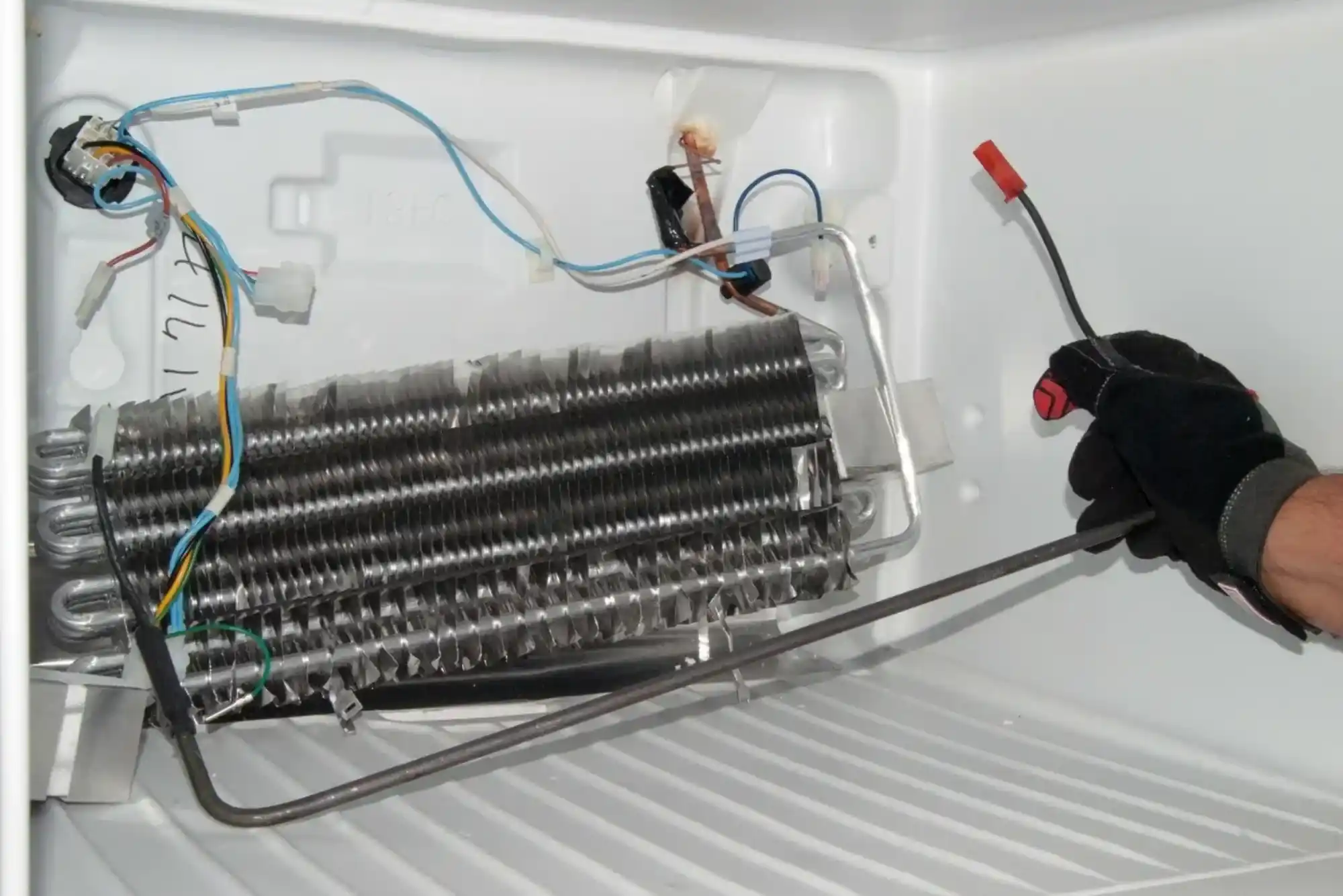
A well-maintained refrigerator lasts longer and performs better. Regular preventive care, including cleaning coils, inspecting fans, defrosting freezer compartments, and wiping interior surfaces, reduces strain on the appliance and prevents early component failure. For residential refrigerators, these practices maintain reliable daily operation, while for commercial refrigerators, preventive care is critical to avoid inventory loss, regulatory issues, and operational downtime. Taking care of minor issues before they escalate saves both money and time in the long run. Integrating refrigerator cleaning and maintenance tips into a routine schedule ensures consistent performance, energy efficiency, and long-term reliability.
Energy Efficiency and Cost Savings
Energy efficiency is closely tied to the appliance’s condition. Dusty coils, dirty fans, and blocked airflow make the compressor work harder, increasing electricity consumption and operational costs. Keeping the appliance clean and well-maintained allows it to maintain temperature effectively with less energy. Organized shelves and proper food placement minimize the time the door remains open, further reducing energy loss. For commercial users, energy-efficient refrigerators can significantly reduce operational costs, while for households, it keeps monthly electricity bills manageable. By following refrigerator cleaning and maintenance tips, users benefit from lower energy consumption, reduced expenses, and more environmentally friendly operation.
Additional Maintenance Considerations
Other important areas to maintain include defrost systems, ice makers, and water dispensers. Ice buildup in freezers restricts airflow and reduces storage capacity, forcing the appliance to work harder. Modern refrigerators may have automatic defrost systems, but periodic inspection is necessary to ensure proper function. Ice makers and water dispensers require regular cleaning to prevent mineral buildup, odors, and bacterial contamination. Maintaining these components as part of an overall refrigerator cleaning and maintenance tips routine guarantees that all features operate correctly, providing clean water, efficient ice production, and safe food storage.
When Professional Assistance Is Needed
While many cleaning and maintenance tasks can be performed at home, some issues require professional attention. Strange noises, temperature inconsistencies, refrigerant leaks, or electrical malfunctions should be handled by trained technicians to prevent further damage. Regular maintenance reduces the likelihood of such problems, but recognizing when professional intervention is necessary is important to maintain appliance reliability. Professional services ensure proper diagnosis, repair, and replacement of faulty components, complementing home maintenance and extending the life of the refrigerator.
Seasonal Maintenance and Long-Term Reliability
Environmental conditions, such as high summer temperatures, increase the workload on refrigerators. Seasonal maintenance, including cleaning coils, checking seals, and adjusting temperature settings, is essential to maintain performance year-round. Consistent care protects the appliance from overheating, energy inefficiency, and premature wear. Applying refrigerator cleaning and maintenance tips consistently ensures long-term reliability, reduces the risk of breakdowns, and keeps the appliance performing efficiently in both residential and commercial environments.
Final Thoughts on Refrigerator Cleaning and Maintenance
Refrigerators are crucial for daily life, and proper cleaning and maintenance are key to preserving efficiency, hygiene, and durability. Long-term appliance performance depends on consistent attention to interior cleanliness, coil and vent care, defrosting, door seal maintenance, and proper organization. Following refrigerator cleaning and maintenance tips protects food quality, reduces energy consumption, prevents unpleasant odors, and minimizes the risk of costly repairs. Both households and businesses benefit from these practices, ensuring reliable refrigeration and extending the appliance’s lifespan.