An oven that doesn’t cook food evenly can be one of the most frustrating kitchen issues. You might find one side of your dish burned while the other remains undercooked, making it nearly impossible to prepare meals properly. This problem is not only inconvenient but also a sign that your appliance needs professional attention. When your oven fails to distribute heat evenly, it often points to issues with its internal components or temperature regulation. Understanding the causes and solutions can help you recognize when it’s time to seek a professional oven repair service.
Understanding Why Your Oven Isn’t Cooking Evenly
Uneven cooking in an oven happens when heat is not circulating as it should. Most modern ovens rely on a balance of heating elements, thermostats, and fans to distribute heat uniformly. When any of these parts malfunction, the oven loses its ability to maintain consistent temperature levels. Common causes include faulty heating elements, broken fans, inaccurate thermostats, or improper calibration. Over time, grease buildup and wear can also affect performance, leading to irregular heating patterns inside the cavity. Recognizing these signs early can save you from further damage and costly replacements.
The Importance of Proper Heat Circulation
Proper heat circulation ensures that food cooks evenly from all sides. In convection ovens, a fan moves hot air around the food, helping it cook faster and more consistently. If the fan or its motor stops working, hot air becomes trapped near the heating element, leaving other areas cooler. This results in inconsistent cooking, such as cookies baking unevenly or meats being raw in the center. An oven repair expert can inspect and test the airflow system, ensuring the fan motor and blades are working correctly to restore optimal heat distribution.
Checking the Heating Elements
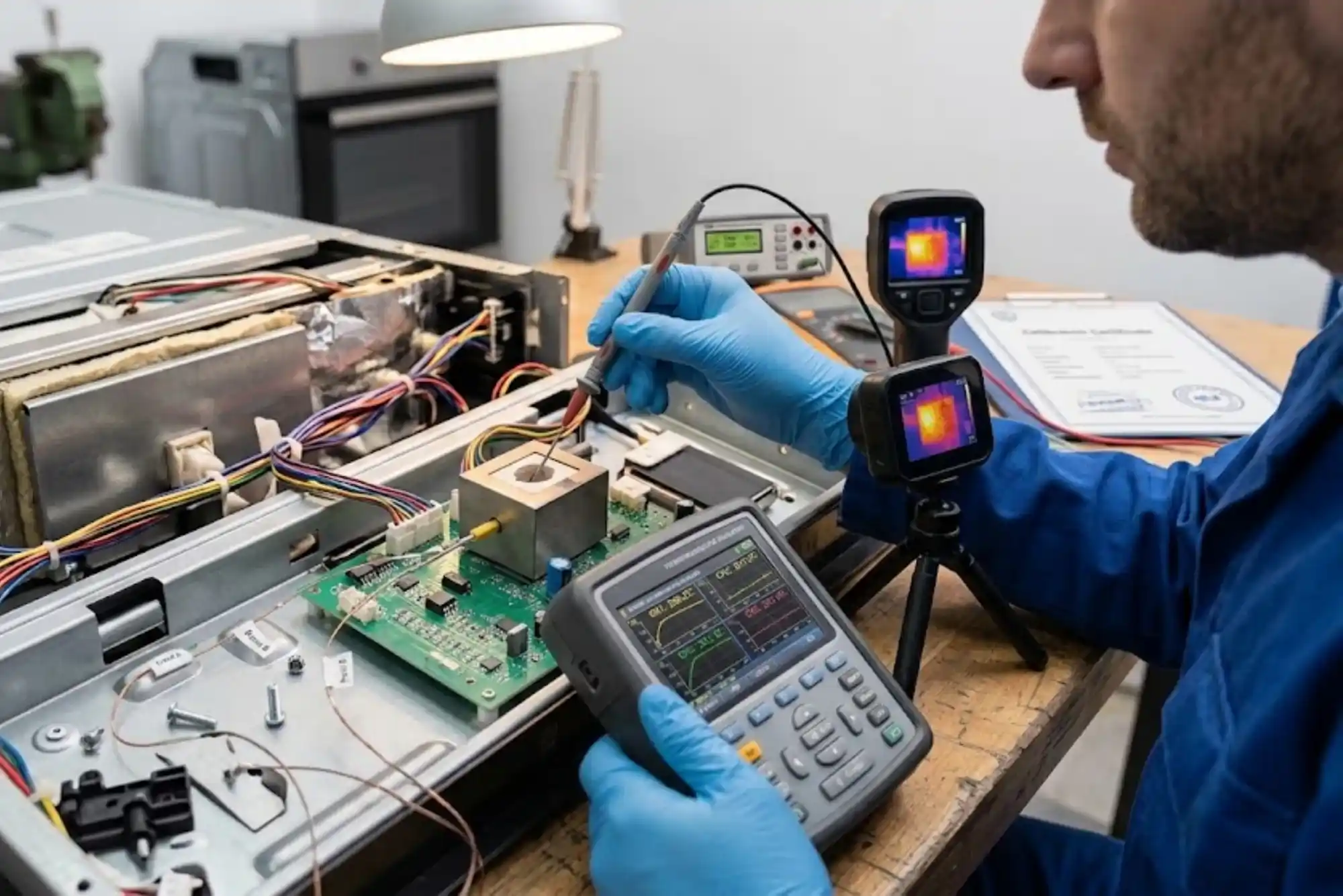
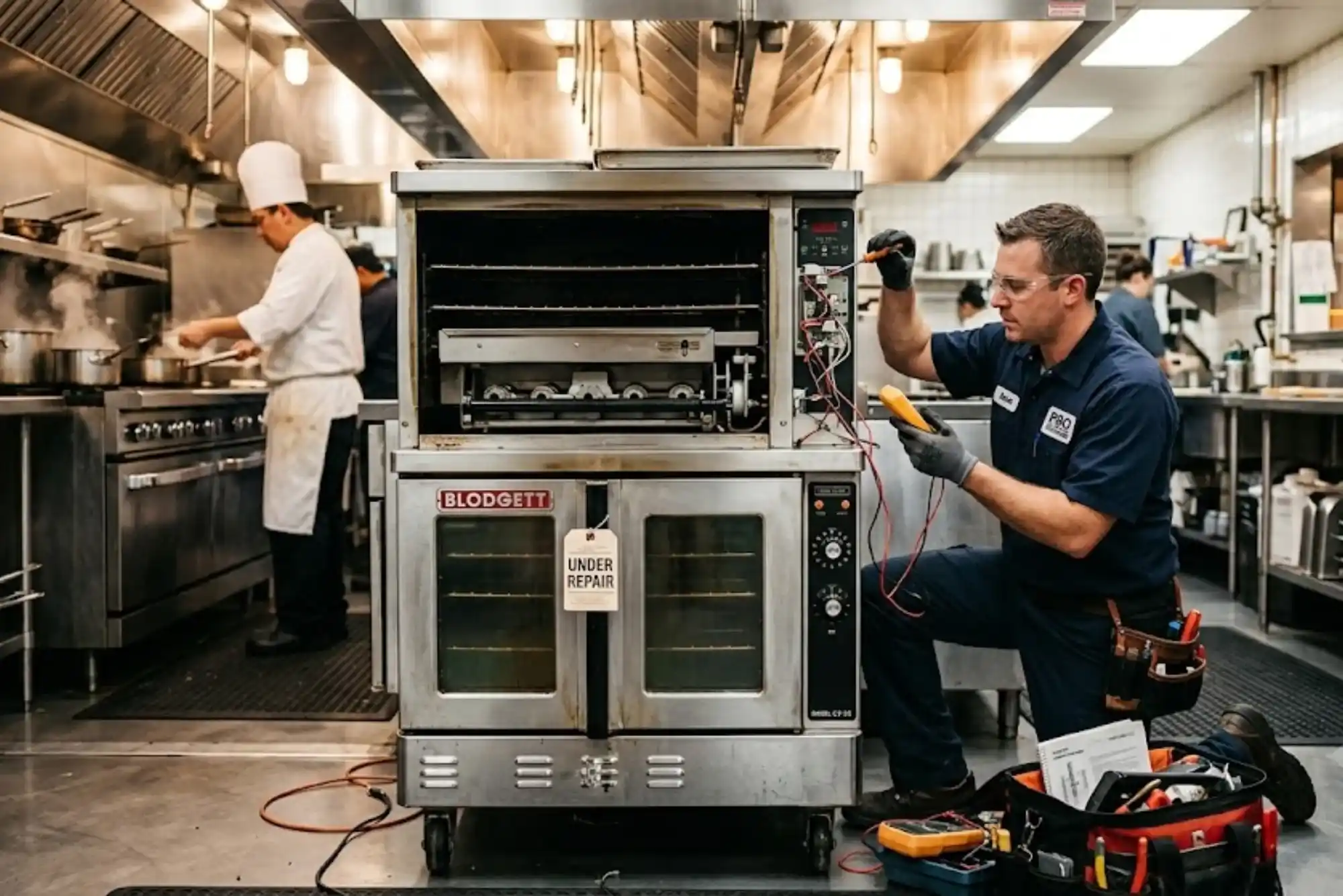
The heating elements in your oven are crucial for generating the required temperature. When one of them burns out or becomes damaged, the oven struggles to reach or maintain even heat. For example, if the bottom element fails, the food may brown on top while remaining raw underneath. Similarly, a malfunctioning top element can prevent proper broiling or baking. During a professional oven repair service, technicians test the resistance of each heating element using specialized tools. If a fault is detected, the element is replaced with a compatible part to ensure efficient heat generation.
Thermostat and Sensor Problems
The thermostat and temperature sensors play a vital role in controlling oven temperature. When these components fail, the oven may overheat or underheat, causing inconsistent results. A faulty thermostat can send incorrect readings to the control board, leading to temperature fluctuations during the cooking cycle. This can make one side of the oven hotter than the other. Professional oven repair involves recalibrating or replacing these sensors to ensure accurate temperature monitoring. Once properly adjusted, your oven can maintain the correct heat levels for evenly cooked meals every time.
Oven Calibration and Maintenance
Sometimes, uneven cooking is not caused by a broken part but by miscalibration. Over time, an oven’s temperature setting can drift away from the actual temperature inside. You might set it to 180°C, but the oven could be heating to only 160°C. This discrepancy affects cooking times and results. Technicians can perform a calibration test using specialized thermometers and adjust the settings to restore accuracy. Routine maintenance checks, such as cleaning the oven cavity and inspecting the gasket seal, can also improve heat consistency and prevent future issues.

Door Seal and Insulation Issues
An oven door that doesn’t close properly allows heat to escape, leading to uneven temperature distribution. The rubber gasket around the door is designed to create an airtight seal, keeping hot air trapped inside. Over time, this gasket can wear out, become loose, or tear, compromising the oven’s efficiency. Poor insulation can also contribute to hot and cold spots inside the oven. A professional oven repair technician can inspect the door alignment, replace damaged seals, and ensure proper insulation to restore even cooking performance.
Electrical and Control Panel Malfunctions
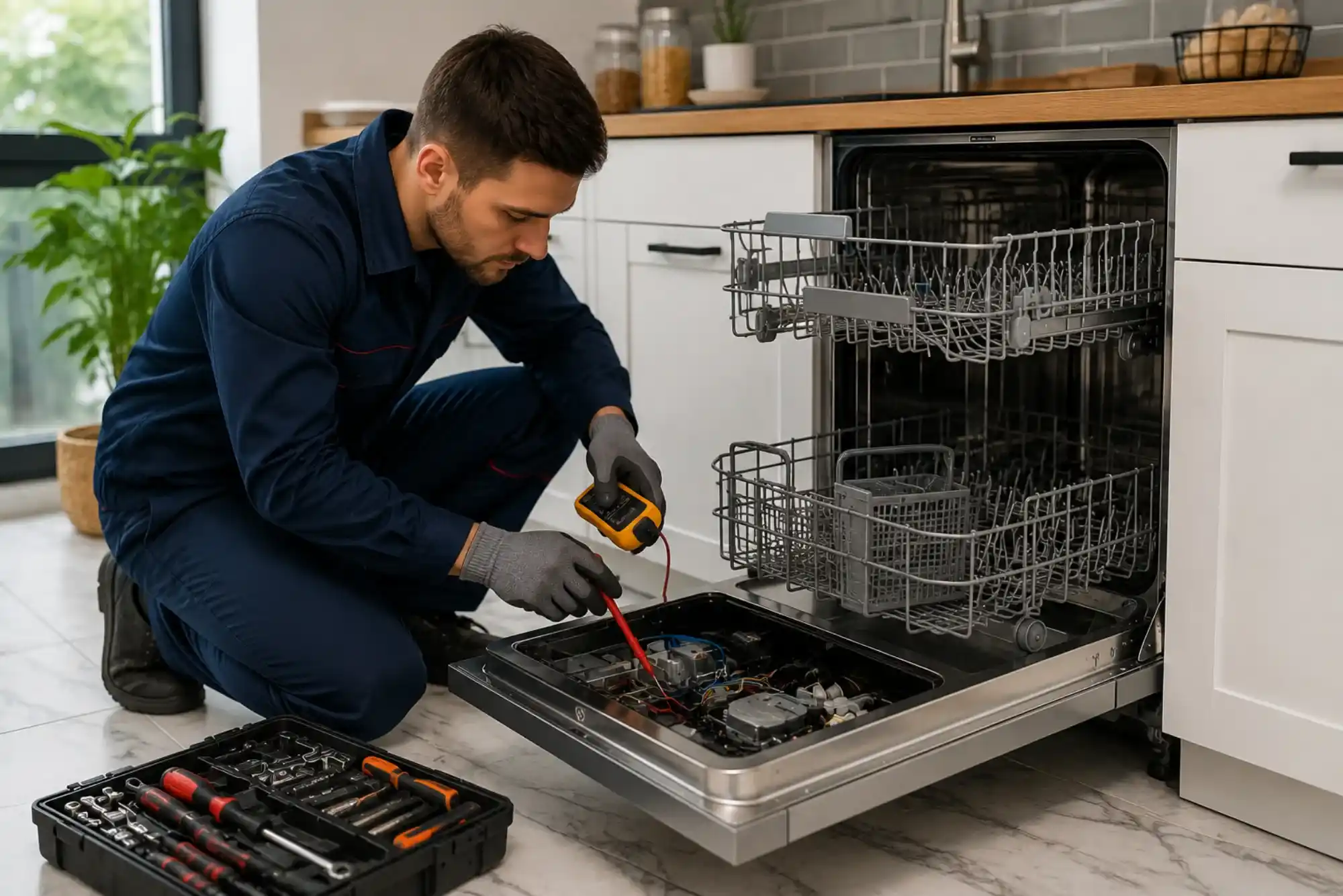
Modern ovens rely heavily on digital control panels and electronic systems. Any electrical malfunction can interfere with temperature control and heating performance. If the control board sends incorrect signals, the heating elements may not operate at the right intensity. This can cause uneven cooking or complete heating failure. Technicians performing oven repair can test the electrical connections, replace damaged wiring, and repair or replace faulty control boards. Restoring the electrical integrity of the oven ensures it functions smoothly and safely.
When to Call a Professional Oven Repair Service
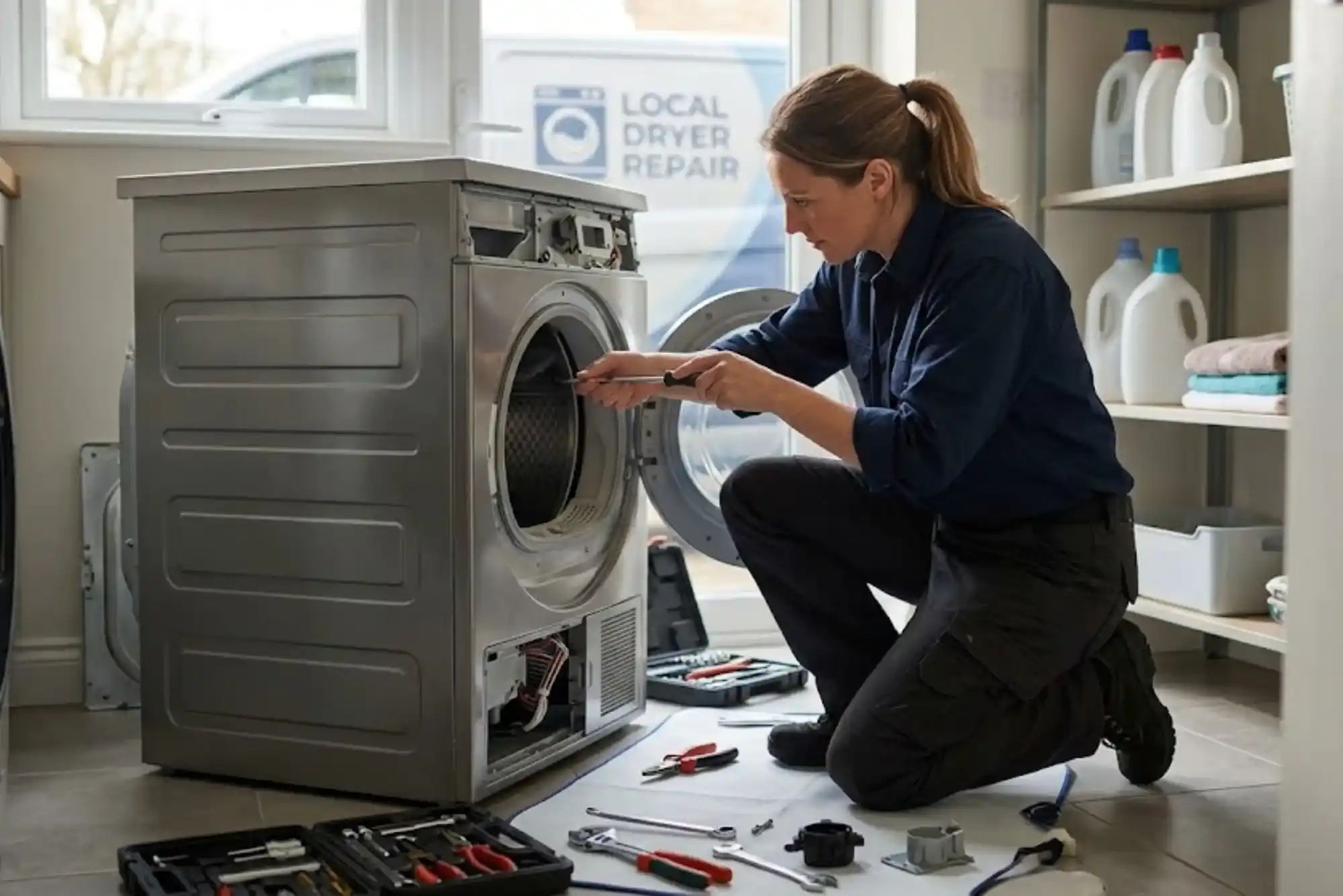
While minor cleaning and maintenance can sometimes improve performance, many issues behind uneven cooking require professional expertise. Attempting to repair electrical or heating components without proper training can be dangerous and may void your appliance warranty. A skilled oven repair technician uses diagnostic tools to identify the exact cause of the problem and fix it efficiently. Whether it’s replacing a burned-out heating element, repairing the fan motor, or recalibrating the thermostat, professionals ensure long-term reliability and consistent performance.
The Benefits of Professional Oven Repair
Professional oven repair not only restores your appliance’s cooking efficiency but also extends its lifespan. Regular servicing helps prevent future breakdowns and improves energy efficiency, which can lower your electricity bills. A well-functioning oven maintains consistent temperatures, ensuring that every dish comes out perfectly cooked. Additionally, professional repair services use genuine replacement parts that meet manufacturer standards, ensuring safe and durable results. Investing in professional care guarantees that your oven remains in top condition for years to come.
Preventing Uneven Cooking in the Future
After your oven has been repaired, it’s essential to adopt good usage and maintenance habits. Always preheat the oven before placing food inside, as this helps stabilize the internal temperature. Avoid overloading the racks with too many dishes at once, as this can block airflow and cause uneven heating. Clean the oven regularly to remove grease and debris that may affect performance. If you notice any unusual sounds or temperature fluctuations, schedule an inspection immediately. Routine oven repair and maintenance keep your appliance performing at its best.
Choosing the Right Oven Repair Service
Selecting a reliable repair service is crucial for quality results. Look for professionals with experience in handling your specific oven brand and model. A reputable oven repair service will offer transparent pricing, skilled technicians, and warranties on parts and labor. Reading customer reviews and checking service credentials can help you make an informed choice. Reliable repair specialists diagnose problems accurately and fix them promptly, saving you time, money, and frustration. With expert assistance, you can enjoy evenly cooked meals without worrying about inconsistent oven performance.
An oven that doesn’t cook food evenly can disrupt your daily routine and waste both time and ingredients. Whether the issue stems from a faulty heating element, broken fan, damaged door seal, or electrical problem, professional oven repair is the most effective solution. By relying on skilled technicians, you can restore your appliance’s performance and ensure that every meal is cooked to perfection. Regular maintenance and timely repairs prevent recurring problems, making your oven a dependable partner in your kitchen once again.